


Black hat SEO is a set of unethical tactics used to manipulate search rankings that violate search engine guidelines and risk severe penalties, traffic loss, and even deindexing. These shortcuts may deliver quick wins but almost always lead to long-term damage, brand harm, and expensive recovery.

What is Black Hat SEO?
Black hat SEO refers to techniques that game search engine algorithms rather than serve user intent, such as keyword stuffing, cloaking, and paid link schemes. These methods persist because they can produce short-term ranking spikes, especially in competitive niches, but they directly contradict search engine rules and erode trust. This guide explains what black hat SEO is, why it tempts marketers, the common tactics, and the real risks and penalties that follow.
Black vs White vs Grey Hat
Black Hat SEO
Black hat SEO employs manipulative tactics that directly violate search engine guidelines. These techniques prioritize search engine manipulation over user experience and can result in immediate penalties.
White Hat SEO
White hat SEO follows ethical practices approved by search engines. It focuses on creating quality content, earning genuine backlinks, and providing excellent user experiences that naturally improve rankings over time.
Grey Hat SEO
Grey hat SEO sits in the middle ground between black and white hat techniques. These tactics aren’t explicitly banned but may risk violating guidelines as search engine algorithms evolve and become more sophisticated.
Common Black Hat Tactics
Content-focused tactics
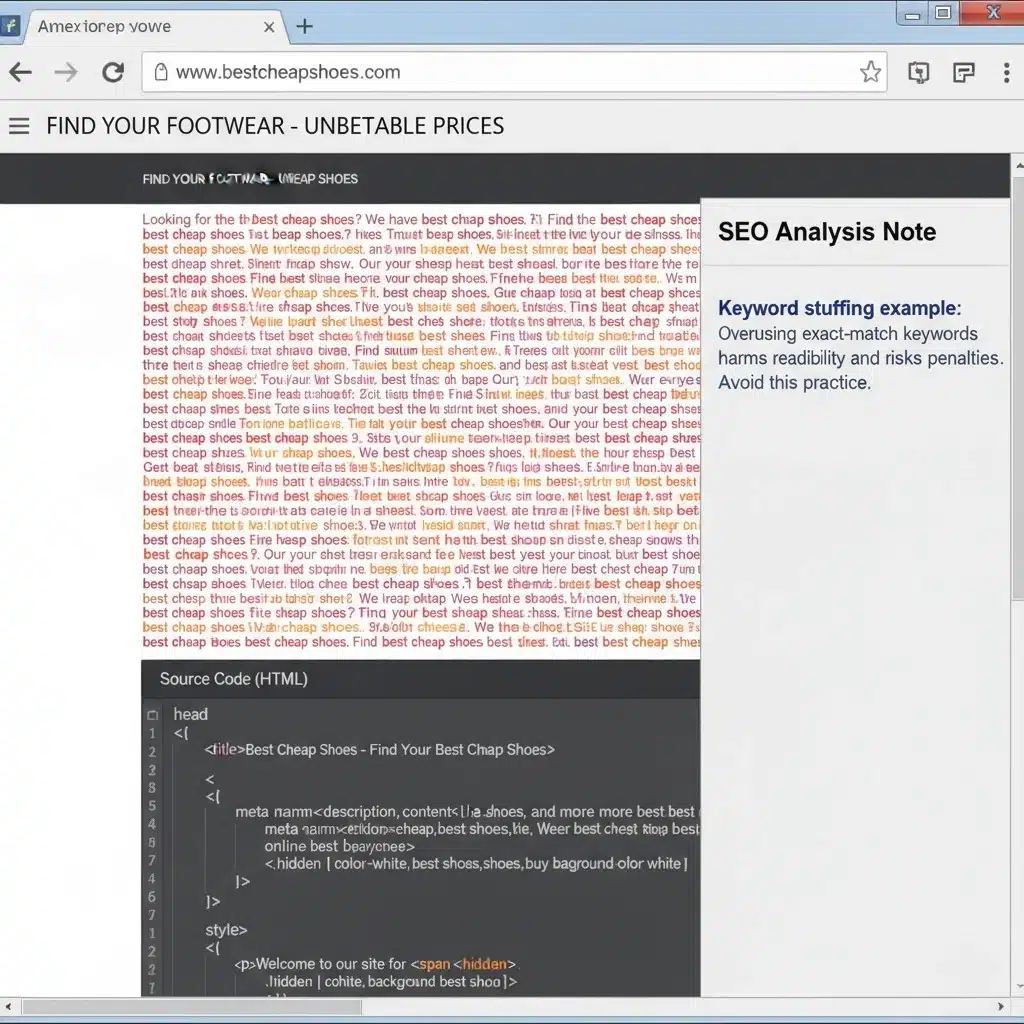
- Keyword stuffing: overloading content and meta elements with repetitive phrases at the expense of readability.
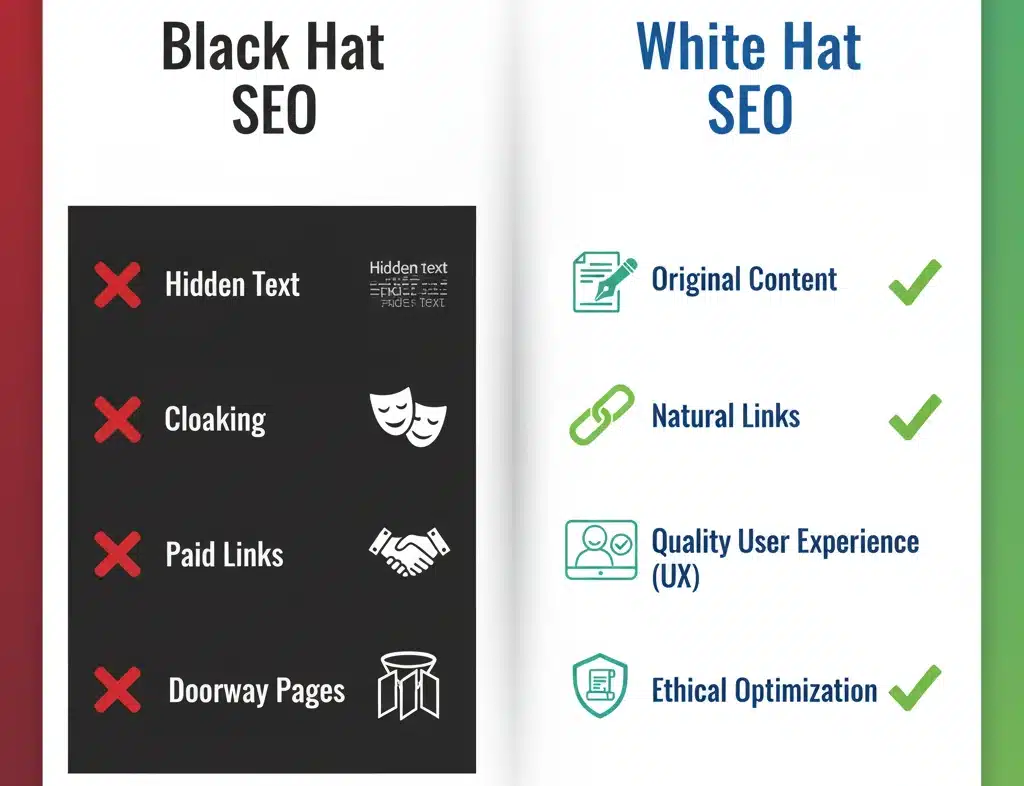
- Hidden text/links: matching text to background colors or using CSS to hide elements from users while exposing them to crawlers.
- Duplicate content and scraping: copying content across pages or sites without original value.
- Article spinning/automated content: mass-generating thin pages with minimal human oversight.
- Misleading titles/clickbait: promises that the page doesn’t fulfill.
Link manipulation
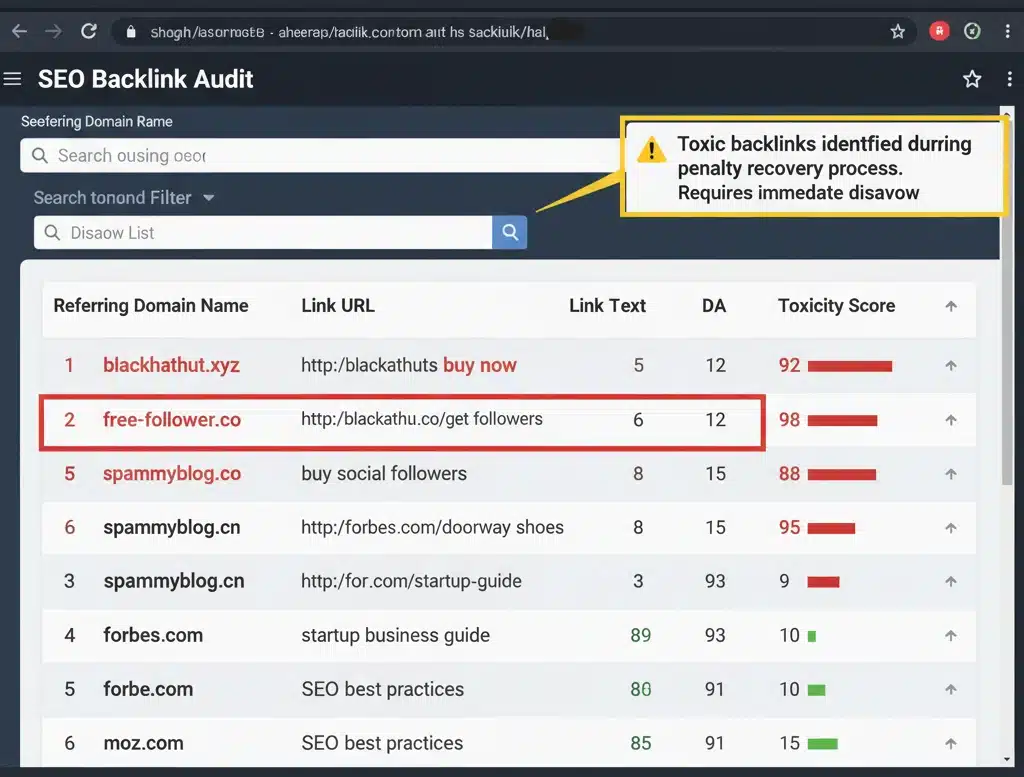
- Buying links: exchanging money or goods for backlinks to inflate authority.
- PBNs and link farms: building networks solely to pass PageRank.
- Comment/profile/footer spam: low-quality, irrelevant links at scale.
- Anchor text manipulation: unnatural exact-match patterns across referring domains.
Technical deception
- Cloaking: serving different content to bots and users.
- Doorway pages: thin, near-duplicate pages crafted to rank for variations and funnel traffic.
- Sneaky redirects: bait-and-switch experiences post-click.
- Structured data abuse: misleading schema to enhance snippets (e.g., fake reviews).
Advanced/edge tactics
- Negative SEO: attempting to harm a competitor’s site with spam links or scrapes.
- AI-at-scale without QA: producing large volumes of inaccurate or low-value content.
- Fake reviews/testimonials: fabricated social proof to influence users and algorithms.
Risks and Consequences
Search engine penalties
- Algorithmic hits: automated demotions from systems targeting link spam, thin content, or unhelpful pages.
- Manual actions: human reviewers flag manipulative tactics, reducing visibility until remediation and successful reconsideration.
- Severity spectrum: from keyword-specific drops to sitewide suppression or full deindexing.
Business impact
- Ranking collapse and traffic loss: sudden declines across core queries harm pipelines and revenue.
- Deindexing: complete removal from search results eliminates organic discovery.
- Reputation damage: users and partners lose trust when deception is uncovered.
Recovery challenges
- Remediation costs: auditing links/content, outreach for removals, disavow management, and site refactoring require time and budget.
- Slow rebuilding: trust signals and authority take months to years to restore.
- Potential legal exposure: copyright violations and fraudulent endorsements invite disputes.
Case Patterns and Lessons
- High-profile penalties often involve paid links, doorway networks, or large-scale thin content.
- Recoveries require full transparency, thorough cleanup (content and links), and sustained white hat rebuilding.
- Common threads: shortcuts produce volatility; durable gains come from value creation and guideline alignment.
Spotting Black Hat in Proposals
Agency warning signs
- Vague reporting or unverifiable data sources.
- Guaranteed rankings or immediate results claims.
- Lack of proactive site improvement recommendations.
- Secretive deliverables and reluctance to share tactics.
Strategy red flags
- Heavy emphasis on exact-match anchors or rapid backlink spikes.
- Thin, templated content at scale without editorial standards.
- Cloaked tests, doorway “city pages,” or mass redirects.
How Search Engines Detect Abuse
- Algorithmic systems target spam signals in links, content, and behavior.
- Machine learning models flag patterns: unnatural anchors, duplication, cloaking fingerprints.
- Manual reviews and spam reports complement automated detection.
Recovery and Prevention
Recovery steps
- Identify the issue: manual action notice vs. analytics/visibility trend suggesting algorithmic impact.
- Clean house: remove or rewrite thin content; audit, remove, and disavow manipulative links; fix redirects and schema abuse.
- Reconsideration: submit detailed documentation of fixes for manual actions.
- Timeline: expect weeks to months for impact reversal, longer for authority restoration.
Prevention playbook
- Establish editorial standards: originality, expertise, and user value with human oversight.
- Link earning, not buying: digital PR, partnerships, and linkable assets.
- Technical hygiene: clear architecture, performance optimization, mobile-first, and accurate structured data.
- Continuous monitoring: regular audits for links, content quality, and SERP performance.
White Hat Alternatives and Best Practices
- Content strategy: focus on search intent, topical depth, expert sourcing, and UX-led formatting.
- Authority building: research-backed assets, community participation, and ethical outreach.
- Technical excellence: crawlable structures, fast pages, helpful internal linking, and honest schema.
- Measurement: track engagement and conversions, not just rankings; iterate based on user signals.
Conclusion
Black hat SEO promises speed but delivers volatility, penalties, and reputational harm, often wiping out hard-won gains. The sustainable path is ethical SEO: high-quality content, genuine authority, and technical clarity that compounding algorithms reward over time. For durable growth, invest in value creation and transparent practices—and leave shortcuts behind.
FAQs
1. How is black hat different from white hat and grey hat?
White hat follows guidelines and focuses on helpful content, genuine backlinks, and good UX; black hat violates rules to game algorithms; grey hat sits in between, using risky tactics not explicitly banned but still against the spirit of guidelines.
2. Which black hat techniques are most common today?
Frequent tactics include keyword stuffing, hidden text and links, duplicate/scraped or spun content, PBNs and paid links, comment spam, doorway pages, cloaking, sneaky redirects, and misleading schema.
3. Do black hat tactics still work?
They can create short-lived ranking spikes, but modern detection systems and manual reviews typically penalize sites quickly. The volatility and risk outweigh any temporary gains.
4. What penalties can occur for black hat SEO?
Penalties range from algorithmic demotions and manual actions to sitewide suppression and complete deindexing. Severity depends on the scale and intent of violations.
5. How do search engines detect black hat SEO?
Through algorithm updates targeting spam signals, machine learning that flags unnatural link and content patterns, Chrome/user parity checks for cloaking, and manual reviewer actions.
6. What’s the business impact of a penalty?
Expect sudden ranking drops, sharp organic traffic decline, loss of leads and revenue, reputational damage, and significant remediation costs and time.
7. How long does recovery take after a penalty?
Timelines vary: manual actions may be reviewed in weeks after thorough cleanup and reconsideration requests; regaining authority and rankings can take months or longer.

Passionate about blogging and focused on elevating brand visibility through strategic SEO and digital marketing. Always tuned in to the latest trends, I’m dedicated to maximizing engagement and delivering measurable ROI in the dynamic world of digital marketing. Let’s connect and unlock new opportunities together!