



Every website owner and marketer wants more traffic. But the real question is – how can you grow your search traffic without risking penalties from Google? The answer lies in White Hat SEO.

White Hat SEO is the safe, ethical, and long-term approach to search engine optimization. Unlike Black Hat SEO, which focuses on shortcuts and tricks, White Hat SEO focuses on creating value for users and building trust with search engines.
In this guide, we’ll walk you through 10 White Hat SEO techniques that can help you double your search traffic in a sustainable way. Whether you’re just starting or already running a website, these strategies will make a real difference.
What Is White Hat SEO?

White Hat SEO refers to the ethical practices of optimizing your website for search engines. It follows Google’s official guidelines and puts users first.
White Hat SEO vs. Black Hat SEO vs. Grey Hat SEO
- White Hat SEO: Ethical methods, user-first approach, long-term results.
- Black Hat SEO: Unethical tricks (keyword stuffing, buying links, cloaking), risky and short-lived.
- Grey Hat SEO: Somewhere in between; not directly against rules but still risky.
Benefits of White Hat SEO
- Sustainable rankings.
- Increased trust and authority.
- No risk of Google penalties.
- Better user experience.
In simple words: White Hat SEO builds traffic that lasts.
Why Focus on White Hat SEO for Traffic Growth?
Many people are tempted by shortcuts like spammy backlinks or keyword stuffing. While these may work for a short time, they can easily get your site penalized or de-indexed.
White Hat SEO, on the other hand:
- Builds organic traffic that grows over time.
- Creates a positive user experience.
- Helps you rank higher while staying safe.
- Supports your brand authority and reputation.
If you want your business to survive and grow in the long run, White Hat SEO is the only way.
10 White Hat SEO Techniques To Double Your Search Traffic
Let’s dive into the practical techniques you can start using today.
1. Create High-Quality, Relevant Content

Content is the foundation of SEO. Without good content, even the best optimization won’t work.
Why It Matters
Google rewards websites that provide value. The more useful, original, and engaging your content is, the higher you’ll rank.
How To Do It
- Write for users first, search engines second.
- Follow Google’s E-E-A-T principle: Experience, Expertise, Authoritativeness, Trustworthiness.
- Use simple language, clear formatting, and visuals.
- Add original research, case studies, or examples.
Example: Instead of writing “Top 10 Travel Destinations,” write “Top 10 Travel Destinations for Solo Travelers in 2025.” The second one is more unique, targeted, and valuable.
2. Optimize On-Page SEO Elements
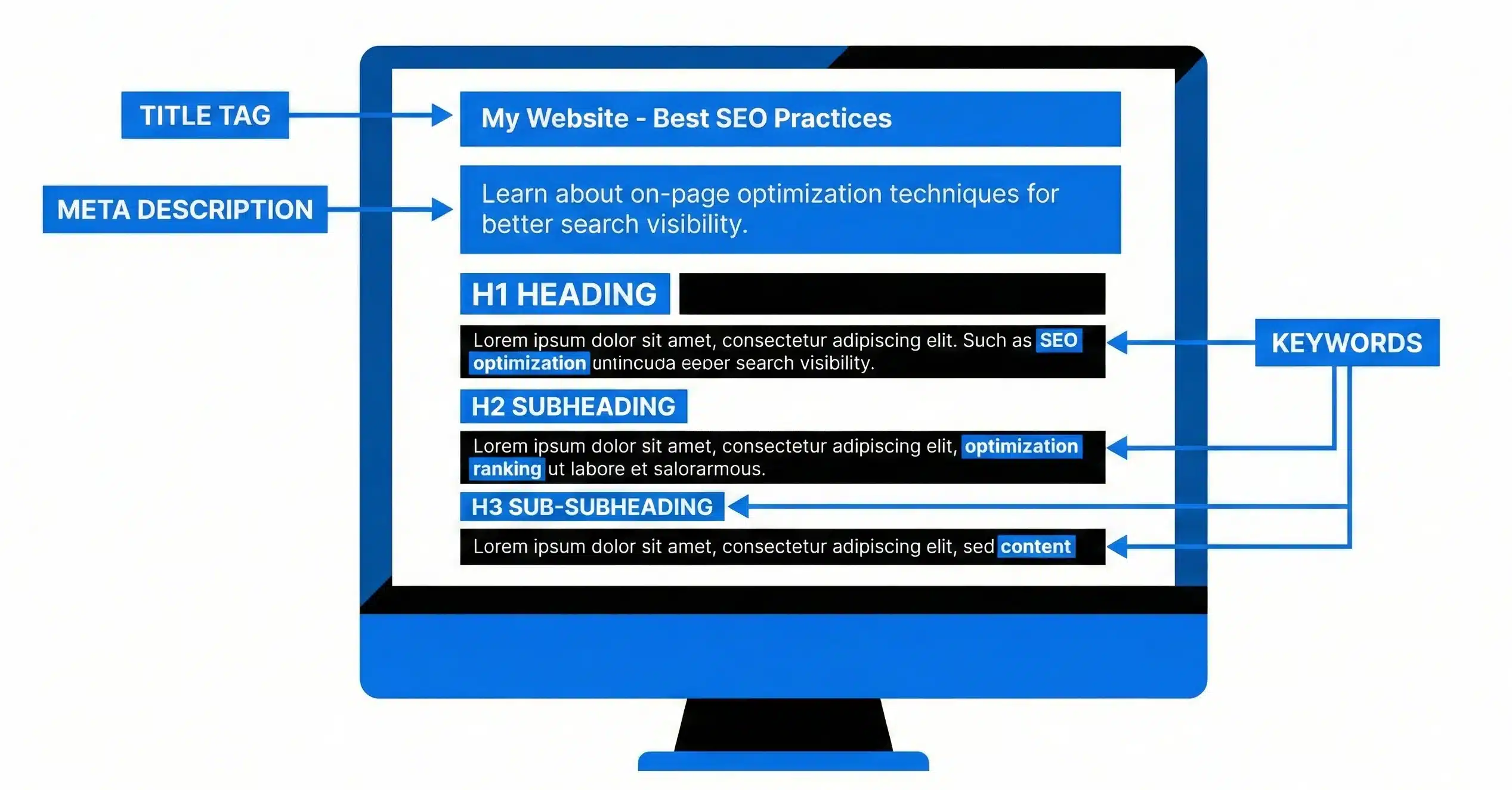
On-page SEO means optimizing elements within your website pages.
Key Areas To Focus On
- Title tags: Clear, keyword-rich, under 60 characters.
- Meta descriptions: Short, engaging, and clickable.
- Headings (H1, H2, H3): Structured with keywords.
- Internal linking: Link related pages together.
- Image SEO: Use alt tags and compressed images.
Pro Tip
Make sure your website is mobile-friendly and loads fast. A slow or poorly designed site can ruin your SEO efforts.
3. Target Long-Tail Keywords
Long-tail keywords are longer, more specific search phrases.
Why They Work
- Less competition.
- Higher conversion rates.
- Easier to rank quickly.
Tools To Find Them
- Google Keyword Planner.
- SEMrush.
- Ahrefs.
- AnswerThePublic.
Example: Instead of targeting “shoes,” go for “best running shoes for women 2025.”
4. Focus on User Experience (UX)

Google wants users to enjoy the websites they visit. A bad user experience can lead to higher bounce rates and lower rankings.
UX Best Practices
- Fast page loading (under 3 seconds).
- Mobile-first design.
- Easy navigation with clear menus.
- Engaging visuals and content layout.
Example: If your site is cluttered and slow, users will leave. But if it’s smooth and simple, they’ll stay longer and engage more.
5. Build High-Quality Backlinks
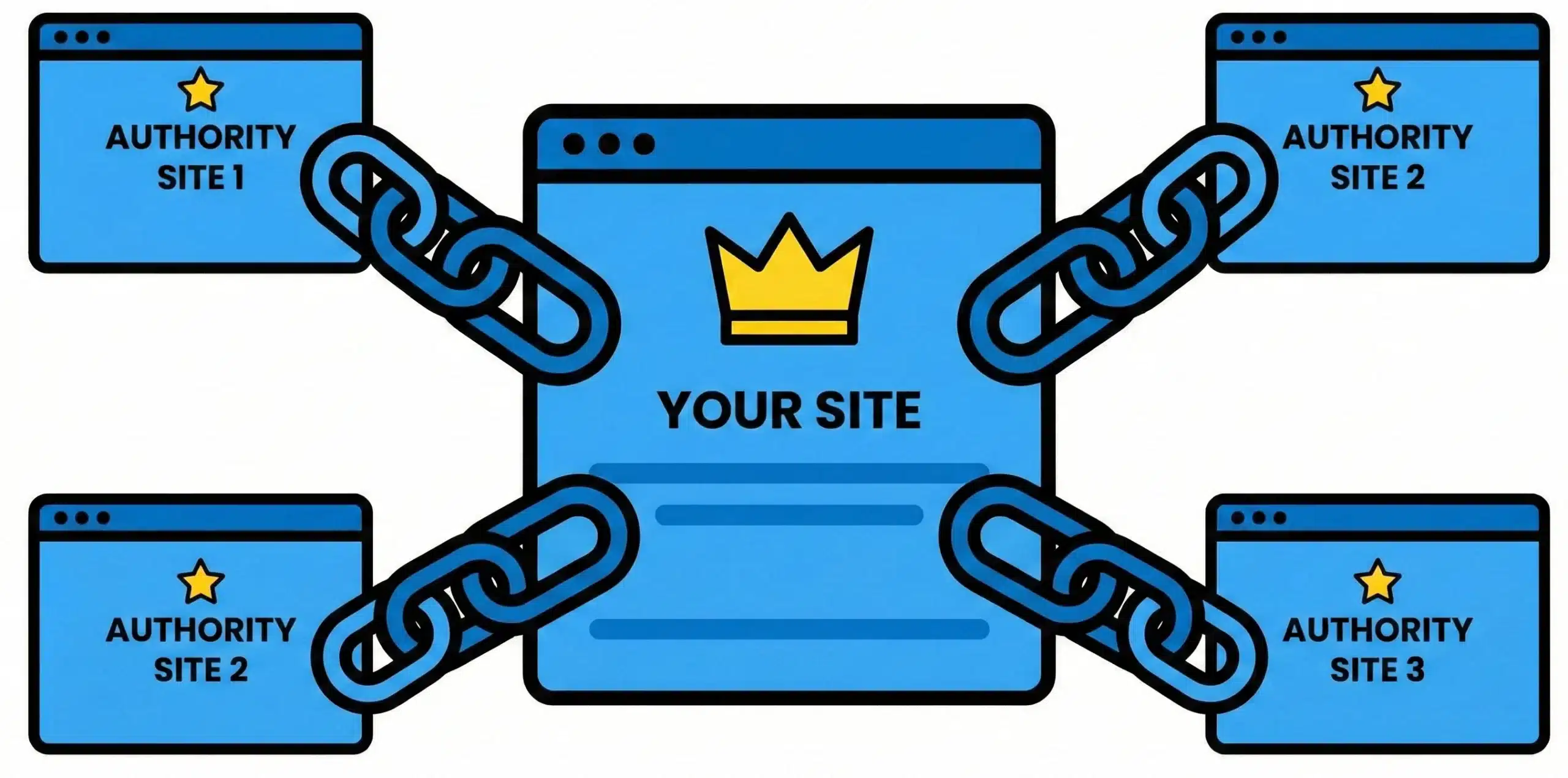
Backlinks are still one of the strongest ranking factors. But not all links are equal.
White Hat Link Building Methods
- Guest posting on authority sites.
- HARO (Help A Reporter Out).
- Digital PR and press mentions.
- Skyscraper technique (improving existing top content).
Avoid buying links or using private blog networks (PBNs). These can harm your site.
Rule: One quality backlink is better than 100 spammy ones.
6. Leverage Internal Linking
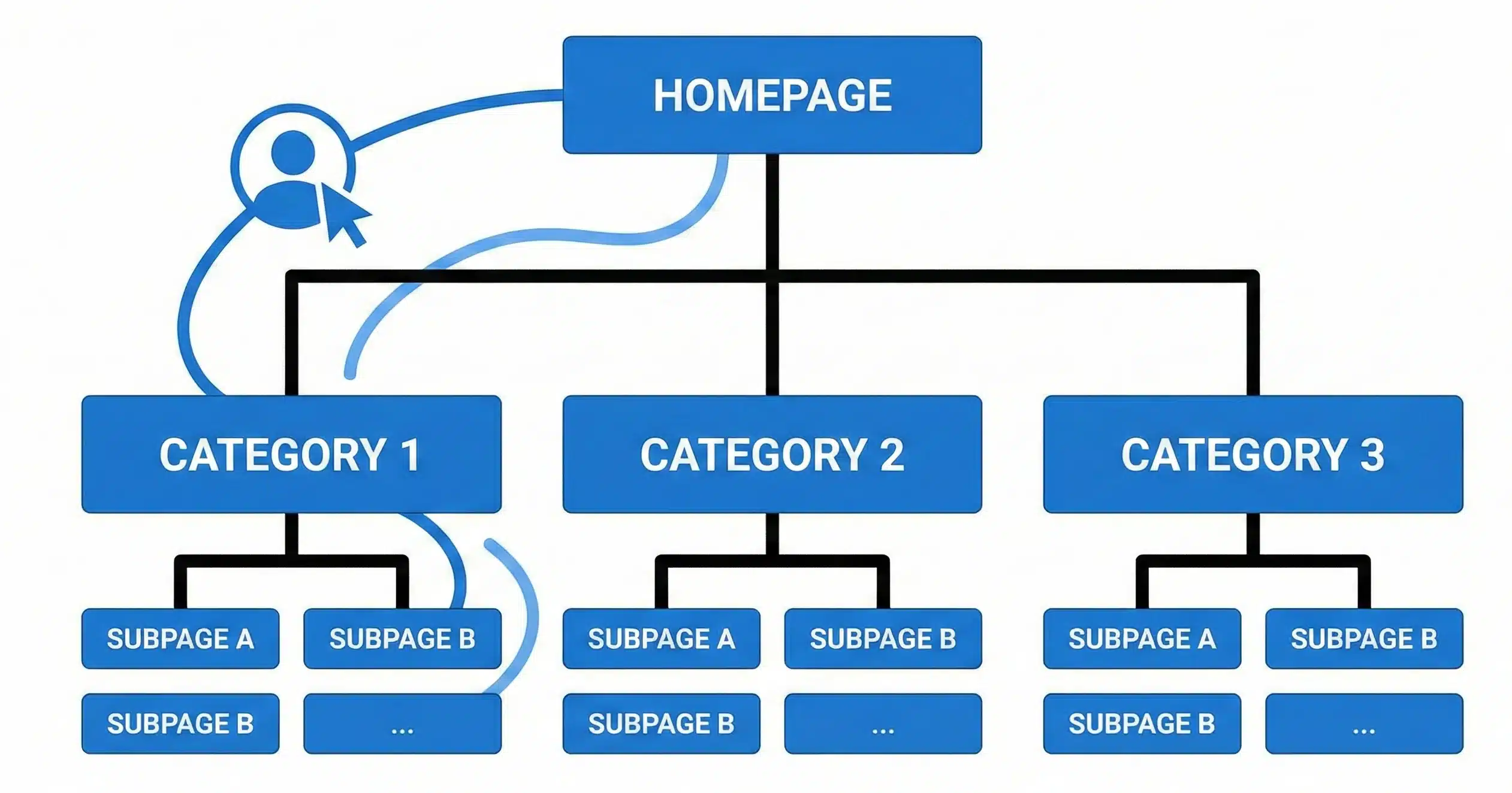
Internal linking connects your website pages together.
Benefits
- Helps Google crawl and index your site.
- Spreads link authority across pages.
- Improves user navigation.
Best Practices
- Use relevant anchor text.
- Link only where it makes sense.
- Avoid excessive linking on one page.
Example: If you write a blog on “Email Marketing Tips,” link it to another blog on “Best Email Marketing Tools.”
7. Optimize for Voice Search and Semantic SEO
With voice assistants like Alexa and Google Assistant, voice search is growing fast.
How To Optimize
- Write question-based content.
- Use natural, conversational language.
- Include FAQs in your blogs.
- Build topic clusters around main keywords.
Example: Instead of targeting “best Italian restaurant,” target “What is the best Italian restaurant near me?”
8. Enhance Site Speed and Technical SEO
Technical SEO ensures that search engines can crawl your site easily.
Things To Do
- Improve Core Web Vitals (loading speed, interactivity, visual stability).
- Compress images.
- Use caching and clean code.
- Submit an XML sitemap.
- Secure your site with HTTPS.
A technically sound website gives users a smooth experience and helps Google rank you higher.
9. Use Schema Markup for Rich Results
Schema markup helps search engines understand your content better.
Types of Schema You Can Use
- FAQ schema.
- How-To schema.
- Product schema.
- Review schema.
With schema, your site can appear with rich snippets (stars, images, ratings) in Google search results, which boosts clicks.
10. Consistently Update and Refresh Content
SEO is not a one-time job.
Why It Matters
- Google prefers fresh and updated content.
- Old content may become outdated and irrelevant.
How To Do It
- Update statistics and facts.
- Add new examples and case studies.
- Improve formatting and readability.
- Add internal links to new blogs.
Example: If you wrote “SEO Trends 2023,” update it to “SEO Trends 2025” with fresh insights.
Common Mistakes to Avoid in White Hat SEO
Even with the right intentions, many people make mistakes. Here are a few to avoid:
- Keyword stuffing: Overusing keywords unnaturally.
- Over-optimizing anchor text: Makes links look spammy.
- Neglecting mobile optimization: Most traffic now comes from mobile.
- Ignoring user intent: Writing for search engines, not humans.
Tools to Help Implement White Hat SEO
Here are some trusted tools to make your SEO work easier:
- Google Search Console: Monitor performance and fix issues.
- Google Analytics: Track traffic and user behavior.
- SEMrush / Ahrefs / Moz: Keyword research, backlinks, competitor analysis.
- Surfer SEO: Optimize content for ranking.
- Screaming Frog: Technical site audit.
Conclusion
White Hat SEO is the only reliable way to grow search traffic sustainably. While it may take time, the results are long-lasting and safe.
To recap, the 10 White Hat SEO techniques are:
- Create high-quality content.
- Optimize on-page SEO.
- Target long-tail keywords.
- Improve user experience.
- Build high-quality backlinks.
- Leverage internal linking.
- Optimize for voice search.
- Enhance site speed and technical SEO.
- Use schema markup.
- Refresh and update content.
Start by applying 2–3 techniques and expand over time. Remember: Consistency is the real White Hat secret to doubling your search traffic.

Passionate about blogging and focused on elevating brand visibility through strategic SEO and digital marketing. Always tuned in to the latest trends, I’m dedicated to maximizing engagement and delivering measurable ROI in the dynamic world of digital marketing. Let’s connect and unlock new opportunities together!