

A steady flow of leads is the foundation of sustainable business growth. Without a clear system to attract, engage, and convert potential customers, businesses often rely on inconsistent marketing efforts or random sales activities. This is where a lead generation funnel becomes critical.
A lead generation funnel helps businesses guide prospects from their first interaction with a brand to becoming paying customers—and even loyal advocates. Instead of guessing what to do next, the funnel provides a structured, repeatable process.
In this guide, you will learn what a lead generation funnel is, how it works, the stages involved, and how to build one step by step using proven methods that businesses commonly rely on.
What Is a Lead Generation Funnel?
A lead generation funnel is a structured process that attracts potential customers, captures their interest, nurtures them over time, and eventually converts them into qualified leads and customers.
Simply put, it maps the journey people take from discovering your business to trusting it enough to take action.
Unlike a sales funnel, which focuses mainly on closing deals, a lead generation funnel focuses on attracting and qualifying prospects before sales involvement. It prepares leads so that sales conversations are more relevant and effective.
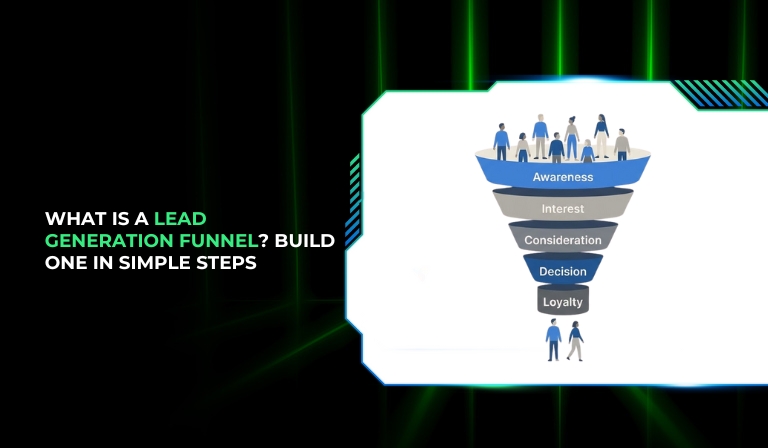
Key components of a lead generation funnel
- Awareness: People first discover your brand or solution
- Interest: They engage and want to learn more
- Consideration: They compare options and evaluate value
- Decision: They are ready to convert
- Loyalty: They continue engaging after purchase
Why businesses need a structured funnel
- It creates predictable lead flow
- It improves lead quality
- It aligns marketing and sales efforts
- It reduces wasted ad spend and effort
Visual funnel representation
Awareness → Leads → Qualified Leads → Customers
The 5 Stages of a Lead Generation Funnel
Stage 1: Awareness (Top of Funnel)
The awareness stage is where potential customers first come into contact with your brand. At this point, they may not know they need your solution yet.
The goal here is visibility and reach, not selling.
What happens at this stage
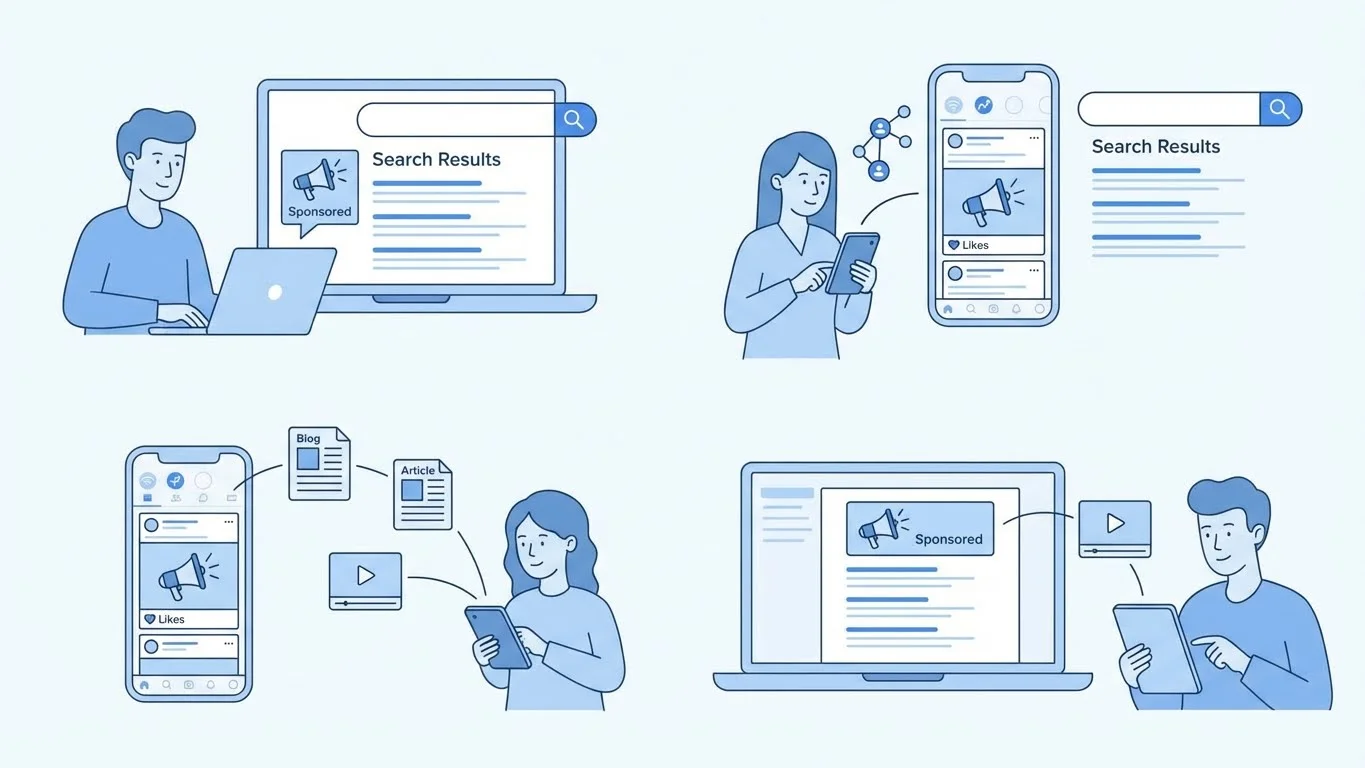
- People discover your brand through search, social media, or ads
- They consume educational or informative content
- They begin recognizing your brand name
Common tactics used
- Content marketing (blogs, guides, videos)
- Search engine optimization (SEO)
- Social media marketing
- Paid advertising
Best practices
- Focus on solving problems, not promoting products
- Use clear and simple language
- Optimize content for search intent
Stage 2: Interest (Upper Middle Funnel)
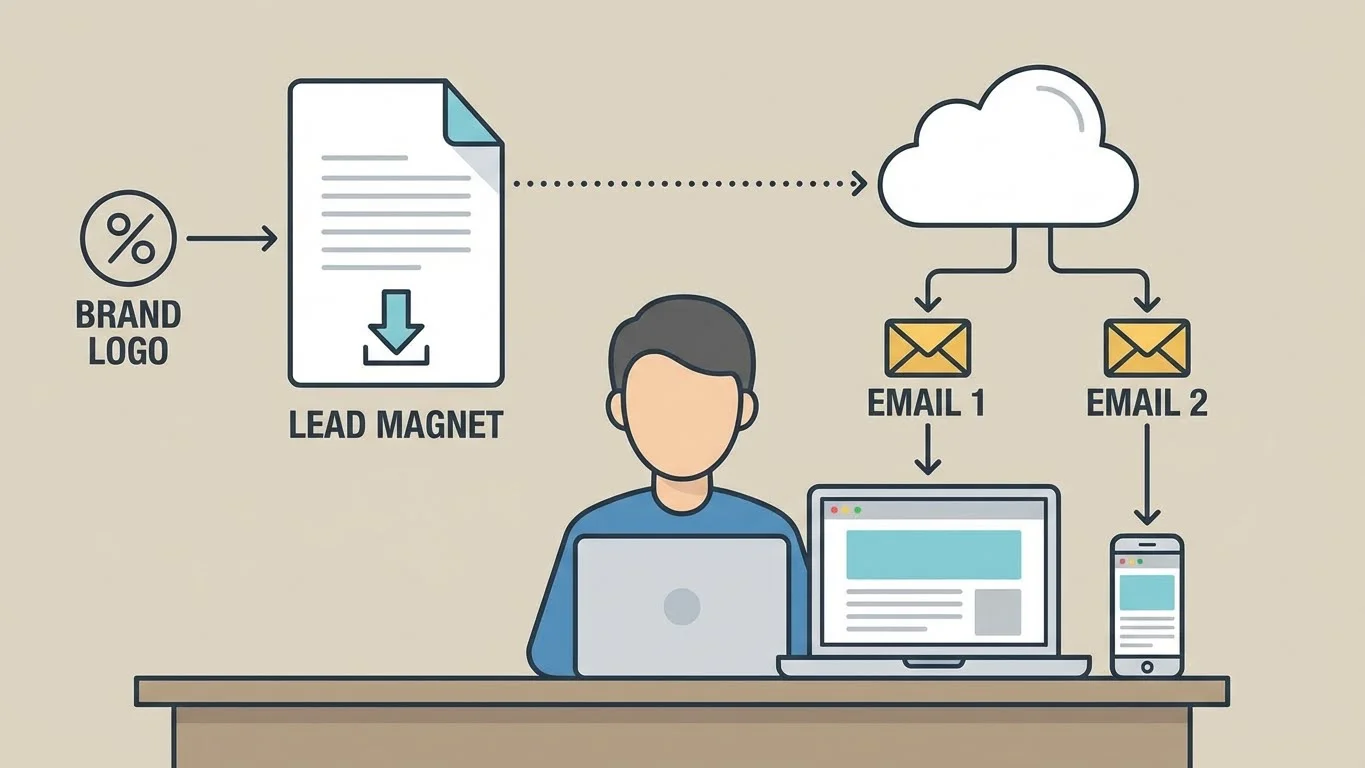
At the interest stage, prospects are aware of your brand and want more information. They are exploring solutions but are not ready to commit yet.
The focus shifts from awareness to engagement.
What happens at this stage
- Visitors interact with your content more deeply
- They exchange contact information for value
- They show repeated engagement
Common tactics used
- Email sequences
- Webinars
- Case studies
- Whitepapers
Role of lead magnets Lead magnets offer something valuable in exchange for contact details, such as:
- Free guides
- Templates
- Checklists
Nurturing strategies
- Educational email series
- Content tailored to specific problems
- Gradual introduction of solutions
Stage 3: Consideration (Middle Funnel)
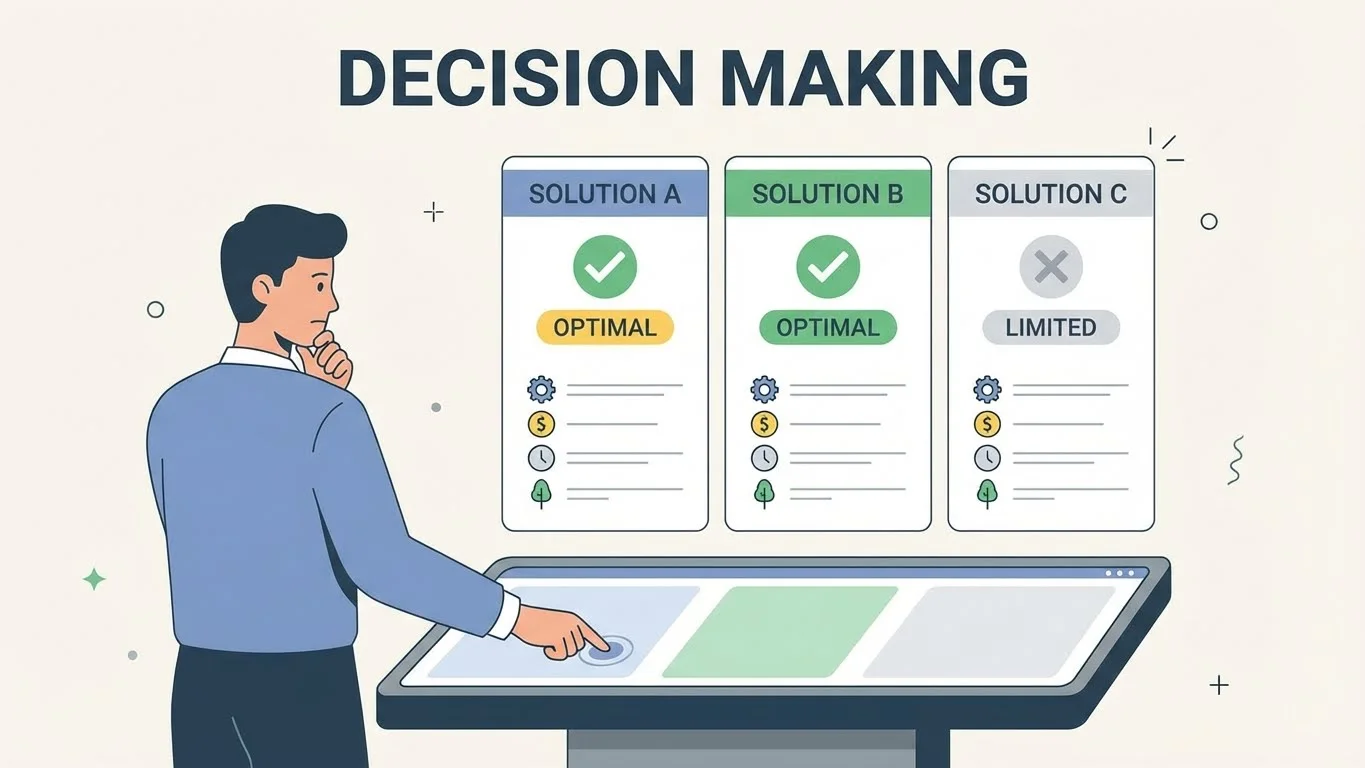
In the consideration stage, prospects are actively evaluating options. They understand their problem and are comparing different solutions.
Trust and credibility become critical here.
What happens at this stage
- Leads assess features, benefits, and fit
- They compare competitors
- They seek proof and reassurance
Common tactics used
- Comparison guides
- Demo videos
- Testimonials
- Detailed product or service pages
Building trust
- Transparent information
- Clear pricing explanations
- Honest comparisons
Addressing objections
- Answer frequently asked questions
- Explain limitations clearly
- Highlight real use cases
Stage 4: Decision (Lower Funnel)
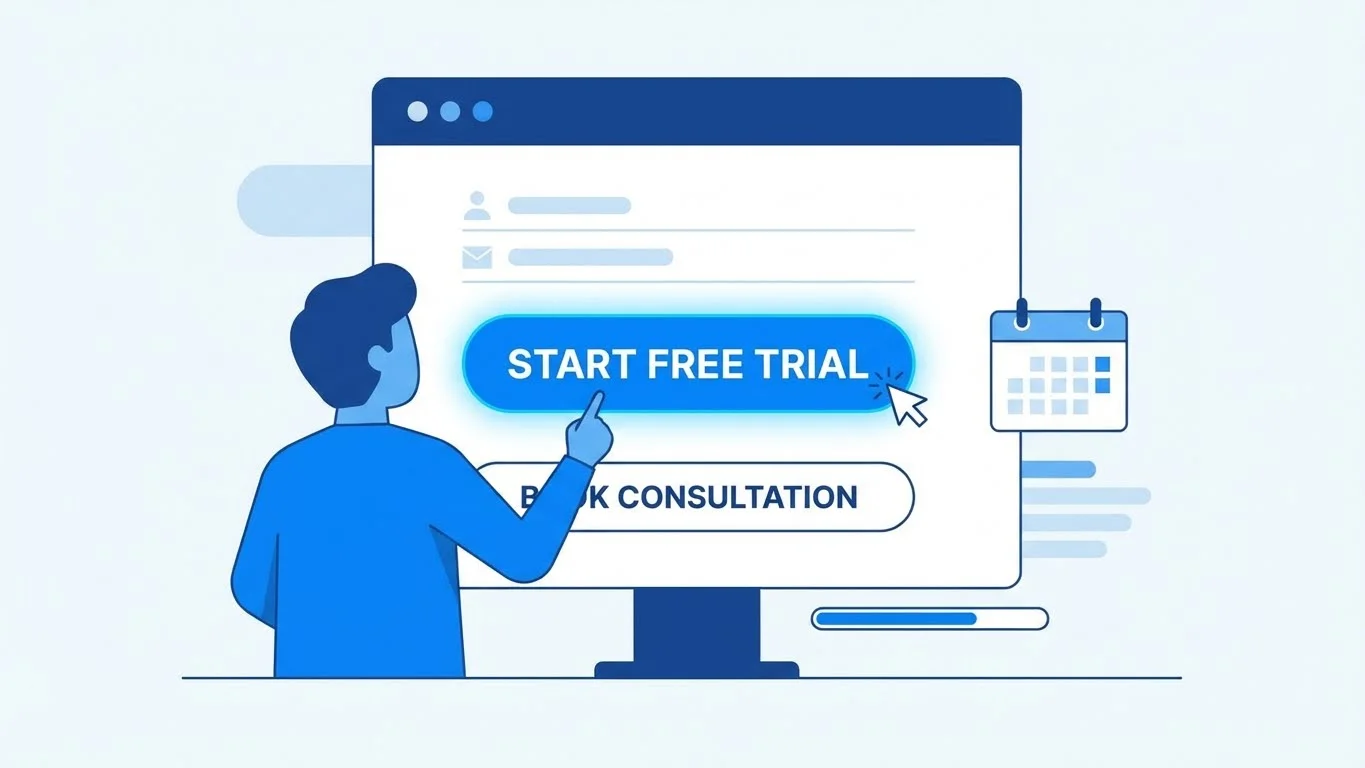
This is the point where leads are ready to take action. The goal is to remove friction and make the decision easy.
What happens at this stage
- Leads evaluate final options
- They seek confidence before committing
- They are ready to convert
Common tactics used
- Free trials or demos
- Consultations or calls
- Limited-time offers
Sales enablement content
- FAQs
- Pricing breakdowns
- Implementation details
Overcoming final objections
- Clear guarantees
- Transparent terms
- Easy onboarding steps
Stage 5: Loyalty & Advocacy (Post-Purchase)
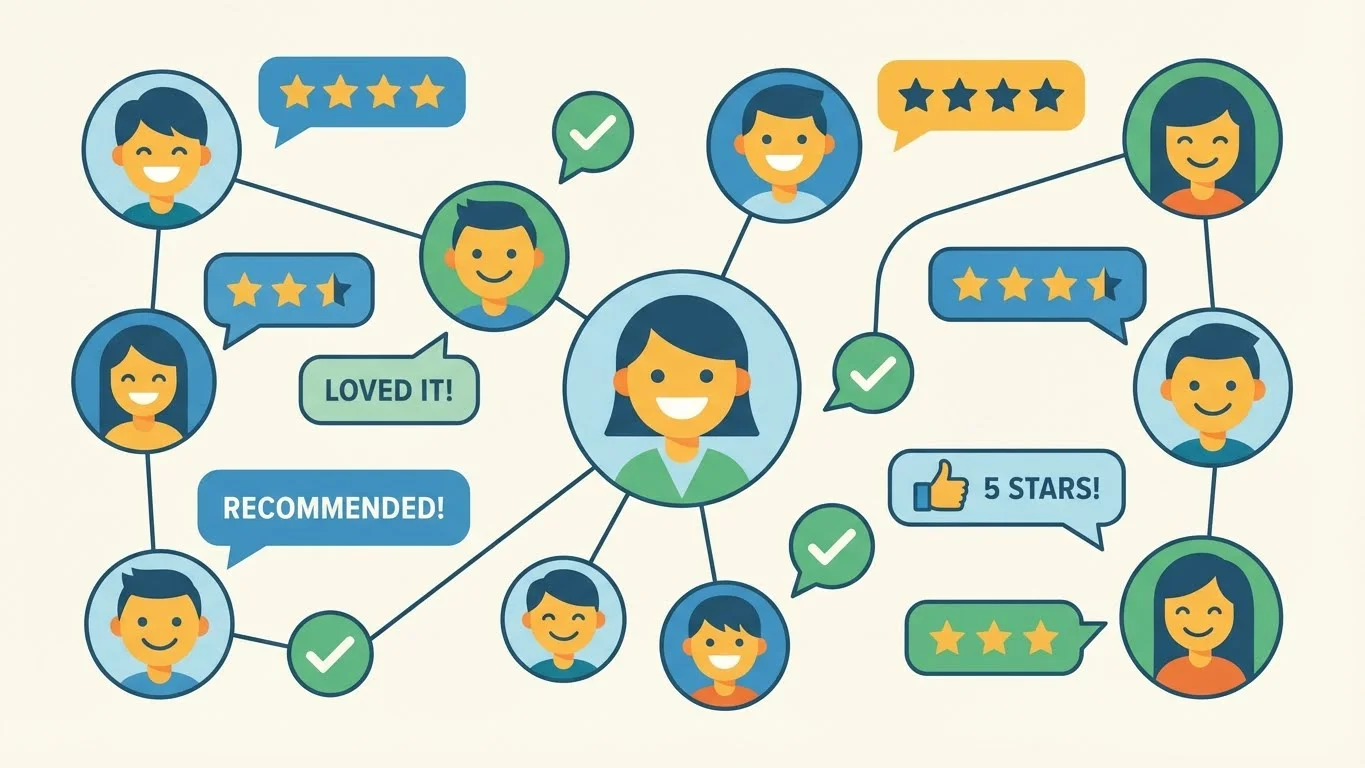
The funnel does not end after conversion. Retaining customers is often more cost-effective than acquiring new ones.
What happens at this stage
- Customers use your product or service
- They receive ongoing support and value
- Satisfied customers recommend your brand
Common tactics used
- Follow-up emails
- Customer success content
- Referral programs
Building long-term relationships
- Regular communication
- Helpful updates
- Educational resources
Creating brand advocates Happy customers naturally promote brands they trust.
How to Build Your Lead Generation Funnel in 5 Steps
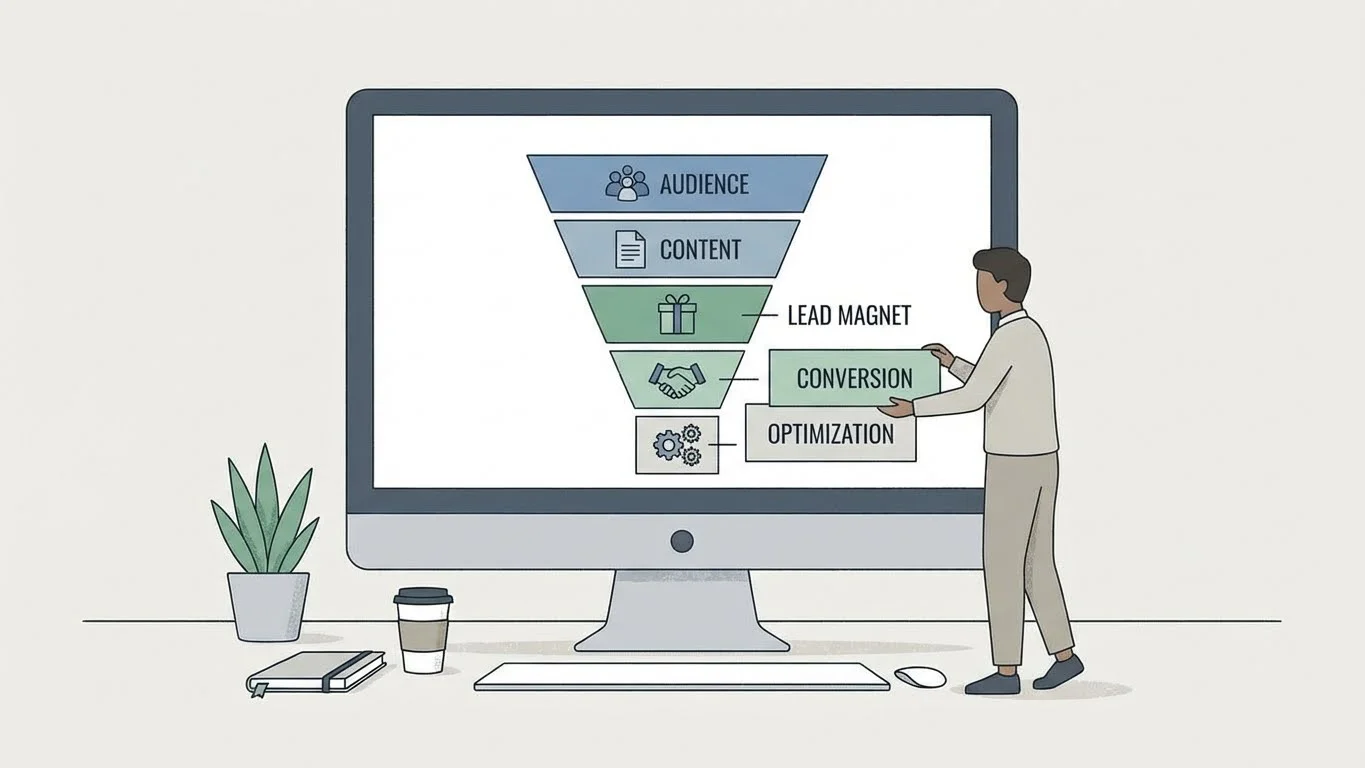
Step 1: Define Your Target Audience
Before building a funnel, you must understand who it is for. A clear audience definition ensures relevant messaging.
Key actions
- Create detailed buyer personas
- Identify pain points and goals
- Understand decision-making behavior
- Know where your audience spends time online
Step 2: Create Top-of-Funnel Content
Top-of-funnel content attracts attention and drives traffic.
Common content formats
- Blog posts
- Videos
- Infographics
- Podcasts
SEO focus
- Use keyword research
- Match search intent
- Optimize headlines and structure
Tools and platforms
- Content management systems
- Social media platforms
- Search analytics tools
Step 3: Build Middle-Funnel Lead Magnets & Nurture Sequences
Once traffic arrives, you must capture and nurture leads.
Lead magnet examples
- Downloadable guides
- Free tools
- Educational email courses
Email nurture campaigns
- Educational sequences
- Gradual solution introduction
- Personalized messaging
Automation
- Trigger-based emails
- Workflow segmentation
- Performance tracking
Step 4: Implement Bottom-Funnel Conversion Tactics
This step focuses on turning leads into customers.
Key tactics
- Sales-focused landing pages
- Retargeting campaigns
- Live chat and chatbots
Landing page optimization
- Clear headlines
- Strong CTAs
- Minimal distractions
Step 5: Measure, Track & Optimize
A funnel must be monitored and improved regularly.
Key metrics
- Conversion rates
- Cost per lead
- Lead quality
Tracking setup
- Analytics tools
- CRM integration
- Funnel visualization
Optimization methods
- A/B testing
- Messaging refinement
- Channel performance analysis
Lead Generation Funnel Best Practices
- Personalize messaging at every stage
- Ensure mobile-friendly experiences
- Use clear and consistent CTAs
- Maintain consistent messaging across channels
- Integrate marketing and sales tools
- Test and refine regularly
Tools & Platforms for Building Your Funnel
Email marketing
- HubSpot
- Mailchimp
- ConvertKit
Landing pages
- Unbounce
- Leadpages
- Instapage
CRM systems
- HubSpot
- Pipedrive
- Salesforce
Analytics
- Google Analytics
- Hotjar
Automation
- Zapier
- Make
- HubSpot Workflows
Conclusion
A lead generation funnel provides a structured way to attract, engage, and convert prospects into customers. By understanding the five stages and following the five-step build process, businesses can create predictable and scalable growth systems.
A well-designed funnel aligns marketing and sales, improves lead quality, and supports long-term revenue. The key is consistency, measurement, and continuous improvement.

Passionate about blogging and focused on elevating brand visibility through strategic SEO and digital marketing. Always tuned in to the latest trends, I’m dedicated to maximizing engagement and delivering measurable ROI in the dynamic world of digital marketing. Let’s connect and unlock new opportunities together!