


Content marketing has always been one of the most powerful ways to connect with people online. Instead of just promoting products, it allows businesses to build trust, share knowledge, and create strong relationships with their audience.
In 2026, content marketing is still very important—but the way it works has changed. Technology, audience behavior, and search engines are evolving quickly. People no longer want just content; they want the right content in the right format at the right time.
So, how can businesses stay ahead? Let’s explore the 7 best content marketing practices you must follow in 2026.
1. Understand Your Audience With Data-Driven Insights
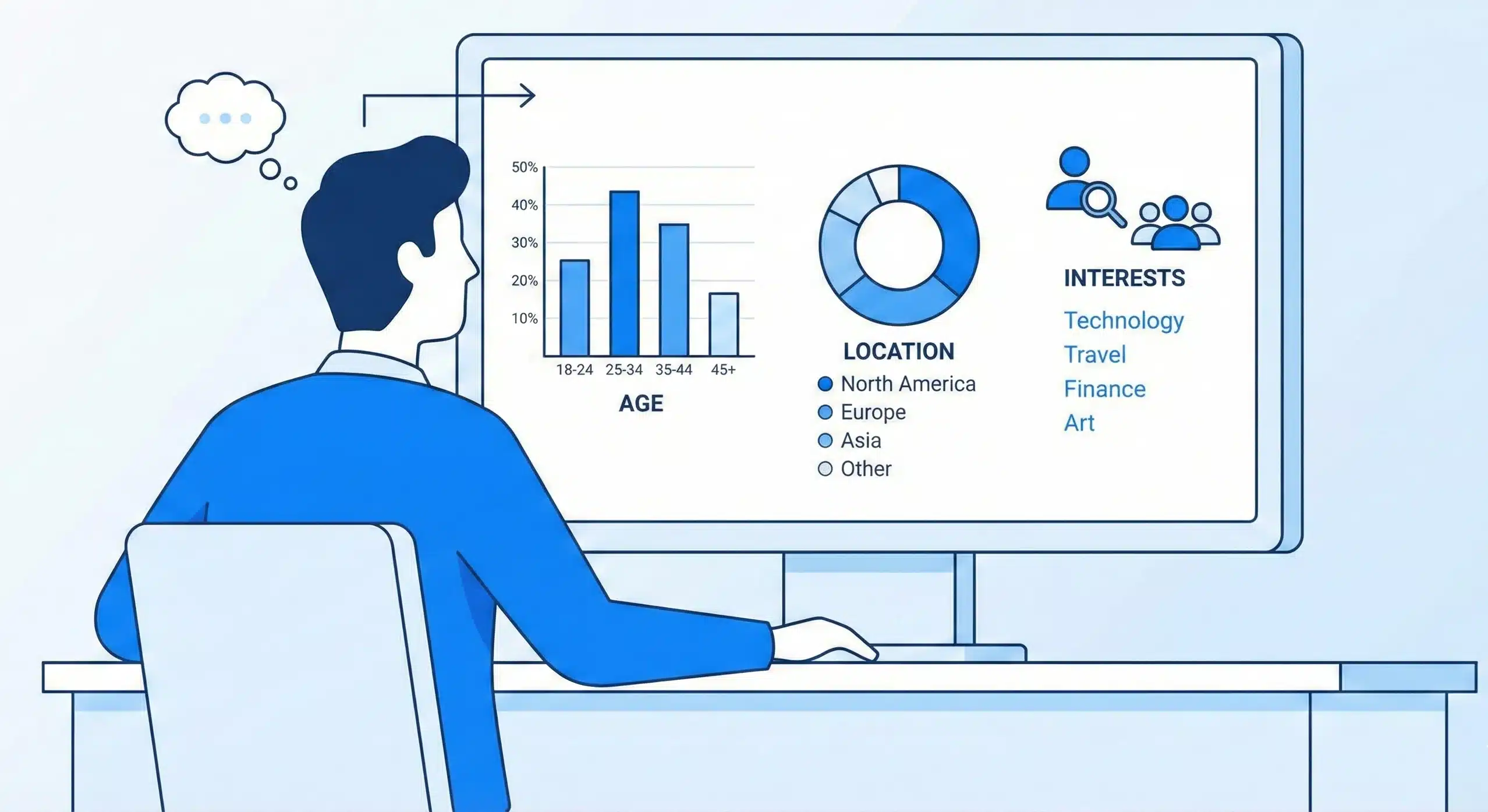
The first rule of good content marketing is knowing your audience. If you don’t know what your readers, viewers, or customers want, your content won’t perform well.
In 2026, audience research goes beyond simple demographics. Businesses now rely on data-driven insights:
- AI tools can analyze customer behavior and predict what they might want.
- First-party data (data collected directly from your audience, such as through email signups or surveys) is becoming more valuable as third-party cookies fade out.
- Personalization is no longer optional—it’s expected.
Example: If your audience prefers short videos on Instagram instead of long blogs, you can adjust your strategy to deliver more of what they enjoy.
Best Practice: Use analytics tools, surveys, and AI-driven customer insights to understand your audience’s pain points, interests, and behavior. Then create content that matches their needs.
2. Prioritize High-Quality, Value-Driven Content
In the past, businesses used to publish as much content as possible to rank higher on Google. But in 2026, quality matters far more than quantity.
Google’s algorithms are smarter and reward content that is genuinely useful, original, and trustworthy. The Helpful Content Update makes it clear—if your content is written only for search engines, it won’t rank well.
What does “high-quality content” mean in 2026?
- It tells a story.
- It shows expertise and builds authority.
- It solves problems or entertains people.
Example: Instead of writing a short, generic article like “5 Tips for Better Marketing,” you could create a detailed guide that explains each step with examples, tools, and action points.
Best Practice: Always focus on creating value-driven content that helps your audience, not just content that fills up space.
3. Optimize Content for AI and Voice Search
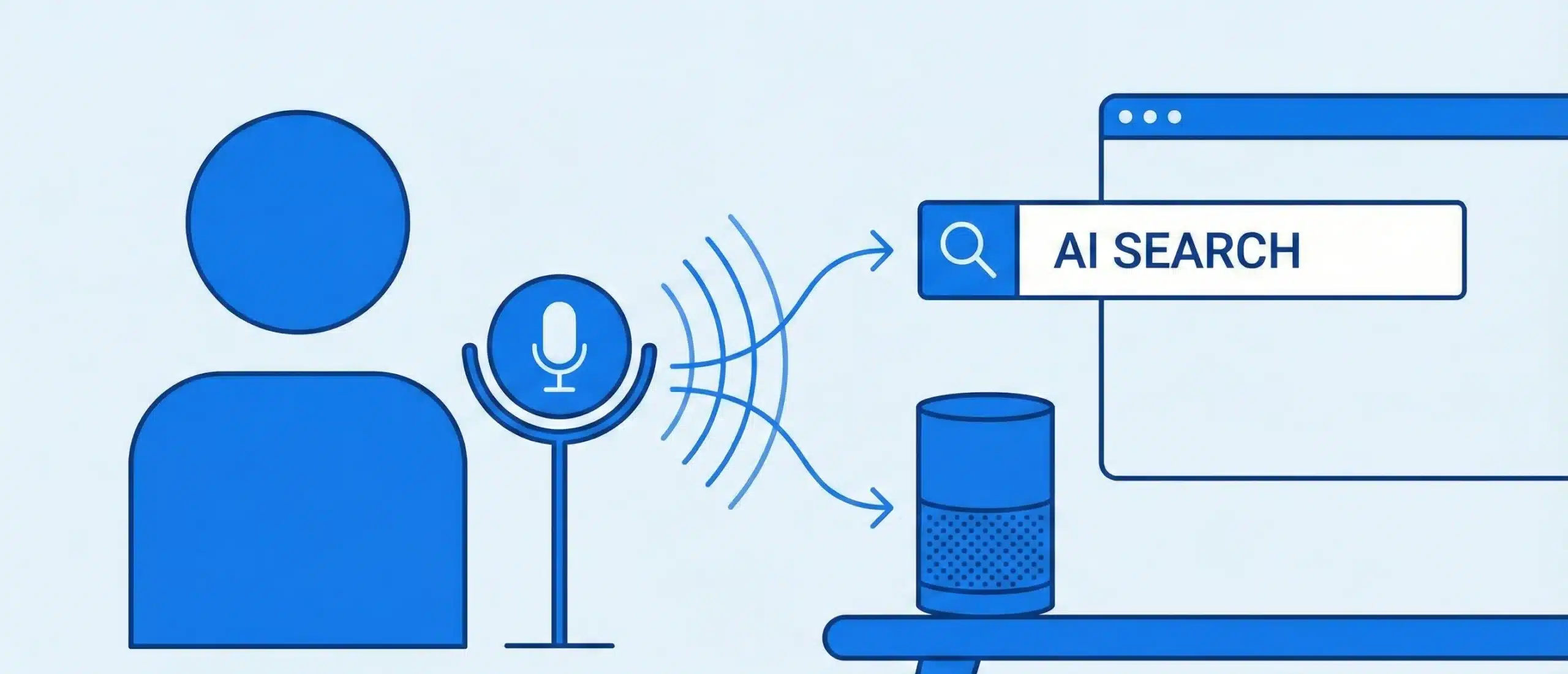
With the rise of AI assistants and smart devices, people are changing how they search for information. Instead of typing, many users ask questions directly to voice assistants like Alexa, Siri, and Google Assistant.
This means content needs to be optimized for conversational queries. For example, instead of just using the keyword “best marketing tools”, your content should also answer questions like:
- “What are the best marketing tools for small businesses in 2026?”
- “Which free tools can I use for social media marketing?”
Best Practice:
- Use long-tail keywords and natural, question-based language.
- Structure your content with headings, bullet points, and FAQs.
- Provide short, direct answers within your content so AI can easily pick them up.
Example: Adding an FAQ section at the end of your blog can increase your chances of appearing in People Also Ask boxes and AI-generated snippets.
4. Leverage Short-Form and Interactive Content
Attention spans are shorter than ever. In 2026, short-form and interactive content are leading the way.
- Short-form content like TikToks, Instagram Reels, and YouTube Shorts helps brands capture attention quickly.
- Interactive content such as polls, quizzes, and surveys increases engagement because people like to participate rather than just consume.
Example: A clothing brand could post a short video showing 3 outfit ideas in 30 seconds and then run a poll asking, “Which style do you love the most?”
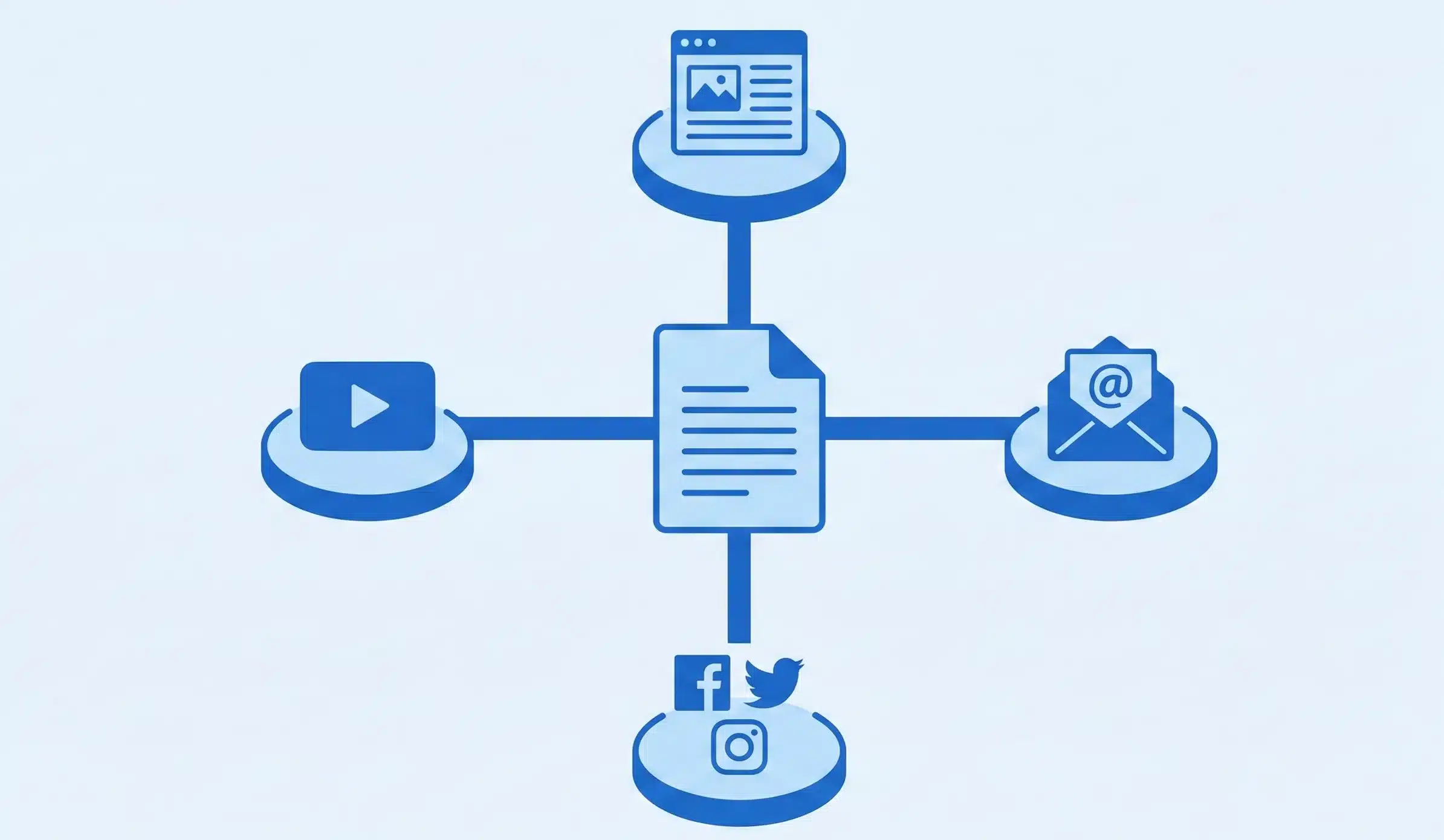
Best Practice: Repurpose long-form content into smaller, snackable formats. For example, a 2,000-word blog can be turned into:
- 3 short videos
- 5 infographics
- 10 social media posts
This way, you maximize reach without creating new content every time.
Related Articles:
5. Invest in Visual and Video-First Strategies
Video continues to dominate the internet in 2026. People spend more time watching videos than reading text. Platforms like YouTube, Instagram, LinkedIn, and even search engines favor video content.
But it’s not just video—visual content in general is powerful:
- Infographics make data easy to understand.
- Carousels are popular on LinkedIn and Instagram.
- Memes bring humor and relatability.
AI-generated visuals are also trending, but they must be used carefully to avoid looking artificial or losing authenticity.
Example: Instead of writing a 1,000-word article on “Marketing Trends,” you can create a video explaining the trends and then share infographics summarizing the key points.
Best Practice: Always combine visual elements with storytelling. Don’t just post a video—make sure it connects emotionally with your audience.
6. Embrace Content Distribution and Omnichannel Presence
Creating content is only half the job. The real challenge is getting it in front of the right people.
In 2026, smart marketers focus on distribution and omnichannel presence:
- Share your content across multiple platforms—blogs, social media, emails, communities.
- Partner with influencers or industry experts to expand reach.
- Keep your message consistent across all channels (brand voice, tone, and visuals).
Example: If you create a YouTube video, you can share clips on Instagram, embed it in a blog post, and promote it in your email newsletter.
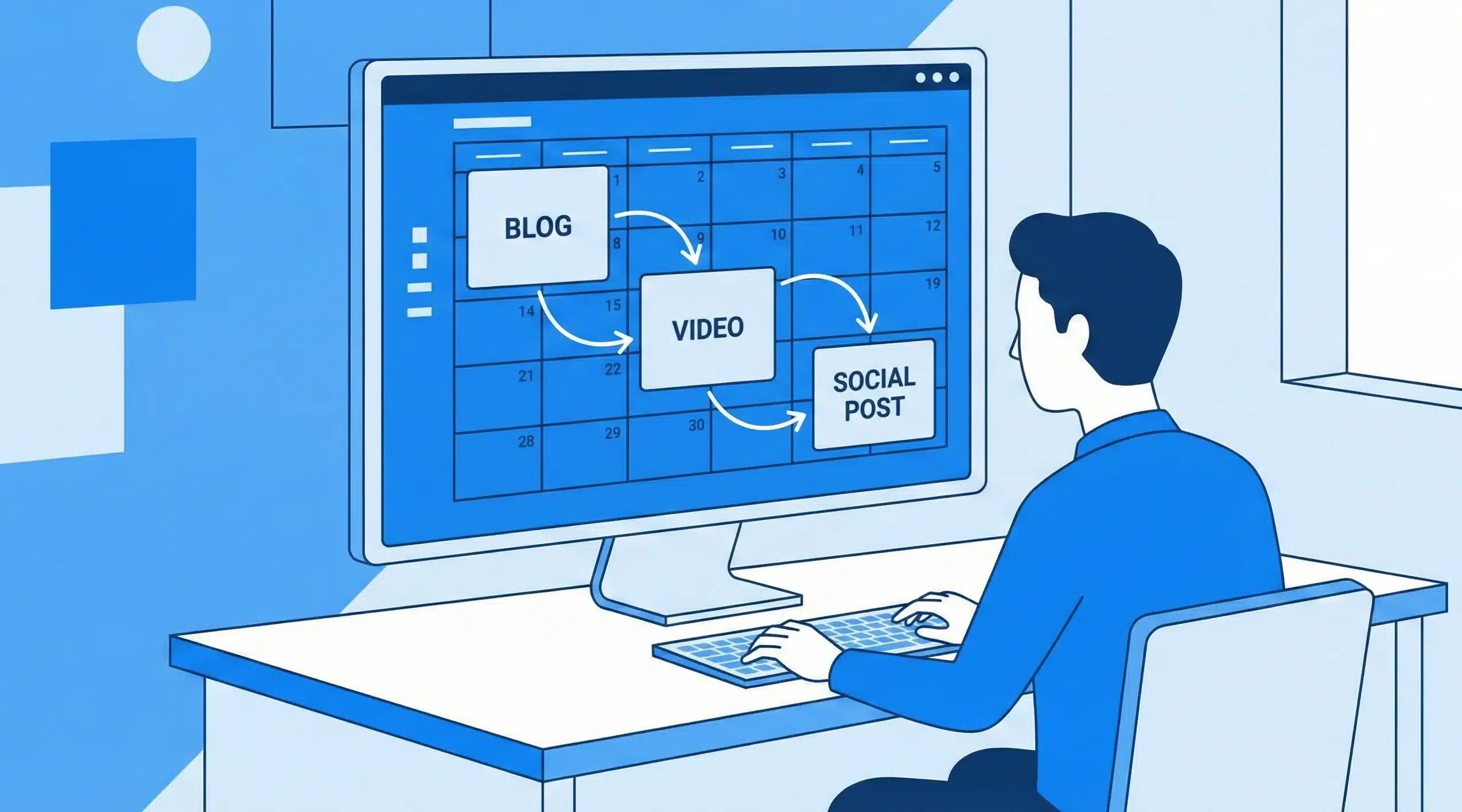
Best Practice: Build a content repurposing and distribution calendar so that each piece of content gets maximum visibility.
7. Measure Success With Smarter Analytics

In the past, marketers focused too much on vanity metrics like likes, impressions, or views. While these numbers look good, they don’t always show real business results.
In 2026, businesses need to measure success with smarter analytics:
- Track metrics like engagement rate, dwell time, conversions, and customer retention.
- Use AI-powered analytics tools for predictive insights.
- Connect content goals with business outcomes—like sales, leads, or brand awareness.
Example: Instead of saying “This video got 10,000 views,” ask “How many leads or sales did this video generate?”
Best Practice: Measure what really matters to your business, not just what looks impressive.
8. Keep Human Touch in the Age of AI
AI is everywhere in 2026, and it’s transforming content creation. But there’s one thing AI can’t fully replace—human creativity and authenticity.
Audiences can easily spot content that feels robotic or generic. That’s why the human touch is more important than ever.
Ways to keep your content human:
- Use storytelling and emotions.
- Share personal experiences or behind-the-scenes stories.
- Encourage user-generated content (UGC), where your customers create content for your brand.
Example: A café can share customer photos with their drinks instead of just AI-generated images. This feels real and builds trust.
Best Practice: Use AI as a tool to help with ideas, data, or formatting, but keep your brand voice, creativity, and authenticity at the center.
Conclusion
Content marketing in 2026 is about balance—balancing AI with human creativity, short-form with long-form, and quality with quantity.
Here are the 7 best practices to follow:
- Understand your audience with data-driven insights.
- Prioritize high-quality, value-driven content.
- Optimize for AI and voice search.
- Leverage short-form and interactive content.
- Invest in visual and video-first strategies.
- Embrace content distribution and omnichannel presence.
- Measure success with smarter analytics.
If you follow these practices, your content won’t just attract attention—it will build trust, drive results, and keep your brand relevant in the fast-changing digital world.