


Selecting the right marketing agency is one of the most important decisions a business can make. The challenge is not just finding agencies—but finding the right one that understands your goals, budget, and expectations. This is where a well-written Marketing Request for Proposal (RFP) becomes essential.

A Marketing RFP is a structured document that clearly explains your requirements, helping agencies submit relevant and comparable proposals. When done right, it removes ambiguity, improves proposal quality, and saves time for both your internal team and vendors.
This step-by-step guide walks you through exactly how to write a marketing RFP, from preparation to submission, so you can confidently evaluate agencies and choose the best-fit partner.
What is a Marketing Request for Proposal (RFP)?
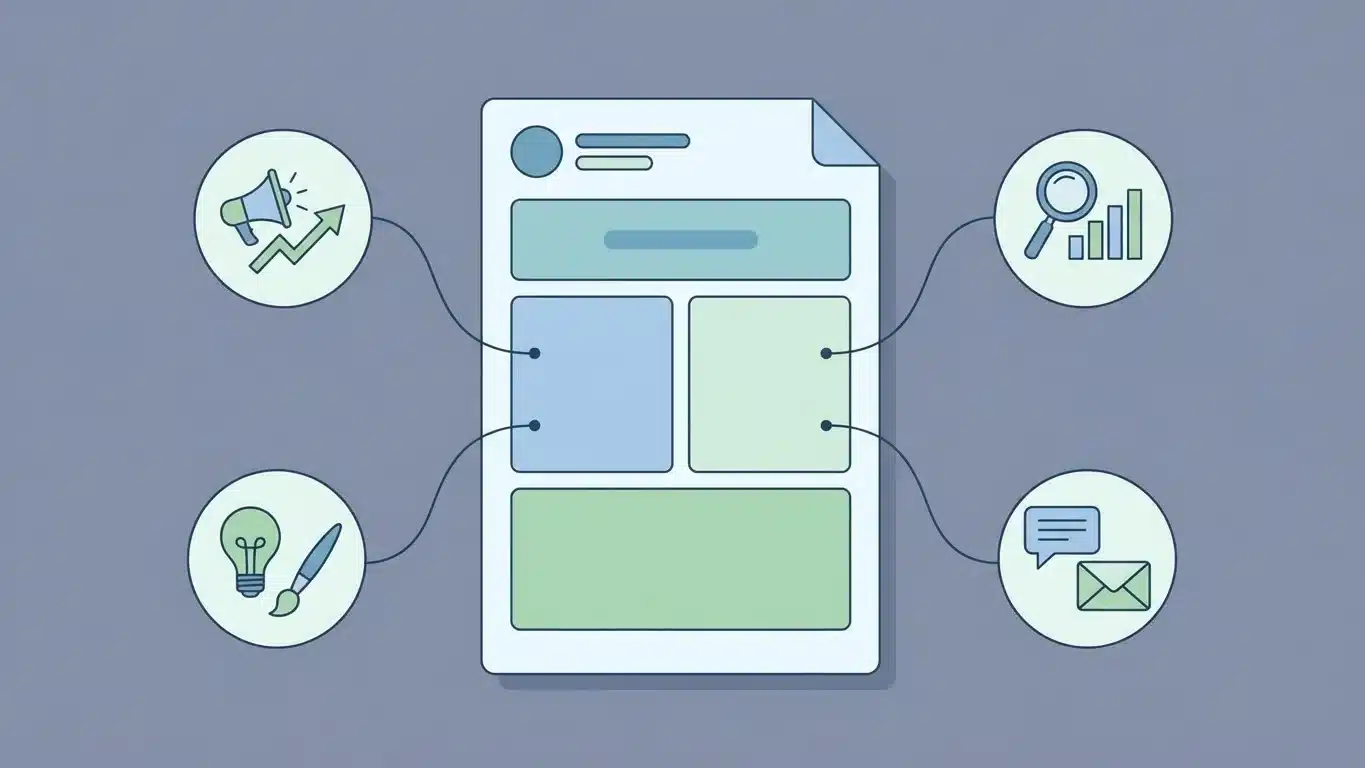
A Marketing Request for Proposal (RFP) is a formal document used by organizations to invite marketing agencies or vendors to submit proposals for a specific project or ongoing engagement. Its core purpose is to communicate expectations clearly and create a fair evaluation process.
Unlike informal quotes or discovery calls, an RFP standardizes information so proposals can be compared objectively.
Marketing teams use RFPs because marketing services involve:
- Strategy, creativity, and execution
- Measurable outcomes tied to business goals
- Long-term collaboration rather than one-off tasks
A key difference between marketing RFPs and technical RFPs is the creative component. While technical RFPs focus heavily on compliance and specifications, marketing RFPs evaluate strategic thinking, creativity, and problem-solving approaches alongside cost and experience.
Step-by-Step Guide To Write A Marketing Request For Proposal
Step 1: Prepare Your Company Information Section

This section introduces your organization and sets the context for vendors. Agencies use this information to tailor their proposals to your brand, culture, and industry.
Your company background should provide enough detail to help vendors understand who you are and why the project matters.
Include:
- Company overview and brief history
- Mission, vision, and core values
- Office locations and geographic presence (if relevant)
- Team size and internal marketing structure
- Website, social media profiles, and contact details
Why this matters:
- Vendors align their tone, strategy, and recommendations with your brand
- Agencies assess cultural fit and operational complexity
- It reduces generic, boilerplate responses
Best practice tip: Keep this section concise but informative—focus on relevance, not promotion.
Step 2: Define Your Project Background and Statement of Need
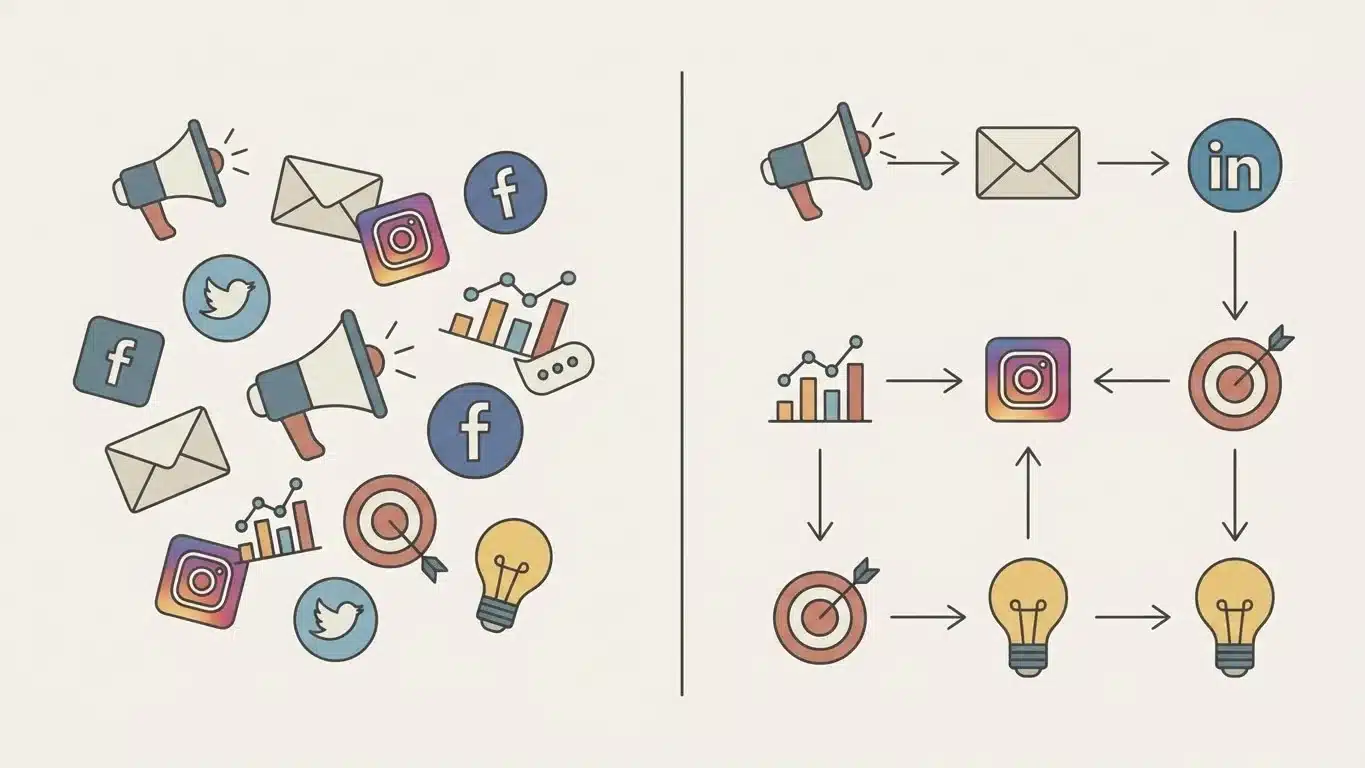
This section explains why you are issuing the RFP and what problem you are trying to solve.
A strong project background helps agencies understand your business challenges and propose realistic solutions.
Key elements to include:
- Clear problem statement
- Current marketing approach and limitations
- Desired future state
- Gap between current and desired outcomes
- Business or market factors driving the need
- Timeline urgency and constraints
Using the Who, What, When, Where, Why framework ensures clarity:
- Who is affected?
- What is not working?
- When does improvement need to happen?
- Where does the challenge exist (channels, markets)?
- Why is external support required?
Best practice tip: Be honest about challenges—agencies need accurate context to propose effective strategies.
Step 3: Outline Project Goals and Objectives

Goals define what success looks like. Without them, agencies cannot align strategies or measure outcomes.
Project objectives should be structured using the SMART framework:
- Specific
- Measurable
- Achievable
- Relevant
- Time-bound
Differentiate between:
- Primary objectives (core business goals)
- Secondary objectives (supporting outcomes)
Also define:
- Expected outcomes
- Key performance indicators (KPIs)
- Measurement methods
Common marketing success metrics include:
- Website traffic growth
- Lead generation volume
- Conversion rate improvements
- Brand awareness indicators
- Engagement metrics
Best practice tip: Avoid vague goals like “increase visibility”—define how much and by when.
Step 4: Specify the Scope of Work and Deliverables
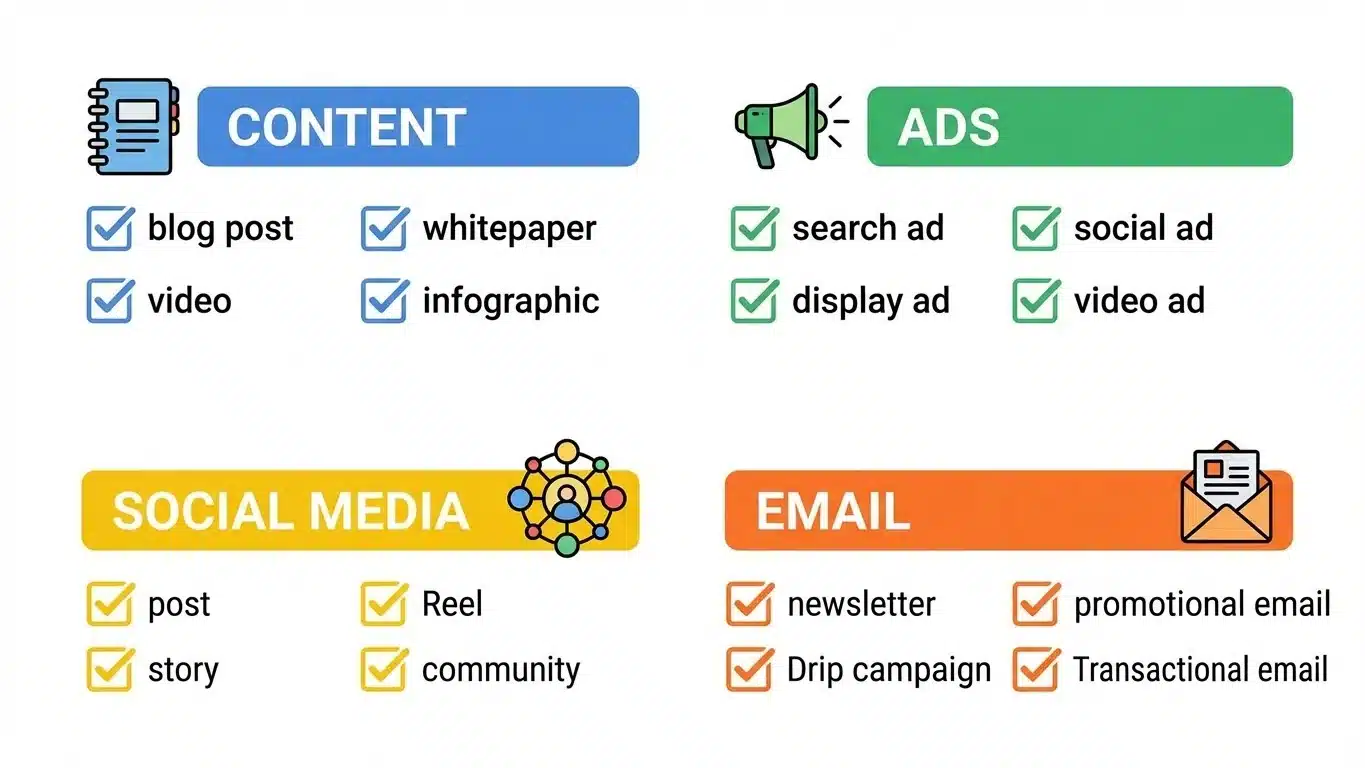
The scope of work (SOW) is one of the most critical parts of a marketing RFP. It defines exactly what the vendor is responsible for delivering.
A well-defined scope prevents misunderstandings, scope creep, and pricing confusion.
Include:
- Detailed list of required services
- Clear deliverables
- Quantity and frequency (e.g., monthly, quarterly)
- Channels involved (SEO, paid ads, social media, email, etc.)
- Responsibilities of both parties
Clearly distinguish:
- Must-have requirements
- Nice-to-have services
- Explicit out-of-scope items
Where possible, break the scope into phases or milestones to align expectations and timelines.
Best practice tip: Specific scopes lead to more accurate pricing and higher-quality proposals.
Step 5: Set Budget and Pricing Structure
Budget transparency is essential for attracting realistic and relevant proposals. Agencies need financial context to propose appropriate solutions.
Your RFP should clarify:
- Budget range or maximum allocation
- Flexibility (fixed vs negotiable)
- Preferred pricing model (hourly, monthly retainer, project-based)
- Payment terms and frequency
- What costs are included and excluded
Without budget clarity, agencies may:
- Overestimate or underestimate effort
- Propose misaligned solutions
- Decline to participate
Best practice tip: Transparent budgets save time and result in better-aligned proposals.
Step 6: Define Your Project Timeline
Timelines ensure accountability and help agencies assess feasibility.
This section should outline:
- Overall project duration
- Key milestones
- Expected kickoff date
- Review and reporting cycles
- Turnaround time expectations
Avoid vague timelines. Use specific calendar dates whenever possible.
Agencies rely on this information to:
- Allocate resources
- Assess workload capacity
- Build realistic implementation plans
Best practice tip: Clear timelines prevent missed expectations and delivery delays.
Step 7: Create Evaluation Criteria and Scoring Rubric
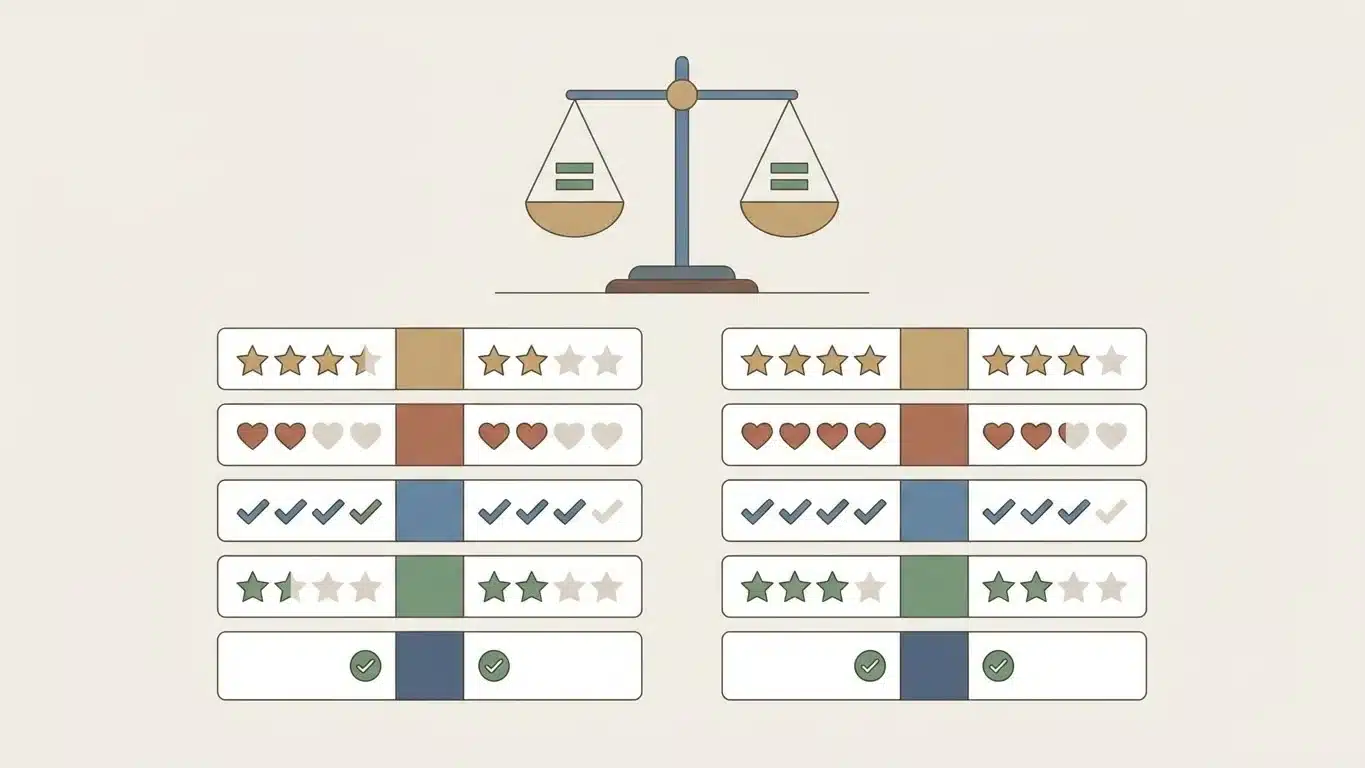
Evaluation criteria define how proposals will be assessed and compared. This ensures objectivity and fairness in the selection process.
Your scoring framework should include:
- Evaluation categories
- Weight assigned to each factor
- Clear scoring definitions
- Non-negotiable requirements
Example weighted factors may include:
- Relevant experience
- Strategic approach
- Pricing and value
- Team structure
- Timeline feasibility
Define how scores will be interpreted to maintain consistency across reviewers.
Best practice tip: Sharing evaluation criteria improves proposal quality and transparency.
Step 8: Develop Clear Submission Requirements
Submission requirements ensure proposals are easy to review and compliant.
Specify:
- Accepted file formats
- Page or word limits
- Mandatory sections
- File naming conventions
- Submission method
- Deadline and time zone
- Confirmation of receipt process
Clear requirements reduce:
- Incomplete submissions
- Disqualification issues
- Review delays
Best practice tip: Specific instructions reduce confusion and improve compliance.
Step 9: Craft Detailed RFP Questions
Well-designed questions help you assess vendor suitability and compare proposals objectively.
Company Qualifications Questions
- Years in business and relevant experience
- Similar project case studies
- Team structure and key roles
- Client references
- Certifications and partnerships
Solution & Approach Questions
- Proposed strategy for your goals
- Methodology and workflow
- Tools and platforms used
- Measurement and reporting approach
- Implementation timeline
Team & Resources Questions
- Primary point of contact
- Team member expertise
- Use of subcontractors
- Capacity and availability
Best practice tip: Close-ended questions simplify scoring and comparison.
Step 10: Include Vendor Information and Questions Section
This section allows vendors to provide additional context about their organization and offerings.
Request information on:
- Company background
- Service overview
- Key features and differentiators
- Product or service roadmap
- Support and customer success processes
- Data security and compliance
- Legal and NDA requirements
This helps assess long-term partnership potential and operational fit.
Step 11: Set Up the RFP Timeline and Instructions
The RFP timeline defines the entire procurement process from release to contract start.
Include:
- RFP issue date
- Vendor question deadline
- Proposal submission deadline
- Evaluation and decision date
- Contract negotiation period
- Project start date
Providing a clear timeline helps vendors plan resources and submit stronger proposals.
Best practice tip: Allow at least 2–3 weeks for proposal preparation.
Step 12: Provide Proposal Requirements and Submission Instructions
This section consolidates final proposal expectations.
Specify:
- Required format (single PDF preferred)
- Cover letter requirements
- Executive summary expectations
- Detailed proposal sections
- Appendices and supporting materials
- Submission contact details
- Confirmation process
Clear instructions ensure consistency and streamline evaluation.
Marketing RFP Best Practices and Tips
Following best practices ensures your RFP attracts qualified, engaged vendors.
Key tips:
- Be specific and detailed
- Use clear formatting and headings
- Engage internal stakeholders early
- Provide market and competitive context
- Use consistent templates
- Allow a vendor Q&A period
- Set realistic expectations
- Prioritize requirements clearly
Conclusion
Writing a marketing RFP is not just an administrative task—it’s a strategic investment. A clear, detailed RFP leads to better proposals, faster evaluations, and stronger agency partnerships.
By following this 12-step process, you ensure clarity, alignment, and measurable outcomes from the start. Taking the time to create a comprehensive RFP ultimately delivers higher ROI and reduces long-term risk.

Passionate about blogging and focused on elevating brand visibility through strategic SEO and digital marketing. Always tuned in to the latest trends, I’m dedicated to maximizing engagement and delivering measurable ROI in the dynamic world of digital marketing. Let’s connect and unlock new opportunities together!