


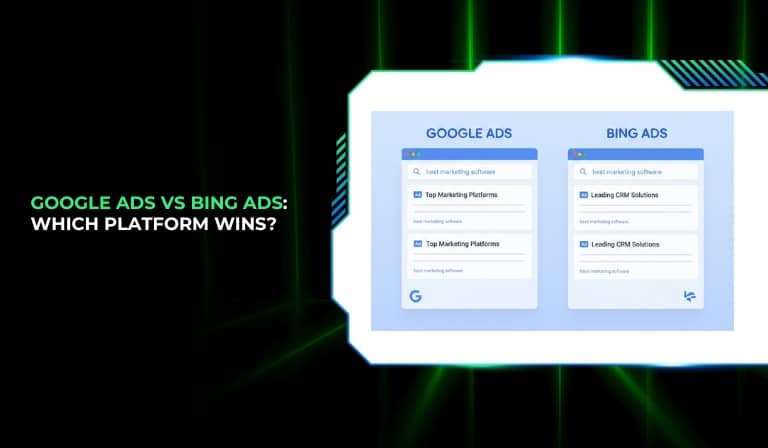
Paid search advertising remains one of the most reliable ways for businesses to generate leads, sales, and visibility online. In 2026, two platforms continue to dominate this space: Google Ads and Bing Ads. While Google Ads has long been the market leader, Bing Ads has evolved into a strong alternative, especially for certain audiences and industries.

With rising ad costs, stronger AI-driven automation, and changing user behavior, businesses are now asking an important question: which platform actually delivers better results in 2026? This blog provides a detailed, side-by-side comparison to help you make the right decision based on reach, cost, targeting, performance, and business goals.
What Are Google Ads and Bing Ads?
What Is Google Ads?
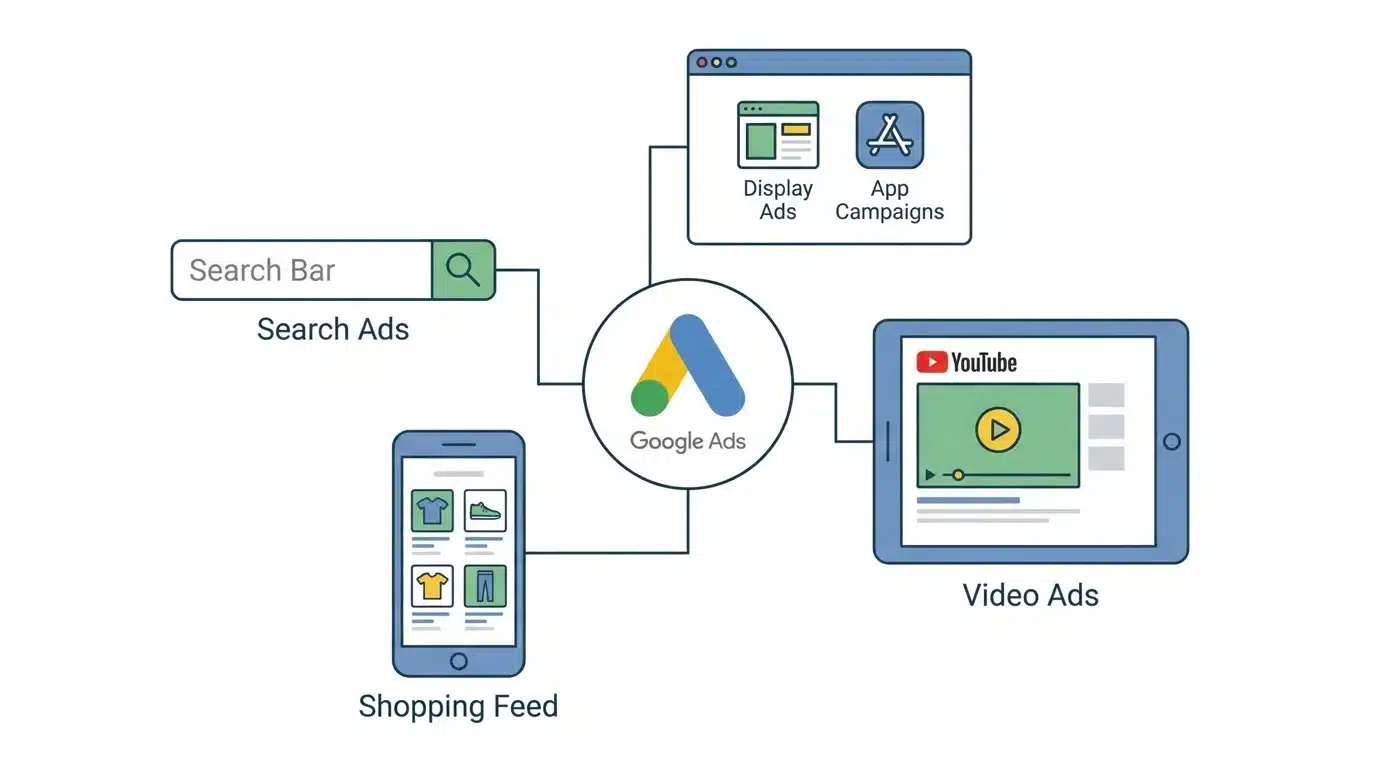
Google Ads is Google’s online advertising platform that allows businesses to show ads across Google’s ecosystem. These ads appear when users search for specific keywords or browse websites, watch videos, or use apps connected to Google.
Google Ads primarily works on a pay-per-click (PPC) model, where advertisers pay only when someone clicks on their ad.
Key characteristics of Google Ads include:
- Ads appear on Google Search, Google Display Network, YouTube, Gmail, and Shopping results
- Strong focus on intent-based advertising
- Advanced automation and bidding powered by machine learning
Google Ads is widely used by businesses of all sizes, from local service providers to global brands.
What Is Bing Ads (Microsoft Advertising)?
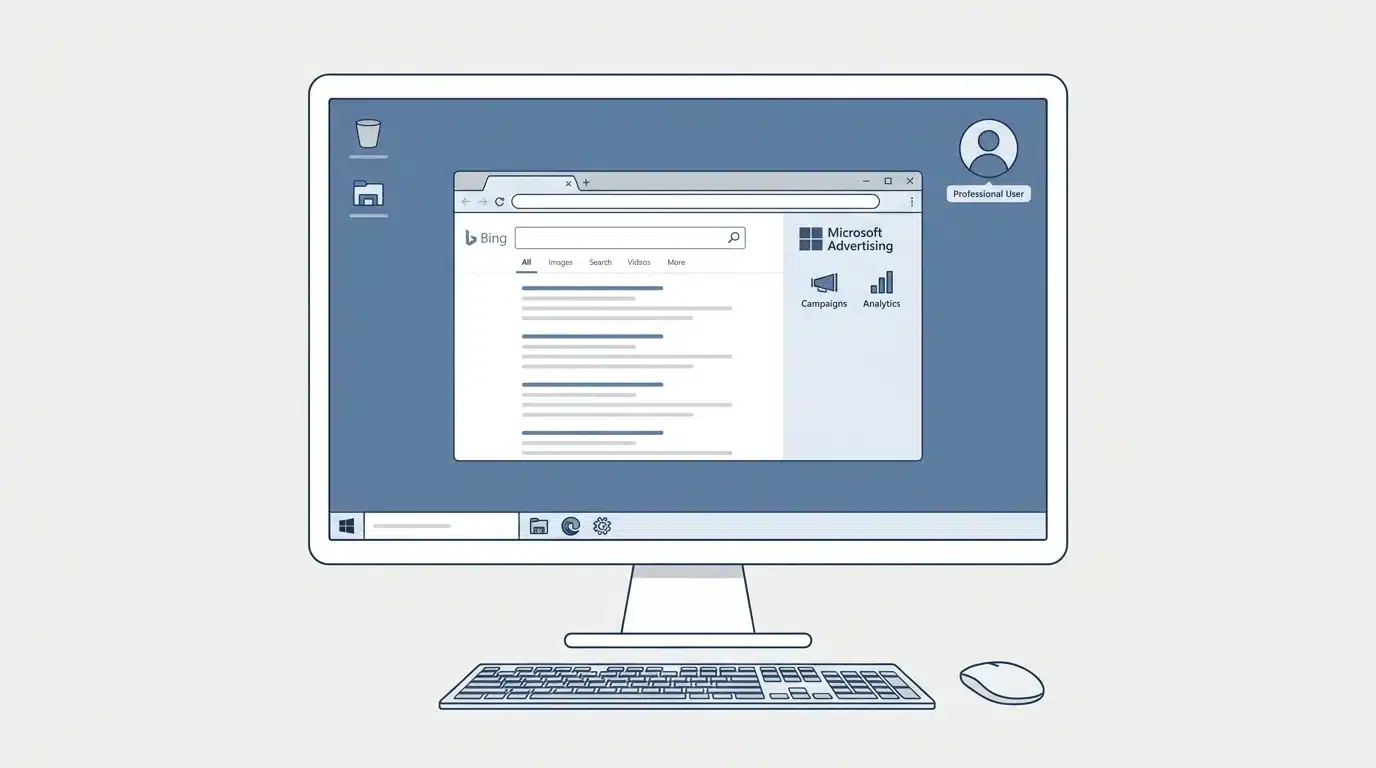
Bing Ads, officially known as Microsoft Advertising, is Microsoft’s paid advertising platform. It allows businesses to show ads across the Microsoft Search Network.
These ads appear on:
- Bing search engine
- Yahoo search
- DuckDuckGo (via syndicated partnerships)
- Microsoft-owned platforms and partner sites
Bing Ads also operates on a PPC model and offers many features similar to Google Ads, but with different audience reach and cost dynamics.
Bing Ads is commonly used by businesses targeting desktop users, professionals, and B2B decision-makers.
Market Share and Reach in 2026
Google Ads Reach
Google Ads benefits from Google’s dominant position in the global search engine market. Google processes billions of searches daily across mobile and desktop devices.
Important reach factors include:
- Strong presence on mobile devices
- Deep integration with Android smartphones
- Massive visibility through Google Search and YouTube
- Global reach across almost every country
Because of this scale, Google Ads offers unmatched exposure, making it ideal for businesses that want high visibility and fast scaling.
Bing Ads Reach
Bing Ads has a smaller search market share compared to Google, but its reach remains valuable and consistent.
Key reach advantages include:
- Strong desktop usage, especially on Windows devices
- Default search engine on Microsoft Edge
- Integration with Windows OS and Microsoft products
- Stable user base with less fluctuation
While Bing Ads does not match Google’s volume, it reaches a distinct audience that often shows strong purchase intent.
Audience Demographics: Who Are You Reaching?
Google Ads Audience Profile
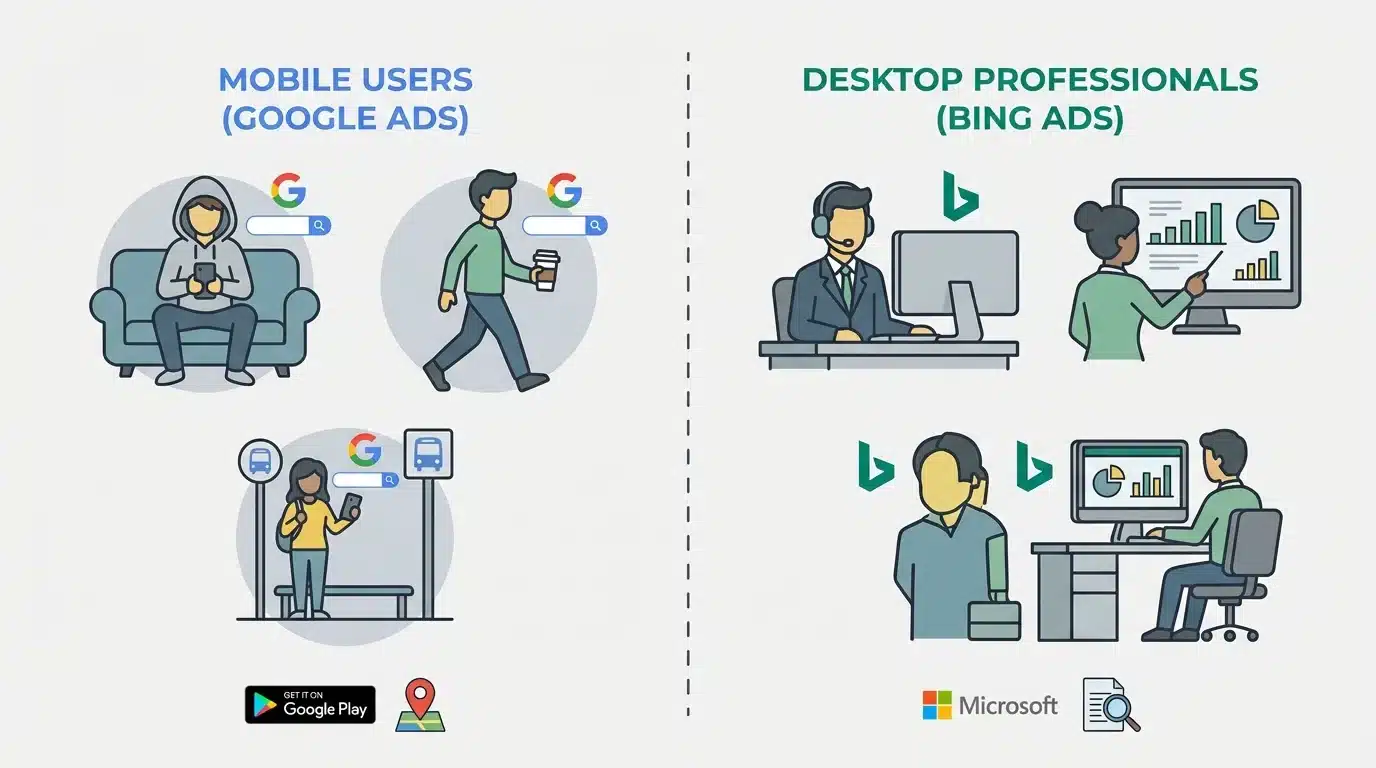
Google Ads reaches a very broad and diverse audience. Users range across age groups, income levels, and intent types.
Common characteristics include:
- High mobile usage
- Mix of informational, navigational, and transactional intent
- Strong presence of younger users and daily consumers
- Effective for B2C, local services, and eCommerce
Because of this variety, Google Ads works well for businesses looking for volume and brand exposure.
Bing Ads Audience Profile
Bing Ads attracts a more specific and often higher-value audience.
Typical audience traits include:
- Higher average age compared to Google users
- More desktop usage
- Strong representation of professionals and decision-makers
- Higher household income on average
This makes Bing Ads especially effective for B2B companies, enterprise services, and high-ticket offerings.
Cost Comparison: Google Ads vs Bing Ads
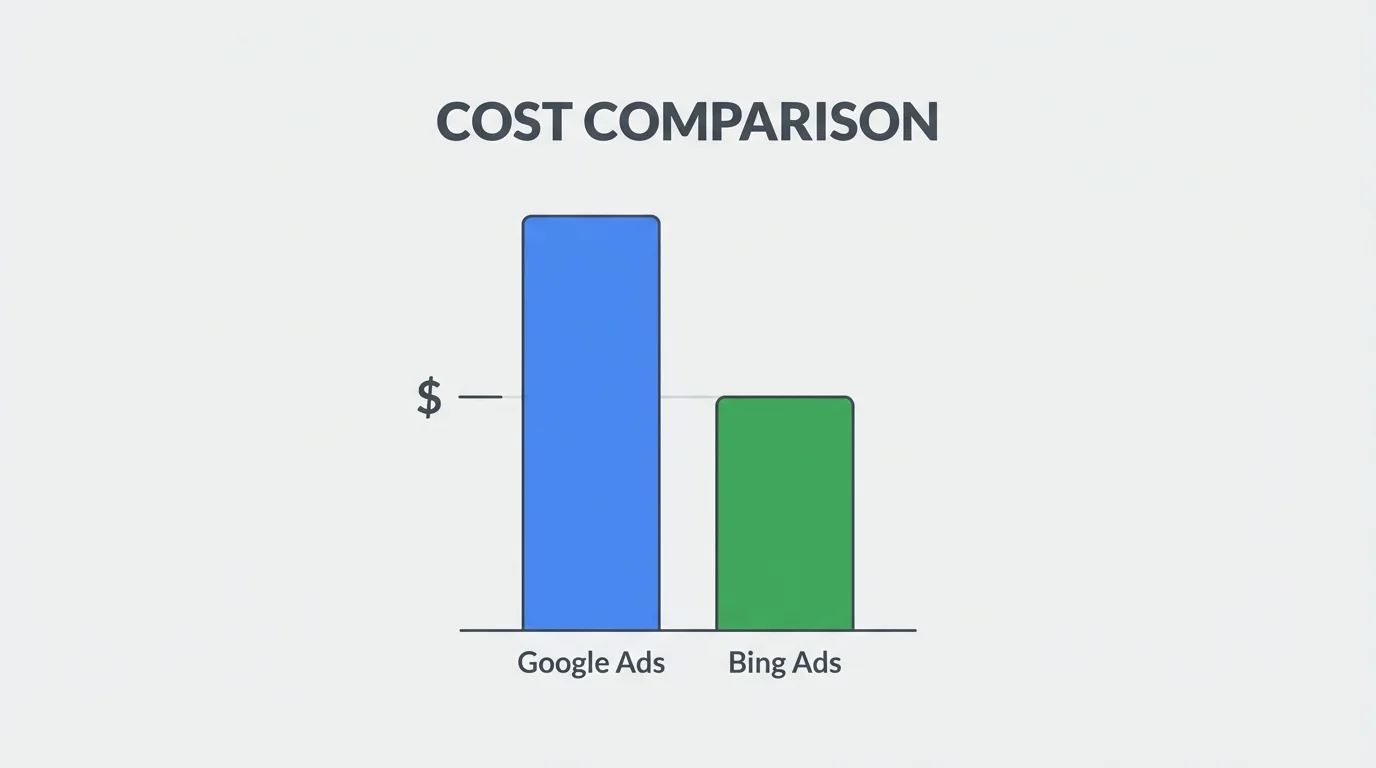
Cost-Per-Click (CPC) on Google Ads
Google Ads generally has higher CPCs due to intense competition. Many businesses bid on the same high-intent keywords, which drives costs upward.
Cost-related factors include:
- Competitive industries such as finance, real estate, SaaS, and legal
- High advertiser demand for top search positions
- Advanced bidding strategies that optimize for conversions
While costs are higher, advertisers often accept this due to the scale and reach Google provides.
Cost-Per-Click (CPC) on Bing Ads
Bing Ads typically offers lower CPCs compared to Google Ads.
Reasons for lower costs include:
- Fewer advertisers competing for keywords
- Lower overall search volume
- More stable bidding environment
For businesses with limited budgets or niche audiences, Bing Ads can deliver strong ROI without aggressive spending.
Performance Metrics That Matter
Click-Through Rate (CTR)
CTR measures how often users click on an ad after seeing it.
Key performance observations:
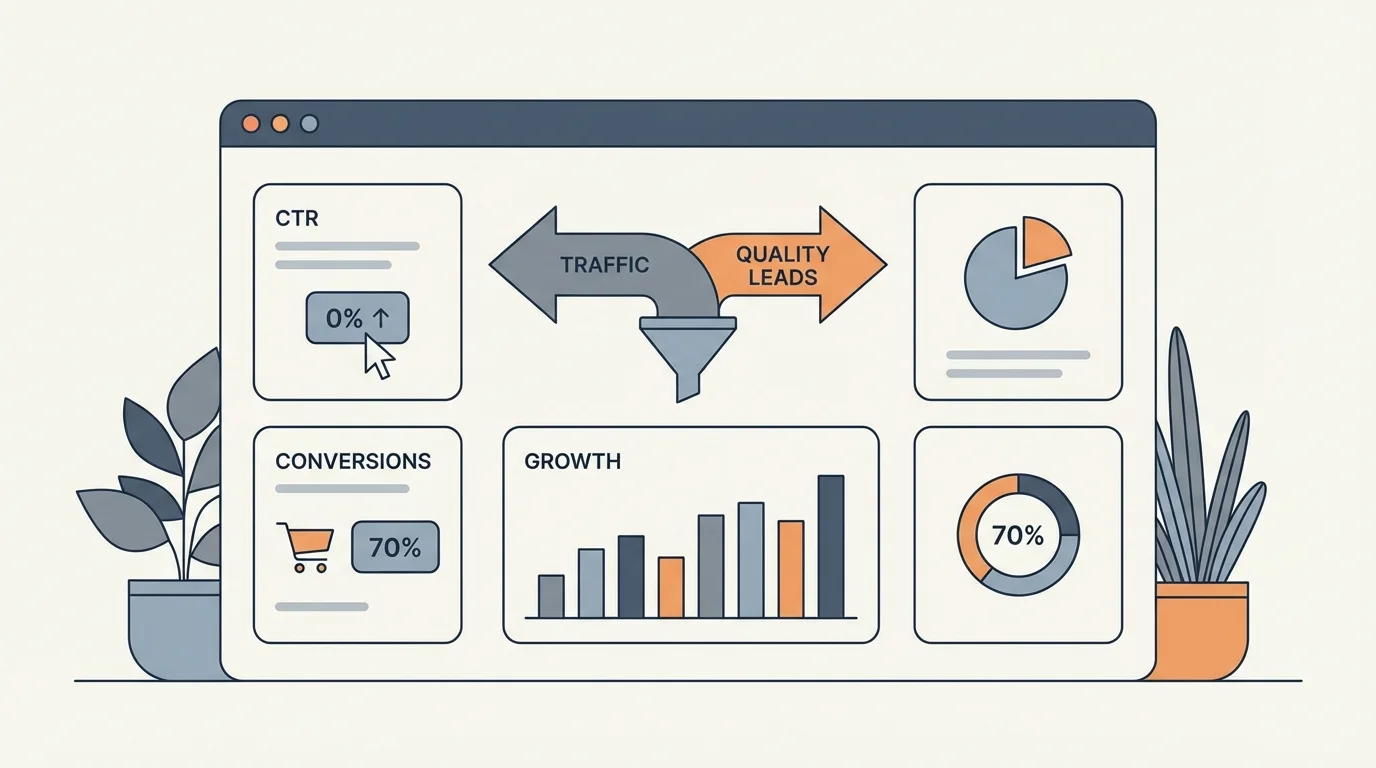
- Google Ads may have lower CTR in competitive industries due to ad saturation
- Bing Ads often sees higher CTR because users encounter fewer ads
- Less competition on Bing can improve visibility and engagement
CTR performance depends heavily on ad relevance, targeting, and industry.
Conversion Rate and Lead Quality
Conversion rate reflects how effectively clicks turn into actions such as purchases or inquiries.
Important differences include:
- Google Ads delivers higher traffic volume
- Bing Ads often delivers more qualified leads
- Bing users may take longer to convert but show stronger intent
For lead-focused campaigns, quality often matters more than quantity.
Targeting Capabilities Compared
Targeting Options in Google Ads
Google Ads offers advanced targeting options supported by large data sets.
Key targeting capabilities include:
- In-market and affinity audiences
- Custom intent audiences
- Location, language, device, and time targeting
- Automated bidding based on conversion goals
Google’s AI optimizes campaigns continuously using performance signals.
Targeting Options in Bing Ads
Bing Ads provides unique targeting features not available on Google Ads.
Notable capabilities include:
- LinkedIn profile targeting (job title, industry, company)
- Device-level bid adjustments
- Location and demographic targeting
- Strong remarketing options
LinkedIn-based targeting gives Bing Ads a strong advantage in B2B advertising.
Ad Formats and Campaign Types
Ad Formats Available on Google Ads
Google Ads supports a wide range of campaign types.
Available formats include:
- Search ads
- Display ads
- Shopping ads
- Video ads on YouTube
- Performance Max campaigns
This variety allows advertisers to build full-funnel marketing strategies on one platform.
Ad Formats Available on Bing Ads
Bing Ads offers fewer formats but focuses on search and native placements.
Common formats include:
- Search ads
- Shopping ads
- Native ads
- Multimedia ads
These formats are effective for advertisers who prioritize search intent and controlled spending.
AI, Automation, and Smart Bidding in 2026
Google Ads AI & Automation
Google Ads relies heavily on machine learning to manage bids, placements, and creatives.
AI-driven features include:
- Smart bidding strategies
- Automated ad creation
- Performance Max optimization
- Predictive conversion modeling
Automation reduces manual effort but requires trust in the system.
Bing Ads AI & Automation
Bing Ads integrates AI through Microsoft’s ecosystem.
Key automation features include:
- AI-assisted keyword suggestions
- Automated bid strategies
- Ad copy generation support
- Copilot-assisted campaign insights
Bing Ads offers automation with more manual control compared to Google.
Ease of Use and Campaign Management
Google Ads Interface and Learning Curve
Google Ads offers powerful tools but can be complex.
Common challenges include:
- Frequent interface updates
- Advanced settings that require expertise
- Steeper learning curve for beginners
It is better suited for experienced advertisers or managed accounts.
Bing Ads Interface and Import Options
Bing Ads focuses on simplicity and accessibility.
Ease-of-use advantages include:
- Cleaner dashboard
- Easier navigation
- One-click Google Ads campaign import
This makes Bing Ads easier to manage for smaller teams.
Best Platform by Business Type
Best for Small Businesses
Small businesses must balance cost and results.
Key considerations:
- Google Ads offers reach but higher costs
- Bing Ads offers cost efficiency and stable performance
Budget-conscious businesses often benefit from testing Bing Ads first.
Best for B2B and Enterprise Companies
B2B campaigns focus on lead quality and decision-makers.
Platform strengths include:
- Bing Ads’ LinkedIn targeting
- Higher-quality professional traffic
- Better alignment with enterprise buying cycles
Bing Ads is often more effective for B2B lead generation.
Best for eCommerce Brands
eCommerce success depends on visibility and conversions.
Platform comparison:
- Google Ads excels in Shopping and remarketing
- Bing Ads supports Shopping ads at lower cost
Most eCommerce brands benefit from running both platforms together.
Pros and Cons of Google Ads
Pros
Key advantages include:
- Massive reach and visibility
- Advanced automation and AI
- Multiple ad formats for full-funnel marketing
Cons
Limitations include:
- High CPCs
- Intense competition
- Requires ongoing optimization and expertise
Pros and Cons of Bing Ads
Pros
Key advantages include:
- Lower CPCs
- Less competition
- Strong B2B targeting capabilities
Cons
Limitations include:
- Smaller audience size
- Limited reach compared to Google
Google Ads vs Bing Ads: Side-by-Side Comparison
- Google Ads offers maximum reach and scalability
- Bing Ads offers cost efficiency and targeted precision
- Google excels in volume, Bing excels in value
- Both platforms support AI-driven optimization
Which Platform Wins in 2026?
When Google Ads Is the Clear Winner
Google Ads is the better choice when:
- You need large-scale visibility
- You target mobile-heavy audiences
- You want aggressive growth and brand exposure
When Bing Ads Is the Smarter Choice
Bing Ads is the better option when:
- You want lower costs
- You target professionals or B2B audiences
- You focus on lead quality over volume
Why Using Both Platforms Is Often the Best Strategy
Using both platforms allows businesses to:
- Diversify ad spend
- Reduce dependency on one channel
- Capture different audience segments
- Improve overall ROI
Conclusion
There is no single winner for every business in 2026. Google Ads remains the leader in reach and scale, while Bing Ads delivers strong value, especially for B2B and cost-sensitive campaigns. The best choice depends on your business goals, audience, and budget. For many advertisers, a combined strategy offers the most balanced and reliable results.
Frequently Asked Questions (FAQs)
1. Is Google Ads better than Bing Ads in 2026?
Google Ads is better for reach and scale, while Bing Ads is better for cost efficiency and targeted audiences. Google Ads delivers higher traffic volume, whereas Bing Ads often delivers more qualified and less expensive clicks. The better platform depends on your business goals and budget.
2. Which platform has lower advertising costs: Google Ads or Bing Ads?
Bing Ads generally has lower cost-per-click compared to Google Ads. This is mainly because there is less competition on Bing’s search network. However, actual costs vary by industry, keyword competition, and campaign setup.
3. Is Bing Ads worth using for small businesses?
Yes, Bing Ads can be worth using for small businesses, especially those with limited budgets. Lower competition and lower CPCs make it easier for small businesses to test paid search without high upfront costs.
4. Which platform is better for B2B marketing?
Bing Ads is often better for B2B marketing because it offers LinkedIn profile targeting, including job titles, industries, and companies. This makes it easier to reach decision-makers and professionals compared to broader targeting on Google Ads.
5. Can I run Google Ads and Bing Ads at the same time?
Yes, many businesses run both platforms together. Using Google Ads and Bing Ads at the same time helps diversify ad spend, reach different audience segments, and reduce dependence on a single advertising channel.
6. Does Bing Ads work the same way as Google Ads?
Both platforms operate on a pay-per-click model and use keyword-based targeting. However, the interfaces, audience reach, targeting options, and automation features differ. Bing Ads also allows easy import of campaigns from Google Ads.
7. Which platform delivers better conversion rates?
Conversion rates depend on industry, audience, and campaign setup. Google Ads often delivers more conversions due to higher traffic volume, while Bing Ads may deliver higher-quality leads with stronger intent, especially for B2B campaigns.
8. Is Google Ads more difficult to manage than Bing Ads?
Google Ads has more advanced features and automation, which can make it more complex to manage. Bing Ads generally has a simpler interface and is easier for beginners, especially when importing campaigns from Google Ads.
9. Do Bing Ads show ads on Google?
No, Bing Ads do not show ads on Google. Bing Ads display ads on the Microsoft Search Network, including Bing, Yahoo, DuckDuckGo (via partnerships), and Microsoft-owned properties.
10. Which platform should I start with if I am new to PPC?
If budget is limited and your audience aligns with Bing’s demographics, starting with Bing Ads can be easier and more cost-effective. If your goal is rapid visibility and large-scale reach, Google Ads may be the better starting point.

Passionate about blogging and focused on elevating brand visibility through strategic SEO and digital marketing. Always tuned in to the latest trends, I’m dedicated to maximizing engagement and delivering measurable ROI in the dynamic world of digital marketing. Let’s connect and unlock new opportunities together!