


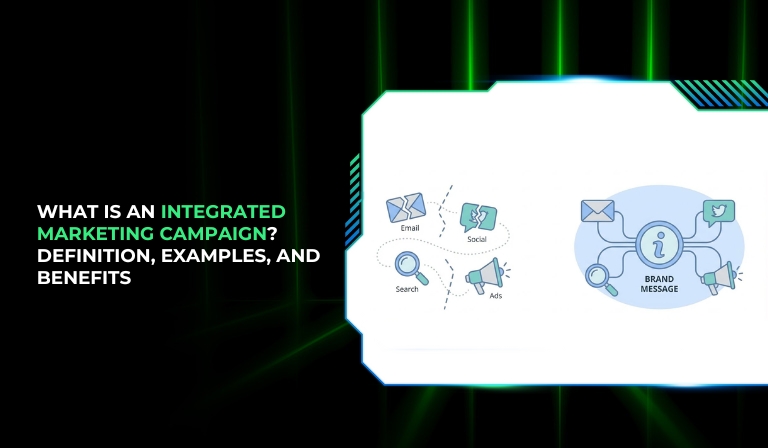
Modern marketing no longer happens in a single place. Customers discover brands through social media, search engines, emails, websites, advertisements, and even offline channels. Because of this fragmentation, relying on just one marketing channel often leads to missed opportunities and inconsistent brand experiences.
Traditional single-channel marketing limits a brand’s ability to stay visible throughout the customer journey. When messages differ across platforms, customers become confused, trust weakens, and conversions suffer.
This is where integrated marketing campaigns provide a solution. They bring all marketing channels together under one unified strategy, ensuring consistent messaging, coordinated execution, and better results.
In this article, you will learn what an integrated marketing campaign is, how it works, its key components, real-world examples, benefits, types, channels, metrics, tools, best practices, and how to build one step by step.
What Is An Integrated Marketing Campaign?
An integrated marketing campaign is a unified and cohesive marketing approach that delivers a consistent brand message across multiple marketing channels.
Instead of running isolated campaigns on individual platforms, integrated marketing ensures that all channels work together toward shared objectives.
Key principles include:
- Consistent messaging across all customer touchpoints
- Unified brand voice and positioning
- Coordinated execution across platforms
Unlike single-channel marketing, integrated marketing focuses on alignment rather than independence.
Key Characteristics
Integrated marketing campaigns share several defining characteristics that ensure consistency and effectiveness.
- Multi-channel coordination: Online and offline channels work together instead of operating separately
- Synchronized messaging: Visuals, tone, and communication remain aligned
- Integrated data tracking: Customer interactions are tracked across channels
- Unified objectives: All activities support the same business and campaign goals
Integrated Marketing vs. Similar Concepts
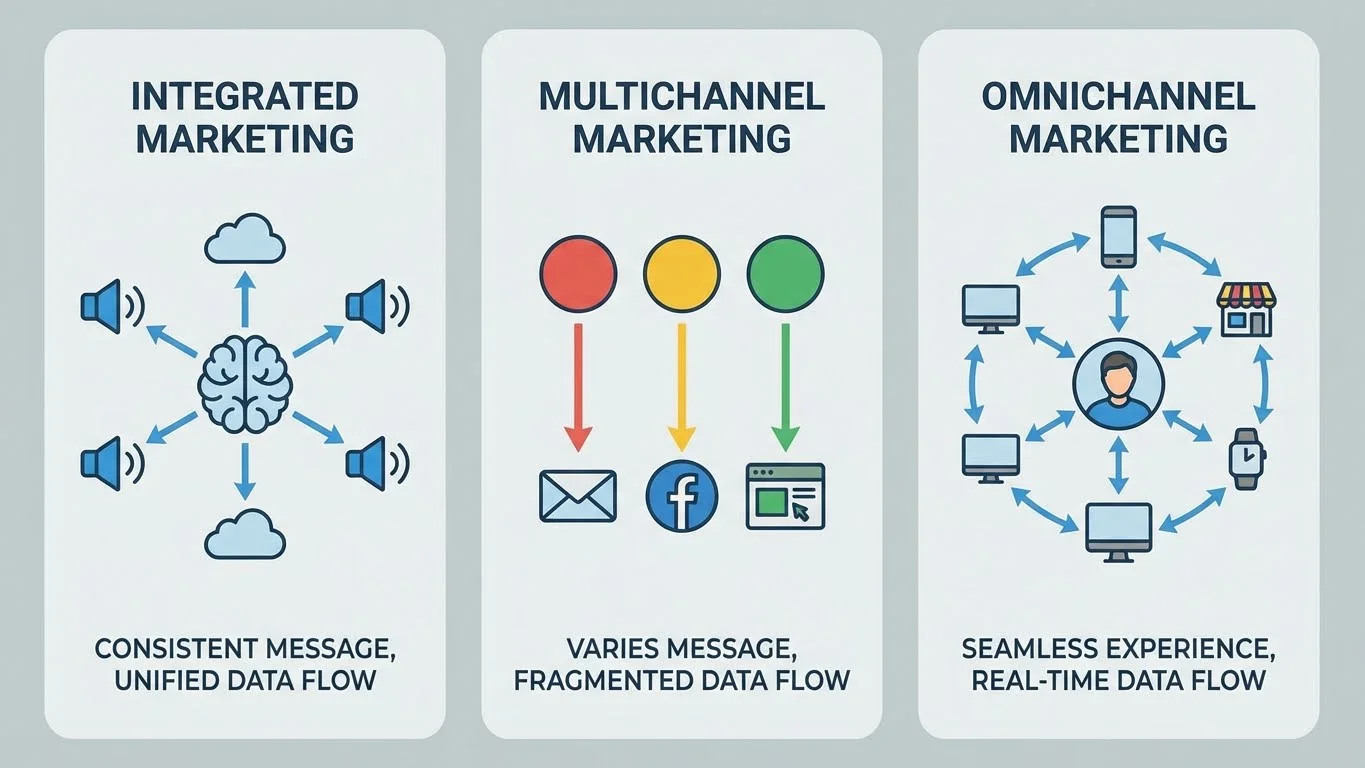
Integrated marketing is often confused with other multi-channel approaches, but there are clear differences.
- Integrated Marketing vs. Multichannel Marketing: Multichannel marketing uses multiple platforms independently, while integrated marketing ensures consistency across all channels.
- Integrated Marketing vs. Omnichannel Marketing: Omnichannel focuses heavily on seamless customer experience, while integrated marketing focuses on unified messaging and coordination.
- Integrated Marketing vs. Cross-Channel Marketing: Cross-channel connects platforms, but integrated marketing goes further by fully aligning data, messaging, and goals.
A quick comparison shows that integrated marketing emphasizes unity and coordination, not just presence.
Key Components of an Integrated Marketing Campaign
Consistent Messaging
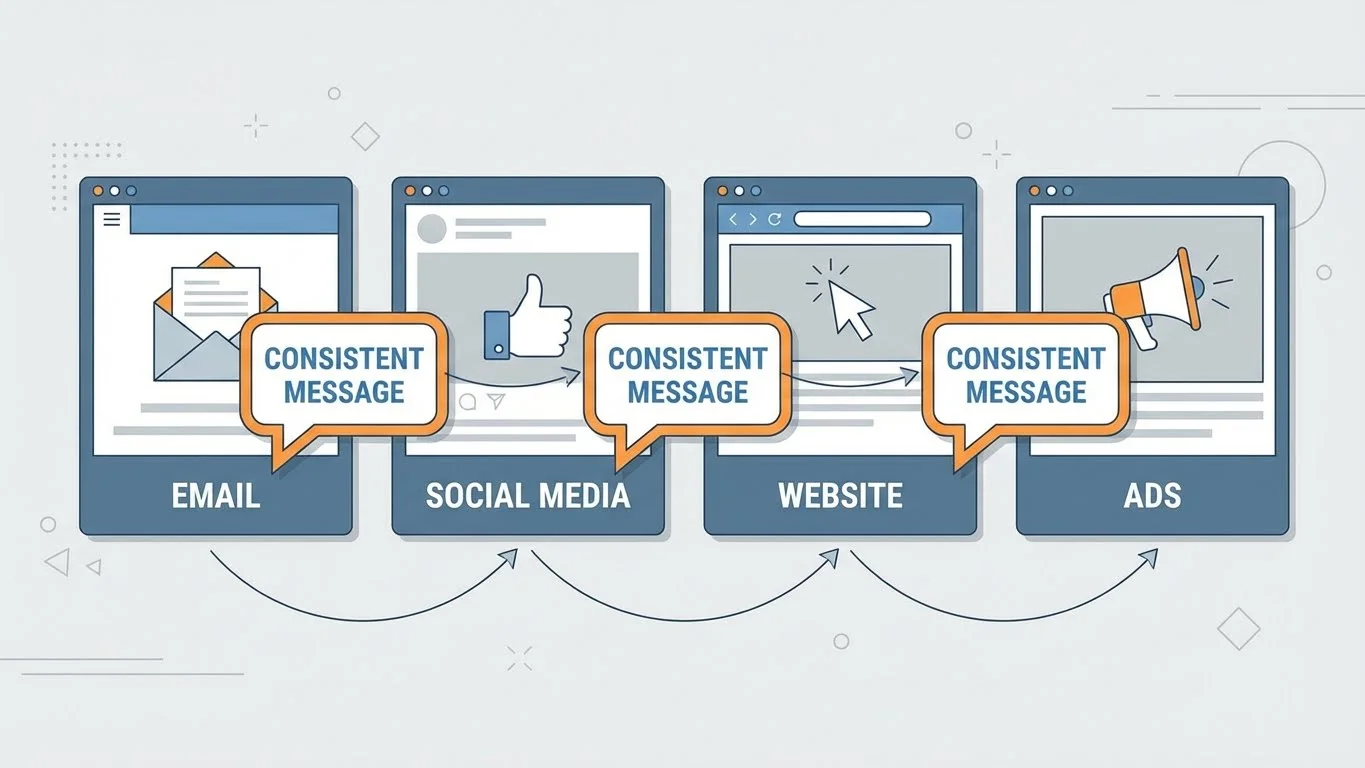
Consistent messaging ensures that the brand communicates the same core idea everywhere.
The message remains unchanged, even though the tone or format may adapt to the platform.
- A single core brand message across platforms
- Channel-specific tone adaptation without altering meaning
- Clear brand voice and messaging guidelines
For example, a campaign built around “Simplify Your Life” communicates ease and convenience through ads, emails, blogs, and social posts without changing the core promise.
Multi-Channel Approach
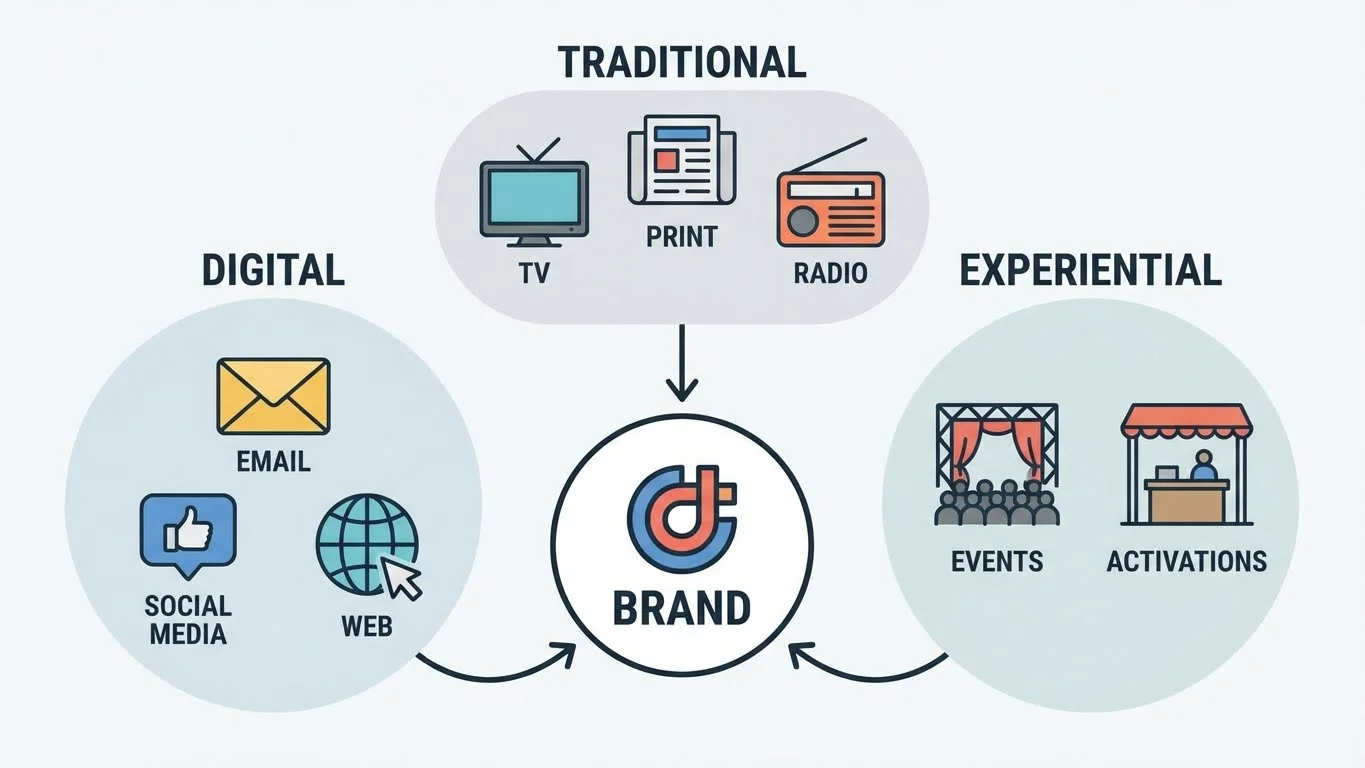
Integrated marketing uses multiple channels based on where the target audience is most active.
- Digital Channels: Email, social media, SEO, PPC, content marketing, landing pages
- Traditional Channels: TV, radio, print advertising, direct mail
- Experiential Channels: Events, sponsorships, in-person interactions
Channel selection depends on audience behavior, preferences, and campaign goals.
Unified Visual Identity
Visual consistency strengthens brand recognition and recall.
- Consistent use of brand colors, logos, typography, and imagery
- Design standards maintained across all platforms
- Strong visual identity builds familiarity and trust
Coordinated Timing and Sequencing
Timing plays a crucial role in campaign effectiveness.
- Defined campaign timeline and launch strategy
- Synchronized publishing schedules across channels
- Sequential messaging aligned with the customer journey
Each message supports the next stage of engagement.
Data Integration and Tracking
Data integration ensures visibility into customer behavior across platforms.
- Real-time data collection across touchpoints
- Customer journey mapping
- Unified performance measurement
This allows better optimization and informed decision-making.
Benefits of Integrated Marketing Campaigns
Increased Reach and Brand Visibility
Using multiple channels increases exposure and audience reach.
- Access to diverse audience segments
- Greater visibility through multiple touchpoints
- Brands using three or more channels experience significantly higher purchase rates
For example, a customer may see a brand through search results, social media, and email simultaneously.
Consistent Brand Recognition and Trust
Consistency builds familiarity and emotional connection.
- Stronger brand recall
- Increased trust through repeated messaging
- Clear market positioning
Customers recognize the brand regardless of the platform.
Improved Customer Experience
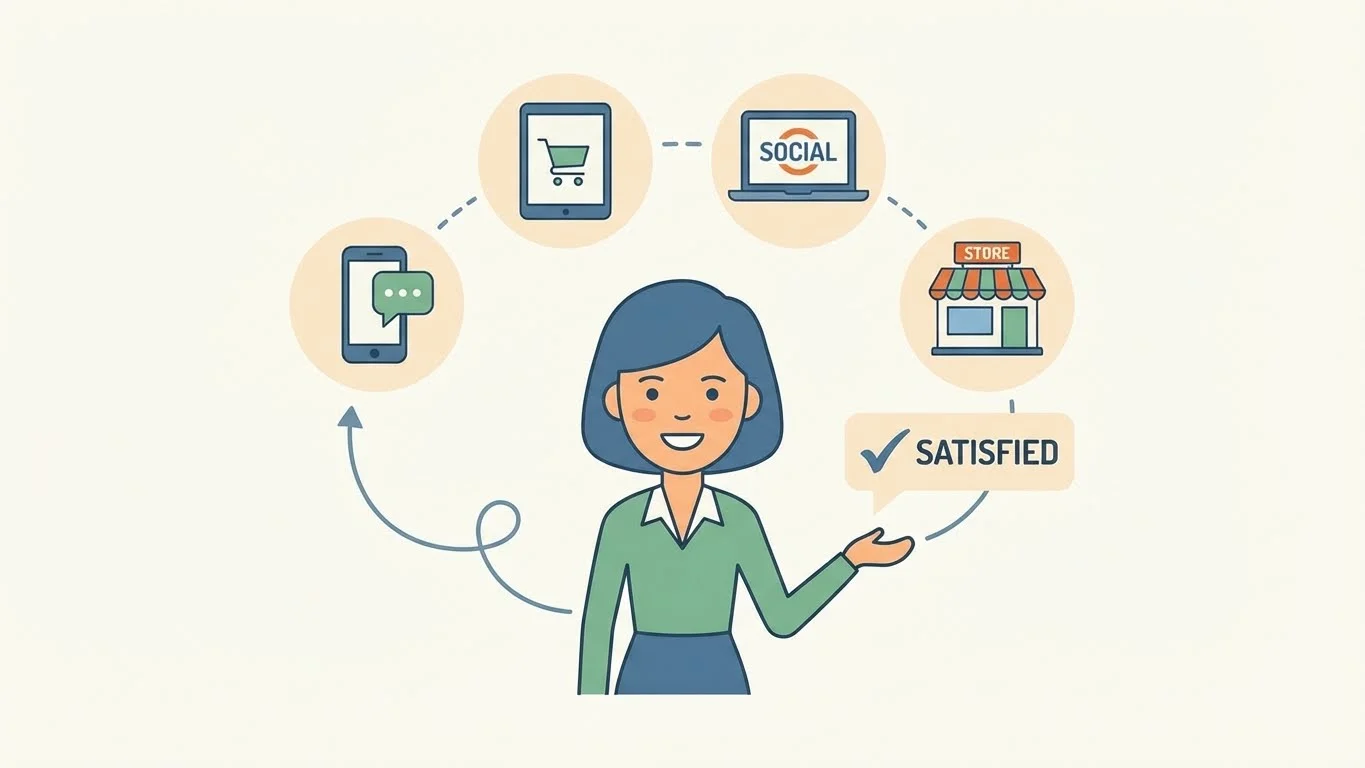
Integrated campaigns provide a seamless customer journey.
- Unified experience across touchpoints
- Reduced confusion from conflicting messages
- Personalization based on customer behavior
For example, a cart abandonment email combined with retargeted ads and a follow-up call creates continuity.
Higher ROI and Conversion Rates
Integration reduces inefficiencies and improves performance.
- Better budget utilization
- Reduced duplication of efforts
- Higher conversion probability through repeated exposure
Reusing content with minor adaptations across platforms increases ROI.
Enhanced Data and Insights
Integrated campaigns provide deeper visibility into performance.
- Comprehensive customer interaction data
- Real-time insights
- Identification of high-performing channels
Stronger Brand Authority and Credibility
Consistency establishes authority.
- Valuable content across platforms
- Thought leadership positioning
- Trust through unified communication
Efficient Resource Utilization
Integrated execution saves time and cost.
- Content repurposing
- Reduced redundancy
- Streamlined workflows
Types of Integrated Marketing Campaigns
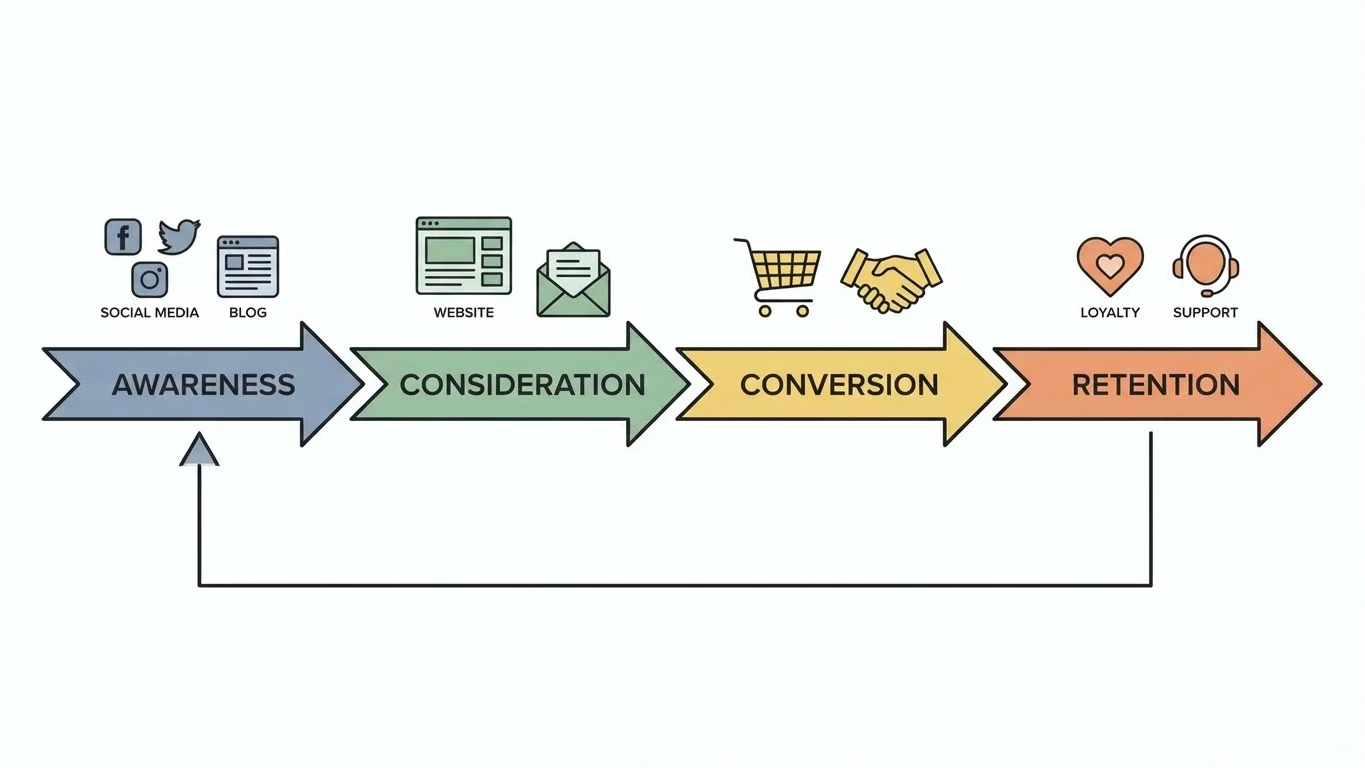
Awareness Campaigns
- Objective: Build recognition
- Channels: Social media, traditional media, PR
- Example: New brand launch
Lead Generation Campaigns
- Objective: Capture leads
- Channels: Content marketing, email, landing pages, ads
- Example: Webinar promotion
Conversion Campaigns
- Objective: Drive actions
- Channels: Email, retargeting ads, testimonials
- Example: Flash sales
Retention and Loyalty Campaigns
- Objective: Customer retention
- Channels: Email, loyalty programs, social media
- Example: VIP offers
Top Marketing Channels for Integrated Campaigns
Email Marketing
- Direct communication
- Personalization and segmentation
- High ROI
Social Media (Organic and Paid)
- Engagement through organic content
- Expanded reach via paid ads
- Platform-specific strategies
Search Engine Optimization (SEO)
- Long-term organic traffic
- Keyword-aligned messaging
- Content integration
Pay-Per-Click (PPC) Advertising
- Immediate visibility
- Targeted reach
- Goal alignment
Content Marketing
- Blogs, videos, infographics, podcasts
- Authority building
- SEO benefits
Traditional Marketing
- TV, radio, print
- Broad audience reach
Direct Mail
- Physical engagement
- Personalization
Event Marketing
- Face-to-face interaction
- Brand experiences
Public Relations
- Media coverage
- Credibility building
Word-of-Mouth and Referral Marketing
- Customer advocacy
- Authentic growth
How to Build an Integrated Marketing Campaign: Step-by-Step Guide
Step 1: Define Clear Goals and Objectives
- SMART goals
- Business alignment
Step 2: Understand Your Target Audience
- Segmentation
- Customer journey mapping
Step 3: Develop Your Core Brand Message
- Universal message
- Value proposition
Step 4: Select the Right Marketing Channels
- Audience behavior analysis
- Budget planning
Step 5: Plan and Create Content
- Content calendar
- Format variety
Step 6: Establish Clear Channel Goals
- Channel-level KPIs
- Benchmarks
Step 7: Ensure Consistent Visuals and Branding
- Design guidelines
- Visual consistency
Step 8: Coordinate Timing and Promotion
- Timeline planning
- Sequential messaging
Step 9: Implement and Monitor
- Campaign launch
- Real-time tracking
Step 10: Analyze and Optimize
- Performance evaluation
- Continuous improvement
Common Integrated Marketing Campaign Mistakes to Avoid
Inconsistent Messaging
- Causes confusion
- Weakens trust
Choosing Wrong Channels
- Leads to wasted spend
- Low engagement
Lack of Coordination
- Creates execution gaps
- Missed opportunities
Poor Data Integration
- Limits insights
- Reduces optimization
Ignoring Mobile Optimization
- Hurts user experience
- Reduces conversions
Overly Complex Campaigns
- Execution challenges
- Budget inefficiency
Key Metrics and KPIs for Measuring Success
Awareness Metrics
- Impressions
- Reach
- Website traffic
Engagement Metrics
- CTR
- Social engagement
- Email open rates
Conversion Metrics
- Leads
- Conversion rates
- Cost per acquisition
Retention Metrics
- Customer lifetime value
- Repeat purchases
ROI Metrics
- ROAS
- Overall ROI
Best Practices for Integrated Marketing Campaigns
Start with Clear Strategy
- Document goals
- Plan execution
Maintain Brand Consistency
- Use style guides
- Regular reviews
Leverage Automation
- Email automation
- Social scheduling
Optimize for Each Channel
- Platform-specific formats
- Native content
Focus on Customer Journey
- Touchpoint mapping
- Funnel alignment
Test and Iterate
- A/B testing
- Ongoing optimization
Use Tools and Technology
- Automation platforms
- CRM systems
- Analytics tools
Tools and Platforms for Managing Integrated Campaigns
Campaign Management
- Project management tools
- Marketing automation platforms
- Content calendars
Social Media
- Scheduling tools
- Analytics platforms
Email Marketing
- Email platforms
- Segmentation tools
Analytics and Data
- Analytics platforms
- CRM systems
Content Creation
- Design tools
- Video and writing software
Conclusion
Integrated marketing campaigns bring together multiple channels under one unified strategy, ensuring consistent messaging, better customer experience, and stronger performance. They help brands achieve higher reach, improved ROI, better insights, and long-term trust.
In today’s multi-platform environment, integrated marketing is no longer optional. Consistency across channels builds credibility, strengthens brand recognition, and drives measurable results.
To get started, audit your current marketing efforts, select three to five core channels, define a clear message, and build a coordinated campaign framework that can scale over time.

Passionate about blogging and focused on elevating brand visibility through strategic SEO and digital marketing. Always tuned in to the latest trends, I’m dedicated to maximizing engagement and delivering measurable ROI in the dynamic world of digital marketing. Let’s connect and unlock new opportunities together!