


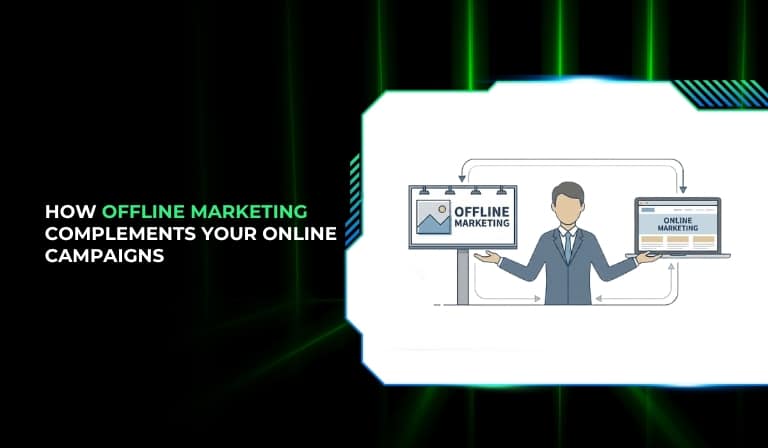
Many businesses assume that in a digital-first world, online marketing alone is enough to drive growth. In reality, customers still live, move, and make decisions in a physical world shaped by print, events, local communities, and real-life experiences. When offline and online marketing work together, brands create a more memorable, trustworthy, and seamless journey that supports discovery, consideration, and purchase across channels.
This blog explores how offline marketing can actively complement your online campaigns. It follows a structured path: understanding your offline audience, the benefits of integrating channels, specific offline tactics that drive online results, practical tracking methods, and best practices, challenges, and future trends. The goal is to help you build a hybrid marketing ecosystem where street-level touchpoints and screen-level interactions reinforce each other instead of competing.
Understanding Your Offline Audience

This section explains who your offline audience is, why some people still prefer offline touchpoints, and what that means for your marketing strategy.
Many customers still rely heavily on offline channels such as TV, radio, local events, print, or in‑store visits, even if they occasionally use the internet. Common patterns within this group include older demographics, people with lower digital literacy, and those who simply prefer human interaction or tangible experiences over screens. For these segments, offline interactions often feel more trustworthy, easier to understand, and less overwhelming than navigating websites or apps.
While some offline-first customers may not actively seek to be online, they still influence digital behavior through word-of-mouth, referrals, and conversations with more digitally active friends or family. That means an effective offline experience can indirectly drive online searches, branded queries, and purchases. For marketers, the implication is clear: treating “offline” as a secondary or irrelevant audience overlooks both direct revenue and powerful referral potential.
The Core Benefits of Integrating Offline and Online Marketing
This section outlines why integrating offline and online channels creates stronger brand impact than using either in isolation.
Building Trust Through Multi-Channel Presence
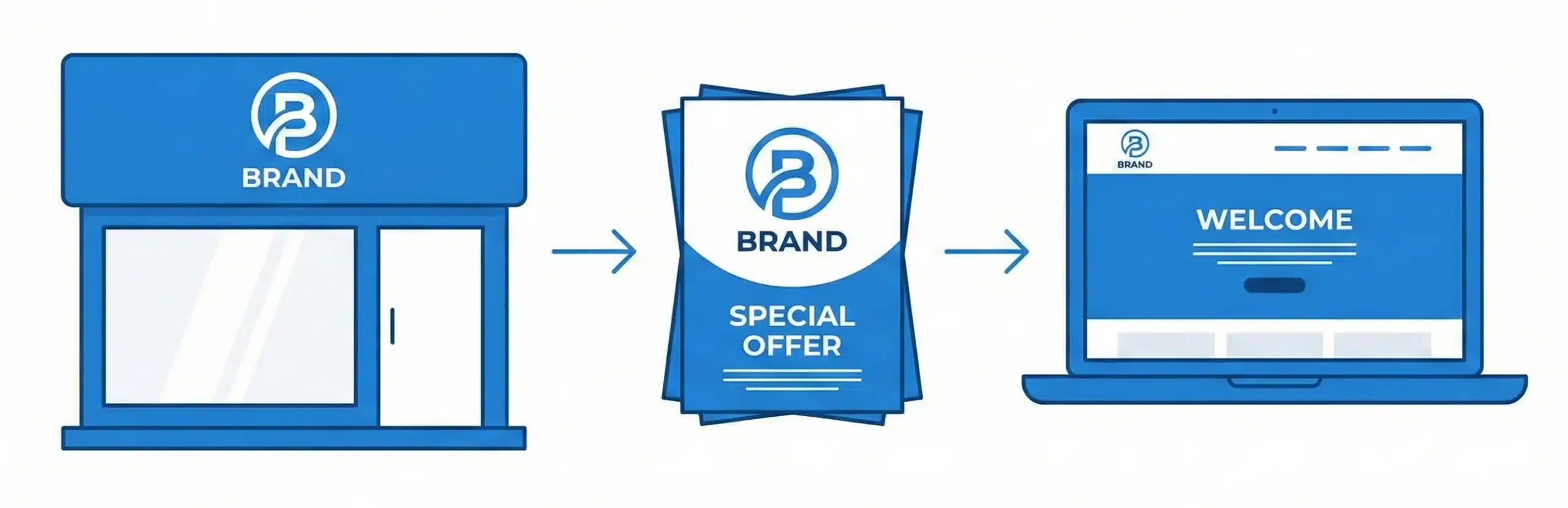
Combining offline and online channels signals stability, legitimacy, and familiarity. Customers who see the same brand across billboards, events, print, and social media or search results are more likely to believe the company is established and credible. That familiarity reduces perceived risk when they finally decide to click an ad, submit a form, or complete an online purchase.
Offline touchpoints also create richer sensory and emotional experiences. A conversation at a booth, a product demo at a pop-up, or physical materials like samples and brochures can leave a deeper impression than a single digital ad. When customers then encounter the same brand online, the prior offline experience makes them more receptive to your message and more willing to engage.
Expanding Your Addressable Market
Not all potential buyers are heavy internet users, and not all purchase journeys start online. Offline channels allow you to reach people who don’t regularly search, scroll, or shop on the web. That includes older audiences, people in regions with weaker connectivity, or those who prefer to research and buy in more traditional ways.
At the same time, offline experiences can act as a bridge to your digital ecosystem. Someone may discover a brand at a local event, read about it in a trade magazine, or see a flyer in-store, then later search for the brand name, visit the website, or follow a social account. Integrating offline with online expands your top-of-funnel reach while still capturing conversions and lifetime value through digital channels.
Improving Customer Data and Insights
When offline and online campaigns are connected, you gain a fuller picture of customer behavior. Offline efforts become another valuable source of data: which event channels bring the most engaged visitors, which local campaigns generate branded search activity, or which direct mail segments translate into repeat online buyers.
By feeding this information into your CRM and analytics systems, you can refine your audience segments, adjust messaging, and allocate budget more effectively. Over time, the combination of offline and online data reveals which multi-touch paths are most profitable, helping you design more effective integrated campaigns instead of optimizing each channel in isolation.
Proven Offline Marketing Strategies That Drive Online Traffic
This section covers specific offline tactics that can be intentionally designed to support and amplify your online campaigns.
Communication and Media Objectives
Communication-focused offline tactics center on getting your brand into the publications and channels your target customers already trust. These placements can directly or indirectly steer audiences toward your digital presence.
- Industry trade publications
Featuring your brand in niche magazines, journals, or newsletters exposes you to readers who may be highly qualified but not actively searching online. Clear references to your website, branded search terms, or landing pages turn that attention into digital traffic. - Industry thought leaders and interviews
Appearing in interviews, expert columns, or Q&As positions your team as authorities. When audiences hear your insights through offline channels, they are more likely to look you up online, connect on social platforms, or download your resources. - Industry product catalogs
Listings in printed catalogs or buyer’s guides keep your brand visible during purchasing cycles. Including website URLs, QR codes, or campaign-specific offers in these materials encourages readers to learn more or place orders digitally. - Direct mail lists
Targeted mailers sent to specific segments (e.g., by geography, business type, or purchase history) can introduce offers that are redeemed online, such as limited-time discounts or invitations to access gated content on your site. - Industry broadcasts
Mentions or sponsorships on radio, TV, or sector-specific broadcast programs offer broad reach. When paired with memorable URLs or campaign names, these broadcasts can trigger follow-up visits and searches in your online ecosystem.
Community and Event Involvement
Community engagement gives your brand a human face and creates occasions to move people from offline experiences into digital relationships.
- Local event sponsorships and participation
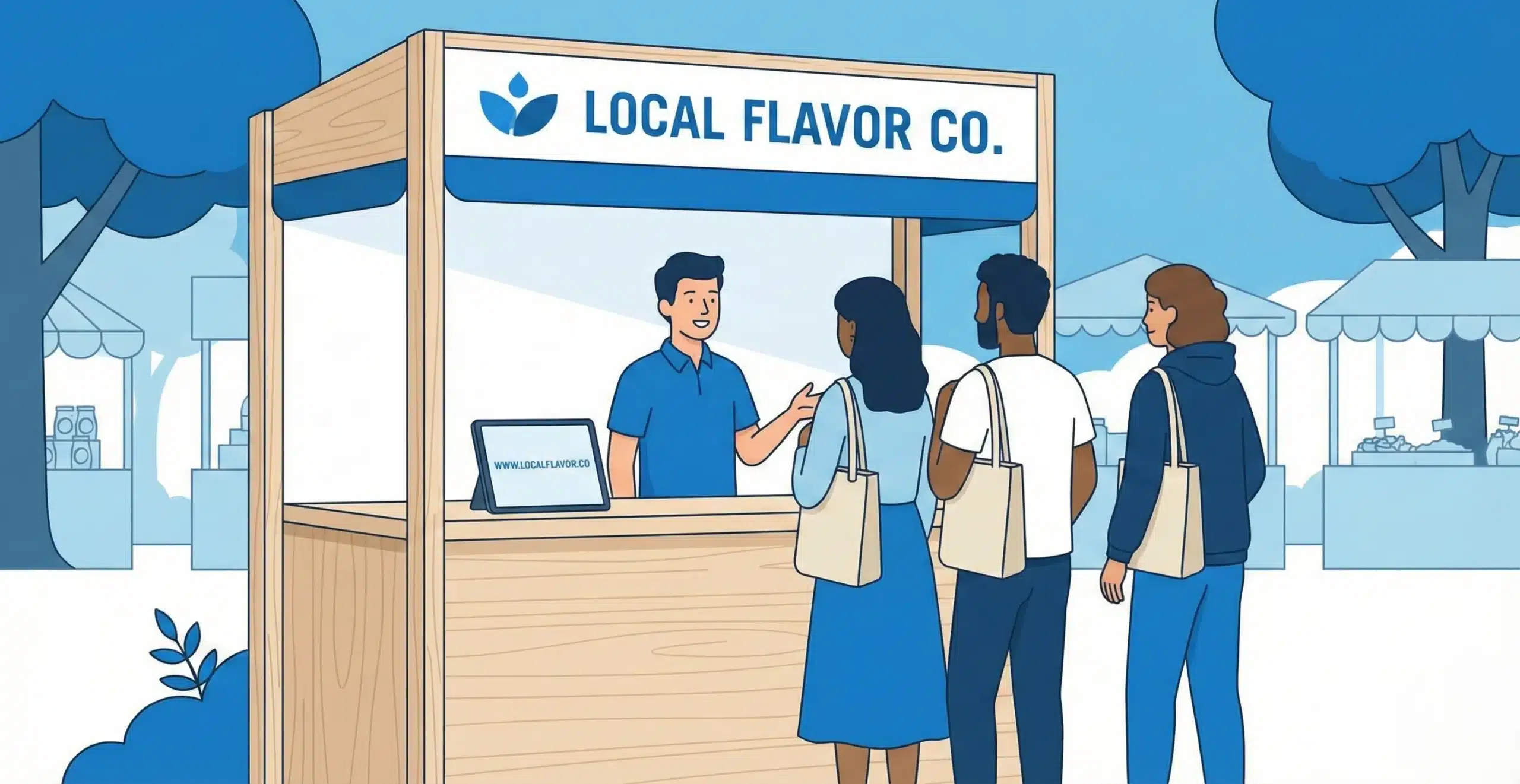
Sponsoring or attending fairs, conferences, and local gatherings lets you meet customers where they are. Signage, booths, and handouts that include website details or social handles turn that visibility into measurable online interest. - Branded merchandise and giveaways with digital calls-to-action
Items like tote bags, notebooks, or apparel can carry subtle prompts—web addresses, QR codes, or campaign names—that remind people to connect later. Because these items are used repeatedly, they reinforce brand recall over time. - Fundraising initiatives tied to brand values
Associating your brand with local causes or nonprofits deepens emotional connection. When you direct participants to learn more, donate, or follow impact updates on your website or social channels, offline goodwill becomes online engagement. - Memorable in-person experiences that drive word-of-mouth
Interactive demos, photo spots, or live sessions at events encourage people to share experiences with friends or on social platforms. Even those who remain largely offline can spark searches and visits from their more connected networks.
Retail and Pop-Up Store Strategies
Physical retail and temporary pop-ups give customers a way to interact with products and staff before or alongside digital engagement.
- Testing permanent locations with temporary pop-ups
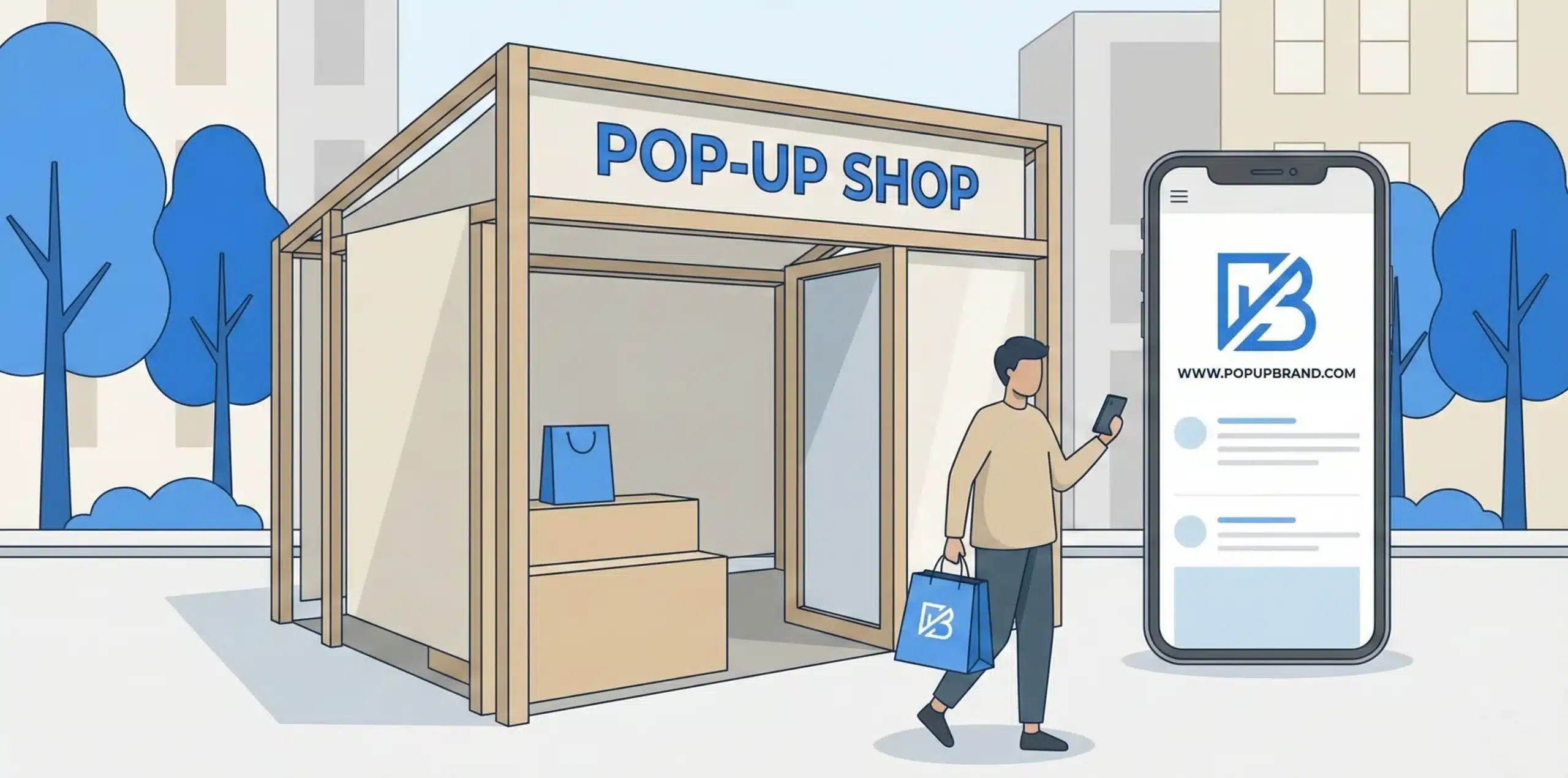
Short-term pop-up stores help you gauge local demand, foot traffic, and brand fit without committing long-term. During these tests, you can drive shoppers to your website for extended product ranges, loyalty programs, or post-visit offers. - Using physical retail to build long-term acquisition pipelines
In-store signage, receipts, and packaging can promote newsletter sign-ups, apps, or online-only perks. Over time, this shifts one-time offline purchasers into ongoing digital relationships where you can nurture and upsell. - Cross-pollination between offline and online shoppers
Offline shoppers who enjoy your store may recommend you to friends who prefer online shopping. Conversely, customers who discovered you through search or social may visit your store for fittings, demonstrations, or returns, deepening loyalty across both channels.
Strategic Partnerships and Sponsorships
Partnerships with organizations that already have strong offline communities can accelerate your brand’s reach and funnel people into your online assets.
- Partnering with community organizations and clubs
Collaborating with schools, associations, or clubs helps you tap into existing trust networks. Co-branded materials and mentions in their offline communications can direct members to your website or campaigns. - Co-hosting events and presentations
Joint workshops, talks, or demonstrations allow you to share audiences and provide value. Registration pages, follow-up email sequences, and digital resource hubs turn event attendees into online contacts. - Collaborative contests and reward programs
Contest entries that require visiting a landing page, completing a form, or engaging with your social content connect offline awareness to measurable online actions. - Job opportunities and scholarship offerings tied to awareness
When you sponsor scholarships or local opportunities, you can guide applicants to learn more and apply through your digital platforms. This approach both supports your community and builds qualified traffic.
Tactical Integration Methods: Offline to Online Conversion Pathways
This section details how to design offline experiences so they lead naturally into digital actions you can track and optimize.
Unique Discount Codes and Coupon Tracking
Offline-specific discount codes are one of the simplest ways to measure the impact of physical campaigns on online sales. By assigning unique codes to flyers, event booths, mailers, or print ads, you can see which activities drive redemptions in your ecommerce or booking systems.
Codes also encourage action by offering clear, time-bound value—such as a percentage off, free shipping, or a bonus gift. When customers redeem these codes on your site, you learn not only which offline channels worked but also what offers resonate most with different segments.
Custom Landing Pages and URLs
Dedicated landing pages tied to offline campaigns give you more control over messaging, tracking, and conversion paths. A short, memorable URL or vanity domain on a poster or brochure can lead visitors to a page tailored to the promise made offline.
On that page, you can align visuals and copy with the offline material, reduce distractions, and focus on one primary action—such as booking a consultation, signing up, or claiming an offer. Analytics tools then show traffic volume, behavior, and conversion rates, helping you judge the effectiveness of the offline source.
QR Codes and Digital Gateways
QR codes make it quick to jump from physical materials to digital destinations, especially for smartphone users. When placed on packaging, signage, mailers, or business cards, they can link to product pages, menus, campaigns, or apps without requiring manual typing.
However, not all offline audiences are comfortable with QR codes, particularly in older or less tech-savvy groups. For these segments, it is important to pair QR codes with simple alternatives, such as short URLs or clear instructions, so that people who prefer traditional methods are not excluded from your campaigns.
Event-to-Digital Journey
Events provide natural moments to transition from in-person engagement to ongoing digital relationships. Encouraging attendees to follow an event hashtag, scan a code for resources, or sign up for updates during the event builds momentum while interest is high.
Afterwards, follow-up emails, remarketing campaigns, or retargeting based on event lists can deepen engagement. When event data is integrated with your CRM, you can segment attendees by session interest, geography, or role and nurture them with relevant content and offers.
Also Check: Public Relations vs. Marketing: Understanding the Key Differences
Measuring Offline-to-Online Campaign Success

This section focuses on how to assess whether your integrated efforts are actually working, rather than relying on assumptions.
Tracking Mechanisms
Reliable measurement starts with clear, trackable elements baked into each offline execution. Unique promo codes, campaign-specific URLs, and QR codes tied to analytics parameters allow you to connect offline exposures and actions to online behavior and revenue.
When you consistently use these mechanisms, you can compare performance across different offline channels and creatives. This visibility makes it easier to justify budget, refine your strategy, and stop investing in offline tactics that do not contribute meaningfully to your digital KPIs.
Sales Data Analysis
Sales data offers another lens on offline-to-online impact. By comparing revenue and order volume before, during, and after offline campaigns, you can look for patterns such as sustained lifts, short-lived spikes, or no change at all.
If you see a clear increase aligned with specific offline activities—especially in regions or segments targeted by the campaign—that suggests a positive influence. When combined with code redemptions, landing page traffic, and engagement metrics, this analysis helps distinguish correlation from more plausible causation.
Customer Data Integration
Integrating offline and online data in your CRM allows for more precise segmentation and long-term analysis. For example, tagging contacts acquired at specific events, retail locations, or mailer campaigns lets you later evaluate their retention, frequency, and lifetime value compared to other acquisition sources.
With this information, you can adapt future offline and online messaging for these cohorts, prioritize the highest-value acquisition channels, and personalize communication based on how customers initially encountered your brand.
Key Performance Indicators (KPIs) to Monitor
Selecting the right KPIs keeps teams aligned on what success looks like for integrated campaigns. Helpful metrics often include:
- Cost per acquisition (CPA) for customers originating from offline exposure but converting online.
- Conversion rates on campaign-specific landing pages linked from offline materials.
- Redemption rates for offline-only promo codes.
- Customer lifetime value (CLV) segmented by initial offline channel or event.
Regularly reviewing these KPIs makes it easier to adjust your mix of offline and online tactics to achieve better returns over time.
Best Practices for Maximum Impact
This section provides practical do’s and don’ts to keep your integrated strategy effective and sustainable.
Do’s
- Maintain consistent branding and messaging across offline and online assets so customers instantly recognize your campaigns and understand the value proposition.
- Use trackable elements—such as promo codes, QR codes, and unique URLs—in all offline materials to close the loop between exposure and digital results.
- Integrate offline data into your CRM and analytics stack so you can see complete customer journeys and compare performance across channels.
- Design seamless handoff points from offline to online, ensuring each next step is simple, obvious, and aligned with what was promised offline.
- Test and iterate by starting with smaller pilots, measuring impact, and then scaling the best-performing combinations of offline and online tactics.
Don’ts
- Do not treat offline data as separate or optional; ignoring it means missing key insights about what drives digital performance.
- Avoid inconsistent messaging that confuses customers when they move from a billboard or event to your site or ad.
- Do not overcomplicate customer journeys with too many steps between offline awareness and digital conversion.
- Avoid ignoring audience differences; heavily tech-averse segments need simpler, more traditional options alongside digital tools.
- Do not rely solely on digital channels in categories or regions where offline trust and presence still heavily influence buying decisions.
Common Challenges and Solutions
This section highlights typical problems brands face when integrating offline and online marketing, along with practical ways to address them.
Challenge: Data Silos Between Offline and Online
When offline campaign data sits in separate systems—or on spreadsheets—it becomes difficult to link it to online performance. This fragmentation leads to incomplete reporting and weakens strategic decisions.
Solution: Standardize how you capture offline data and connect it to customer profiles in your CRM. Use consistent identifiers (such as emails, phone numbers, or customer IDs) and build simple workflows so event lists, retail data, and offline responses are updated in the same environment as online leads and transactions.
Challenge: Measuring Attribution
Multi-touch journeys make it hard to know how much credit each offline or online interaction deserves. Overemphasizing last-click online conversions can undervalue earlier offline efforts.
Solution: Use a combination of unique codes, UTM-tagged URLs, and campaign-based tagging for offline sources. Over time, compare performance with basic multi-touch models (for example, giving weight to first-touch and mid-funnel interactions) rather than relying solely on final-click data.
Challenge: Reaching Tech-Averse Audiences
Some segments may be uncomfortable with QR codes, complex forms, or app downloads, which can create friction if your integration leans too heavily on digital steps.
Solution: Provide multiple options for response—such as phone numbers, in-person visits, and simple URLs—alongside digital pathways. Ensure staff and materials clearly explain next steps in straightforward language so less tech-savvy customers can still participate.
Challenge: Budget Allocation
Deciding how much to invest in offline versus online can be difficult, especially when the impact of offline is less immediately obvious.
Solution: Treat offline investments as testable hypotheses. Start with modest, clearly scoped campaigns where results can be tracked via codes, URLs, and sales patterns. As you gather evidence of what works, reallocate budget toward the combinations of channels and messages that deliver the best return.
Conclusion
Offline and online marketing are not competing philosophies but complementary components of a unified customer journey. When they are thoughtfully integrated, offline touchpoints build trust, widen reach, and generate rich experiences that make digital campaigns more effective, while online channels provide scalability, precision, and measurable outcomes that enhance offline investments.
By understanding your offline audience, choosing the right tactics, designing clear pathways into your digital ecosystem, and measuring results with intention, you can unlock a hybrid strategy that is more resilient and profitable than a digital-only approach. The brands that commit to this integration—treating every real-world moment as a gateway to ongoing online relationships—will be best positioned to grow in an increasingly connected but still deeply physical world.

Passionate about blogging and focused on elevating brand visibility through strategic SEO and digital marketing. Always tuned in to the latest trends, I’m dedicated to maximizing engagement and delivering measurable ROI in the dynamic world of digital marketing. Let’s connect and unlock new opportunities together!