


Digital advertising has evolved rapidly, and ad placement optimization has become one of the most decisive factors in campaign success. In 2026, advertisers are no longer just choosing where to show ads — they are strategically analyzing data, using machine learning, and refining placements across channels to boost engagement, reduce costs, and drive conversions.

This blog explores seven proven strategies to help you master ad placement optimization using insights from data-driven marketing, contextual advertising, and AI-powered campaign management.
What Is Ad Placement Optimization?
Ad placement optimization refers to the strategic selection of locations and platforms where your ads appear — on websites, search engines, social media feeds, videos, and mobile apps. Optimizing placement is about more than visibility; it’s about aligning each ad with high-relevance content and audience intent.
A well-placed ad ensures:
- Higher engagement and click-through rates (CTR)
- Better audience relevance
- Improved return on investment (ROI)
It’s different from Ad Rank, which decides where an ad appears in a search result. Ad placement is about choosing which environment offers the best chance for a conversion.

Why Master Ad Placement Optimization in 2026?
The 2026 digital ecosystem is shaped by automation, privacy-first marketing, and smarter targeting systems. Advertisers need to adapt to:
- Cookie-less tracking and contextual targeting
- AI automation for audience prediction
- Multi-platform consistency across mobile, video, and social channels
Modern consumers also expect a non-intrusive ad experience aligned with their browsing context. Brands that master optimization will enjoy stronger customer engagement and efficient ad spending.
7 Proven Strategies to Master Ad Placement Optimization
1. Use Data-Driven Audience Insights
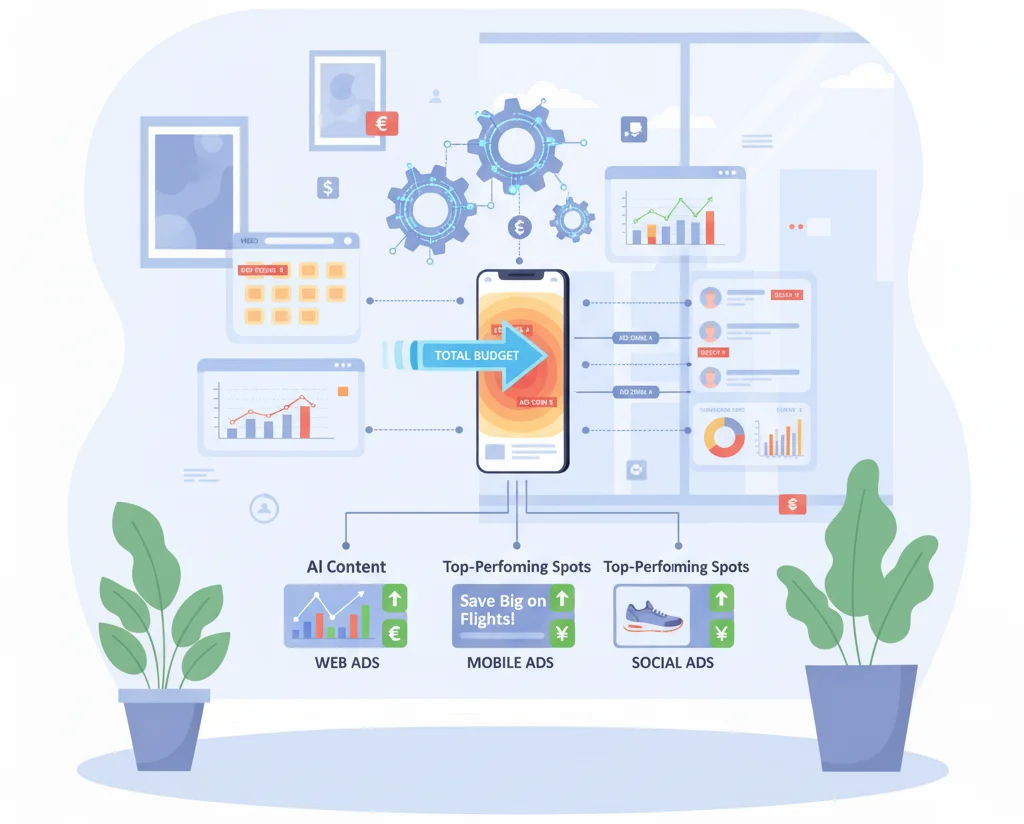
Successful ad placement begins with understanding your audience. Analyze demographics, engagement behaviors, and device activity using analytics platforms.
Use tools like Google Analytics, Meta Ads Reports, or programmatic dashboards to:
- Identify top-performing regions on your site
- Study scroll depth heatmaps
- Detect time zones and peak engagement hours
These insights allow you to focus ad visibility where it matters most, minimizing wasted impressions.
2. Prioritize Relevance and Contextual Targeting
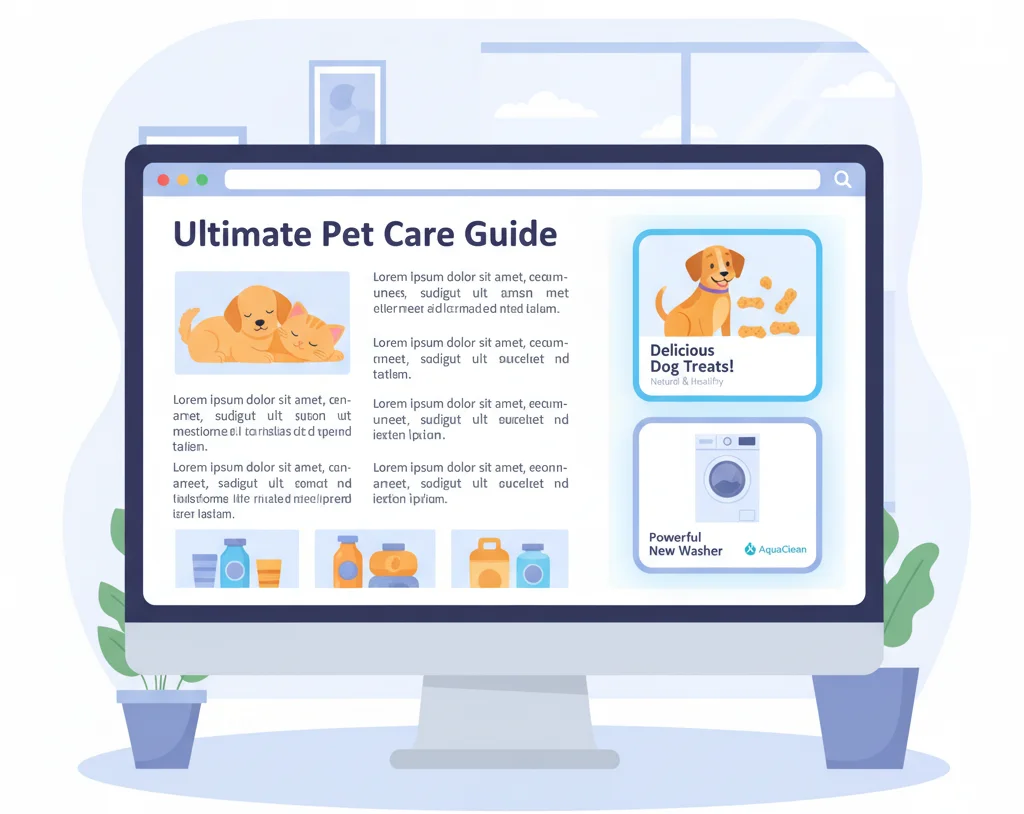
As third-party cookies fade away, contextual targeting has taken center stage. Ads now rely on on-page relevance rather than personal data.
For instance:
- A fitness brand should place display ads in health, wellness, or workout blogs rather than generic lifestyle portals.
- AI systems can scan web content to recommend the most contextually suitable placements.
Contextually aligned ads feel more organic and significantly improve engagement rates.
3. Optimize for Mobile-First Experiences
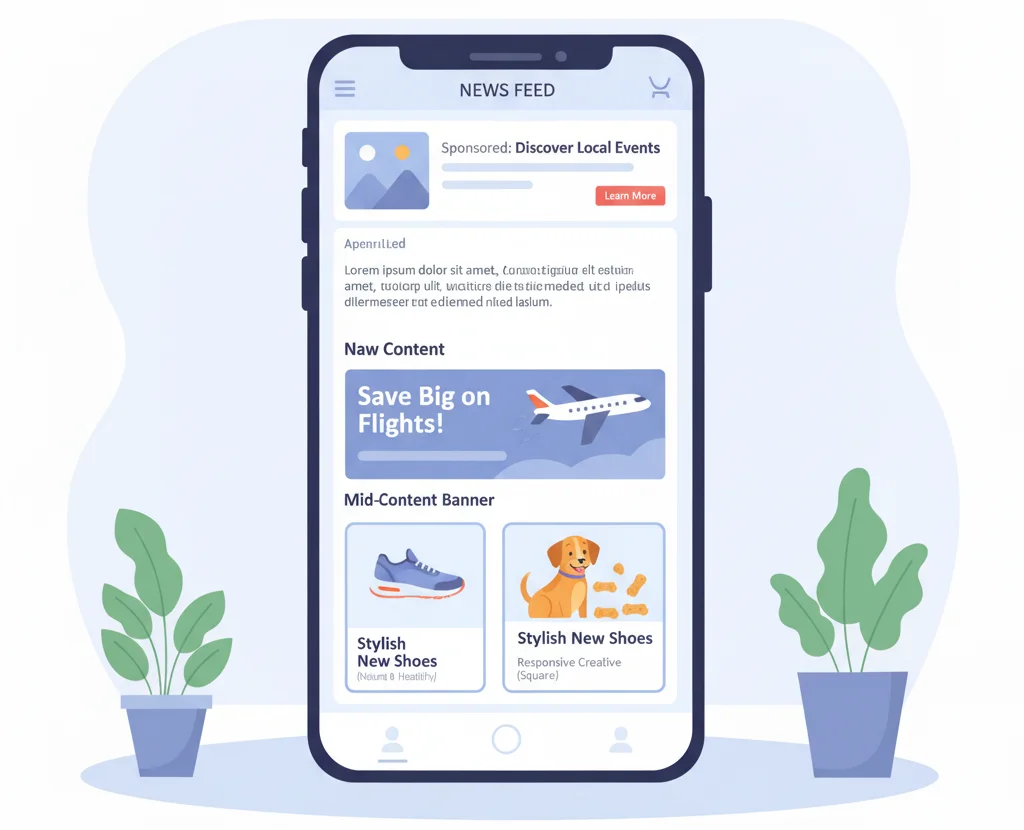
Since over 70% of users browse primarily on mobile devices, ad placement must adapt to smaller screens.
Best practices include:
- Using in-content or mid-scroll ad formats
- Avoiding pop-ups that interrupt reading flow
- Applying responsive display ads that scale seamlessly
Google and Meta both recommend responsive, mobile-optimized creatives to maintain competitiveness in 2026’s ad landscape.
4. Leverage AI and Automation Tools
AI is revolutionizing ad placement through real-time learning and predictive analysis. AI tools automatically adjust placements based on performance metrics, audience engagement, and budget thresholds.
Examples:
- Google Ads Smart Bidding determines the most profitable times to display search ads.
- Meta Advantage+ placements continuously test ad delivery across feeds and stories.
By delegating repetitive tasks to automation, advertisers can focus more on creative and strategy refinement.
5. A/B Test Placements and Formats Regularly
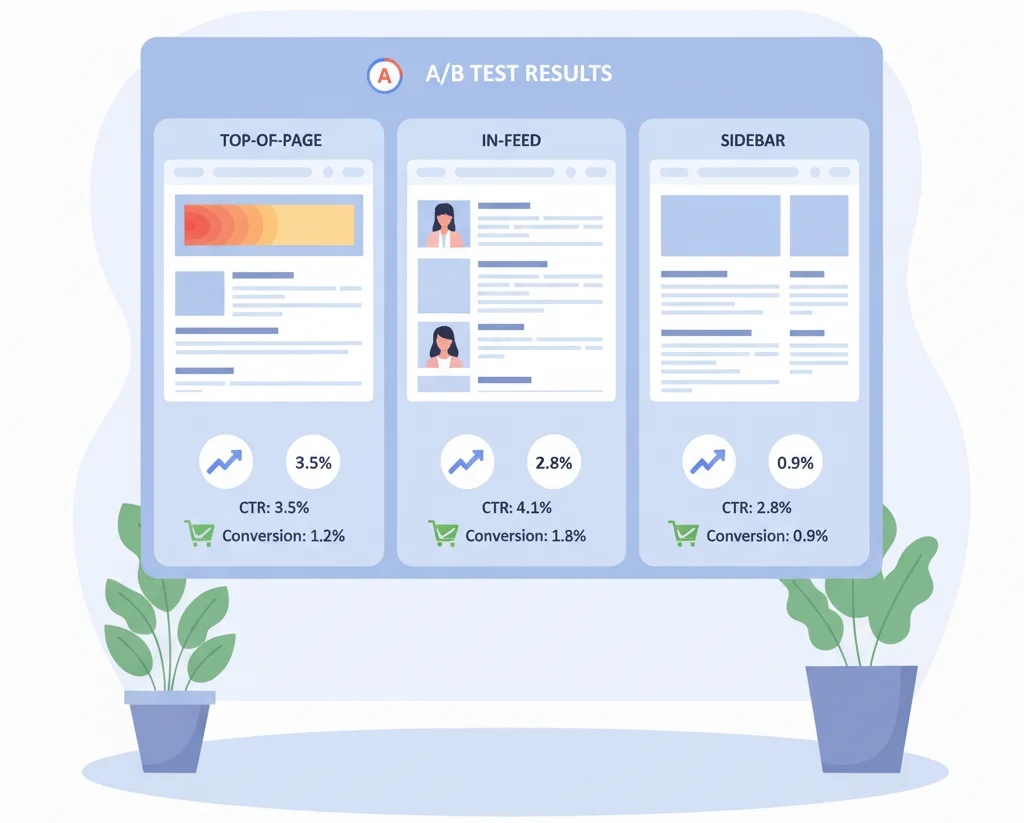
Ad testing is foundational for optimization. Run A/B experiments to identify:
- The best ad positions (top, middle, or sidebar)
- The most effective formats (video, static image, carousel)
- Device-specific performance (mobile vs desktop)
Testing different configurations helps refine targeting precision and drive higher conversions. Use insights to invest selectively in your top-performing combinations.
6. Integrate Native and Interactive Ad Formats
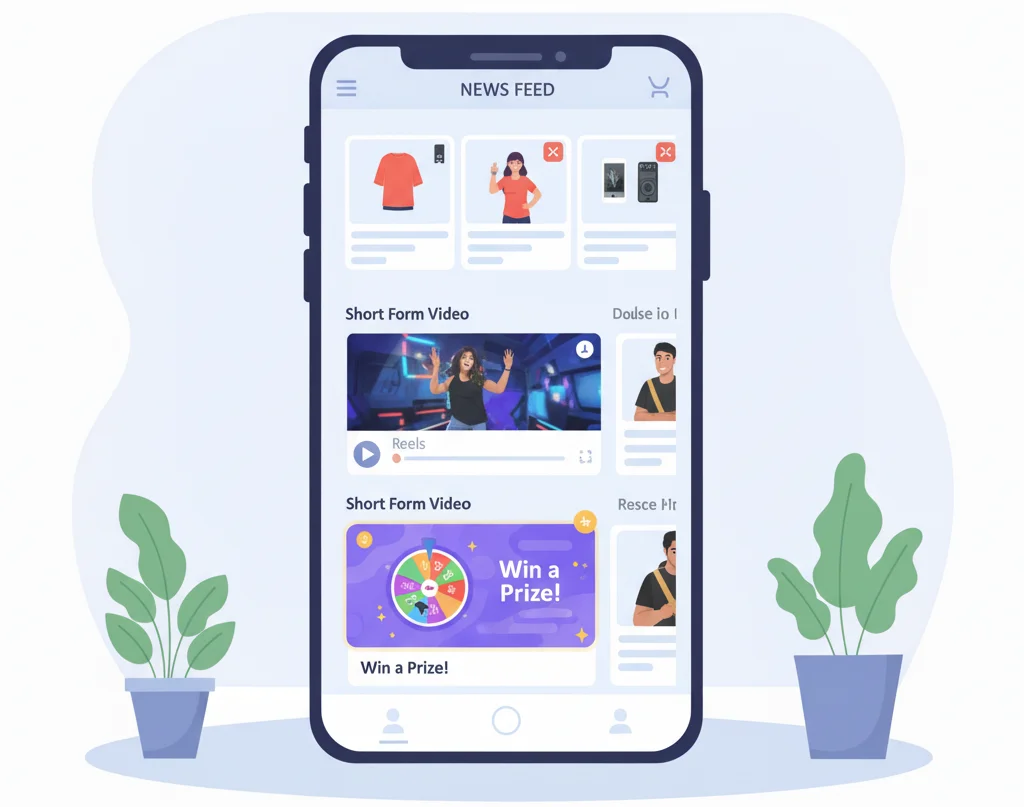
Blending ads with the platform environment enhances visibility and acceptance. Native ads, interactive banners, and gamified experiences offer subtle engagement mechanisms.
Trending formats for 2026 include:
- In-feed native ads on TikTok or Instagram Reels
- Gamified mobile ads that reward user interaction
- AR (Augmented Reality) and VR (Virtual Reality) ads for immersive experiences
When integrated naturally, these formats encourage voluntary user interaction and longer engagement times.
7. Balance User Experience with Monetization
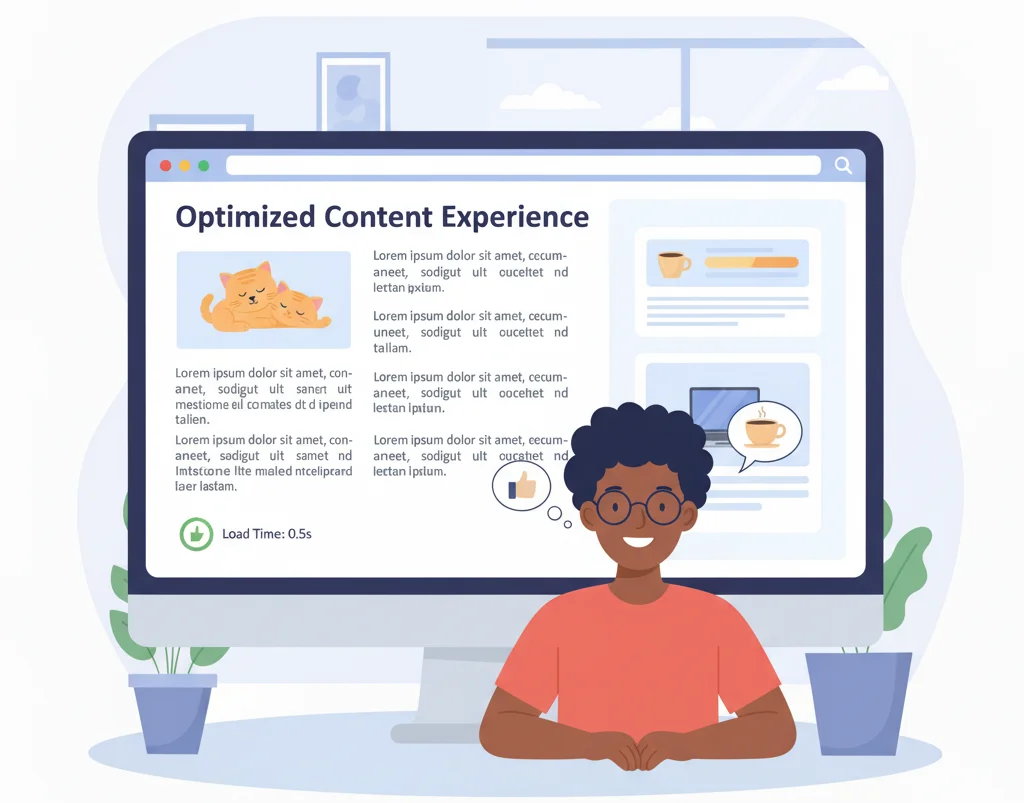
Ad clutter drives user dissatisfaction and lower conversions. Placing too many ads reduces page speed and increases bounce rates.
To maintain equilibrium:
- Limit the number of ad slots per page
- Blend ads seamlessly into the content structure
- Avoid intrusive formats like auto-playing video or full-page takeovers
A smoother experience yields better results — satisfied users spend more time engaging, improving both performance and credibility.
Common Ad Placement Mistakes to Avoid
Many advertisers lose potential revenue due to unoptimized placement. Common mistakes include:
- Overloading pages with ads
- Failing to optimize for mobile responsiveness
- Using irrelevant ad networks or unsafe sites
- Ignoring ad viewability metrics
Prevent these by adhering to Google advertising policies and using transparent, brand-safe platforms.
Conclusion
Ad placement optimization is more than a technical campaign strategy — it’s a continuous art of balance between precision, personalization, and performance. By implementing these seven strategies, marketers can elevate CTRs, drive better ROI, and maintain user satisfaction.
Start today: audit your placements, adopt AI-driven automation, and measure improvement weekly. The brands that optimize intelligently will be the ones leading digital advertising performance in 2026.
Frequently Asked Questions (FAQs)
1. What is ad placement optimization?
Ad placement optimization is the process of strategically choosing where your ads appear online—whether on websites, social media feeds, or mobile apps—to maximize engagement, visibility, and conversions. It ensures your ads reach the right audience in the most effective spots.
2. Why is ad placement so important in 2026?
In 2026, ad placement plays a vital role because consumers are increasingly using multiple devices, and privacy regulations limit audience tracking. Optimizing placement helps brands maintain visibility and relevance while improving return on investment (ROI).
3. What are the best platforms for ad placement?
Top-performing platforms for ad placement include Google Ads, Meta (Facebook and Instagram), YouTube, and TikTok. Each platform offers different ad surfaces—like search results, feeds, and stories—that appeal to specific audience behaviors.
4. What’s the difference between “ad placement” and “ad rank”?
Ad placement refers to where your ad physically appears (e.g., Google search results or a Facebook newsfeed), while ad rank determines how high or low your ad appears compared to competitors based on bid, quality score, and relevance.
5. How do I know which ad placements perform best?
You can determine performance through A/B testing, analytics insights, and engagement metrics such as click-through rate (CTR), conversion rate, and cost per click (CPC). Many ad networks also offer placement-level performance breakdowns.
6. Are mobile ad placements more effective than desktop ones?
Yes, mobile placements usually outperform desktop because mobile users account for more than 70% of global online engagement. However, optimization depends on creative design, ad type, and platform behavior—desktop may still perform better for long-form or B2B campaigns.
7. What common mistakes should advertisers avoid?
Avoid placing too many ads on a single page, ignoring mobile responsiveness, or running irrelevant placements. These mistakes cause user irritation, slow page speed, and lower ad viewability, which ultimately hurt campaign performance.
8. What is “above the fold,” and why does it matter?
“Above the fold” is the part of a webpage visible without scrolling. Ads placed here typically get higher impressions and engagement because users see them first—but overusing this area can make your content feel cluttered.
9. How often should I change or test ad placements?
Experts recommend reviewing and testing placements at least once per campaign cycle (every one to two weeks). Regular A/B testing helps identify high-performing positions and prevent ad fatigue.
10. Which tools can help with ad placement optimization?
Popular tools for optimizing ad placements include Google Ads Manager, Meta Ads Manager, AdSpyder, and AI-powered programmatic platforms like Display & Video 360. These platforms provide automated suggestions and placement performance analytics.