


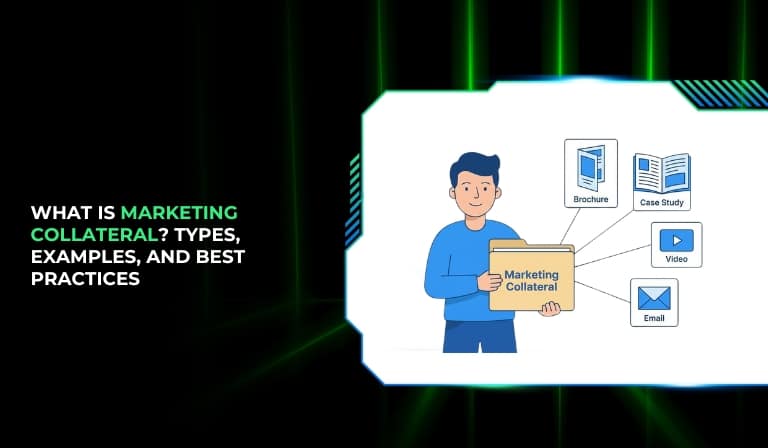
When buyers research solutions today, they rarely rely only on a sales pitch; instead, they compare websites, read blogs, check case studies, and look at reviews before deciding whom to trust. All of these touchpoints together are examples of marketing collateral working behind the scenes to shape buying decisions.

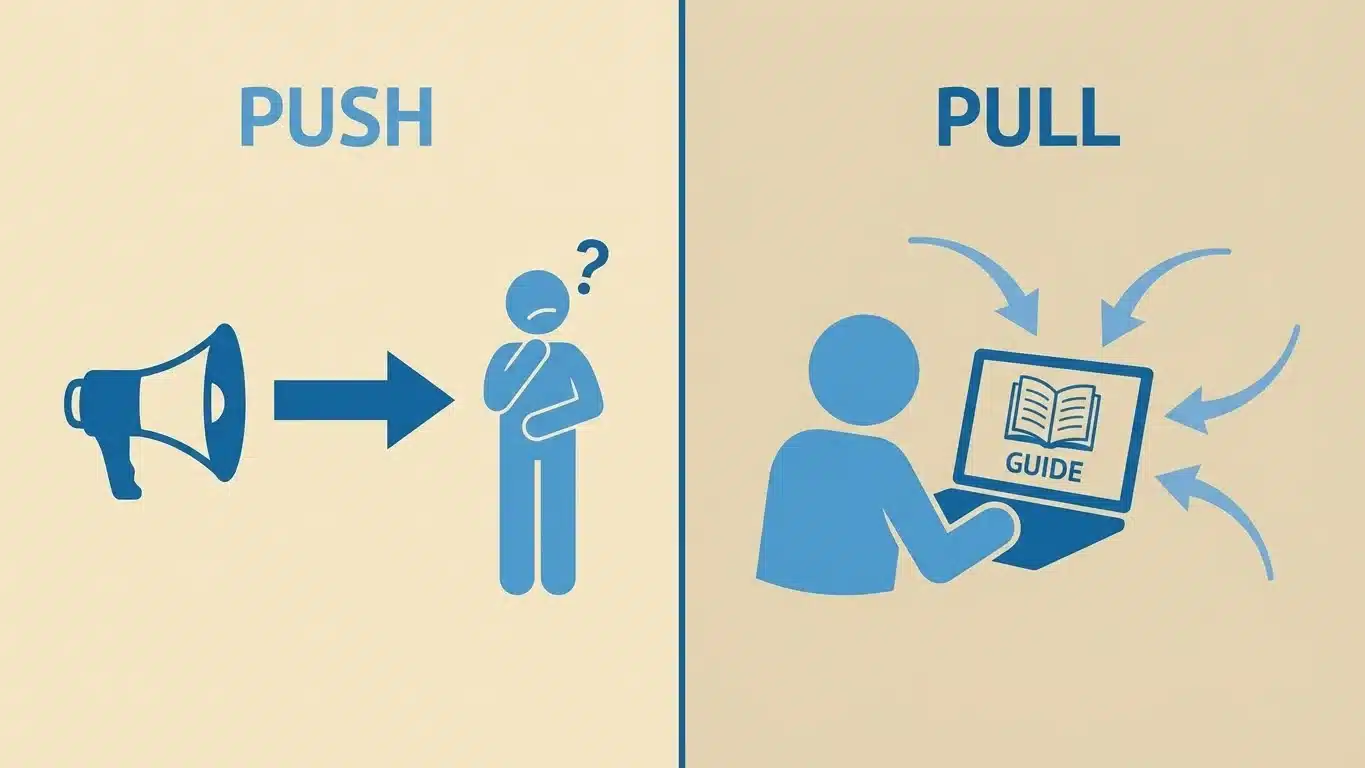
Marketing collateral refers to the materials that support your marketing and sales strategy by educating, informing, or nurturing prospects rather than pushing a hard sell. Unlike direct sales ads or cold outreach that “push” offers, collateral is usually part of content marketing, designed to attract and help people first so they are more willing to buy later.
Content marketing has become one of the most effective ways to build brand awareness and trust, with a majority of marketers saying it helps them reach goals like credibility, loyalty, and customer education. This blog explores what marketing collateral is, why it matters, key types (print and digital), how to create it effectively, examples by industry, and best practices for 2025 and beyond.
What Is Marketing Collateral?
Marketing collateral is the collection of materials a brand uses to support marketing and sales activities, from brochures and websites to case studies, videos, and email campaigns. These assets are designed to promote products or services, generate leads, and strengthen brand recognition and loyalty over time.
Traditional push marketing typically focuses on direct promotions such as ads or sales calls that attempt to drive an immediate response. Marketing collateral leans more toward pull marketing, where valuable information, resources, and tools draw people in and help them self-educate before speaking with sales. This makes collateral central to modern content marketing strategies.
Content-based materials are considered collateral when they support the buyer’s journey with context, education, and proof rather than just shouting “buy now.” Pure hard-sell ads, aggressive pop-ups, or messages that lack useful information are usually not classified as marketing collateral because they don’t help the prospect make an informed decision.
Within a broader content marketing strategy, collateral acts as the structured toolkit that serves different channels and stages of the funnel. For example, blog posts may drive discovery, case studies support evaluation, and product one-pagers help close deals, all working together as a unified system.
Why You Need Marketing Collateral
Reach People Not Ready to Buy
Most prospects are not ready to purchase when they first discover a brand, especially for high-consideration products or B2B services. Marketing collateral gives you a way to engage those early-stage visitors with helpful information rather than pushing them into a decision before they are comfortable.
In the awareness stage of the funnel, resources like blog posts, guides, and infographics answer questions and frame problems in the customer’s language. Studies show that many consumers consult multiple pieces of content before major purchases, which means brands with useful collateral have more chances to be considered.
Build Credibility and Authority
Educational marketing collateral positions your brand as an expert that understands the audience’s challenges and can offer practical solutions. When your content consistently teaches, clarifies, and offers actionable insights, it signals competence and reliability to your market.
Trust-building is a core goal of content marketing, with research showing that marketers prioritize credibility and education alongside awareness. Thought leadership content—such as in-depth articles, research, or expert commentary—helps differentiate your brand as a go-to resource in a crowded space.
Support Multiple Stages of the Sales Funnel
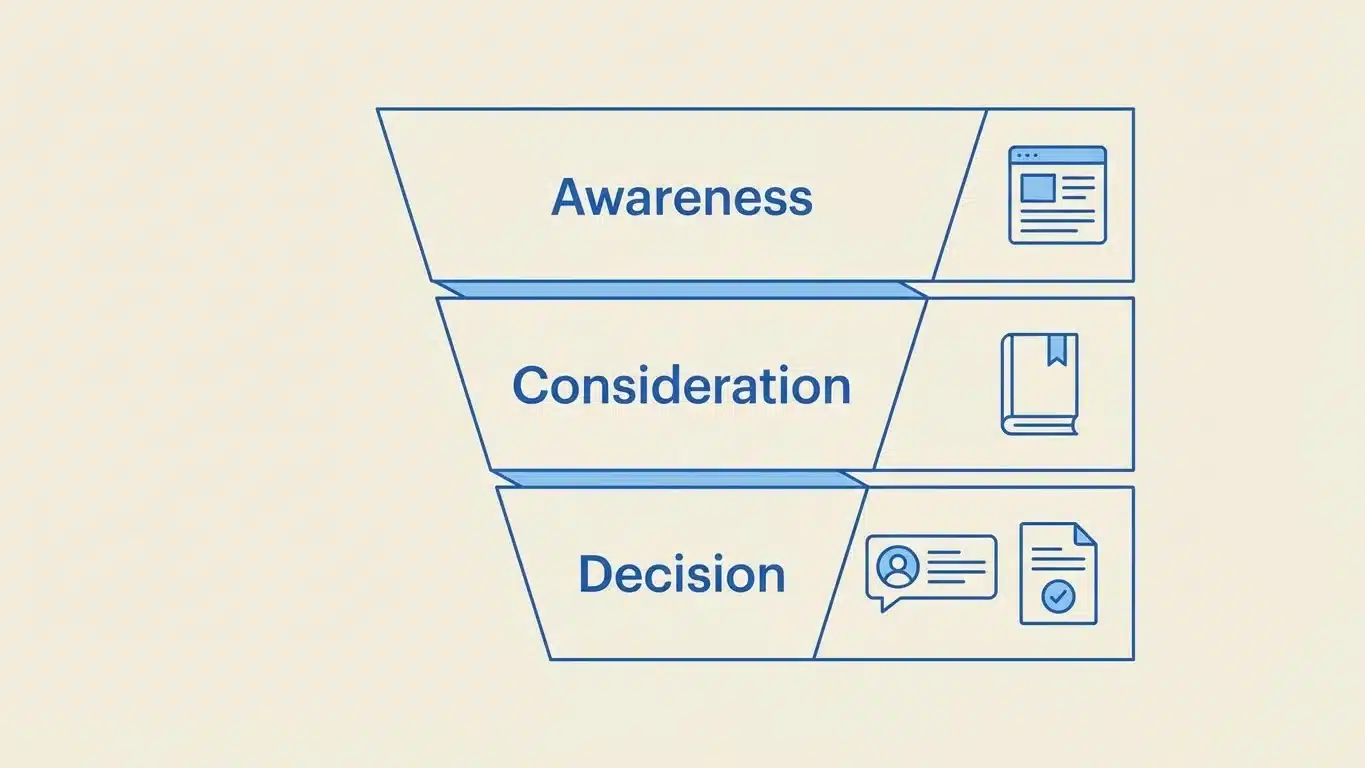
Effective marketing collateral maps clearly to each stage of the customer journey so prospects always have a relevant next piece of content. At the awareness stage, assets like blog posts, social content, and infographics help people recognize and define their problems.
In the consideration stage, resources such as case studies, eBooks, and whitepapers provide deeper education and demonstrate how different solutions compare. At the decision stage, testimonials, product sheets, implementation guides, and ROI calculators give buyers the confidence and proof they need to choose your offering.
Increase Conversions and Leads
Well-designed marketing collateral not only educates but also encourages readers to take clear next steps, such as downloading a resource, booking a demo, or requesting pricing. Gated assets like eBooks, reports, or templates are frequently used as lead magnets in exchange for contact information.
Content marketing has been shown to drive strong lead generation and conversion outcomes, particularly for brands with a defined strategy and aligned collateral. By nurturing leads with relevant materials over time, businesses can improve sales conversion rates and shorten buying cycles.
Types of Marketing Collateral
Print Marketing Collateral
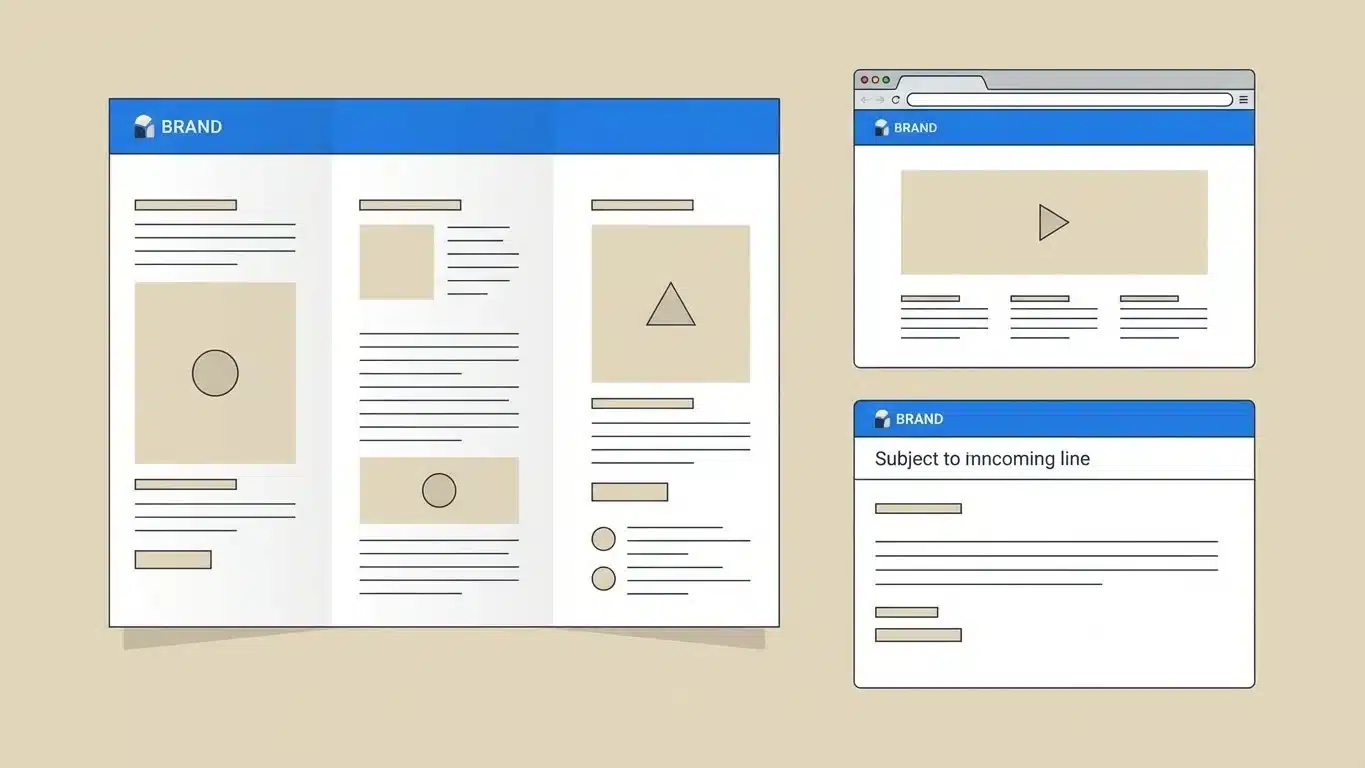
Print collateral remains valuable for local businesses, in-person events, trade shows, and B2B scenarios where physical materials can create a tangible brand presence. Despite the shift to digital, many organizations still rely on printed items to complement digital campaigns and strengthen brand recall.
1. Brochures
Brochures are foldable print pieces that summarize key information about a company, product, or service in a compact, structured format. They typically include an overview, benefits, visuals, and contact details that prospects can review later.
- Common use cases include trade shows, conferences, in-store handouts, or sales meetings where prospects want something to take away.
- Effective distribution often involves pairing brochures with in-person conversations, mailers, or event kits.
- Strong brochure design features clear sections, legible typography, brand-consistent colors, and visuals that reinforce the message rather than clutter it.
2. Flyers
Flyers are single-page print pieces focused on a specific promotion, event, or short message. Compared to brochures, they are simpler, cheaper to produce, and often designed for quick impact.
- Ideal scenarios include event invitations, limited-time offers, store openings, or local awareness campaigns in physical locations.
- High-performing flyers use bold headlines, concise copy, a clear value proposition, and a strong call-to-action with essential details only.
- Visual hierarchy, contrast, and readable fonts are crucial to catching attention in environments like notice boards or handouts.
3. Posters
Posters are larger-format prints intended for display in high-visibility areas like storefronts, offices, venues, or public spaces. Their primary role is to capture attention quickly and communicate a focused message from a distance.
- Placement strategy matters: posters are most effective in locations with relevant foot traffic or where people naturally pause, such as waiting areas.
- Design often emphasizes strong visuals, minimal text, and a single core message so viewers can absorb it in seconds.
- Many brands now integrate QR codes or short URLs into posters to connect offline interest with digital experiences like landing pages or event registration.
4. Business Cards
Business cards are small printed cards containing key contact and brand information for individuals or companies. They remain a staple for networking, meetings, and events because of their convenience and professional appearance.
- Essential elements usually include name, title, company, logo, website, email, and phone number to make follow-up easy.
- Strong cards reflect brand identity through consistent colors, fonts, and layout that align with other collateral.
- Premium materials or finishes can help cards stand out and signal quality in industries where first impressions matter.
5. Branded Merchandise/Swag
Branded merchandise refers to physical items printed with a company’s logo or messaging, such as pens, mugs, apparel, bags, or notebooks. These items extend brand visibility into customers’ daily lives and often create positive associations when they are genuinely useful.
- Swag is commonly used at events, conferences, loyalty programs, and customer appreciation campaigns.
- Because items can be reused for a long time, they often provide cost-effective, ongoing impressions compared to one-off ads.
Digital Marketing Collateral
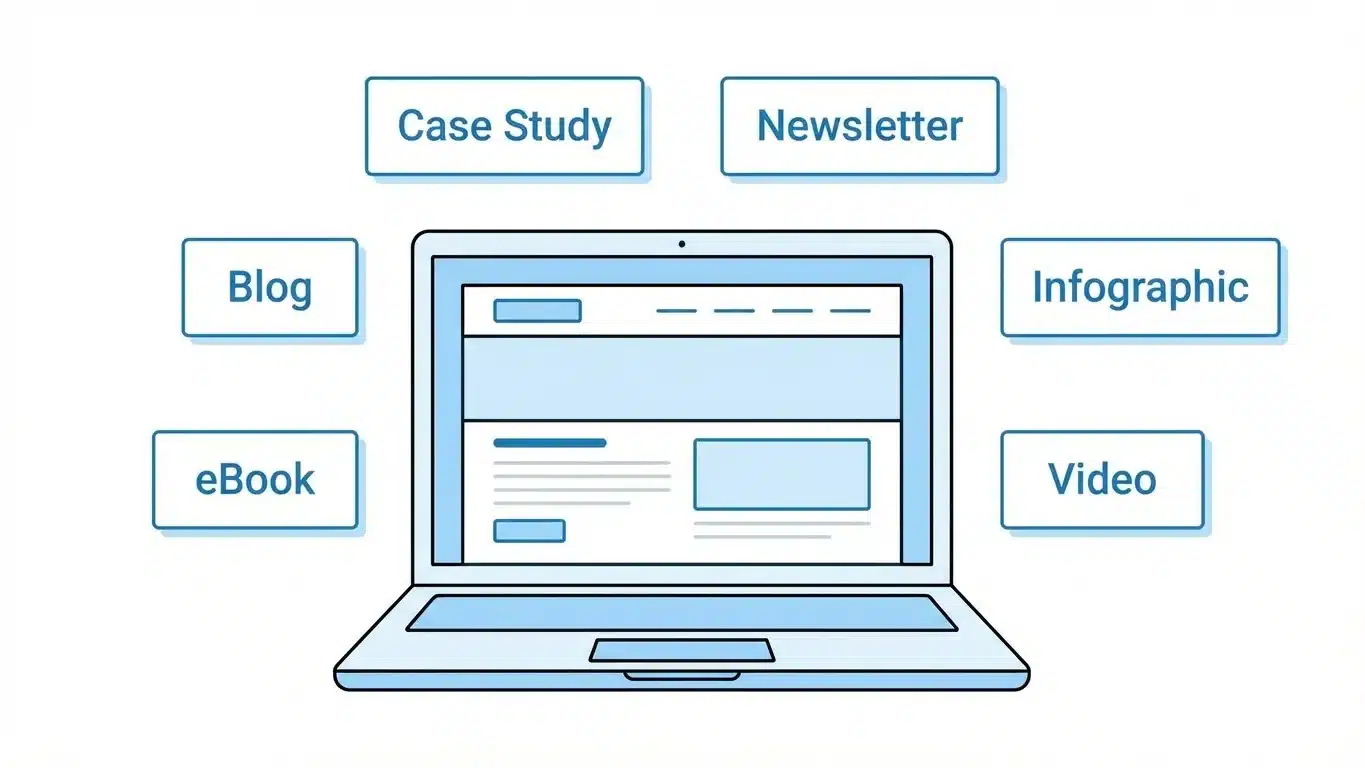
1. Website Content
A company website acts as the central hub where most other marketing efforts eventually point. Website content includes pages like home, product, pricing, about, resources, and support that collectively explain what the company does and why it matters.
- Clear navigation, logical information architecture, and fast loading times are crucial for helping visitors find what they need.
- Consistent messaging and visual identity across pages reinforces brand recognition and builds trust.
2. Blog Posts and Long-Form Content
Blog posts are shorter, focused articles that attract visitors through search, social media, and email. Long-form content such as in-depth guides or pillar pages explores topics more comprehensively and can serve as long-term traffic drivers.
- Regular blogging can increase organic traffic and generate more leads, especially when aligned with a clear SEO strategy.
- Real-world examples include local service businesses publishing how-to articles or educational posts that answer common customer questions, bringing in qualified visitors.
3. eBooks
eBooks are longer, structured digital documents that cover a topic in depth, often with chapters, visuals, and practical frameworks. They are commonly offered as gated resources in exchange for contact details.
- eBooks are ideal for mid-funnel prospects who already understand their problem and are actively researching solutions.
- Because they are perceived as higher-value resources, they are often used in lead generation campaigns, webinars, or nurture sequences.
4. Case Studies
Case studies tell the story of how your product or service helped specific customers achieve measurable results. They are especially important for B2B and service-based businesses where proof of outcomes influences buying decisions.
- Strong case studies describe the client’s situation, the challenge, the solution implemented, and the results with concrete metrics where possible.
- They double as sales tools that reps can share with similar prospects to build confidence and overcome objections.
5. Whitepapers and Research Reports
Whitepapers and research reports are authoritative documents that provide deep analysis, data, and insights on specific topics or trends. They often target technical, executive, or expert audiences who value detail and evidence.
- Many organizations use original research or industry surveys as the foundation for these assets to strengthen authority and thought leadership
- Because of their perceived value, whitepapers and reports are frequently gated and used to generate high-intent leads.
6. Newsletters
Newsletters are recurring email communications that combine company updates, educational content, and curated resources. They help brands maintain direct, ongoing relationships with subscribers.
- Effective newsletters provide a mix of helpful insights and light promotion rather than being purely sales-focused.
- Clear calls-to-action in each edition can drive traffic to blogs, product pages, events, or special campaigns.
7. Social Media Graphics and Content
Social media collateral includes posts, images, carousels, stories, short videos, and other formats tailored to platforms like LinkedIn, Instagram, X, or Facebook. These assets help build brand personality, spark conversation, and expand reach.
- Successful social content is adapted to each platform’s norms while maintaining consistent brand voice and visuals.
- Many brands repurpose blog insights, quotes, or data points into bite-sized graphics or clips to extend the reach of longer-form content.
8. Infographics
Infographics are visual formats that distill complex information, data, or processes into easy-to-scan graphics. They are particularly effective for audiences who prefer visual learning or when conveying statistics and comparisons.
- Infographics tend to earn higher shares and backlinks when they present data or frameworks in a clear, original way.
- They can be embedded in blogs, shared on social media, or used in presentations and sales decks.
9. Videos
Videos are highly versatile collateral that can explain products, share stories, provide how-tos, or showcase customer success. They often achieve strong engagement across social channels, websites, and video platforms.
- Common formats include explainer videos, product demos, interviews, testimonials, webinars, and short-form clips.
- Even when production budgets are modest, clarity of message, relevance to the audience, and sound quality significantly affect performance.
10. Landing Pages
Landing pages are focused web pages built for a specific campaign, offer, or audience segment, with one primary conversion goal. They often host lead magnets, trial signups, event registrations, or limited-time offers.
- High-performing landing pages use concise copy, social proof, visual hierarchy, and clear CTAs to guide visitors toward the desired action.
- They are usually integrated with ad campaigns, email sequences, or social promotions for tracking and optimization.
11. Email Templates and Sequences
Email templates and automated sequences form the backbone of many nurture and lifecycle marketing programs. These assets ensure consistent, timely communication with leads and customers based on their behavior or stage.
- Common sequences include onboarding flows, educational series, event nurturing, and promotional campaigns.
- Personalization and segmentation often improve engagement and conversion rates for email collateral.
12. Proposals and Presentations
Proposals and presentations are structured documents or slide decks used by sales and account teams to communicate solutions, pricing, and project plans. They are critical in later-stage B2B deals where stakeholders need clarity and justification.
- Professional design, clear value articulation, and customization to the prospect’s context make these materials more persuasive.
- Aligning these documents with broader brand guidelines ensures consistency with earlier marketing touchpoints.
How to Create Effective Marketing Collateral
Understand Your Audience
Effective collateral starts with a deep understanding of who you are trying to reach and what they care about. Research into demographics, roles, industry, and challenges helps ensure your content addresses real needs rather than generic topics.
- Many teams formalize this insight by creating buyer personas that summarize typical goals, pain points, and decision criteria.
- Collateral tailored to specific personas is more likely to resonate and drive action than one-size-fits-all messaging.
Define Clear Goals
Each piece of marketing collateral should have a specific purpose, such as generating leads, nurturing prospects, activating customers, or building authority. Without a clear goal, it becomes difficult to judge whether the asset is successful.
- Common objectives include brand awareness, engagement, lead capture, sales enablement, and customer retention.
- Goals should tie to measurable metrics like downloads, demo requests, pipeline influenced, or retention rates.
Pair Text and Visuals Strategically
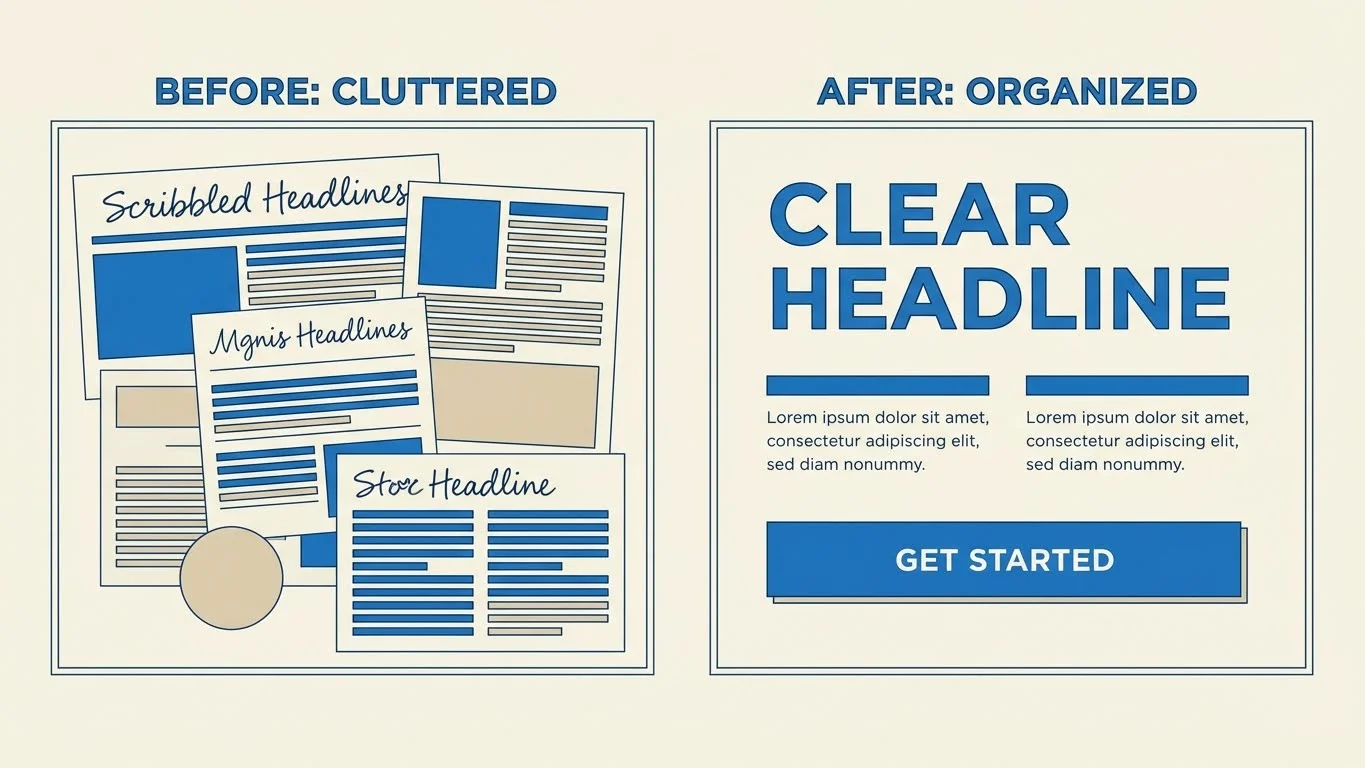
Strong collateral strikes a balance between informative copy and supportive visuals. Visual elements such as images, icons, charts, and layout help guide attention and make information easier to digest.
- Overly text-heavy materials can discourage engagement, while purely decorative visuals add little value.
- Consistent visual style across assets helps audiences immediately recognize your brand.
Ensure Clear, Accurate Messaging
Clarity is essential: readers should quickly understand who you are, what you offer, and why it matters to them. Jargon-heavy or vague copy can confuse prospects and undermine trust.
- Tailoring language to the audience’s level of expertise improves comprehension and relevance.
- Fact-checking claims and using realistic examples maintain credibility, especially in technical or regulated industries.
Brand Consistency
Marketing collateral works best when all pieces reflect a cohesive brand identity. This includes consistent use of logos, colors, typography, tone of voice, and design patterns.
- Style guides or brand guidelines help internal teams and partners create on-brand materials at scale.
- Consistency reinforces recognition over time and helps build stronger brand equity.
Include Strong Calls-to-Action (CTAs)
Every asset should encourage a logical next step, whether that is reading another article, signing up for a demo, or sharing the content. Clear CTAs transform passive consumption into measurable engagement.
- Different stages of the funnel may call for different CTAs, from “learn more” to “talk to sales.”
- Prominent placement, action-oriented phrasing, and low friction (such as simple forms) usually improve response rates.
Optimize for Distribution
Even the best collateral fails if people never see it, so distribution planning is crucial. Each piece should be designed with its primary channels in mind, whether that is email, search, social, ads, or in-person events.
- Digital materials need to be mobile-friendly and fast-loading to perform well across devices.
- Print collateral should follow appropriate specifications for size, bleed, color, and finish to ensure professional output.
Marketing Collateral Examples by Industry
Different industries rely on distinct mixes of collateral based on their buying cycles, product complexity, and regulatory context. Tailoring formats to your sector improves relevance and impact.
- B2B SaaS often leans on whitepapers, case studies, product one-pagers, and webinars to explain complex solutions and build confidence among multiple stakeholders.
- E-commerce brands commonly use product guides, comparison charts, user-generated reviews, and lifestyle imagery to help shoppers choose and feel confident in their purchases.
- Professional services firms rely heavily on thought leadership blogs, case studies, and webinars to showcase expertise and credibility.
- Healthcare organizations frequently create educational blog posts, infographics, and patient guides to explain conditions, procedures, and care processes in accessible language.
- Tech companies often develop tutorials, how-to videos, documentation, and developer resources to support adoption and reduce friction for users.
Best Practices for 2026
Search engine optimization remains a key way for digital collateral like blogs, guides, and landing pages to attract organic traffic. Keyword research, relevant headings, and descriptive meta information help search engines understand and rank your content.
- Structuring content with clear H2/H3 headings improves both readability and crawlability.
- Internal linking across related assets helps users discover more resources and signals topical authority.
Multi-Channel Distribution
Modern buyers interact with brands across multiple channels, so collateral should be planned for integrated campaigns rather than isolated assets. Repurposing content into multiple formats extends its lifespan and reach.
- For example, a research report can spawn blog posts, infographics, social snippets, and webinar content.
- Consistent messaging across channels ensures that each touchpoint reinforces the same core story.
Data-Driven Approach
Measuring how collateral performs enables continuous improvement. Metrics such as page views, time on page, conversions, email engagement, and influenced revenue provide insight into what resonates.
- A/B testing different headlines, layouts, or CTAs can reveal which versions perform better.
- Insights from analytics should feed back into content planning and design decisions for future assets.
Personalization
Personalized collateral tailored to segments or individuals can improve relevance and response rates. Advances in marketing automation and data platforms make it easier to adapt content based on behavior or profile attributes.
- Examples include dynamic email content, targeted landing pages, or industry-specific versions of case studies.
- Segmentation by role, industry, or stage in the funnel helps ensure people see the most appropriate messages.
Keeping Content Fresh
Over time, collateral can become outdated due to product changes, new data, or evolving best practices. Keeping content current is critical for credibility and search performance.
- Regular audits of key assets help identify what needs updating, consolidating, or retiring.
- Refreshing statistics, screenshots, and examples maintains accuracy and ensures materials still reflect your current brand.
Conclusion
Marketing collateral is the backbone of modern marketing and sales efforts, giving brands the tools to educate, build trust, and guide prospects from first touch to long-term loyalty. By using the right mix of print and digital assets, organizations can reach audiences at every stage of the funnel with information that genuinely helps them make better decisions.
Focusing on audience insight, clear goals, strong design, and consistent branding ensures that every piece of collateral contributes to measurable outcomes like leads, conversions, and retention. Businesses that continually optimize, personalize, and refresh their collateral are better positioned to build durable trust and drive sustainable growth in 2025 and beyond.