


In the dynamic world of marketing and advertising, copywriting holds a vital role in effectively conveying messages to target audiences. But what precisely is copywriting, and why does it wield such influence? This comprehensive guide delves deep into the multifaceted realm of copywriting, breaking down the fundamentals into easily digestible concepts.

Understanding the Basics
Copywriting Defined:
At its core, copywriting represents the art and science of crafting persuasive and compelling written content. Its primary objective is to inspire the reader to take specific actions, whether that involves making a purchase, subscribing to a newsletter, or clicking a link.
The essence of copywriting lies in its ability to transform words into a powerful tool for communication and persuasion. It’s about using language strategically to evoke emotions, create connections, and drive action. Whether you’re a business owner seeking to boost sales or a content creator aiming to engage your audience, understanding the art of copywriting can be a game-changer.
History and Evolution :
To gain a holistic appreciation of the significance of copywriting, it’s essential to glance back at its evolutionary journey. From its humble beginnings in the early days of print media to its contemporary digital transformation, understanding this history lends depth to our comprehension.
Copywriting has evolved alongside technology and societal changes. In the digital age, where attention spans are shorter and competition for consumer attention is fierce, the role of copywriting has become more critical than ever. It’s not just about writing; it’s about crafting messages that stand out in a sea of information.
Why Copywriting Matters
-
Driving Conversions:
Copywriting serves as the lifeblood of marketing campaigns. It can be the deciding factor between a campaign that effectively converts leads into loyal customers and one that fades into obscurity.
Imagine you’re browsing an online store, looking for a new gadget. You stumble upon two product descriptions: one is dull, filled with technical jargon, and the other is engaging, highlighting how the gadget will make your life easier. Which one are you more likely to buy? That’s the power of persuasive copywriting in action.
-
Building Brand Identity:
Effective copywriting forms the bedrock of a consistent brand identity. It ensures that your brand’s voice, tone, and messaging remain harmonious across all channels, strengthening the bond with your audience.
Think about some of the world’s most iconic brands. They have a distinctive voice and style that you can instantly recognize. This consistency is not by accident; it’s the result of meticulous copywriting that aligns with the brand’s values and resonates with its target audience.
-
Gaining a Competitive Edge:
In a crowded marketplace, persuasive copywriting can provide your business with a significant competitive advantage. It helps you stand out and connect with your audience in ways that resonate deeply.
Consider two restaurants in a bustling downtown area. Both serve similar cuisines and have similar prices. However, one restaurant’s website features compelling descriptions of their dishes, while the other has a menu with plain, uninspiring text. Which restaurant are you more likely to choose for your next dinner outing? The power of persuasive copywriting extends beyond products and services; it’s about crafting a unique identity and narrative for your business.
Elements of Great Copywriting
-
Clarity and Simplicity :
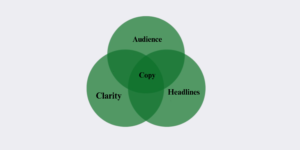
One of the guiding principles of copywriting is clarity. Exceptional copy is simple to understand, even for someone unacquainted with the product or service.
The beauty of simplicity in copywriting lies in its universal appeal. Whether you’re targeting experts in a niche industry or a broad audience, clear and straightforward language ensures that your message resonates with everyone. Remember, the goal is not to impress with complex vocabulary but to communicate effectively.
-
Understanding Your Audience:
Effective copywriting necessitates an intimate understanding of your target audience. It speaks directly to their needs, desires, and pain points.
Imagine you’re a fitness trainer offering personalized workout plans. Your copywriting approach would vary greatly when addressing fitness enthusiasts looking to build muscle versus individuals seeking weight loss solutions. Understanding your audience allows you to tailor your message and create content that resonates deeply.
-
Crafting Compelling Headlines:
A well-crafted headline possesses the potential to make or break your content. It serves as the gateway to your message, beckoning readers to delve deeper.
Headlines are your first opportunity to capture your audience’s attention. Think of them as the doorway to your content. An enticing headline can enthrall readers, encouraging them to explore further, while a lackluster one can deter them from diving into your message. Crafting compelling headlines is both an art and a science, involving a mix of creativity and understanding what appeals to your target audience.
Copywriting Techniques
-
Harnessing Emotional Appeal:
The adept copywriter harnesses the power of emotions in their content. Whether it’s evoking urgency, nostalgia, or a sense of belonging, emotions are potent motivators.
Emotions are the driving force behind many purchasing decisions. When you evoke the right emotions in your audience, you create a connection that goes beyond the transaction. Effective copywriting makes customers feel something, whether it’s excitement, trust, or a sense of belonging.
-
The Call to Action:
Every piece of copywriting should include a clear and compelling call to action. This seemingly simple yet pivotal element instructs the reader on the next steps, be it making a purchase, subscribing, or initiating contact.
A call to action (CTA) is your way of guiding your audience towards the desired action. It’s like a signpost on a road, telling travelers which direction to take. Whether you want your readers to buy a product, sign up for a newsletter, or contact your business, a well-crafted CTA can make a significant difference in conversion rates.
Copywriting in Practice
-
Real-Life Examples:
To provide a tangible understanding of copywriting’s application in the real world, let’s delve into a few case studies:
-
Product Descriptions:
E-commerce websites employ persuasive product descriptions to entice customers into making a purchase. When you read a product description that not only lists the features but also highlights how those features benefit you, you’re experiencing persuasive copywriting.
Imagine you’re shopping for a new smartphone. One product description focuses on technical specifications, while another paints a vivid picture of how the smartphone’s advanced camera will capture cherished moments with stunning clarity. The latter description is likely to sway your decision because it speaks to your desires and emotions.
-
Email Marketing:
The domain of email marketing relies heavily on effective copy to boost open and click-through rates. When you receive an email with a subject line that piques your curiosity and a message that speaks directly to your needs, you’re witnessing the power of persuasive copywriting.
Consider your own inbox. How many emails do you receive daily? Among them, which ones do you open and engage with? The emails that stand out are the ones that effectively use copywriting techniques to grab your attention and entice you to take action.
-
Advertising Campaigns:
Billboards, radio advertisements, and online banners all leverage persuasive copy to capture attention and drive engagement. When you see a billboard on your commute that features a witty and memorable slogan, you’re experiencing the impact of copywriting.
Advertising spaces are limited, and competition is fierce. Effective copywriting condenses a message into a few words or seconds while leaving a lasting impression. Whether it’s a catchy jingle or a clever tagline, a well-crafted copy can make a brand or product memorable.
-
Copywriting Tools and Resources:
For those aspiring to master the art of copywriting, numerous online courses and tutorials are available. These resources serve as invaluable aids, imparting knowledge on the intricacies of effective copywriting.
Learning copywriting is a journey, and there are abundant resources to help you along the way. Online courses, webinars, and tutorials offer structured learning experiences, allowing you to develop your skills systematically. Whether you’re a novice or a seasoned writer looking to enhance your persuasive abilities, these resources cater to various skill levels.
-
Recommended Copywriting Books:
Several books offer profound insights into the world of copywriting. They span various techniques, strategies, and tips to help sharpen your copywriting skills.
Books have been a source of knowledge and inspiration for generations of copywriters. They offer an in-depth exploration of copywriting principles, often accompanied by practical exercises and examples. If you prefer self-paced learning, books can be your trusted companions on your copywriting journey.
The Future of Copywriting
-
Adapting to Technological Advances:
In the age of artificial intelligence and automation, copywriting is also evolving. Copywriters now collaborate with AI to enhance their productivity and precision.
Technology is transforming the landscape of copywriting. AI-powered tools can analyze data, generate content, and even provide insights into consumer behavior. Copywriters of the future will need to embrace these technological advancements while retaining their creative flair. The synergy between human creativity and machine efficiency holds tremendous potential.
-
Content in the Digital Age:
The digital realm has ushered in a new era of content creation and consumption. Understanding how to craft effective copy for websites, social media, and other digital platforms is a skill that continues to gain prominence.
In the digital age, content is omnipresent. From websites and blogs to social media and email, businesses and individuals are constantly producing content to engage their audiences. Copywriters must adapt to the nuances of different digital platforms, ensuring that their messages are not only persuasive but also optimized for online visibility.
Conclusion
In conclusion, copywriting stands as the bedrock of effective communication in marketing and advertising. It’s the art of using words to forge a powerful connection with your audience, motivating them to take action and ultimately achieve your business goals.
By grasping the essentials of copywriting, you unlock its potential to drive conversions, establish a compelling brand identity, and connect with your audience on a profound level.
So, what is copywriting? It’s the craft of using words to make your message resonate, and it’s a skill that’s indispensable in today’s digital age. As you embark on your journey through the intricacies of copywriting, remember that simplicity, clarity, and an acute understanding of your audience are your greatest allies. With this knowledge, you’re well-equipped to unlock the full potential of words in the world of copywriting. Happy writing!