



Benefit segmentation is a marketing strategy that groups customers based on the specific benefits or value they seek from a product or service. Unlike demographic or geographic segmentation, which categorizes customers by who they are or where they live, benefit segmentation focuses on why customers buy—the particular advantages or solutions they want. This approach enables brands to tailor marketing messages, product features, and offers that resonate deeply with diverse customer motivations, driving better engagement, conversion, and loyalty.

What Is Benefit Segmentation?
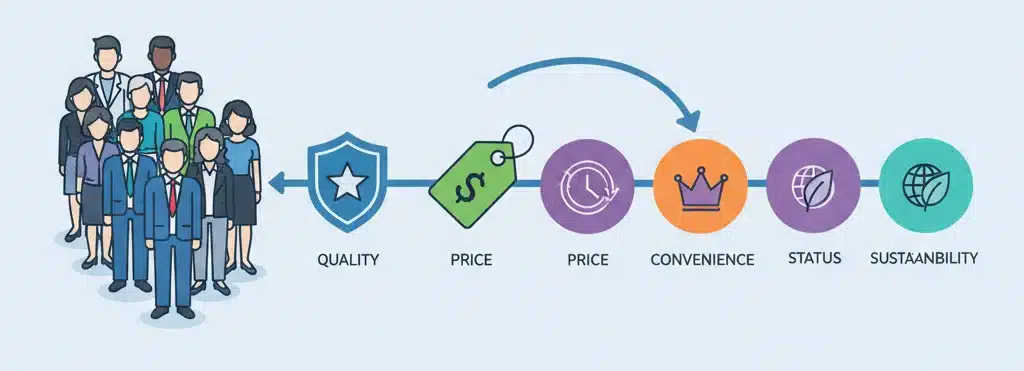
Benefit segmentation divides a customer base according to the perceived value or benefits consumers derive from a product or service. Customers purchase the same product for different reasons depending on the benefits that matter most to them. For instance, in athletic footwear, some customers prioritize comfort and fit; others seek style or brand status; some focus on performance features related to their sport. By understanding these differing motivations, companies can create targeted marketing and customized offerings that meet distinct needs.
How benefit segmentation works is by identifying all possible benefits customers seek—such as quality, price, convenience, features, or prestige—and grouping customers based on which benefits they primarily value. These groups or “segments” can overlap, as customers often care about multiple benefits but may prioritize one or two. Marketers then craft messaging and offers aligned with each segment’s benefit motivations to maximize appeal and conversion.
How Benefit Segmentation Works: Step-by-Step
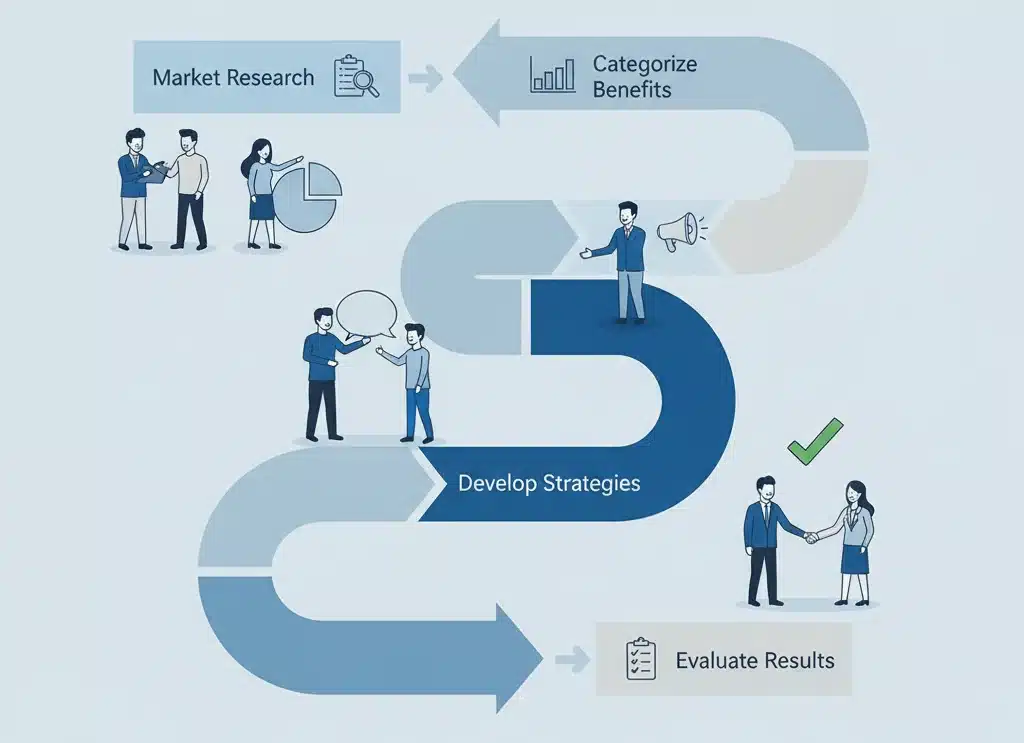
- Conduct Market Research
-
-
- Identify key benefits your product/service offers.
- Use customer surveys, interviews, reviews, and behavior data to discover which benefits customers prioritize.
- Analyze this data to uncover how different customer groups value various benefits.
-
- Define Benefit Segments
-
-
- Group customers based on shared benefit priorities such as affordability, quality, convenience, status, or sustainability.
- Profile each segment with additional data on demographics, behavior, and consumption patterns.
-
- Targeted Marketing and Product Strategy
-
-
- Tailor messaging to highlight the benefits most important to each segment.
- Develop different product versions or price tiers addressing specific benefit needs.
- Choose marketing channels favored by each segment.
-
- Evaluate and Refine
-
- Track segment performance via engagement, conversion, and profitability metrics.
- Collect ongoing feedback to refine benefits focus.
- Update segmentation as market preferences evolve.
Real-World Examples of Benefit Segmentation

- Apple segments laptop customers by benefit: portability seekers (MacBook Air), power users (MacBook Pro), and price-conscious buyers (base models). Each segment receives tailored messaging and products aligned with their primary benefit motivations.
- Nike segments customers by performance needs, fitness lifestyle, and fashion. Performance athletes prioritize competitive technology, casual users seek comfort, while fashion-conscious customers value trendsetting designs.
- Starbucks targets benefit segments based on occasion and needs—morning commuters prioritize speed and caffeine; social customers look for ambiance and community; premium customers seek specialty beverages.
- Neutrogena segments skincare customers by benefit needs such as oily vs. dry skin treatments, sensitivity, or anti-aging solutions.
- Chevrolet markets different vehicles emphasizing benefits varying from versatility and safety to driving excitement and luxury, appealing to diverse customer priorities.
Advantages of Benefit Segmentation
- Enables highly relevant and personalized marketing that increases engagement and conversion.
- Improves customer experience by aligning product and messaging to customer needs.
- Guides product development toward features and tiers valued by different customer groups.
- Optimizes marketing spend by focusing on the most valuable segments.
- Supports pricing strategies aligned with segment value perceptions.
- Builds stronger customer loyalty through understanding and fulfilling specific desires.
Challenges of Benefit Segmentation
- Requires significant research investment in gathering and analyzing customer benefit data.
- Execution complexity rises with multiple segments needing distinct marketing, products, and logistics.
- Overlapping benefits among customers complicate clear segment distinctions.
- Risks over-segmentation that diffuses focus and increases costs disproportionately.
- Marketing must evolve as customer benefit preferences shift over time.
Related Read: Types of Market Segmentation: How to Target Your Ideal Customers
How to Implement Benefit Segmentation

- Start with customer audits and surveys focused on why customers buy your products.
- Identify your product’s tangible and intangible benefits as perceived by customers.
- Segment customers by primary benefit priorities and build detailed profiles.
- Develop and test customized marketing messages and product offers per segment.
- Measure key metrics such as engagement, conversion, retention, and profitability for each segment.
- Continuously iterate based on data and evolving market conditions.
Measuring Success
Key performance indicators for benefit segmentation include segment-specific engagement rates, conversion rates, customer lifetime value, repeat purchase rates, net promoter score (NPS), and return on marketing investment. Tracking these metrics helps optimize segmentation strategy and resource allocation.
Conclusion
Benefit segmentation represents a fundamental shift from thinking about customers as demographic categories to understanding them as groups unified by the specific value they seek. Companies that implement benefit segmentation effectively—like Apple, Nike, and Starbucks—create marketing and product strategies that resonate deeply with customer motivations, drive higher engagement and conversion rates, and build sustainable competitive advantages.
The implementation challenge is real. Benefit segmentation requires research investment, operational sophistication, and continuous evolution. However, the competitive advantages—more engaged customers, higher conversion rates, stronger loyalty, improved product development, and ultimately superior business performance—justify the investment for most businesses.

Passionate about blogging and focused on elevating brand visibility through strategic SEO and digital marketing. Always tuned in to the latest trends, I’m dedicated to maximizing engagement and delivering measurable ROI in the dynamic world of digital marketing. Let’s connect and unlock new opportunities together!