



Lead generation remains a top priority for marketers worldwide, with studies showing that 79% of marketers identify it as their number one goal. Yet, generating leads that actually convert into paying customers presents a significant challenge. Understanding the different types of sales leads and how to close them effectively is essential to maximizing your sales success.
Sales leads are potential customers who have shown some level of interest in your product or service or fit your ideal customer profile. In this blog, we’ll break down the seven most common types of sales leads, explain their unique characteristics, and provide actionable strategies to close each type efficiently.
By the end, you’ll have a clear understanding of how to nurture leads according to their category and boost your overall conversion rates.
What Are Sales Leads?
Sales leads represent individuals or organizations that could become customers because they either fit your ideal customer profile or have shown interest in your offerings. Leads are the foundation of your sales funnel and play a critical role in driving revenue growth.
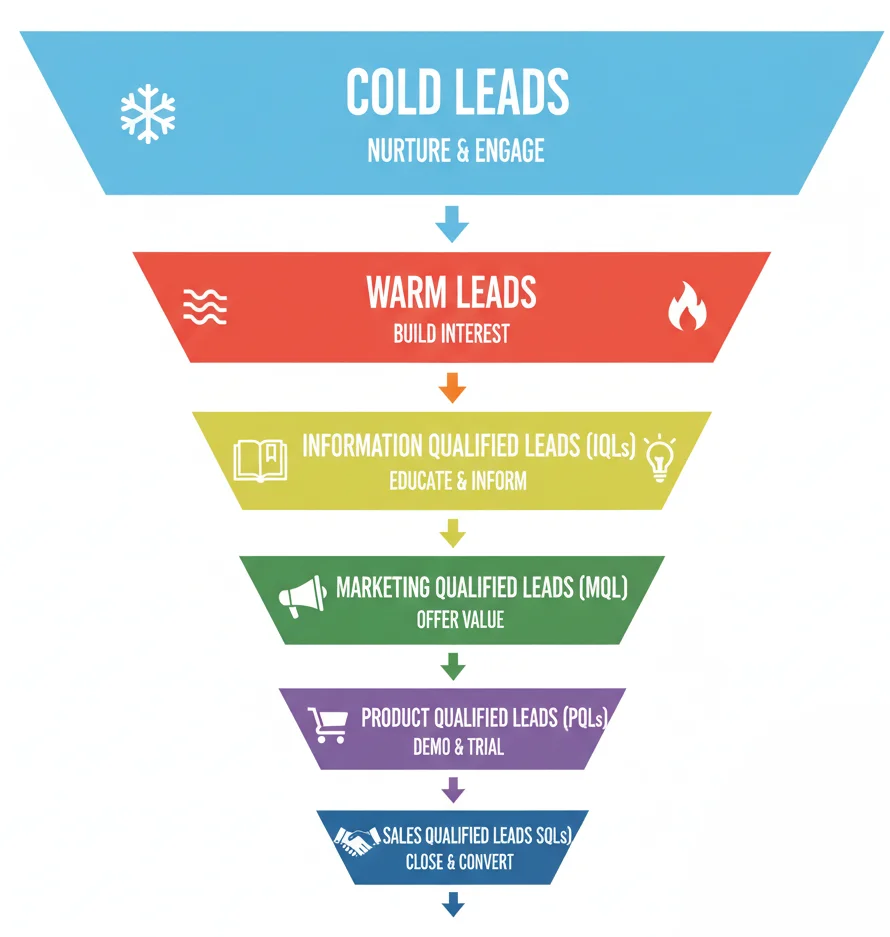
Key Points:
- Inbound vs. Outbound Leads: Inbound leads come from potential customers actively seeking your product or service, while outbound leads are generated through proactive outreach by your sales or marketing teams.
- Importance of Lead Classification: Classifying leads based on their behavior and readiness to buy enables you to tailor your communication and closing strategies for better efficiency.
- 7-Type Framework Overview: The following seven types provide a comprehensive classification to understand and close leads at different stages of the buyer journey.
The 7 Types of Sales Leads
1. Cold Leads

Cold leads are prospects who have not previously demonstrated any interest in your company or products but fit your target audience profiles based on external research or purchased lists. If cold lead sourcing is still largely manual, exploring top AI prospecting platforms can help you automate account discovery, enrich contact data, and personalize first-touch outreach at scale.
How to Close Cold Leads:
- Implement targeted email drip campaigns that gradually introduce your value proposition.
- Use cold calls or social selling to initiate a conversation about pain points.
- Share educational content to nurture awareness and build trust over time.
Note: Converting cold leads requires patience and persistence, as these prospects require significant nurturing before moving toward a sale.
2. Warm Leads

Warm leads have shown some familiarity or engagement with your brand but have not yet committed to a purchase. They might have subscribed to your emails, engaged with your social media, or downloaded content previously.
How to Close Warm Leads:
- Send personalized emails highlighting benefits relevant to their interests.
- Include strong, clear calls to action in your communications.
- Have your sales team arrange conversations or demos to re-engage these prospects.
Warm leads represent a valuable opportunity because their prior interactions mean they’re already somewhat receptive to your messaging.
3. Hot Leads
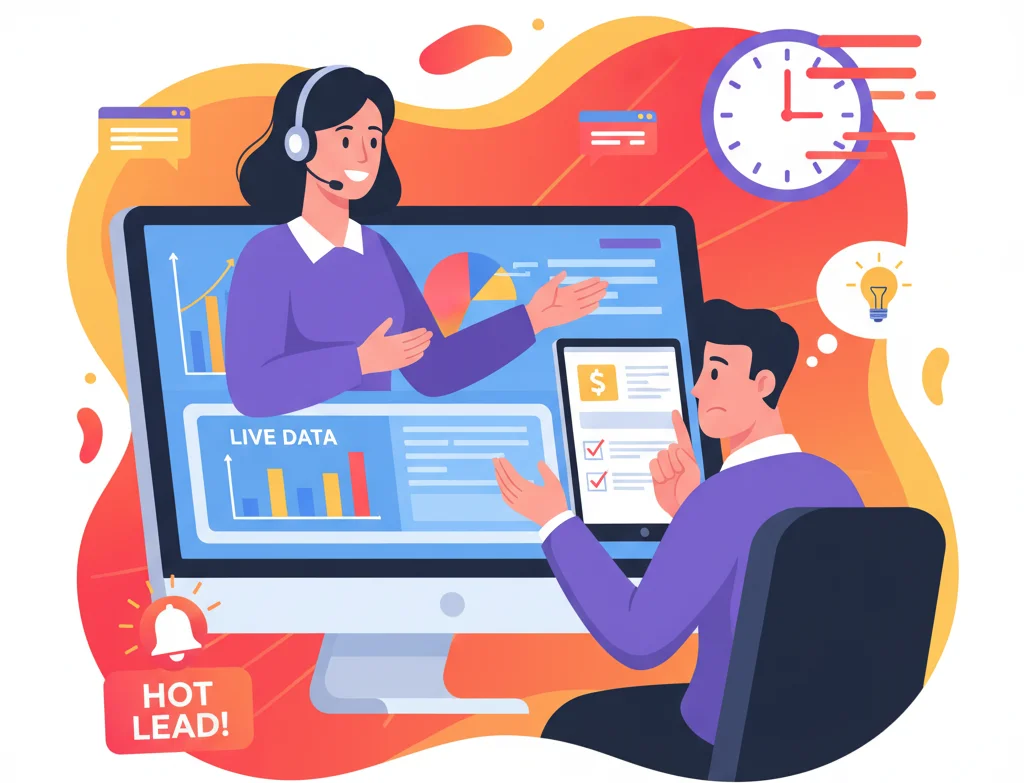
Hot leads are highly interested prospects who have actively expressed intent to buy or engaged deeply with your offerings—for example, by requesting a demo or a free trial.
How to Close Hot Leads:
- Respond immediately and provide a clear sales pitch focused on their needs.
- Offer personalized product demos or trial periods.
- Highlight the benefits of your solution with urgency to prevent them from turning to competitors.
Because hot leads have already indicated strong buying signals, prompt and tailored follow-up is crucial to securing the sale.
4. Information Qualified Leads (IQLs)

IQLs are prospects beginning to research solutions for their pain points but haven’t yet moved toward purchasing. They engage by downloading guides, signing up for newsletters, or attending webinars.
How to Close IQLs:
- Use educational content to demonstrate your expertise.
- Incorporate strong, relevant calls to action in your materials.
- Personalize their website and email experience based on their interests.
IQLs seek knowledge, so supplying helpful, solution-focused content builds trust and pushes them down the funnel.
5. Marketing Qualified Leads (MQLs)
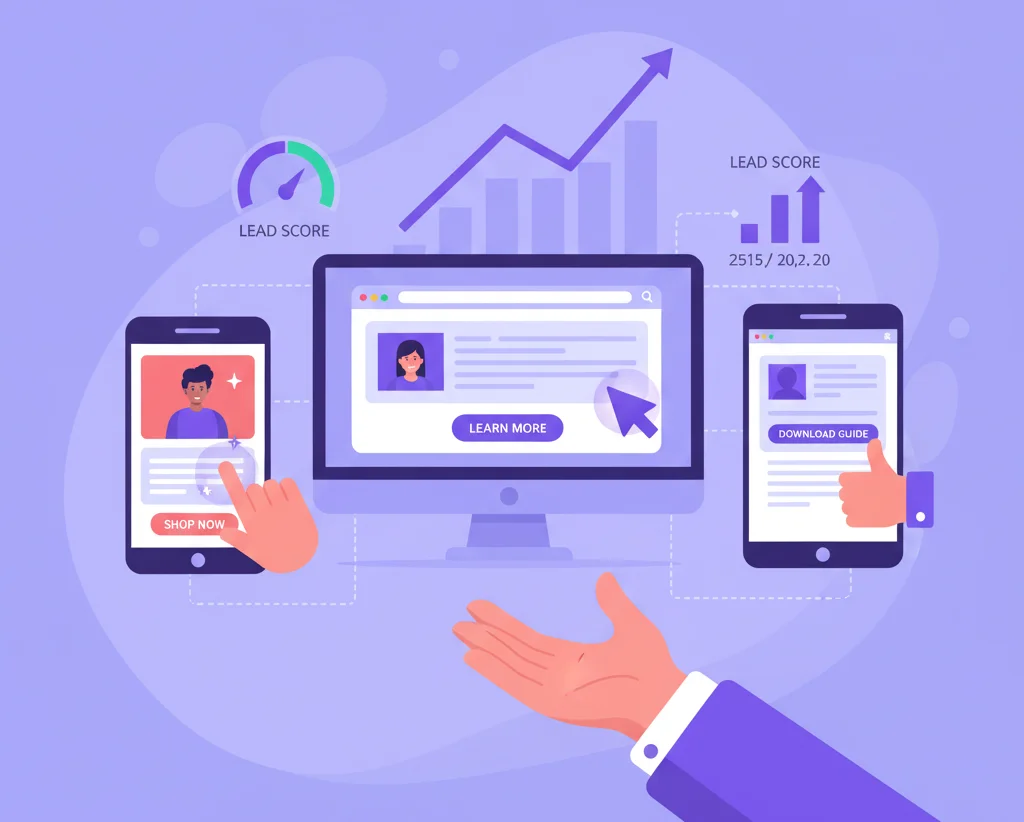
MQLs meet lead qualification criteria set by marketing based on behaviors indicating interest, like interacting with ads or frequently visiting particular website pages.
How to Close MQLs:
- Maintain contact through well-crafted email nurturing campaigns.
- Create engaging content such as case studies, guides, or FAQs.
- Personalize messaging to align with their behavior and preferences.
Transitioning MQLs to sales involvement ensures that only leads with high potential receive direct sales efforts, optimizing resources.
6. Product Qualified Leads (PQLs)
PQLs arise when prospects experience the product firsthand through free trials, demos, or freemium models. Their usage behavior signals potential for conversion.
How to Close PQLs:
- Follow up promptly after trial periods with tailored messaging.
- Address any objections based on trial experience.
- Present onboarding and support resources to maximize perceived value.
Since PQLs have direct experience with the product, their conversion depends on highlighting ROI and user benefits.
7. Sales Qualified Leads (SQLs)
SQLs are leads vetted and approved by the sales team as ready for one-on-one outreach. They fit the ideal customer profile, have clear pain points, budget, authority, and buying timelines.
How to Close SQLs:
- Conduct discovery calls or meetings to understand needs deeply.
- Customize sales proposals to address specific challenges.
- Utilize negotiation and closing techniques aligned with buyer readiness.
SQLs have the highest likelihood to close, so focused and consultative selling is most effective.
Comparative Analysis Table
| Lead Type | Characteristics | Best Tactics | Time to Close | Conversion Rate |
| Cold Leads | No prior interaction, ideal fit | Email drip, calls, nurture | Long term | Low |
| Warm Leads | Some brand familiarity | Personalized emails, demos | Medium term | Moderate |
| Hot Leads | Active interest shown | Immediate follow-up, demos | Short term | High |
| Information Qualified Leads | Early research stage | Educational content, CTAs | Medium term | Moderate |
| Marketing Qualified Leads | Engaged with marketing efforts | Nurture emails, personalized | Medium term | Moderate |
| Product Qualified Leads | Trial or product experience | Direct follow-up, onboarding | Short to medium term | High |
| Sales Qualified Leads | Sales vetted, ready to buy | Consultative selling, proposals | Short term | Very High |
Lead Qualification Framework
Effectively classifying a lead ensures customized follow-ups:
- Utilize lead scoring based on engagement, fit, and intent.
- Deploy CRM tools to tag leads by behavior and attributes.
- Regularly review interactions to update lead status.
- Move leads between categories as they progress in the funnel.
- Avoid misclassification to save time and increase close rates.
Common Lead Generation Channels for Each Type
| Lead Type | Typical Channels | Cost Considerations |
| Cold Leads | Purchased lists, outbound calls | Higher acquisition cost |
| Warm Leads | Website visits, blog subscribers | Moderate, content-driven |
| Hot Leads | Demo requests, direct inquiries | Lower, high engagement |
| IQLs | Content downloads, webinars | Content production cost |
| MQLs | Paid ads, retargeting campaigns | Paid media spend |
| PQLs | Free trials, freemium services | Product development cost |
| SQLs | CRM-qualified, sales outreach | Sales team time and resources |
Action-Oriented Closing Tips Across All Lead Types
- Follow up promptly and consistently.
- Personalize messaging to address specific pain points.
- Use CRM software to track interactions and optimize timing.
- Provide social proof and case studies.
- Use limited-time offers for urgency.
- Ask qualifying questions to tailor your solution.
- Continually analyze and refine your sales process.
Lead Scoring & Prioritization Strategy
- Assign numeric scores to lead behaviors and demographics.
- Prioritize hot and sales-qualified leads for immediate outreach.
- Use automated workflows to nurture warm, IQL, and MQL leads.
- Reallocate resources based on lead quality and response.
- Focus on ROI by tracking conversions by lead type.
Conclusion
Understanding and properly categorizing your leads into these seven types unlocks a more strategic sales approach. It empowers your team to nurture prospects with the right messaging at the right time, dramatically improving conversion rates.
Start by evaluating your current leads and applying this seven-type framework to optimize your sales efforts and accelerate revenue growth.
Frequently Asked Questions (FAQs)
1. What is a sales lead?
A sales lead is a person or company that fits your ideal customer profile and has shown some level of interest—or fits the profile closely enough—to potentially buy your products or services. Leads enter your sales funnel as prospects to nurture towards a purchase.
2. What is the difference between cold, warm, and hot leads?
- Cold Leads: Have not interacted with your brand yet but fit your target customer profile.
- Warm Leads: Have shown some interest, such as engaging with your content or following your brand.
- Hot Leads: Have expressed a clear intent to buy and are ready for immediate sales engagement.
3. What are Information Qualified Leads (IQLs)?
IQLs are prospects who are researching solutions for their problems. They engage with educational content like blogs, guides, or webinars but are not yet considering purchase decisions.
4. How are Marketing Qualified Leads (MQLs) different from Sales Qualified Leads (SQLs)?
- MQLs are leads that meet specific marketing engagement criteria indicating interest but are not yet ready to buy.
- SQLs have been vetted by sales teams and are ready for direct sales outreach based on their readiness to make a purchase decision.
5. What are Product Qualified Leads (PQLs)?
PQLs come from prospects who have experienced your product firsthand through free trials or freemium versions. Their usage behavior signals a higher likelihood to convert into paying customers.
6. How should I prioritize different types of leads?
Prioritize hot and sales qualified leads (SQLs) first due to their higher readiness to buy. Warm, MQLs, and PQLs require nurturing before moving toward sales engagement. Cold leads need extensive awareness-building efforts.
7. Can lead types change over time?
Yes, leads can evolve through the buying journey—for example, a cold lead can become warm after engaging with content, and a warm lead can become hot after requesting a demo.
8. What are the best ways to close hot leads?
Respond quickly with personalized sales pitches, offer product demos or trials, and highlight the urgency and benefits that meet their needs.
9. How do I measure the conversion success of different lead types?
Track metrics like average time to close, conversion rates, and lead engagement levels in your CRM. Comparing these across lead types helps identify where to focus sales efforts.

Passionate about blogging and focused on elevating brand visibility through strategic SEO and digital marketing. Always tuned in to the latest trends, I’m dedicated to maximizing engagement and delivering measurable ROI in the dynamic world of digital marketing. Let’s connect and unlock new opportunities together!