


Email marketing remains one of the most powerful tools for businesses to connect with their audience, boasting an impressive return on investment of $36 for every $1 spent. Yet despite the ubiquity of email, many marketers struggle to get their campaigns noticed and engaged with. Why? Because email users are far from a homogenous group. Each user interacts with their inbox differently, making it essential to understand these differences and tailor your approach accordingly.

This blog dives into the 7 distinct types of email users and presents effective strategies to engage each one, helping boost open rates, clicks, and conversions.
Understanding Email User Psychology
The Science Behind Email Behavior
People make split-second decisions about whether to open an email based on cognitive triggers like subject lines, sender recognition, and timing. With 55% of emails opened on mobile devices and an average attention span of 9 seconds for brand emails, marketers must optimize for quick, clear communication.
Why User Type Matters More Than Demographics
Behavioral segmentation — grouping users by how they interact with email — outperforms demographic targeting. Segmented campaigns drive up to 760% more revenue by respecting user preferences and reducing inbox fatigue.
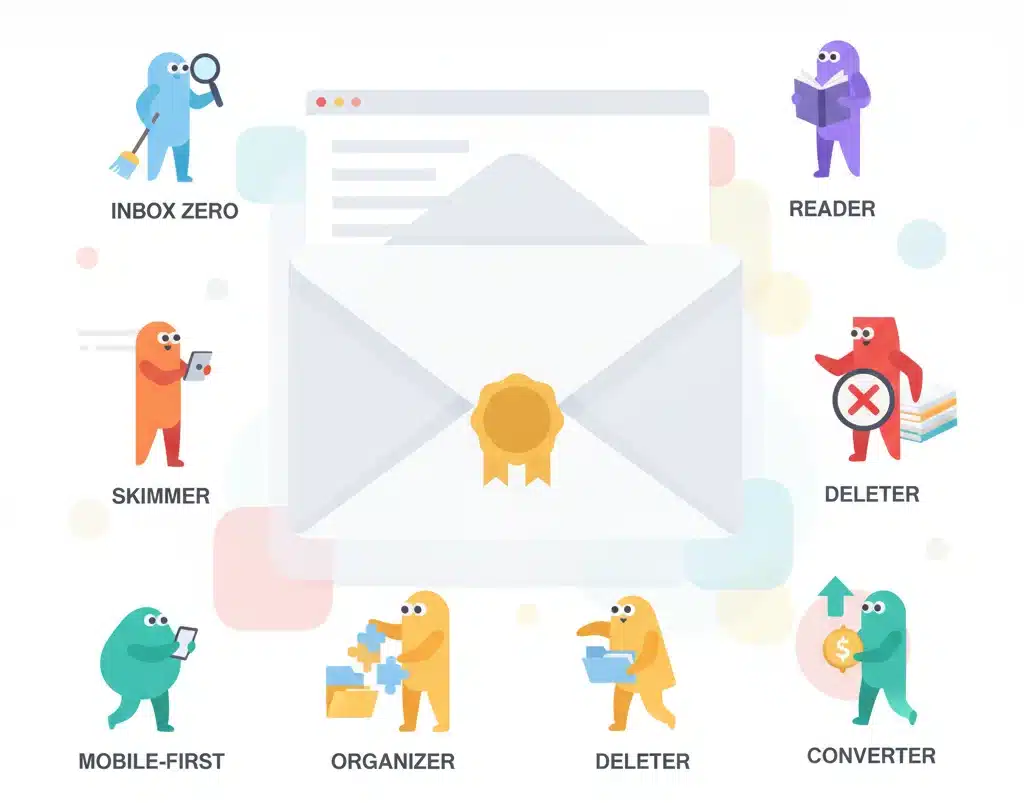
The 7 Types of Email Users
1. The Inbox Zero Perfectionist
These users have strict inbox management habits, reading, sorting, and labelling every email diligently. They check emails 10-20 times a day and appreciate clarity and structure.
Engagement Tips:
- Use descriptive, purpose-driven subject lines
- Provide clear sender identification
- Maintain a consistent schedule
- Format emails for easy scanning with bullet points
2. The Selective Skimmer
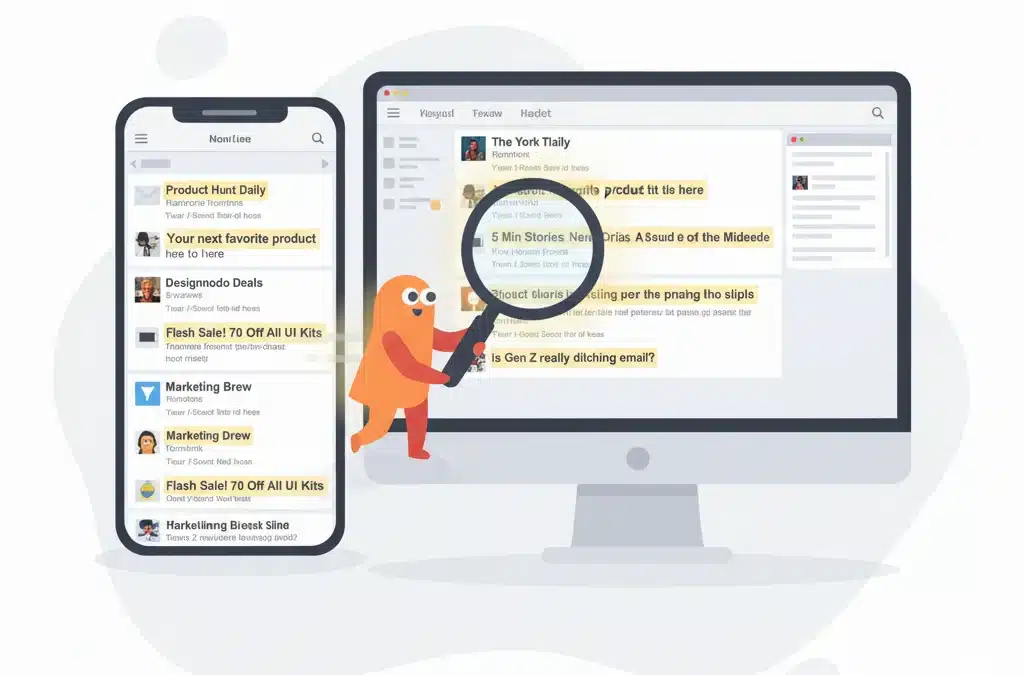
Selective skimmers scan sender names and subject lines. They do not read everything but decide quickly based on cues. They tolerate many unread emails and rely on the search function for important messages.
Engagement Tips:
- Personalize “From” fields with real names
- Craft curiosity-driven subject lines with clear value
- Use preview text effectively
- A/B test emoji use to increase open rates
3. The Engagement-Driven Reader

These users open emails mainly to clear unread badges and may not consume full content but sometimes mark messages to read later.
Engagement Tips:
- Front-load key info in preview text
- Keep messages concise with a single clear call-to-action
- Use progressive profiling to gather more user data
- Design short emails with direct value
4. The Tactical Deleter

Tactical deleters actively delete unwanted emails to manage overload. Deletion signifies completion or irrelevance.
Engagement Tips:
- Deliver hyper-relevant content via segmentation
- Use time-sensitive offers and clear expirations
- Provide immediate value
- Make unsubscribing easy to avoid being marked as spam
Also Read: 11 Types of Marketing Emails That Will Get a Response
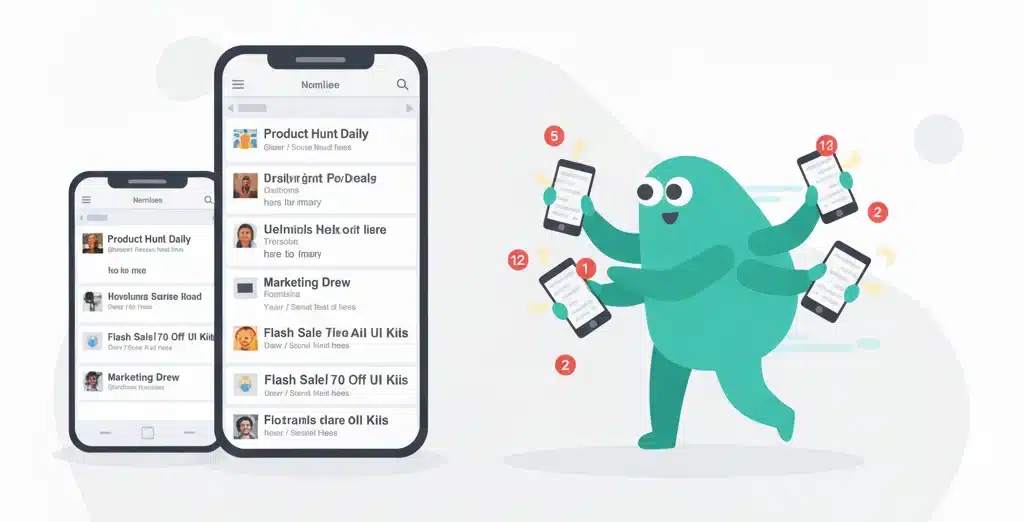
5. The Mobile-First Scanner
Primarily accessing email on smartphones, these users make rapid, visually-driven open/reject decisions.
Engagement Tips:
- Ensure mobile-responsive designs with touch-friendly CTAs
- Keep subject lines under 60 characters
- Use strong visual hierarchy
- Test across mobile email clients
6. The Automation-Savvy Organizer
These power users employ filters, folders, and automated workflows to manage volume.
Engagement Tips:
- Maintain consistent branding and template design
- Use automated drip campaigns with logical sequences
- Clearly number and label email series
- Provide preference centers for customization
7. The Value-Driven Converter

These users seek promotions, deals, and actionable content, showing high purchase intent.
Engagement Tips:
- Lead with value in subject lines
- Use social proof and testimonials
- Employ behavioral triggers like cart abandonment
- Personalize offers according to purchase history
Advanced Engagement Strategies by User Type
- Use dynamic, behavior-based content personalization
- Optimize send times with AI
- Leverage predictive analytics for user preferences
- Implement behavioral triggers tied to website and purchase behavior
- Strategically vary content complexity and CTA placement based on user type
Multi-Type Targeting Strategies
- Identify hybrid users who show multiple engagement patterns
- Recognize seasonal and lifecycle changes influencing user behavior
- Use progressive profiling and CRM integrations to refine targeting
Measuring Success Across User Types
- Track opens, clicks, conversions, and engagement scores per segment
- Employ A/B and multivariate testing to optimize subject lines, content, and timing
- Correlate engagement with customer lifetime value for ROI insights
Implementation Roadmap
- 0–30 Days: Audit email platform, identify user types, set up segmentation
- 30–90 Days: Implement A/B tests, automate behavioral triggers, monitor metrics
- 90+ Days: Adopt AI personalization, integrate cross-channel data, refine predictive models
Common Pitfalls and Compliance
- Avoid over-segmentation to maintain manageable campaigns
- Ensure GDPR, CCPA compliance in data use and personalization
- Maintain transparency with subscribers about data collection and preferences
Conclusion
Understanding and engaging the 7 different types of email users will dramatically improve your marketing ROI, with personalized segmentation driving up to 320% revenue increases. By aligning your content, timing, and tactics to user behavior patterns, your email campaigns can become more effective, welcomed, and profitable.

Passionate about blogging and focused on elevating brand visibility through strategic SEO and digital marketing. Always tuned in to the latest trends, I’m dedicated to maximizing engagement and delivering measurable ROI in the dynamic world of digital marketing. Let’s connect and unlock new opportunities together!