


Ranking on Google today is no longer just about optimizing your website pages. Even if your on-page SEO is perfect, your rankings can stagnate without strong authority and trust signals from outside your site.

That’s where Off-Page SEO becomes critical.
Search engines evaluate not only what you say about yourself but what others say about you. Backlinks, brand mentions, reviews, social signals, and digital reputation all influence your rankings.
This detailed guide will walk you through a complete Off-Page SEO Checklist that helps boost your keyword rankings, increase authority, and strengthen your online presence.
What Is Off-Page SEO?
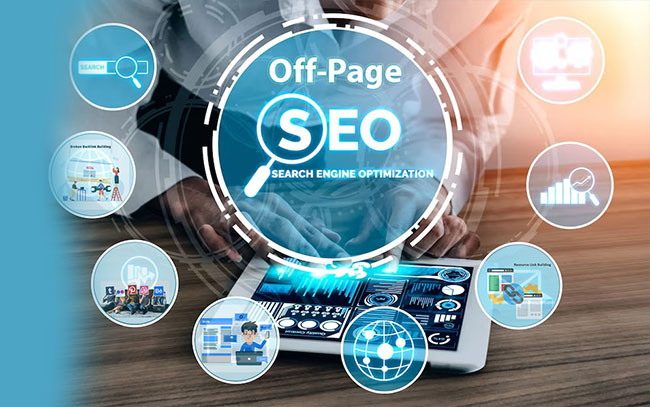
Off-Page SEO refers to all optimization activities that occur outside your website but influence your rankings in search engines.
While on-page SEO focuses on:
- Content
- Meta tags
- Keywords
- Internal linking
- Technical structure
Off-page SEO focuses on:
- Backlinks
- Brand mentions
- Social media engagement
- Citations
- Digital PR
- Reputation management
In simple terms, Off-Page SEO builds your website’s credibility, trustworthiness, and authority in the eyes of search engines.
Google sees backlinks and brand signals as “votes of confidence.” The more high-quality endorsements you receive, the stronger your ranking potential.
Off-Page SEO Checklist
Below is a complete, structured Off-Page SEO Checklist covering everything you need to improve rankings sustainably.
Off-Page SEO – Link Building Activities
Link building remains the foundation of Off-Page SEO.
However, modern link building is about quality, relevance, and authority — not quantity.
Let’s break down the most effective link-building strategies.
1. Guest Posting
Guest posting involves writing articles for other websites in your niche.
Why it works:
- Builds authority
- Earns contextual backlinks
- Reaches new audiences
- Strengthens brand positioning
Best practices:
- Target niche-relevant websites
- Focus on quality publications
- Avoid spammy link farms
- Provide real value, not promotional fluff
Well-executed guest posting strengthens your Off-Page SEO without risking penalties.
2. Outreach and Relationship Building
Outreach is about building genuine connections.
Instead of asking for links immediately:
- Engage with industry bloggers
- Comment on their content
- Share their posts
- Collaborate on projects
Relationship-based outreach generates natural backlinks over time and improves brand authority.
3. Content Marketing for Links
High-quality content attracts links naturally.
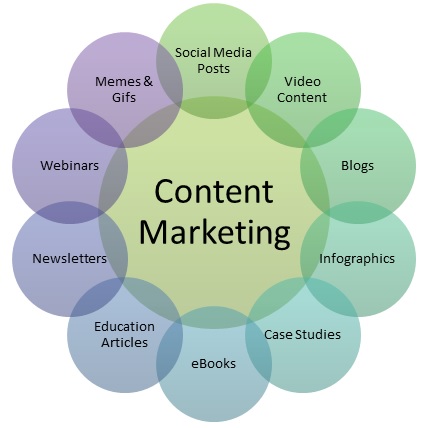
Create:
- Original research studies
- Data-driven insights
- Comprehensive guides
- Industry reports
- Case studies
When your content provides unique value, other websites cite it as a reference, strengthening your Off-Page SEO profile organically.
4. Broken Link Building

This strategy involves:
- Finding broken links on relevant websites
- Reaching out to suggest your content as a replacement
Why it works:
- Website owners appreciate fixing broken links
- You provide immediate value
- It’s a white-hat method
This approach improves your Off-Page SEO while helping other websites.
5. Resource Link Building
Many websites have “resource pages” listing helpful tools and articles.
You can:
- Identify relevant resource pages
- Pitch your content for inclusion
- Highlight why your content adds value
Educational (.edu) and industry resource pages are particularly powerful for authority building.
6. Infographic Submission

Visual content attracts backlinks.
Create:
- Data-driven infographics
- Industry statistics visuals
- Step-by-step process graphics
Then:
- Reach out to bloggers
- Offer embed codes
- Submit to infographic directories
Visual assets amplify your Off-Page SEO efforts effectively.
7. Podcast Appearances
Podcasts provide:
- Brand exposure
- Authoritative backlinks
- Audience trust
When you appear on podcasts, show notes often include backlinks to your website.
This strengthens both brand authority and Off-Page SEO.
8. Content Syndication
Syndicating content means republishing it on high-authority platforms.
However:
- Use canonical tags
- Avoid duplicate content issues
- Choose relevant platforms
Syndication increases visibility and improves your backlink footprint.
9. Video Marketing
YouTube and video platforms are powerful Off-Page SEO assets.
Optimize:
- Video titles
- Descriptions
- Channel profile links
Video backlinks drive referral traffic and brand signals.
10. Image Optimization
If you create original images:
- Use reverse image search to find unauthorized use
- Request proper attribution
- Earn backlinks
Image link reclamation is an overlooked but effective Off-Page SEO tactic.
11. Competitor Link Analysis
Analyze competitor backlink profiles to discover:
- Where they get links
- What content earns links
- Which sites frequently link to industry content
Then replicate and improve those opportunities.
Off-Page SEO – Social Media & Online Presence
While social signals are indirect ranking factors, they amplify visibility.
Social Media Profile Optimization
Ensure:
- Complete bios
- Website links
- Consistent branding
- Updated contact details
Strong profiles support your Off-Page SEO presence.
Social Media Content Sharing
Sharing blog content increases:
- Engagement
- Traffic
- Brand exposure
- Link opportunities
More visibility means higher chances of earning backlinks.
Social Media Contests
Contests generate:
- User-generated content
- Shares
- Brand mentions
All of which contribute to stronger Off-Page SEO signals.
Forum & Blog Commenting
Engage in niche forums and blogs:
- Provide helpful answers
- Avoid spam
- Add real value
Authority grows when you contribute meaningfully to communities.
Influencer Collaboration
Partner with industry influencers for:
- Co-created content
- Joint webinars
- Product reviews
Influencer mentions often generate powerful backlinks.
Off-Page SEO – Local SEO & Citations
If you operate locally, this section of your Off-Page SEO Checklist is critical.
Local Business Citations
Ensure consistent:
- Name
- Address
- Phone number (NAP)
Across:
- Business directories
- Review sites
- Local listings
Consistency improves trust and local rankings.
Customer Reviews & Ratings
Encourage satisfied customers to leave reviews.
Reviews influence:
- Local rankings
- Click-through rates
- Brand trust
Respond professionally to both positive and negative reviews.
Off-Page SEO – Brand Building & Reputation
Brand authority strengthens rankings significantly.
Building a Strong Online Brand
Brand mentions — even without links — signal authority.
Focus on:
- Thought leadership
- Industry interviews
- Social engagement
- Speaking opportunities
Google recognizes brand strength.
Online Reputation Management
Monitor:
- Reviews
- Social mentions
- Press coverage
Address issues proactively to protect authority.
Press Releases & Digital PR
Media coverage can generate:
- High-authority backlinks
- Referral traffic
- Brand credibility
Digital PR is a powerful long-term Off-Page SEO strategy.
Off-Page SEO – Measurement & Analysis
You must track your results.
Backlink Analysis
Monitor:
- Link quality
- Anchor text distribution
- Toxic links
- Link growth trends
Disavow harmful backlinks when necessary.
Social Media Analytics
Track:
- Engagement
- Shares
- Referral traffic
Measure content performance beyond vanity metrics.
Traffic & Conversion Tracking
Ensure backlinks drive:
- Qualified traffic
- Leads
- Conversions
Traffic without conversion is not success.
Rank Tracking
Track:
- Target keywords
- SERP movement
- Competitor rankings
Data-driven Off-Page SEO is sustainable SEO.
FAQs
What is Off-Page SEO in simple terms?
Off-Page SEO includes activities outside your website that improve rankings, such as backlinks, brand mentions, and online reputation.
How important is Off-Page SEO?
Extremely important. Without authority signals, even well-optimized content may struggle to rank.
Is link building still relevant?
Yes, but quality matters more than quantity.
Can social media improve Off-Page SEO?
Indirectly. It increases visibility and link opportunities.
How long does Off-Page SEO take?
Results typically appear within 3–6 months, depending on competition and effort.
Conclusion
A strong Off-Page SEO Checklist is essential if you want to boost keyword rankings sustainably.
While on-page optimization builds the foundation, Off-Page SEO builds authority.
Remember:
- Focus on quality backlinks
- Build relationships
- Strengthen brand presence
- Track performance
- Stay consistent
Off-Page SEO is not a one-time activity — it’s an ongoing process.

An avid blogger, dedicated to boosting brand presence, optimizing SEO, and delivering results in digital marketing. With a keen eye for trends, he’s committed to driving engagement and ROI in the ever-evolving digital landscape. Let’s connect and explore digital possibilities together.