


Search engines are one of the most important sources of traffic for websites today. Every day, billions of people use search engines to find information, products, services, and solutions to their problems. Because of this behavior, businesses rely heavily on search visibility to reach potential customers online.

There are two primary ways businesses can appear in search engine results: organic search and paid search. Organic search focuses on improving website content and structure so that it ranks naturally in search results. Paid search, on the other hand, allows businesses to display advertisements at the top of search results by paying for clicks.
Many businesses struggle to decide which approach is better for them. Some focus only on search engine optimization (SEO), while others rely heavily on pay-per-click (PPC) advertising. In reality, both strategies serve different purposes and can be used together to achieve better marketing outcomes.
This guide explains the key differences between organic search and paid search, how each method works, and when businesses should use them. By understanding their advantages, limitations, and ideal use cases, businesses can build a more effective search marketing strategy.
What Is Organic Search?
Organic search refers to the unpaid listings that appear on search engine result pages (SERPs). These results are ranked by search engine algorithms based on relevance, quality, and usefulness to the user’s search query.
When a user enters a query into a search engine, the algorithm evaluates millions of pages and ranks the most relevant ones. Websites that follow strong SEO practices are more likely to appear higher in these results.
Organic search traffic comes from users who click on these unpaid listings. Businesses do not pay the search engine for each click, but they invest time and resources into improving their website’s content and SEO performance.
Search engines use several factors to determine organic rankings.
- Content relevance to the search query
- Proper keyword usage and optimization
- High-quality backlinks from reputable websites
- Technical SEO elements such as site speed and mobile usability
- Positive user experience signals such as engagement and time on page
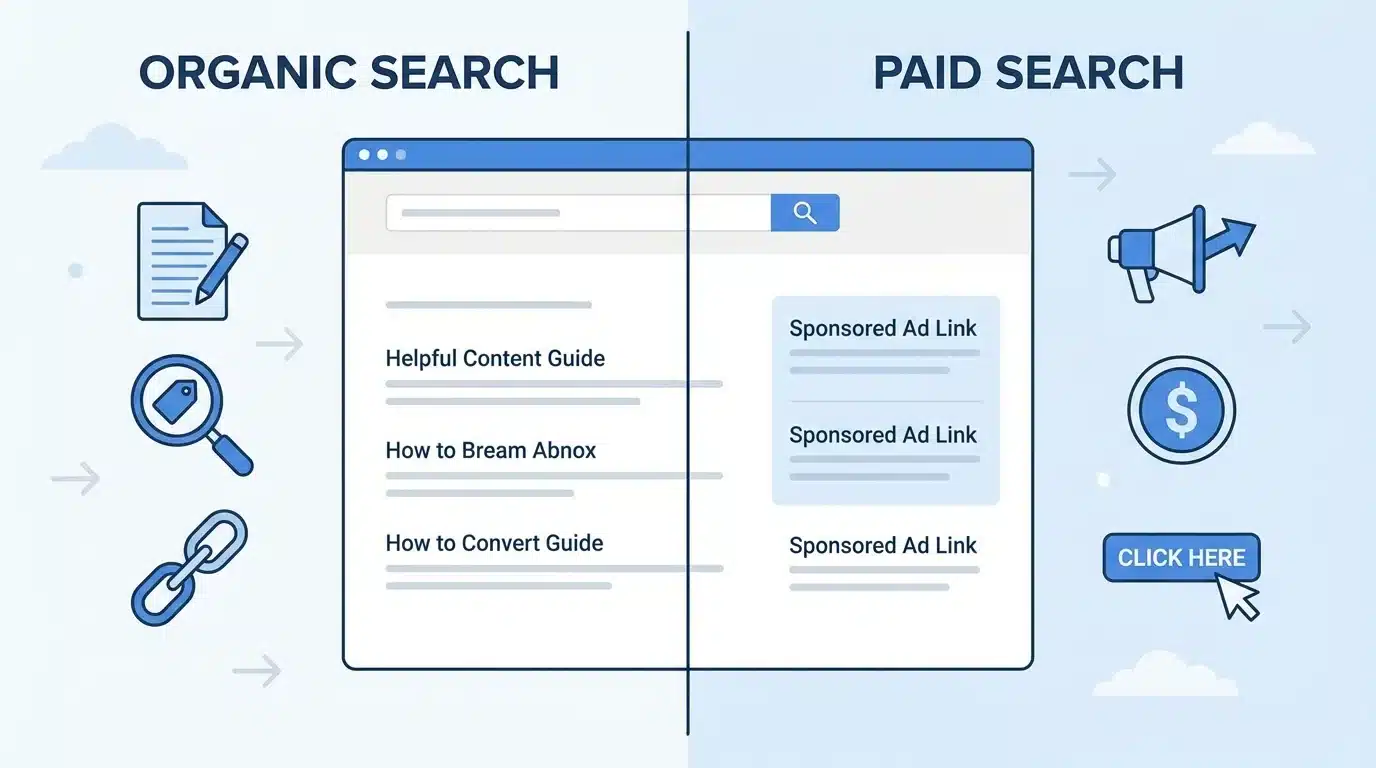
Organic search results usually appear below paid advertisements and are marked without an “Ad” label. Because these listings are not paid placements, many users perceive them as more trustworthy and informative.
What Is Paid Search?
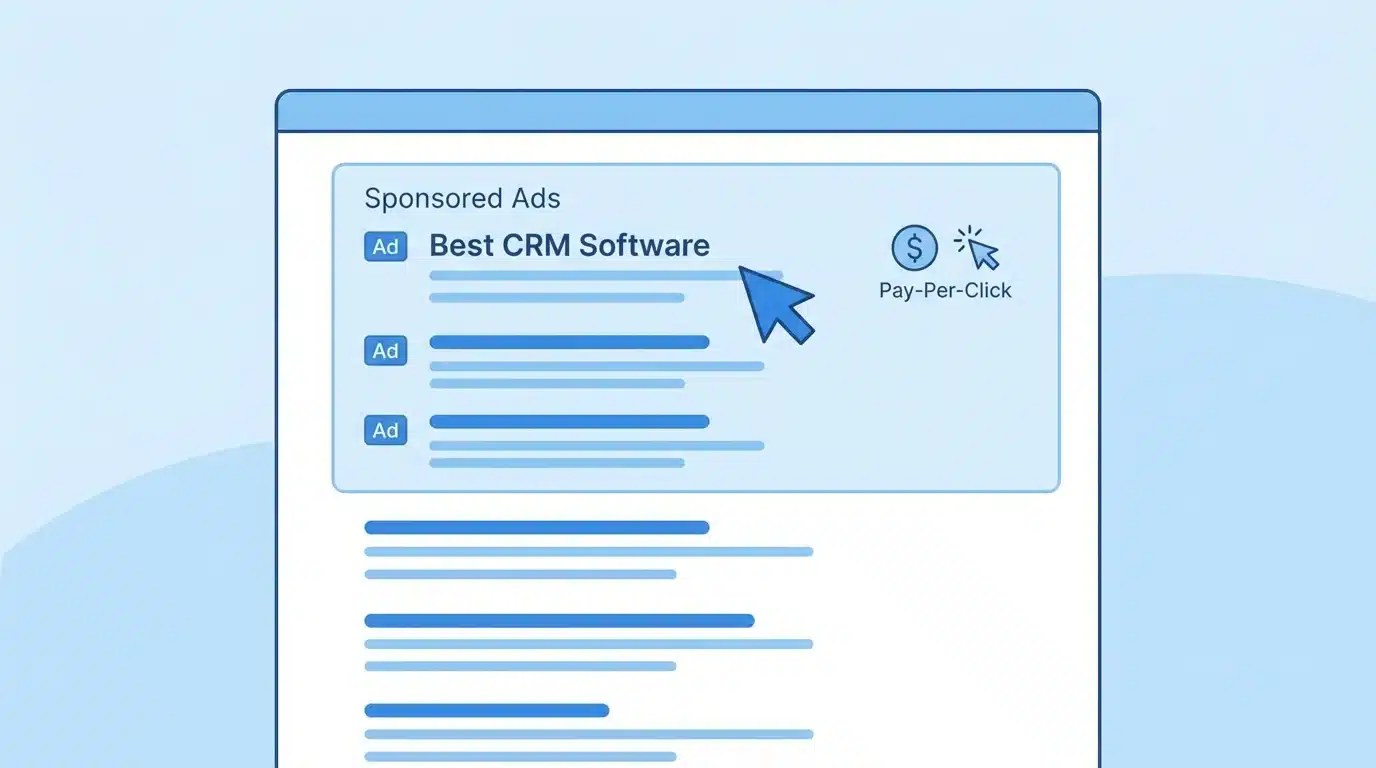
Paid search is a form of digital advertising where businesses pay search engines to display ads on search engine result pages. These ads appear when users search for specific keywords related to a business’s products or services.
Paid search advertising typically operates through a pay-per-click (PPC) model. This means businesses are charged only when someone clicks on their ad.
Paid ads are usually displayed at the top or bottom of search results and are labeled as advertisements. These placements allow businesses to gain immediate visibility, even if their website does not rank organically.
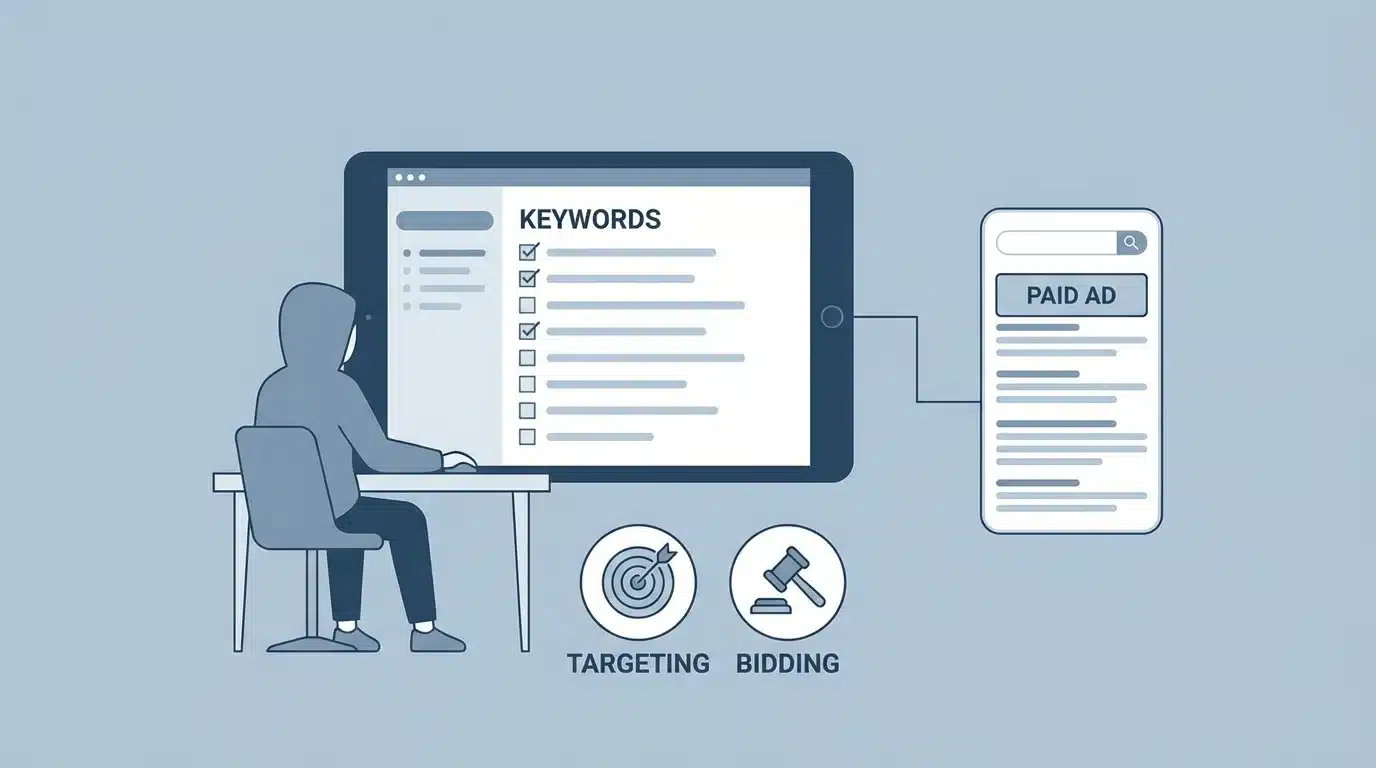
Paid search campaigns work through an auction system. Advertisers choose the keywords they want to target and set bids for how much they are willing to pay per click.
Key elements of PPC advertising include:
- Keyword bidding to determine which search terms trigger ads
- Ad creation including headlines, descriptions, and extensions
- Budget allocation to control daily or campaign spending
- Ad ranking factors such as bid amount and ad relevance
Several major platforms support paid search advertising.
- Google Ads
- Microsoft Advertising (Bing Ads)
- Other search advertising networks
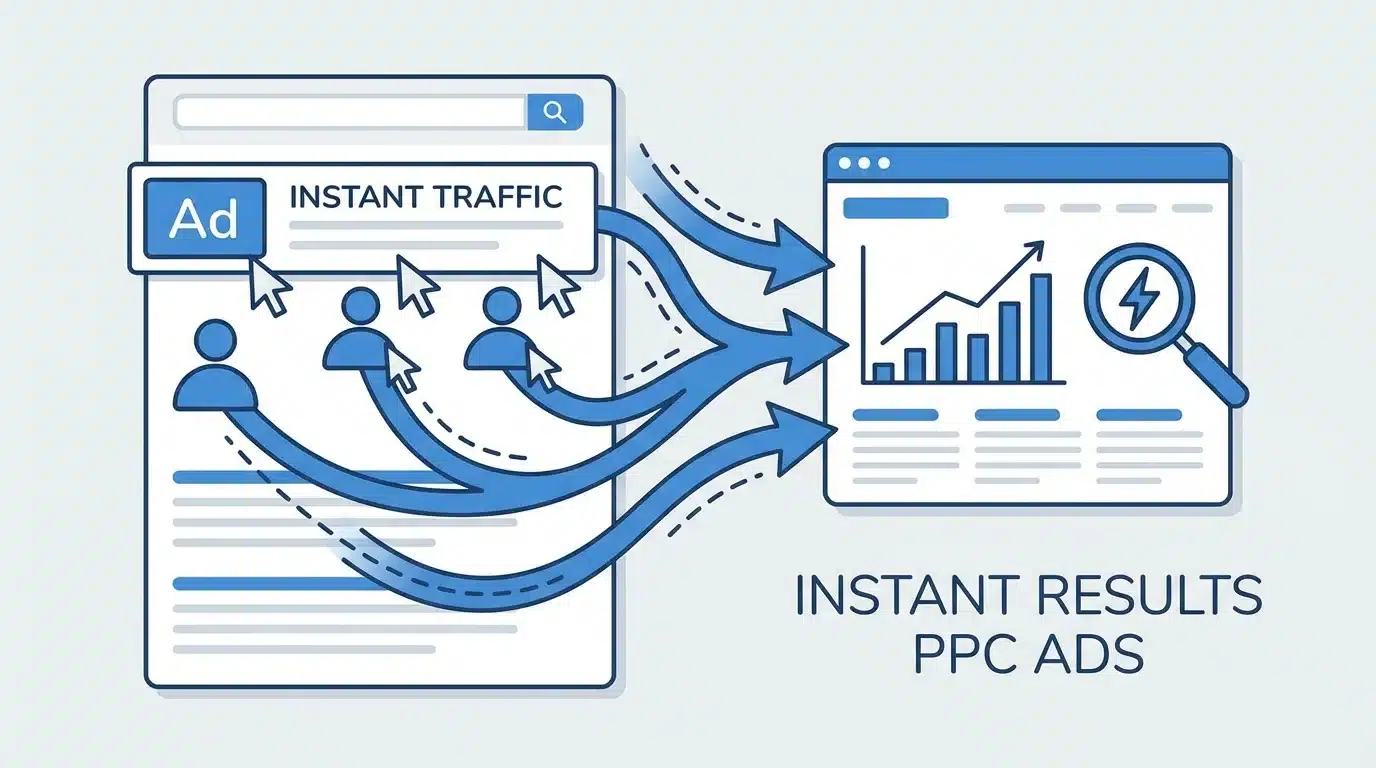
Paid search allows businesses to appear in search results immediately, making it useful for campaigns that require quick traffic or immediate visibility.
Organic Search vs Paid Search: Key Differences
Cost Structure
Organic search and paid search differ significantly in how costs are structured.
SEO does not require payment for each click. Instead, businesses invest in activities such as content creation, technical improvements, keyword research, and link building.
Paid search requires advertisers to pay whenever users click on their ads. The cost per click varies depending on keyword competition, industry demand, and bidding strategies.
Speed of Results
Organic search usually takes time to produce results because search engines must evaluate and index content before ranking it.
Paid search campaigns can generate traffic immediately after ads are launched. This makes PPC useful when businesses need quick visibility.
Traffic Sustainability
Organic search can provide long-lasting traffic if content continues to rank well in search results.
Paid search traffic is temporary. Once a campaign ends or the budget runs out, the ads stop appearing and traffic stops as well.
Credibility and Trust
Many users trust organic search results more because they are ranked based on relevance rather than paid placement.
Paid advertisements are clearly labeled as ads. While they can still perform well, some users prefer organic listings when looking for information.
Click-Through Rate (CTR)
Organic listings often receive higher click-through rates for informational searches because users view them as helpful resources.
Paid ads can achieve strong click-through rates when they target high-intent keywords related to products or services.
Control and Targeting
Organic search offers limited control over how search engines rank pages. Businesses can optimize their websites but cannot guarantee specific positions.
Paid search provides more control over targeting. Advertisers can choose keywords, geographic locations, devices, and audience segments.
Organic Search vs Paid Search: Key Differences at a Glance
A quick comparison highlights the major differences between the two strategies.
- Cost: SEO requires investment in optimization, while PPC charges per click
- Time to results: SEO takes time, while PPC delivers immediate visibility
- Traffic longevity: SEO traffic can last long term, PPC traffic stops when ads stop
- Trust level: organic results often appear more credible to users
- Conversion potential: paid search can capture high-intent buyers quickly
- Targeting control: PPC allows detailed targeting, while SEO relies on ranking factors
Understanding these differences helps businesses decide which strategy best fits their goals.
Benefits of Organic Search (SEO)
Long-Term and Sustainable Traffic
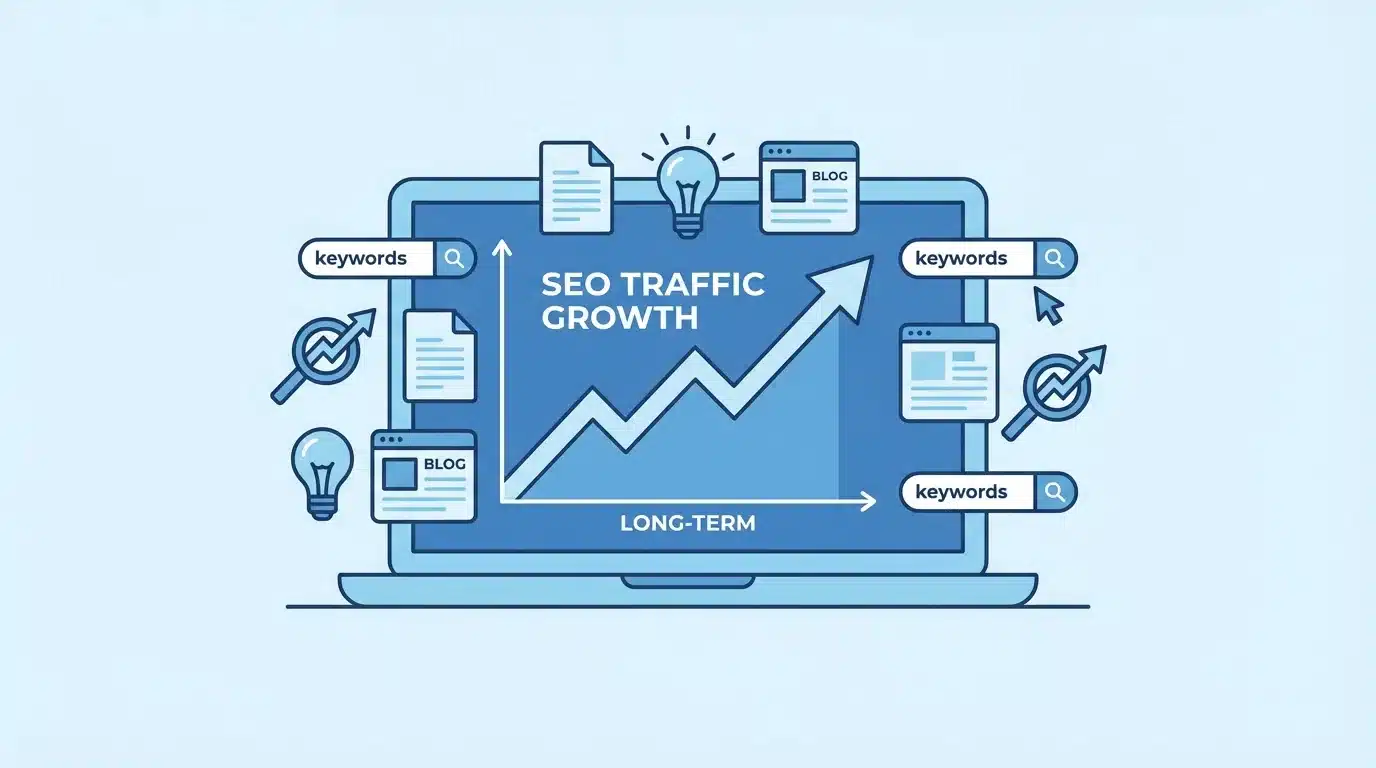
Organic search can generate continuous traffic if content ranks well over time. High-quality pages can attract visitors for months or even years.
Higher Credibility and Trust
Because organic results are ranked by algorithms rather than advertising budgets, users often perceive them as more reliable sources of information.
Cost Efficiency Over Time
Although SEO requires effort and investment, the cost per visitor can decrease over time as content continues attracting traffic without additional payment.
Strong Brand Authority
Consistently appearing in search results helps build authority and credibility within a particular industry or niche.
Supports Content Marketing Strategies
SEO works closely with content marketing. Informative blog posts, guides, and resources can attract visitors and establish expertise.
Benefits of Paid Search (PPC)
Immediate Visibility and Traffic
Paid search campaigns can begin generating traffic as soon as ads are approved and published.
Precise Audience Targeting
Advertisers can target specific audiences based on location, language, device type, and search behavior.
Easy Performance Tracking
Paid search platforms provide detailed metrics that allow advertisers to measure performance.
- Click-through rate
- Conversion rate
- Cost per click
- Return on ad spend
Flexible Budget Control
Advertisers can control daily budgets, adjust bids, and pause campaigns whenever needed.
Ideal for Promotions and Campaign Launches
Paid search is particularly useful for short-term promotions, product launches, and seasonal campaigns where immediate exposure is important.
Challenges of Organic Search
Organic search offers many benefits but also presents several challenges.
- SEO requires time before results appear
- Algorithm updates can influence rankings
- Competitive industries may require extensive optimization
- Continuous content updates and improvements are often necessary
These factors mean businesses must remain consistent with their SEO efforts.
Challenges of Paid Search
Paid search also has limitations that businesses must consider.
- Advertising costs can increase in competitive industries
- Campaigns require continuous monitoring and optimization
- Traffic stops when campaigns are paused
- Poorly managed campaigns can lead to wasted advertising budgets
Successful PPC campaigns require careful planning and ongoing performance analysis.
When to Use Organic Search
When You Want Long-Term Traffic Growth
SEO is effective for building sustainable traffic over time. Businesses that invest in quality content can attract visitors consistently.
When You Want to Build Brand Authority
Ranking well in search results helps establish credibility and authority in a particular industry.
When Your Content Is Evergreen
Topics that remain relevant over time can benefit greatly from SEO because they continue attracting visitors long after publication.
When You Want Cost-Effective Marketing Over Time
Although SEO requires effort, the long-term traffic it generates can make it more cost-efficient than continuous advertising.
When You Want to Educate Your Audience
Informational content such as guides, tutorials, and blog posts often performs well in organic search.
When to Use Paid Search
When You Need Immediate Results
PPC campaigns can generate traffic immediately, which is useful for businesses that need fast exposure.
When Launching a New Product or Service
Paid search helps businesses promote new offerings before organic rankings are established.
When Targeting High-Intent Keywords
Keywords that indicate strong buying intent can perform well in paid campaigns.
When Running Promotions or Seasonal Campaigns
Limited-time offers often benefit from paid ads because they require quick visibility.
When Testing New Keywords or Markets
Paid search allows businesses to test keyword performance and market demand before committing to long-term SEO strategies.
Traffic Intent and Conversion Behavior
Organic Search Users: The Research Stage
Many users who click on organic results are in the research phase of the buying journey.
They may be comparing options, reading guides, or learning about potential solutions before making a purchase decision.
Paid Search Users: The Purchase Stage
Paid search often targets keywords that indicate strong purchase intent.
Users searching for product names, service providers, or pricing information are often closer to making a buying decision.
Cost and ROI: Short-Term vs Long-Term Value
SEO Investment and Long-Term ROI
SEO requires investment in content, optimization, and technical improvements. However, once pages rank well, they can continue generating traffic without additional cost per click.
Over time, this can lead to a strong return on investment as organic traffic accumulates.
PPC Investment and Immediate ROI
Paid search can produce immediate returns when campaigns target the right keywords and audiences.
However, the return on investment depends heavily on campaign management, budget control, and conversion optimization.
How Organic Search and Paid Search Work Together
Using PPC to Test Keywords for SEO
Paid campaigns allow businesses to test keyword performance quickly. Successful keywords can later be targeted through SEO content.
Driving Immediate Traffic While SEO Builds
Businesses can use PPC to generate traffic while waiting for organic rankings to improve.
Retargeting Organic Visitors with Paid Ads
Visitors who discover a website through organic search can later be retargeted with paid advertisements.
Improving Landing Pages Using SEO Content
High-performing SEO content can inspire effective landing pages for paid campaigns.
Dominating SERPs with Both Strategies
When a business appears in both paid ads and organic results, it increases visibility and strengthens brand recognition.
Organic Search vs Paid Search: Which One Should You Choose?
Consider Your Marketing Goals
Businesses focused on long-term growth may prioritize SEO, while those seeking immediate results may prefer PPC.
Consider Your Budget
Paid search requires an ongoing budget, while SEO focuses more on time and resource investment.
Consider Your Timeline for Results
Businesses that need quick traffic may rely on paid campaigns before organic rankings improve.
Consider Industry Competition
Highly competitive industries may require both SEO and PPC strategies to remain visible.
Consider Your Available Marketing Resources
Businesses with strong content creation capabilities may benefit greatly from SEO, while those with advertising budgets may focus on PPC.
Best Practices for Combining SEO and PPC
Businesses can achieve stronger results when SEO and PPC strategies support each other.
- Align keyword research across both strategies
- Share insights between SEO and PPC campaigns
- Optimize landing pages for both paid and organic visitors
- Track performance metrics regularly
- Adjust strategies based on data and campaign results
Conclusion
Organic search and paid search are both powerful methods for attracting visitors through search engines. Each strategy offers unique advantages, and their effectiveness depends on business goals, budget, and timelines.
Organic search focuses on long-term growth by improving website content and earning visibility naturally. Paid search provides immediate exposure and allows businesses to target specific audiences quickly.
Rather than choosing only one approach, many successful businesses combine both strategies. By using SEO for sustainable traffic and PPC for immediate opportunities, organizations can create a balanced search marketing strategy that supports long-term growth and short-term results.