



Digital marketing agencies are built on specialized roles rather than a single “all‑in‑one” marketer. Each role focuses on a different part of the customer journey, from attracting visitors to converting them into loyal customers. Understanding these roles helps businesses assemble stronger teams and helps professionals identify clear career paths.

This blog walks through 10 common marketing roles you are likely to find in a digital marketing agency. For each role, it explains what the job typically involves, what skills are useful, and why the position matters inside a modern marketing team.
1. SEO Specialist

An SEO (Search Engine Optimization) Specialist focuses on improving a website’s visibility in search engines so that potential customers can find the business when they search for relevant topics. The role combines technical website know‑how with an understanding of how people search and what type of content helps them.
Responsibilities
- Research relevant topics and search terms that potential customers use.
- Optimize on‑page elements such as titles, headings, internal links, and content structure.
- Work on technical aspects like site speed, mobile friendliness, and crawlability with developers.
- Help shape content ideas so that blog posts, landing pages, and resource pages can be easily understood by both users and search engines.
- Monitor performance through analytics and search data to spot opportunities and issues.
Key Skills
- Ability to analyze websites and identify on‑page and technical improvement areas.
- Comfortable working with data from analytics and search tools to guide decisions.
- Understanding of how content structure, internal linking, and user intent affect visibility.
- Clear communication skills to collaborate with writers, designers, and developers.
Why This Role Matters
- Organic search can be a long‑term, sustainable source of visitors and leads when a site is well optimized.
- An SEO Specialist helps avoid common website issues that quietly reduce traffic and discoverability over time.
- The role ensures that the content a team creates actually has a chance to be found by the right audience.
2. Content Strategist
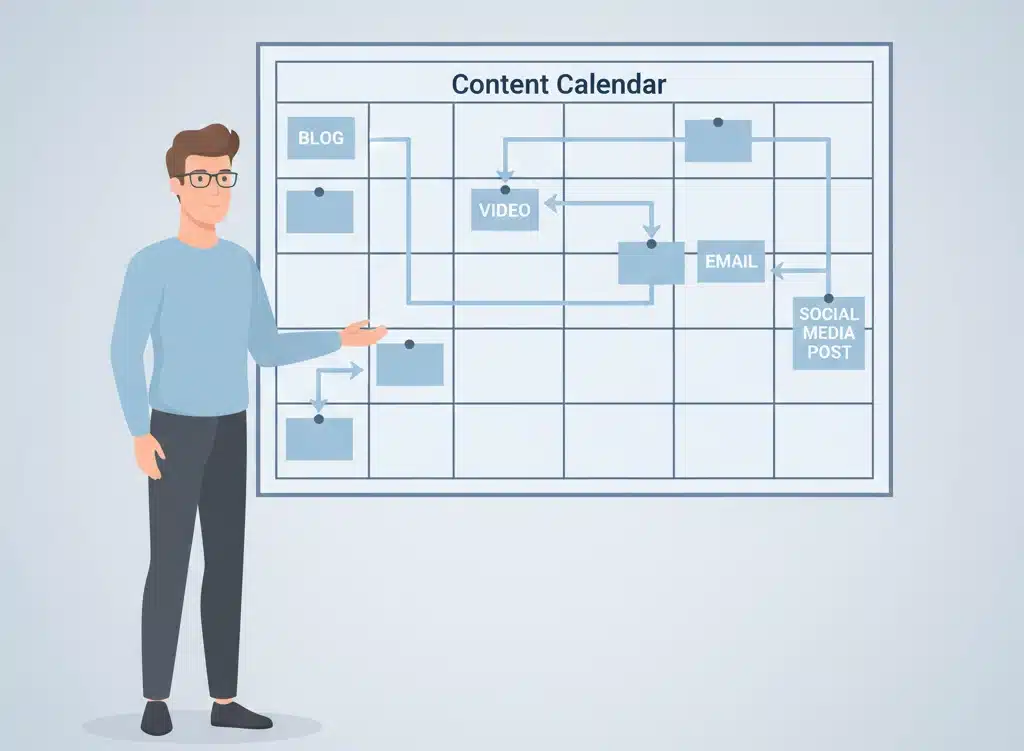
A Content Strategist is responsible for planning what a brand should talk about, how it should talk about it, and where that content should be published. Rather than simply writing, this role focuses on aligning content with business goals and audience needs.
Responsibilities
- Define content themes and topics that support brand positioning and business objectives.
- Build and manage editorial calendars for blogs, guides, videos, and other formats.
- Map content to stages of the customer journey, from awareness to decision.
- Coordinate with subject‑matter experts, writers, designers, and SEO professionals.
- Review content performance and refine the strategy based on what resonates with the audience.
Key Skills
- Strong research skills to understand the market, competitors, and audience pain points.
- Ability to translate business goals into clear content plans and briefs.
- Skilled at structuring information so that content is easy to follow and useful.
- Collaboration skills to work smoothly with creative and technical team members.
Why This Role Matters
- Without a clear strategy, content often becomes inconsistent, repetitive, or disconnected from business goals.
- A Content Strategist helps ensure every piece of content has a clear purpose and target audience.
- The role ties together SEO, brand messaging, and lead generation into one coherent plan.
3. PPC (Pay‑Per‑Click) Specialist

A PPC Specialist manages paid advertising campaigns on platforms where the business pays for each click or impression. The role focuses on quick visibility, targeted reach, and measurable results.
Responsibilities
- Plan campaigns across platforms such as search ads and social ads based on goals like leads or sales.
- Choose targeting options such as keywords, demographics, interests, or behaviors.
- Write and test ad variations to find messages that attract the right clicks.
- Manage budgets, bids, and pacing to avoid overspending and maintain efficiency.
- Analyze campaign performance and adjust targeting, messaging, and landing pages.
Key Skills
- Comfortable working with numbers, performance metrics, and budgets.
- Ability to interpret data and make adjustments to improve results.
- Strong copywriting skills for concise, persuasive ad text.
- Understanding of landing page best practices to connect ads with relevant experiences.
Why This Role Matters
- Paid campaigns can generate traffic and conversions quickly, which is useful for new offers or time‑sensitive promotions.
- A PPC Specialist helps avoid wasted ad spend by focusing on relevant audiences and continuous optimization.
- The role complements organic channels by filling gaps in reach and speed.
4. Social Media Manager

A Social Media Manager oversees how a brand shows up on social platforms and interacts with its community. This role balances creativity with responsiveness, aiming to build relationships rather than just push promotions.
Responsibilities
- Plan and publish content tailored to each social platform’s style and audience.
- Maintain a consistent voice and visual identity across posts and stories.
- Respond to comments, messages, and mentions to foster engagement.
- Monitor conversations and trends relevant to the brand and industry.
- Track performance metrics such as reach, engagement, and follower growth.
Key Skills
- Deep familiarity with the features, norms, and audiences of major social platforms.
- Creative thinking to turn brand messages into engaging posts, videos, or stories.
- Strong communication skills and empathy when interacting with the audience.
- Ability to stay organized while managing content calendars and real‑time activity.
Why This Role Matters
- Social media is often where potential customers first encounter and evaluate a brand.
- A Social Media Manager helps humanize the brand, build trust, and keep the audience informed.
- The role can amplify campaigns from other channels and provide real‑time feedback from the market.
5. Email Marketing Specialist

An Email Marketing Specialist designs and manages email campaigns that nurture leads and keep customers engaged. The role focuses on timely, relevant communication that respects subscribers’ inboxes.
Responsibilities
- Plan email sequences for newsletters, promotions, onboarding, and retention.
- Segment subscriber lists based on behavior, interests, or lifecycle stage.
- Write and design emails that are clear, readable, and aligned with brand voice.
- Set up automation workflows for actions like sign‑ups, downloads, or purchases.
- Monitor metrics such as open rates and click‑throughs to refine campaigns.
Key Skills
- Ability to craft concise, persuasive copy tailored to specific segments.
- Familiarity with email platforms and basic automation logic.
- Understanding of email design principles, including mobile‑friendly layouts.
- Sensitivity to consent, frequency, and user preferences to avoid fatigue.
Why This Role Matters
- Email allows direct, owned communication with people who have already shown interest.
- A well‑run email program can support lead nurturing, upselling, and customer retention.
- The role ensures email remains a helpful, not intrusive, touchpoint for the audience.
6. Marketing Analytics Manager

A Marketing Analytics Manager focuses on measuring what is happening across channels and turning that information into insights. The role turns raw data into guidance for the rest of the team.
Responsibilities
- Define key performance indicators that reflect business and campaign goals.
- Build and maintain dashboards or reports that summarize performance.
- Analyze trends across channels like search, social, email, and paid campaigns.
- Identify which activities contribute most to leads, revenue, or other desired outcomes.
- Work with stakeholders to test new ideas and measure the impact.
Key Skills
- Strong analytical thinking and comfort working with numbers.
- Ability to structure data in a way that is easy to interpret and act upon.
- Skill in explaining findings in plain language to non‑technical team members.
- Curiosity and willingness to question assumptions based on what the data shows.
Why This Role Matters
- Without measurement, marketing efforts are difficult to evaluate or improve.
- A Marketing Analytics Manager helps direct resources toward the channels and tactics that work best.
- The role supports more confident decision‑making and transparency with clients or leadership.
7. Brand Manager

A Brand Manager is responsible for how the brand is perceived in the market. This role focuses on consistency, positioning, and long‑term reputation rather than short‑term campaigns alone.
Responsibilities
- Define and maintain brand guidelines for voice, visuals, and messaging.
- Ensure that campaigns, content, and collateral align with the brand’s identity.
- Work with internal teams and partners to keep branding consistent across touchpoints.
- Monitor how the brand is discussed or perceived in public and among customers.
- Guide adjustments to positioning as markets and audiences evolve.
Key Skills
- Strategic thinking about how the brand should be seen and where it should compete.
- Strong sense of visual and verbal identity to maintain coherence.
- Collaboration skills to align designers, copywriters, and account managers.
- Ability to balance creative expression with clarity and recognizability.
Why This Role Matters
- Consistent branding helps people recognize and remember the company across channels.
- A Brand Manager safeguards the brand’s reputation and long‑term equity.
- The role helps ensure short‑term campaigns contribute to a clear, coherent brand story.
8. Graphic Designer

A Graphic Designer turns ideas and messages into visual materials that support marketing goals. This role ensures that campaigns not only say the right thing but also look polished and on‑brand.
Responsibilities
- Create visual assets such as social media graphics, display ads, and email visuals.
- Design layouts for landing pages, ebooks, presentations, and other marketing materials.
- Adapt visuals to different formats and platforms while preserving brand consistency.
- Work with copywriters and strategists to translate concepts into clear visuals.
- Maintain organized asset libraries for efficient reuse and updates.
Key Skills
- Proficiency with design tools and a strong sense of layout, color, and typography.
- Ability to interpret briefs and turn them into visuals that support the message.
- Attention to detail to keep elements consistent with brand guidelines.
- Time management skills to handle multiple projects and deadlines.
Why This Role Matters
- Visuals often form the first impression of a campaign or brand.
- A Graphic Designer improves clarity and appeal, making messages easier to absorb.
- The role helps agencies stand out with distinctive, professional‑looking work.
9. Marketing Coordinator/Administrator
A Marketing Coordinator or Administrator provides organizational support to the marketing team. This role keeps day‑to‑day operations running smoothly so specialists can focus on their core work.
Responsibilities
- Assist with planning and scheduling campaigns, meetings, and deadlines.
- Help manage documentation, assets, and shared resources.
- Coordinate logistics for events, content production, or campaign launches.
- Support communication between internal teams and sometimes with clients.
- Track basic progress updates and follow up on action items.
Key Skills
- Strong organizational and time‑management abilities.
- Clear communication skills to keep everyone aligned on tasks and timing.
- Flexibility to handle a variety of administrative and basic marketing tasks.
- Attention to detail to prevent small errors or missed steps.
Why This Role Matters
- Even the best strategy can falter without good coordination and execution.
- A Marketing Coordinator helps reduce bottlenecks and confusion within the team.
- The role frees up specialists and managers to spend more time on high‑impact work.
10. Marketing Director/Manager
A Marketing Director or Manager leads the marketing function, setting direction and ensuring that all roles work together toward common goals. This role connects daily activities with the broader business strategy.
Responsibilities
- Define marketing goals, priorities, and budgets in line with business objectives.
- Oversee campaigns and initiatives across channels and teams.
- Provide guidance, feedback, and support to team members.
- Represent marketing in discussions with leadership or clients.
- Evaluate performance and adjust strategy as conditions change.
Key Skills
- Leadership and people‑management skills to guide and motivate the team.
- Strategic thinking to connect marketing activities with business outcomes.
- Ability to balance short‑term needs with long‑term brand and growth considerations.
- Strong communication skills to align stakeholders and secure support.
Why This Role Matters
- A Marketing Director or Manager ensures all roles move in the same direction rather than working in isolation.
- The role helps prioritize efforts, especially when resources are limited.
- Good leadership creates an environment where specialists can do their best work and grow over time.
Conclusion
Digital marketing agencies bring together a wide range of specialists, each handling a different part of how a brand attracts, converts, and retains customers. From SEO and content to analytics and brand management, these roles complement one another and are most effective when they work as a coordinated team.
Understanding these 10 marketing roles can help businesses decide which capabilities they need in‑house, which to outsource, and how to evaluate agency partners. For professionals, it clarifies the skills and responsibilities associated with each path, making it easier to plan a meaningful and focused marketing career.

Passionate about blogging and focused on elevating brand visibility through strategic SEO and digital marketing. Always tuned in to the latest trends, I’m dedicated to maximizing engagement and delivering measurable ROI in the dynamic world of digital marketing. Let’s connect and unlock new opportunities together!