



Local marketing focuses on attracting customers who are physically close to your business and actively searching for products or services like yours. Many studies and industry reports consistently show that a large share of local search opportunities go untapped when businesses fail to optimize their local presence properly. This means nearby customers are often ready to buy, but they end up choosing competitors instead.

Local marketing is important because search engines, maps, and social platforms increasingly prioritize proximity, relevance, and trust signals. When your business is visible and credible at the local level, you are more likely to drive foot traffic, phone calls, and service inquiries.
In this guide, we will cover 12 proven local marketing strategies that businesses can realistically implement. These strategies focus on visibility, trust, relevance, and engagement, helping you connect with nearby customers in a practical and sustainable way.
Top 12 Local Marketing Strategies
1. Optimize Your Google Business Profile
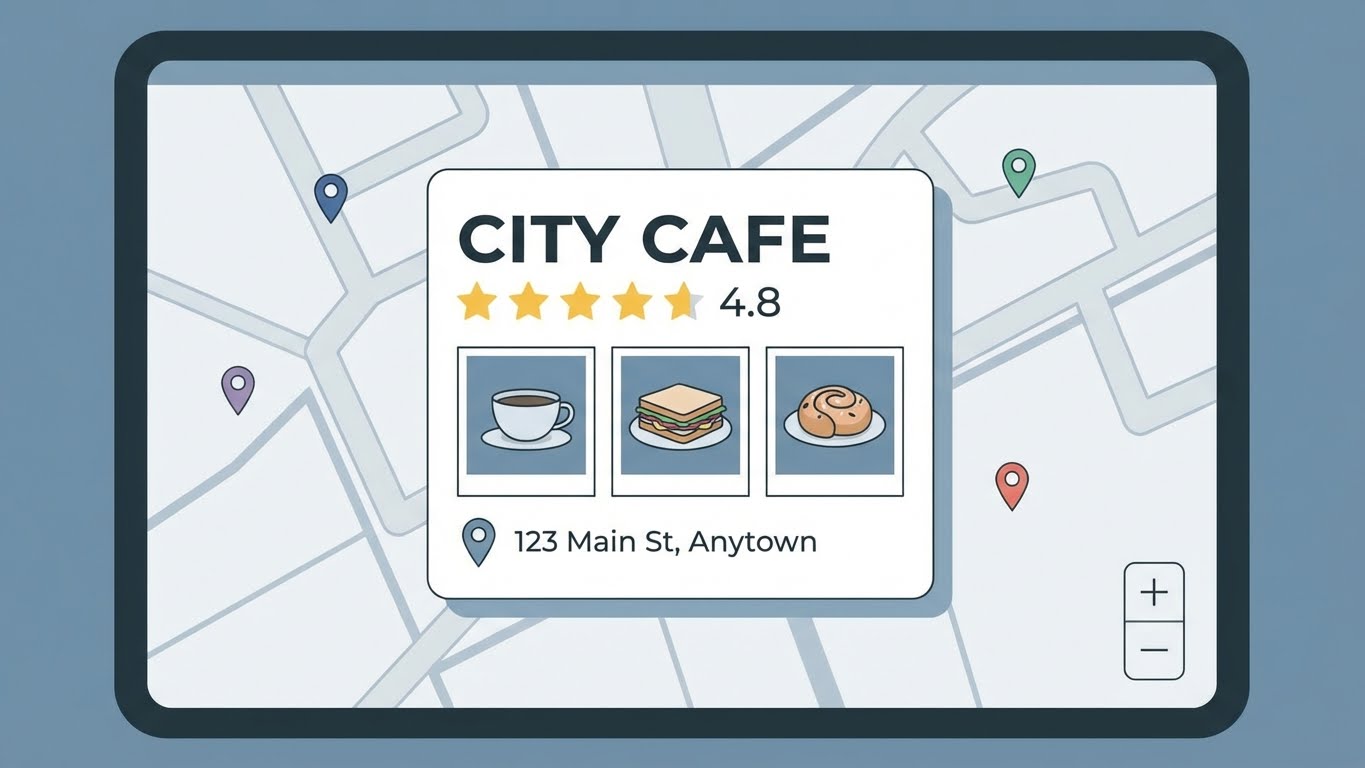
Optimizing your Google Business Profile (GBP) is one of the most important steps in local marketing. Google Business Profile is often the first interaction customers have with a local business, especially through Google Search and Google Maps.
A fully optimized profile improves your chances of appearing in local pack results and increases trust with potential customers.
Key areas to focus on include:
- Accurate business information: Ensure your business name, address, phone number, website, and hours are correct and regularly updated.
- Photos and videos: Add real images of your storefront, interior, team, and products to help customers understand what to expect.
- Posts and updates: Use posts to share offers, announcements, events, or updates that keep your profile active.
- Reviews and responses: Encourage reviews and respond to them consistently to build trust and engagement.
- Q&A management: Monitor and answer customer questions to prevent misinformation and improve clarity.
For service-based businesses, Local Services Ads can further enhance visibility by placing verified providers at the top of local search results. GBP optimization should always align with broader local SEO best practices to ensure consistency and long-term performance.
2. Build Local Citations and NAP Consistency
Local citations are online mentions of your business on directories, listings, and platforms that include your business details. These citations help search engines verify that your business information is accurate and trustworthy.
NAP consistency refers to keeping your Name, Address, and Phone number exactly the same across all platforms. Even small differences can confuse search engines and weaken your local rankings.
Important citation platforms include:
- Google Business Profile
- Yelp
- Apple Maps
- Bing Places
- Industry-specific directories
- Local and regional business directories
To manage citations effectively:
- Audit existing listings using manual searches or citation tools.
- Identify inconsistencies in business name formats, addresses, or phone numbers.
- Update incorrect listings and remove duplicates.
- Regularly monitor citations when business details change.
Consistent citations strengthen your local authority and support better map and search visibility.
3. Leverage Local Keywords in Your Content
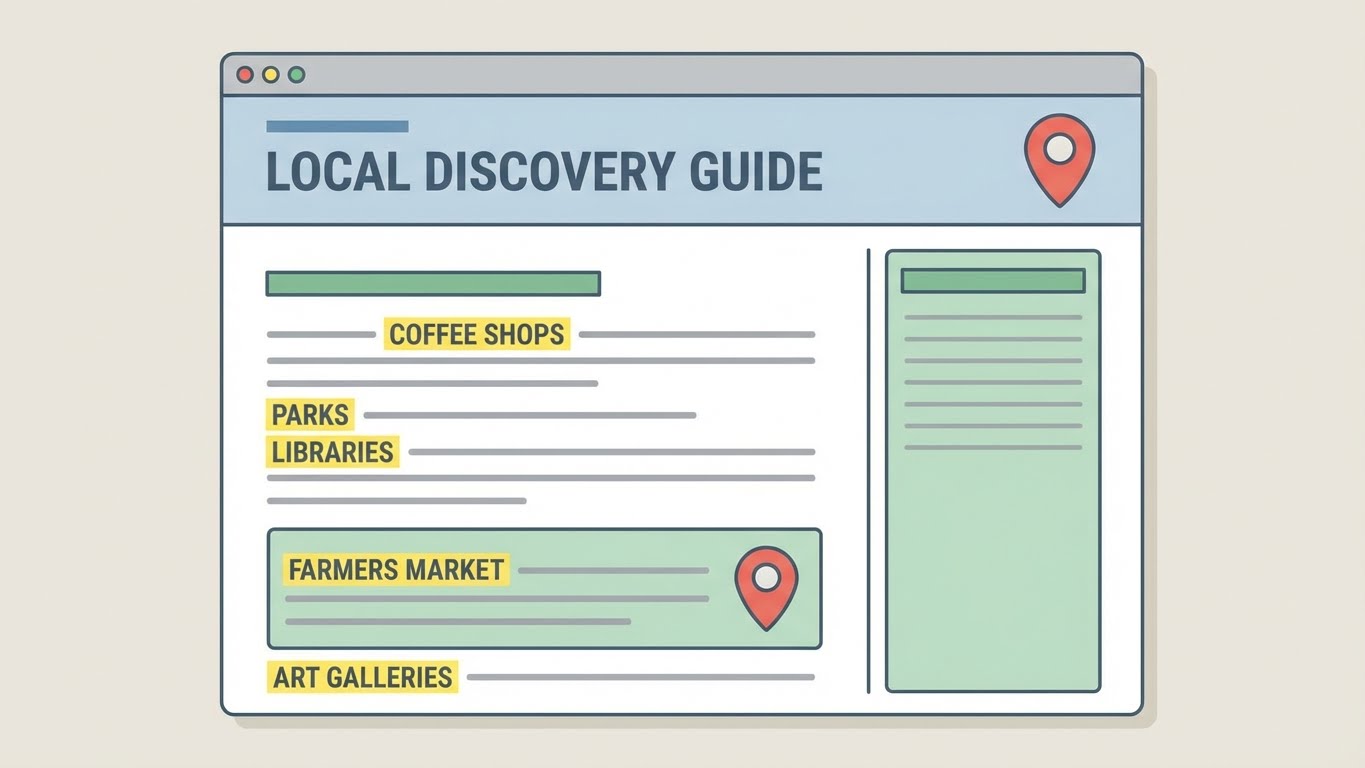
Local keywords are search terms that include geographic intent, such as city names, neighborhoods, or service areas. These keywords help search engines understand where your business operates and which local searches you should appear for.
Local keywords differ from global keywords because they indicate immediate, location-based intent.
To use local keywords effectively:
- Research local keywords using tools that show geographic modifiers.
- Identify terms customers actually use when searching for nearby services.
- Include local keywords naturally in titles, meta descriptions, headings, and body content.
- Avoid keyword stuffing and focus on clarity and relevance.
Examples of local keywords by industry:
- “Plumber in Andheri”
- “Best dental clinic near MG Road”
- “Digital marketing agency in Pune”
- “Home interior designer in Bangalore”
When used properly, local keywords improve relevance without compromising content quality.
4. Collect and Respond to Customer Reviews
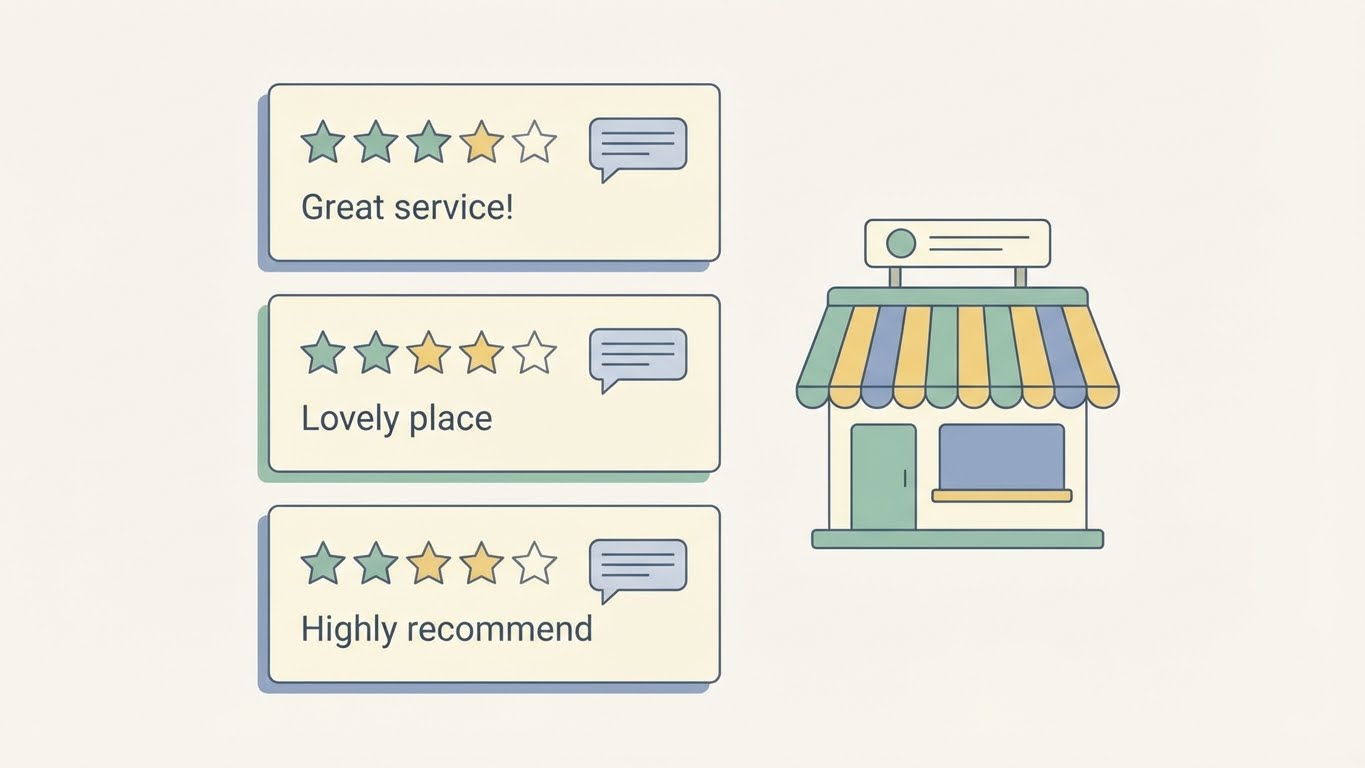
Customer reviews play a major role in local marketing because they influence both search visibility and customer trust. Search engines use reviews as a signal of credibility, while customers rely on them to make decisions.
Reviews typically appear on:
- Google Business Profile
- Yelp
- Industry-specific platforms
To manage reviews effectively:
- Create a simple process to request reviews after a service or purchase.
- Monitor review platforms regularly.
- Respond to all reviews in a professional and timely manner.
Response guidelines include:
- Thank customers for positive feedback.
- Address concerns calmly and constructively in negative reviews.
- Avoid defensive or promotional language.
- Offer resolution where appropriate.
Consistent review management helps build trust and shows that your business values customer feedback.
5. Create Location-Specific Landing Pages
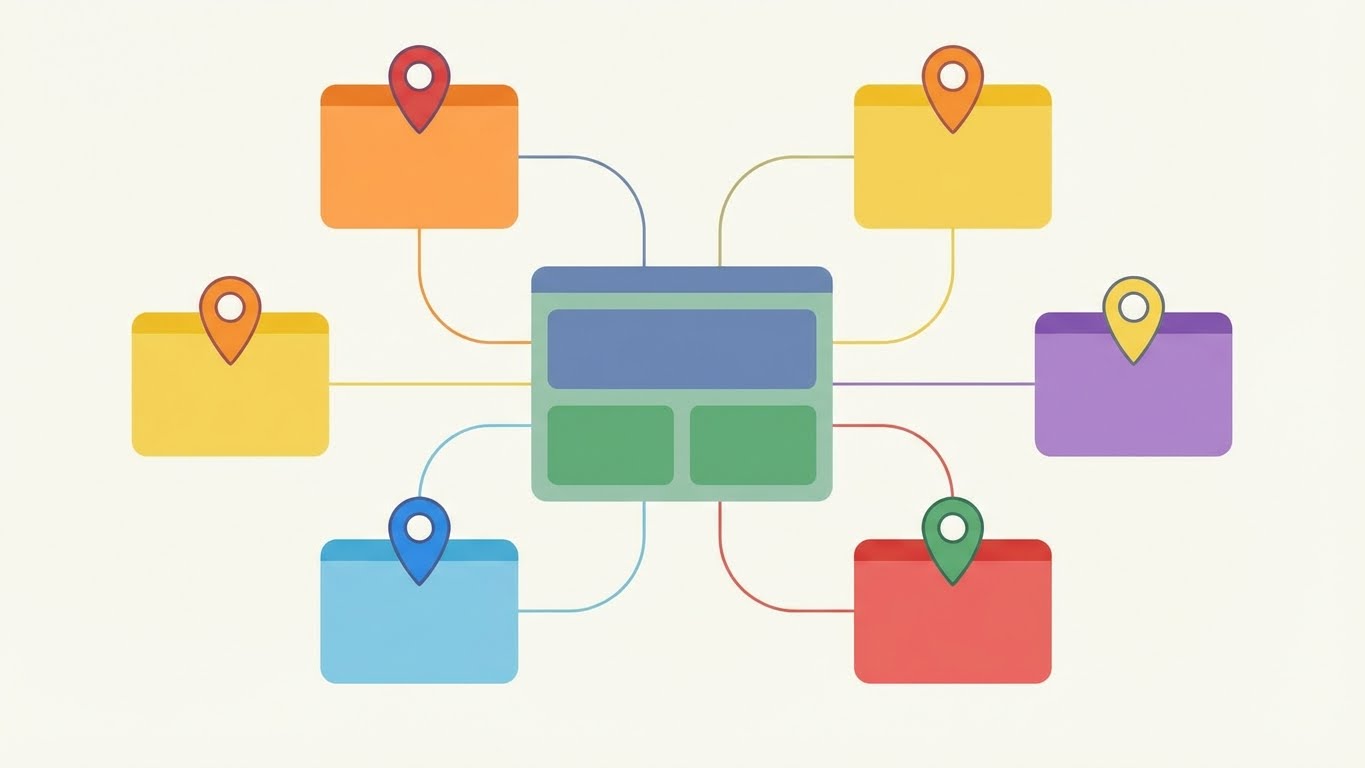
Location-specific landing pages are useful when your business serves multiple cities, regions, or neighborhoods. These pages help target local search intent more precisely than a single generic page.
These pages should only be created when there is genuine relevance and demand for each location.
Best practices include:
- One dedicated page per location or service area.
- Unique content for each page to avoid duplication.
- Clear service descriptions tailored to the location.
Important content elements:
- Local keywords and service descriptions
- Customer testimonials from that area
- Service coverage details
- Contact information and directions
From a technical SEO perspective, ensure proper internal linking, optimized URLs, and fast page loading times.
6. Join Local Business Groups and Organizations

Local business groups and organizations help businesses build offline and online visibility. These groups often provide networking, partnerships, and promotional opportunities.
Benefits include:
- Increased local credibility
- Referral opportunities
- Local backlinks from trusted sources
- Brand exposure through events and sponsorships
Ways to participate include:
- Joining chambers of commerce
- Attending local business meetups
- Sponsoring community events
- Collaborating with complementary businesses
These relationships often translate into long-term visibility and trust within the local community.
7. Implement Local Schema Markup
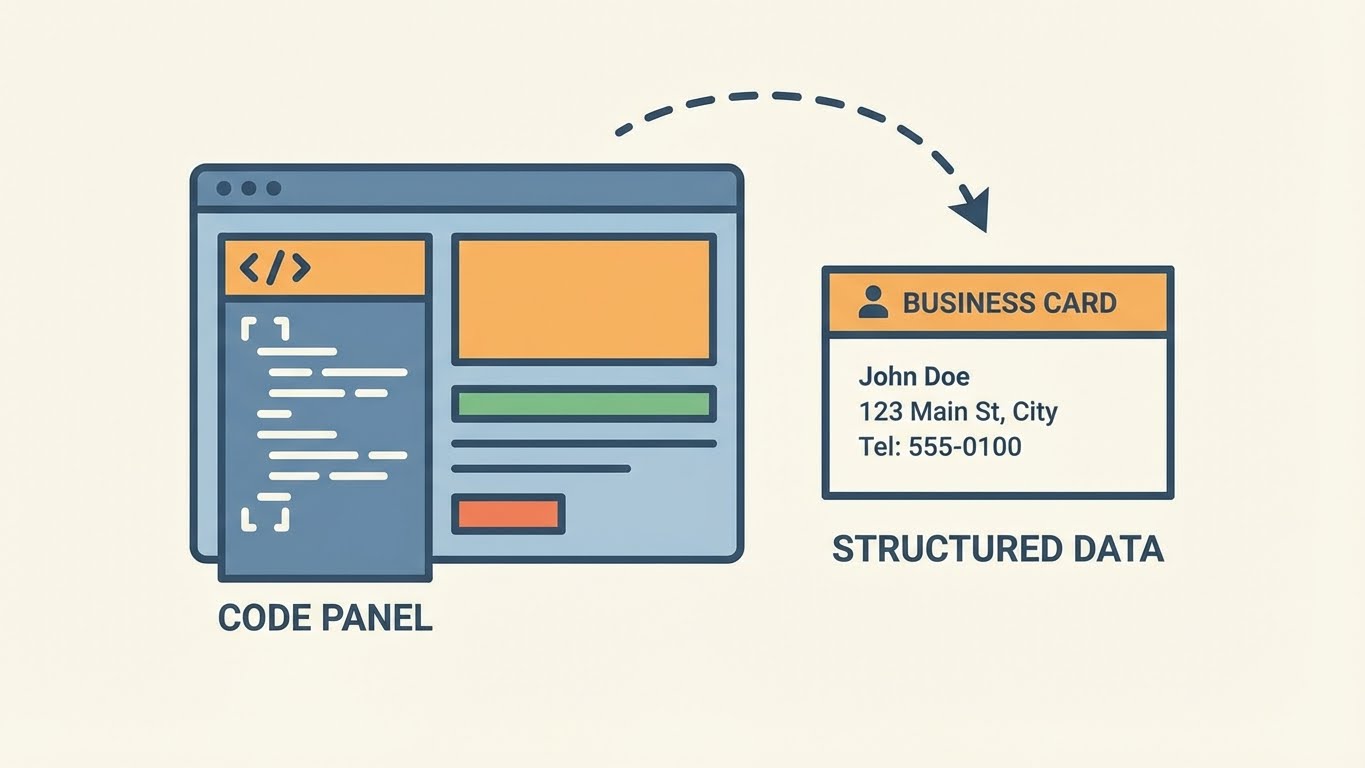
Schema markup is structured data that helps search engines better understand your business information. Local business schema improves how your business appears in search results and supports rich features.
Essential local schema elements include:
- Business name
- Address and phone number
- Business hours
- Website URL
- Service area
- Business type
Schema is typically implemented using JSON-LD format and added to your website’s code.
After implementation:
- Test your schema using Google’s Rich Results Test.
- Fix errors or warnings.
- Keep schema updated when business details change.
Proper schema implementation supports stronger local SEO signals.
8. Run Geo-Targeted PPC and Social Media Campaigns
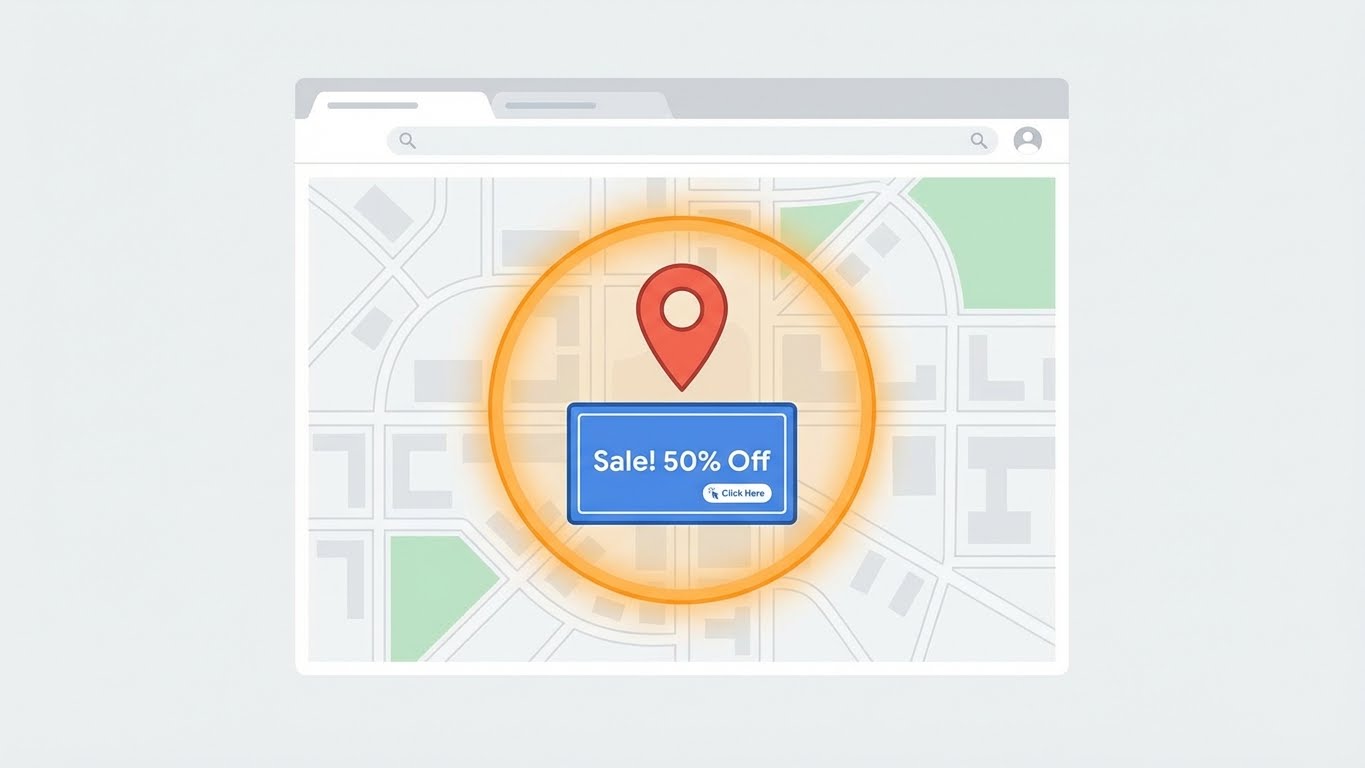
Geo-targeted advertising allows businesses to show ads only to users in specific locations. This helps control costs and improve relevance.
Benefits of location-based advertising include:
- Higher relevance for nearby users
- Better conversion rates
- Reduced wasted ad spend
Key channels include:
- Google Ads with location targeting
- Google Local Services Ads for service providers
- Facebook and Instagram geo-targeted ads
Budget allocation should focus on high-intent locations and services, with ongoing performance tracking and optimization.
9. Partner with Local Influencers and Community Leaders
Local influencers and community leaders often have strong trust and engagement within a specific area. These partnerships can help businesses reach nearby audiences authentically.
To identify suitable partners:
- Look for micro-influencers with local followers
- Focus on relevance rather than follower count
- Evaluate engagement quality
Collaboration ideas include:
- Sponsored local content
- Event participation
- Social media mentions
- Joint campaigns
Measuring ROI can involve tracking referrals, engagement metrics, and lead inquiries.
10. Create and Promote Local Content

Local content helps businesses stay relevant to their community and improve local search visibility. This content should focus on topics that matter to nearby customers.
Effective local content ideas include:
- Blog posts about local events or trends
- Case studies featuring local clients
- Press releases for local announcements
- Video testimonials from nearby customers
Local content builds relevance, authority, and stronger community connections over time.
11. Utilize Local Link Building Strategies
Local backlinks signal authority and trust to search engines. Links from reputable local sources are especially valuable for local SEO.
Common local link sources include:
- Local directories
- Business associations
- Event sponsorships
- Partner businesses
- Local publications
Focus on quality and relevance rather than volume. Links should come from genuine local relationships and credible platforms.
12. Engage on Local Social Media and Community Platforms
Local social and community platforms allow businesses to interact directly with nearby audiences.
Key platforms include:
- Facebook local groups
- Community pages
- Nextdoor
- Local forums and subreddits
Best practices involve:
- Consistent posting
- Helpful and respectful engagement
- Avoiding excessive promotion
- Responding to community questions
Active participation helps build familiarity and trust over time.
Conclusion
Local marketing works best when multiple strategies are implemented together rather than in isolation. The 12 strategies covered in this guide focus on visibility, relevance, trust, and engagement. Businesses should prioritize actions based on their industry, location, and budget, starting with foundational steps such as Google Business Profile optimization and reviews. While results may not be immediate, consistent effort typically leads to stronger local visibility and customer growth over time.
FAQs
1. How long does local marketing take to show results?
Local marketing results can vary depending on competition, location, and consistency. Foundational improvements like profile optimization may show early changes, while stronger results often build over several months.
2. Can I implement all strategies simultaneously?
Yes, but it is often more effective to prioritize core strategies first and gradually expand based on available resources.
3. What tools help with local marketing management?
Tools for citation management, review monitoring, keyword research, and analytics can support efficient local marketing efforts.
4. How often should I update local business information?
Business information should be reviewed regularly and updated immediately when changes occur to maintain accuracy and trust.