



Generating leads is one of the most important—and most confusing—parts of modern marketing. Every business needs a steady flow of potential customers to grow, yet there is constant debate around the best way to achieve this. Some teams invest heavily in content, SEO, and brand building, while others focus on direct outreach, advertising, and sales-driven campaigns.

At the center of this debate are two core approaches: inbound leads and outbound leads. Both aim to bring new prospects into your sales pipeline, but they work in very different ways.
This article explains what inbound and outbound leads really are, how they differ, and why understanding both is critical for sustainable business growth. By the end, you’ll be able to clearly decide which approach fits your business goals—or why combining both often delivers the best results.
What Are Leads?
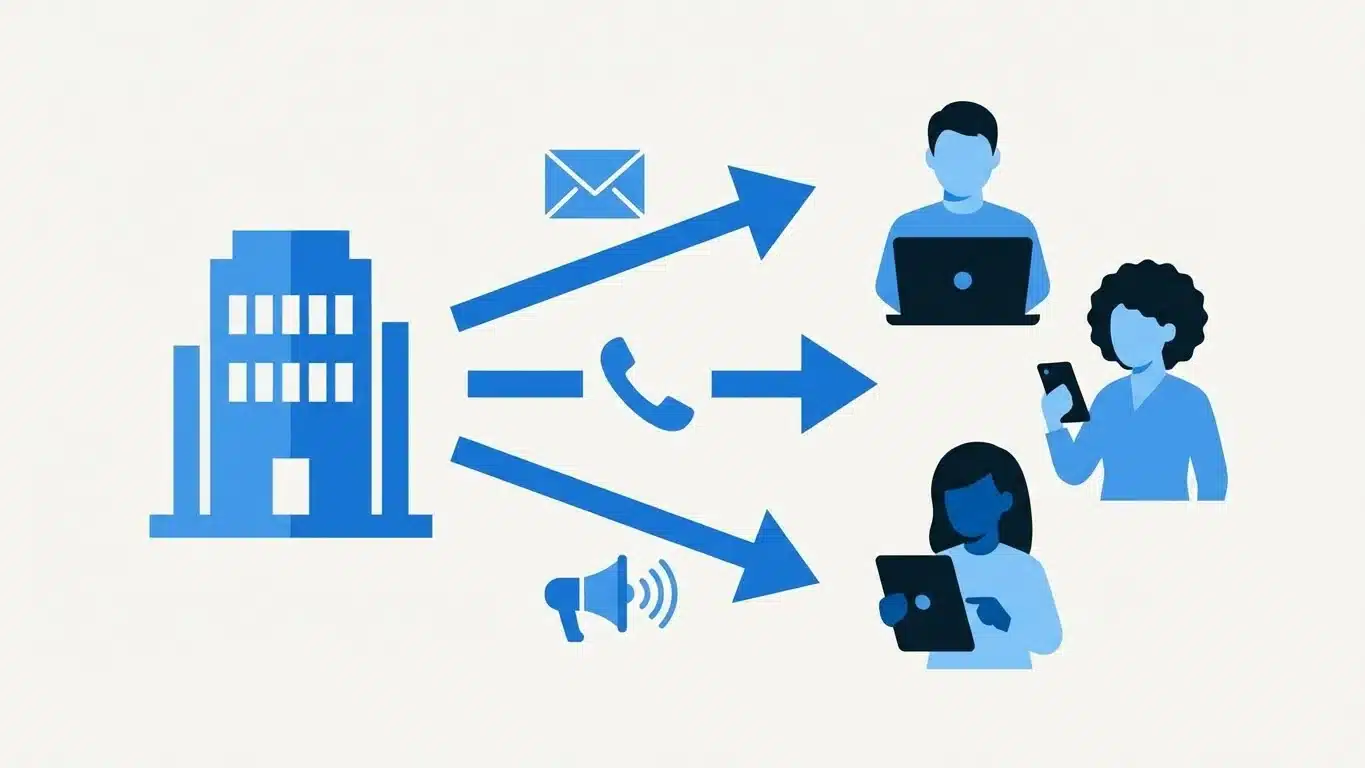
A lead is an individual or organization that has shown interest in your product or service. Leads matter because they represent potential customers and future revenue.
Not every lead has the same value. Some people are only browsing, while others are actively looking to buy. This is why businesses focus on qualified leads—prospects who match the ideal customer profile and show real buying intent.
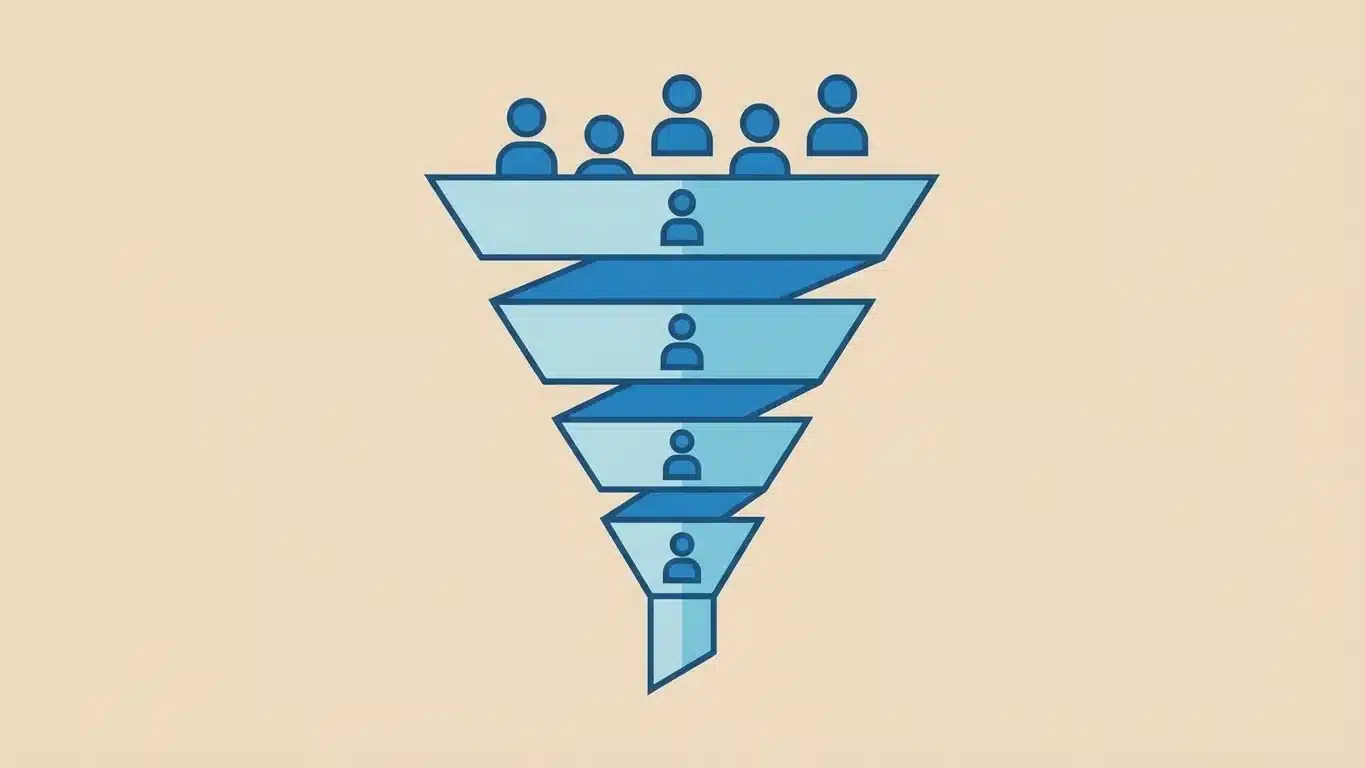
Leads typically move through a sales funnel:
- Awareness, where the prospect becomes aware of a problem or need
- Interest, where they begin exploring possible solutions
- Consideration, where they compare different options
- Decision, where they choose a product or service
The source of a lead plays a major role in how quickly and smoothly they move through this funnel.
What Are Inbound Leads?
Inbound leads are prospects who find your business on their own and initiate contact. Instead of being approached directly, they discover you through channels such as search engines, content, or social media.
Inbound leads follow a permission-based model. The prospect chooses to engage because they see value in your content, messaging, or expertise.
Common examples of inbound lead actions include:
- Submitting a contact or demo request form
- Signing up for an email newsletter
- Downloading an eBook, guide, or whitepaper
- Registering for a webinar or online event
Because inbound leads take the first step, they usually have higher intent and a basic level of trust in your brand.
What Are Outbound Leads?
Outbound leads are generated when your business initiates the first contact with a prospect. The person you reach out to may not be actively searching for your solution at that moment.
Outbound lead generation relies on proactive outreach. Businesses identify potential customers and contact them directly through various channels.
Common outbound lead examples include:
- Cold calls
- Cold or personalized email campaigns
- Display and banner advertising
- Paid social media ads
- Direct mail campaigns
- Event-based or trade show outreach
Since outbound leads do not request the interaction, trust and interest must be built after the initial contact.
Key Differences: Inbound vs Outbound Leads
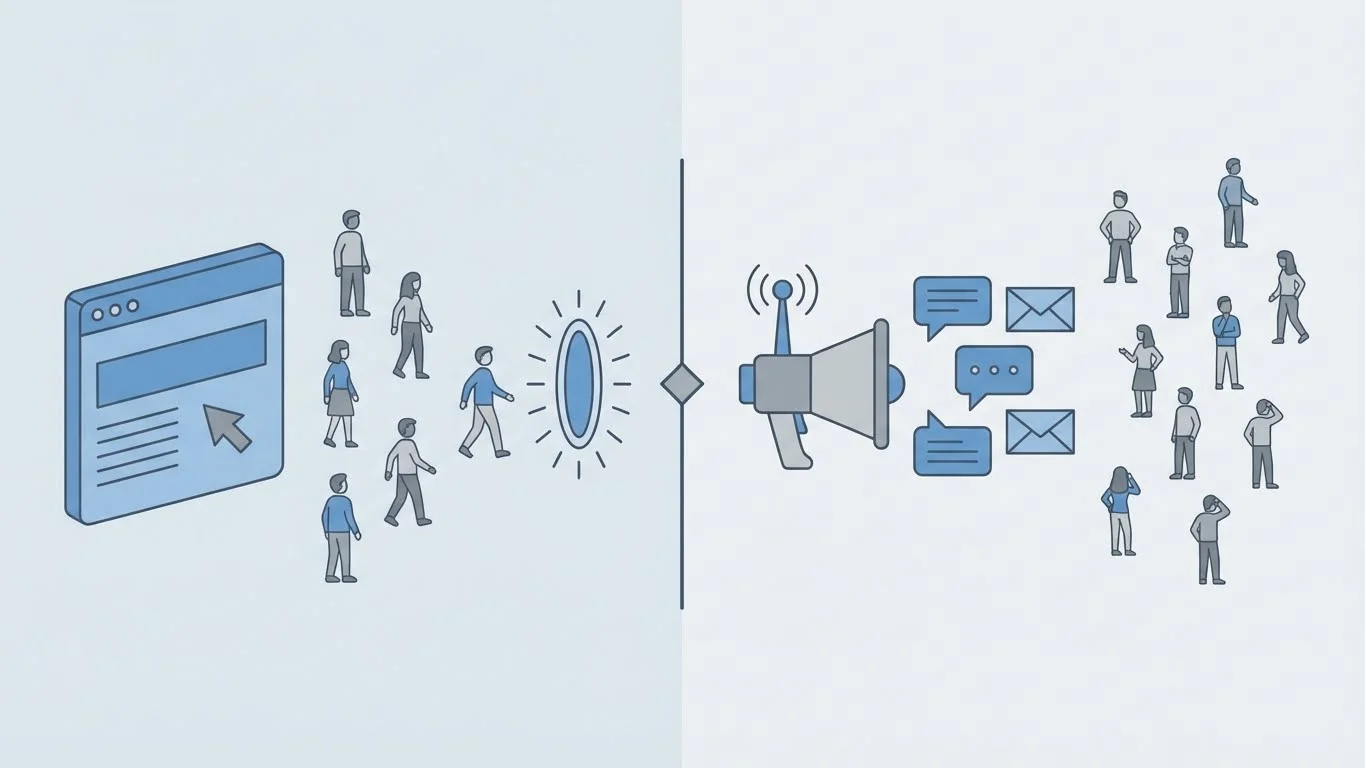
1. Control Over Timing and Interaction Channels
Inbound lead generation gives control to the prospect. They decide when to engage, which channel to use, and how deeply to interact with your brand.
Outbound lead generation gives control to the business. You decide:
- When to reach out
- Which channel to use
- How frequently to follow up
The trade-off is clear: inbound offers organic interest, while outbound offers speed and control.
2. Brand Awareness at First Interaction
Inbound leads typically have high brand awareness at the first interaction. They may have read your blog, watched your videos, or compared your offering with competitors.
Outbound leads usually have low or no brand awareness. They may not recognize your company name, which increases resistance and requires additional effort to build credibility.
3. Speed of Lead Generation
Inbound lead generation is slower in the beginning. Content creation, SEO, and audience trust take time to develop, often requiring several months before consistent results appear.
Outbound lead generation delivers faster results. Campaigns can start generating conversations and meetings within days or weeks. However, results stop quickly if outreach stops.
Inbound is a long-term strategy, while outbound is a short-term accelerator.
4. Targeting Precision and Audience Reach
Inbound targeting works by attracting the right audience through:
- Search intent
- Content topics
- Keywords and user behavior
This makes inbound highly focused but dependent on people actively searching.
Outbound targeting traditionally had broader reach, but it has become more precise with:
- Firmographic data
- Behavioral data
- Intent signals
Outbound allows businesses to reach prospects before they actively search, though accuracy depends on data quality.
5. Trust and Credibility Building
Inbound leads usually trust your brand more from the start. They chose to engage, which lowers skepticism and shortens sales conversations.
Outbound leads require trust to be built after contact. Sales teams must overcome:
- Interruption resistance
- Lack of familiarity
- Skepticism about intent
This difference directly affects conversion rates and deal velocity.
6. Investment Type and Cost Structure
Inbound requires long-term investment in content, SEO, and marketing infrastructure. While upfront costs can be high, the cost per lead decreases over time as assets compound.
Cost per lead varies heavily by industry and channel, but inbound generally sits lower once assets mature, while outbound cost per lead stays higher because you’re paying for reach and personnel on every cycle, not just once. Rather than quoting fixed dollar ranges here (which shift by industry, geography, and sales cycle), point readers to the full breakdown below and keep this section about the structural difference: inbound cost declines over time, outbound cost stays roughly flat or rises with scale.
Effectiveness Comparison
1. Conversion Rates
Inbound leads generally convert at higher rates because they already show interest. Conversion rates commonly fall between 1.7% and 2% or higher.
Outbound conversion rates vary widely. Strong targeting and personalization can improve results, while poor execution leads to very low engagement.
2. Lead Quality
Inbound leads tend to be higher quality because they self-qualify through engagement and research.
Outbound lead quality depends on targeting accuracy and messaging relevance. Poor targeting produces low-quality conversations, while strong personalization can create high-value opportunities.
3. Return on Investment (ROI)
Inbound ROI compounds over time. Content and SEO assets can generate leads for years after they are created.
Outbound ROI appears faster but does not compound. When spending stops, lead flow stops as well.
Early-stage companies often rely on outbound for speed, while established businesses benefit more from inbound ROI over time.
4. Scalability
Inbound scales organically as traffic and audience grow. A single high-performing asset can generate thousands of leads.
Outbound scales with budget and manpower. Growth is possible, but costs increase proportionally.
Inbound Lead Generation Strategies
1. Core Tactics
Inbound lead generation focuses on attracting prospects through value:
- Content marketing such as blogs, guides, videos, and whitepapers
- Search engine optimization (SEO)
- Search engine marketing (SEM and PPC)
- Social media engagement
- Email marketing to opted-in audiences
- Webinars and online workshops
2. Benefits of Inbound
Inbound lead generation offers:
- Higher conversion rates
- Better lead quality
- Long-term brand authority
- Lower cost per lead over time
- Reduced pressure on sales teams
- Compounding results from content assets
3. Challenges of Inbound
Inbound also has challenges:
- Requires consistent, high-quality content
- Results take time, often 3–6 months or more
- Depends on search engine algorithms
- Performance can fluctuate with market trends
- Requires upfront investment in tools and skills
Outbound Lead Generation Strategies
1. Core Tactics
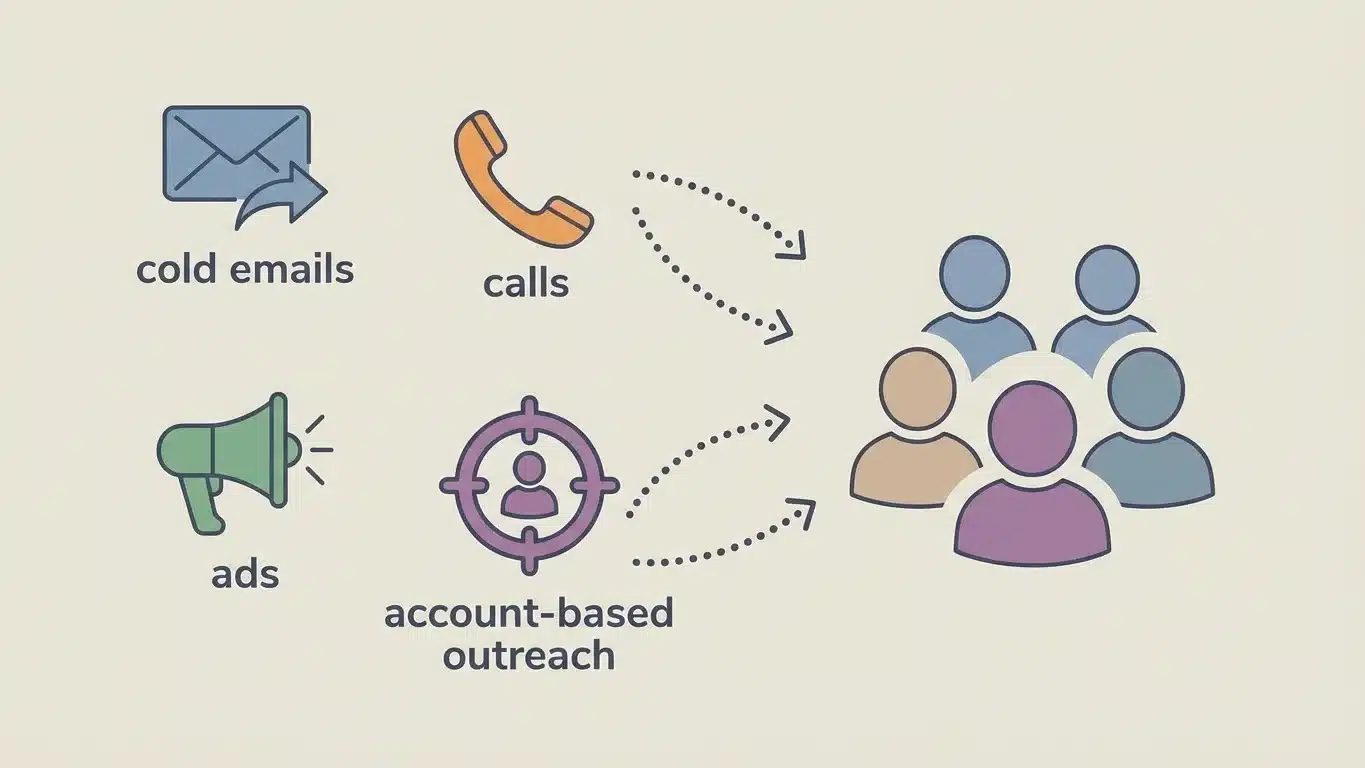
Outbound strategies rely on direct outreach:
- Cold calling and telemarketing
- Personalized cold email campaigns
- Direct mail outreach
- Paid search and social advertising
- Social selling on professional networks
- Trade shows and industry events
- Account-based marketing (ABM)
- Intent data targeting
2. Benefits of Outbound
Outbound lead generation provides:
- Fast pipeline creation
- Full control over targeting and volume
- Strong support for ABM strategies
- Ideal for new product launches or markets
- Independence from SEO algorithms
- Ability to reach prospects before active search
3. Challenges of Outbound
Outbound limitations include:
- Higher cost per lead
- Risk of being perceived as spam
- Lower conversion rates
- Dependence on skilled sales teams
- Heavy reliance on accurate data
- Labor-intensive execution
Cost Comparison: Inbound vs Outbound
1. Inbound Cost Breakdown
Inbound costs typically include:
- Content creation (writers, designers, video production)
- SEO tools such as SEMrush or Ahrefs
- Marketing automation platforms like HubSpot or Marketo
- Website optimization and conversion tools
- Analytics and reporting tools
Inbound cost per lead is typically a fraction of outbound once content assets are live, though the exact number depends heavily on your industry and sales cycle length.
2. Outbound Cost Breakdown
Outbound costs commonly include:
- Contact and intent data platforms
- Sales engagement tools
- Paid advertising budgets
- Sales development team salaries and training
- Communication and tracking tools
Outbound cost per lead often ranges from $50 to $700 or more.
3. Total Cost of Ownership
Inbound becomes more cost-effective over time due to compounding assets. Outbound remains effective but requires continuous spending. Many businesses balance both to optimize total cost of ownership.
Lead Nurturing: Inbound vs Outbound
1. Inbound Lead Nurturing
Inbound nurturing focuses on education and trust:
- Sharing valuable, relevant content
- Automated email workflows
- Thought leadership positioning
- Longer nurturing cycles aligned with buyer research
Inbound nurturing works because the prospect already opted in, so the goal isn’t to convince them you exist, it’s to keep them educated until they’re ready to buy. A lead who downloaded a whitepaper in January might not talk to sales until June, and that gap is where automated email sequences and content do the work.
2. Outbound Lead Nurturing
Outbound nurturing is more direct:
- Personalized follow-up communication
- Multi-touch outreach sequences
- Sales-led relationship building
- Shorter, more focused engagement paths
Outbound nurturing operates on a much shorter clock. Since the prospect didn’t ask to be contacted, the first few touches have to earn attention fast, usually within a 2-3 week window, before the outreach starts feeling stale or gets ignored.
3. Tools for Lead Nurturing
Lead nurturing commonly uses:
- Marketing automation platforms
- CRM systems
- Sales engagement tools
- Email marketing software
- Analytics and tracking platforms
Which Should Your Business Choose?
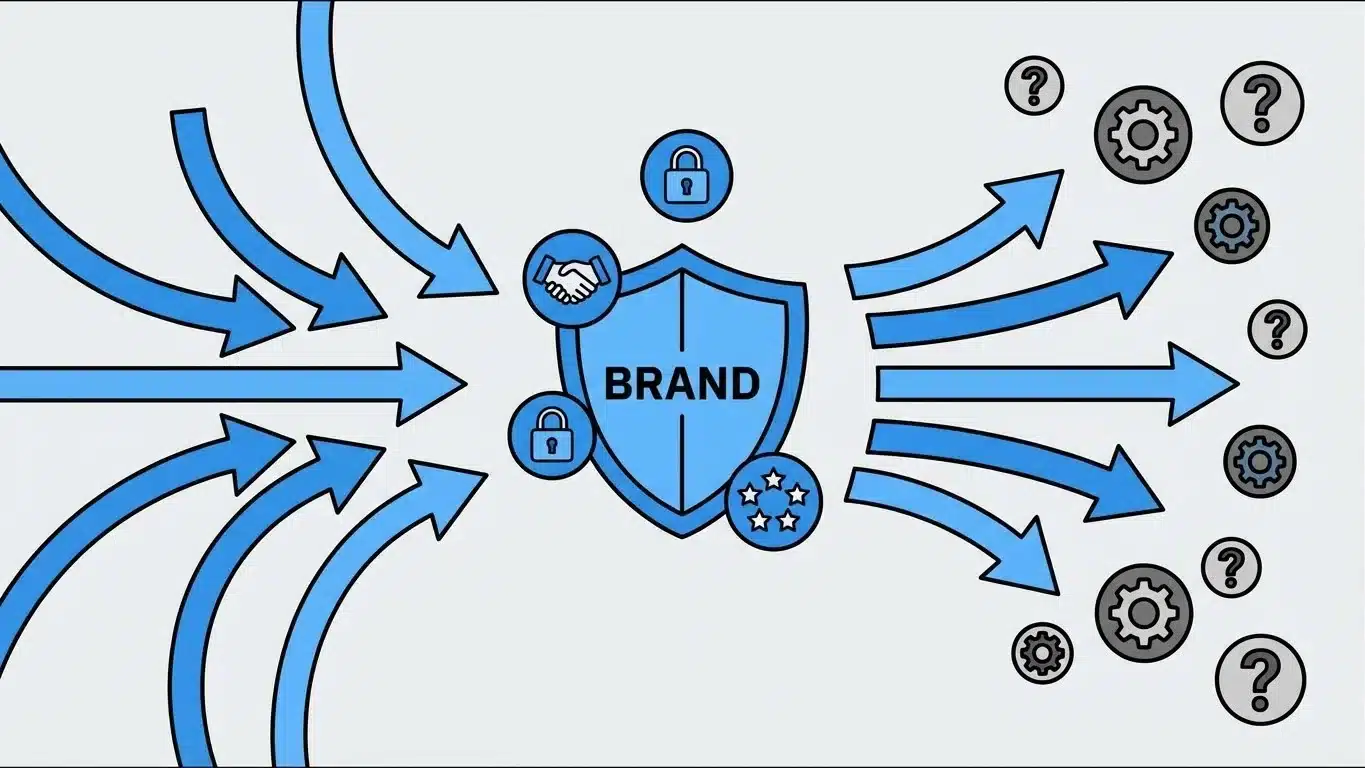
1. Choose Inbound If:
Inbound is a good fit if you:
- Want sustainable, long-term growth
- Target research-driven audiences
- Value brand authority and trust
- Can wait several months for results
- Prefer lower long-term cost per lead
- Have resources for content creation
2. Choose Outbound If:
Outbound is ideal if you:
- Need immediate pipeline and revenue
- Target specific high-value accounts
- Are entering new markets
- Have a skilled sales team
- Access accurate contact data
- Operate under short-term revenue pressure
3. Choose Hybrid (Recommended):
A hybrid approach works best if you:
- Want both short-term and long-term growth
- Need resilience across market conditions
- Can align sales and marketing teams
- Have resources to support both strategies
- Want maximum reach and flexibility
The Hybrid Approach: Synergistic Integration
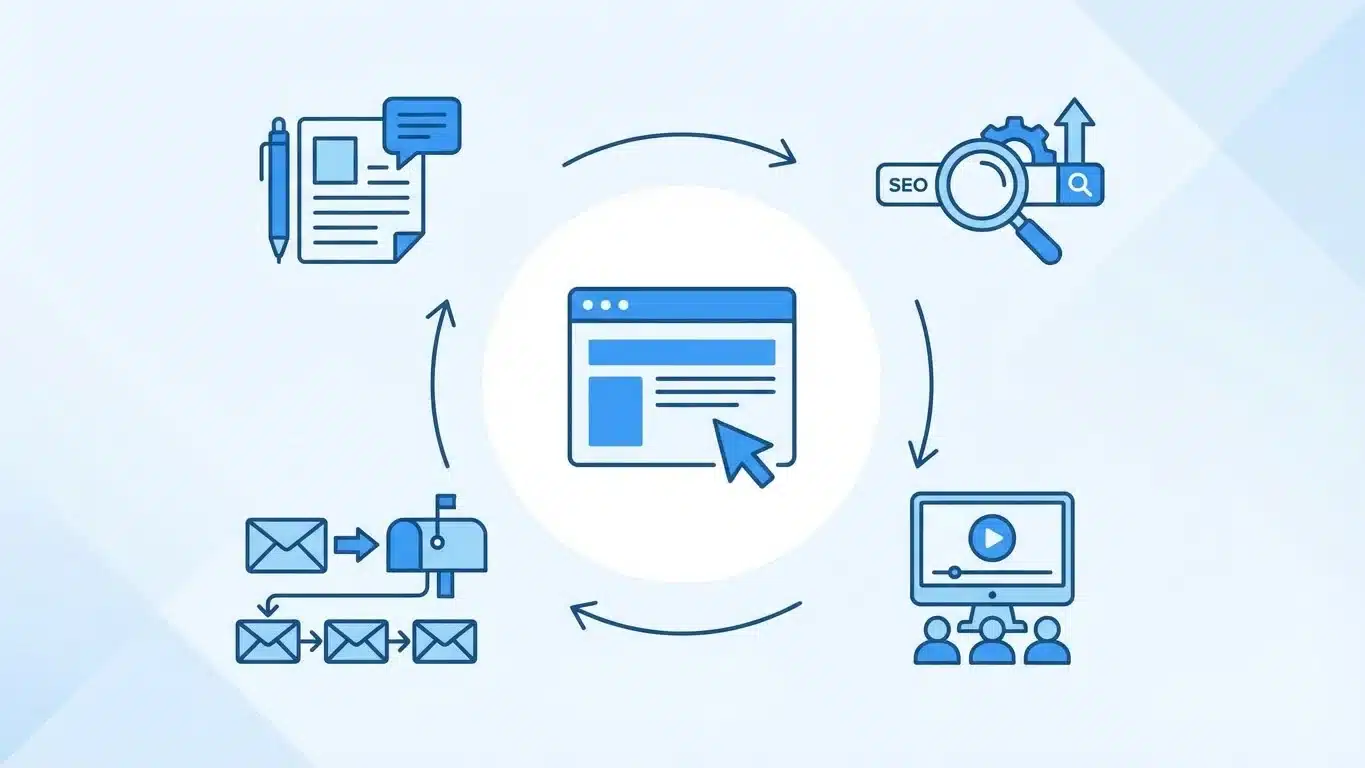
Why Combined Strategies Work Better
Inbound attracts ready buyers, while outbound targets specific accounts. Together, they:
- Cover more stages of the buyer journey
- Reinforce brand visibility
- Create multiple touchpoints
- Reduce dependency on a single channel
Practical Integration Examples
Common hybrid practices include:
- Promoting inbound content through outbound outreach
- Triggering outreach based on intent signals
- Combining webinars with follow-up sales campaigns
- Using inbound content in outbound sequences
- Feeding outbound insights back into content strategy
Signal-Driven Integration (Advanced)
Advanced teams use predictive signals to:
- Identify future buyers
- Time outreach more accurately
- Align marketing and sales actions
- Increase relevance and response rates
Essential Tools & Technology Stack
1. Inbound-Focused Tools
Inbound teams typically build their stack around a marketing automation platform (HubSpot, Marketo), keyword research tools like SEMrush or Ahrefs, analytics through GA4, chat-based conversational tools like Drift or Intercom, and CRO platforms like Unbounce or Instapage for landing pages.
2. Outbound-Focused Tools
Outbound teams rely on:
- B2B data and intent platforms
- Sales engagement and sequencing tools
- CRM systems
- Prospecting and social selling tools
- Email tracking software
3. Integrated or Hybrid Tools
Hybrid stacks typically include:
- Unified CRM and marketing platforms
- Sales and marketing automation integrations
- Revenue intelligence tools
Measuring Success: KPIs for Both Approaches
1. Inbound Metrics
Inbound metrics matter most in aggregate and over time, since a single blog post rarely shows its full value in the first month. Watch these together rather than any one number in isolation:
- Website traffic and sources
- Marketing-qualified leads
- Cost per lead
- Conversion rates
- Content engagement
- Email performance
- Organic search visibility
2. Outbound Metrics
Outbound metrics move faster and should be checked weekly, not quarterly, since a stalling reply rate is the earliest sign a sequence or list needs fixing:
- Response and reply rates
- Meetings booked
- Cost per acquisition
- Sales cycle length
- Lead-to-customer conversion
- Outreach volume and efficiency
3. Unified Metrics
Unified measurement focuses on:
- Total pipeline generated
- Revenue by channel
- Customer acquisition cost
- Win rates by source
- Lifetime value by channel
- Overall ROI
Conclusion
Inbound and outbound leads serve different purposes. Inbound supports long-term growth, trust, and authority, while outbound delivers speed, control, and targeted reach. There is no universal best option.
The most effective approach depends on your goals, timeline, budget, and market. For most B2B businesses, a hybrid strategy offers the strongest balance of stability, scalability, and performance.
By understanding both approaches, aligning sales and marketing, and continuously measuring results, you can build a lead generation engine that grows alongside your business.
Frequently Asked Questions
Is inbound or outbound better for a new business?
Neither is automatically better. Early-stage companies with limited brand recognition often lean on outbound first because inbound needs time (usually several months) to start producing consistent traffic. Once a content base exists, inbound typically becomes the more cost-efficient channel.
Can you run inbound and outbound at the same time?
Yes, and most established B2B companies do. A common pattern is using outbound to target specific high-value accounts while inbound builds broader pipeline in the background. Neither channel needs to be paused for the other to work.
Which generates higher quality leads, inbound or outbound?
Inbound leads tend to self-qualify since the prospect already showed interest before contact. Outbound lead quality depends heavily on how well the target list and messaging are matched. Well-targeted outbound can outperform poorly optimized inbound, and vice versa.
How long does it take to see results from inbound leads?
Most businesses start seeing consistent inbound results in three to six months, depending on competition in their niche and how much content and SEO work is already in place. Outbound can produce meetings within days or weeks but requires ongoing spend to sustain.
What is a good conversion rate for inbound vs outbound leads?
Conversion benchmarks vary widely by industry, so treat any single percentage with caution. What matters more than hitting a specific number is comparing your own inbound and outbound conversion rates against each other over time to see which channel is actually earning its budget.

Passionate about blogging and focused on elevating brand visibility through strategic SEO and digital marketing. Always tuned in to the latest trends, I’m dedicated to maximizing engagement and delivering measurable ROI in the dynamic world of digital marketing. Let’s connect and unlock new opportunities together!