



Measuring digital marketing success in 2026 is no longer about counting likes, clicks, or website visits alone. Digital marketing has evolved with the rise of AI-driven platforms, stricter privacy regulations, multiple customer touchpoints, and faster buying decisions. Because of this, businesses must move beyond surface-level metrics and focus on meaningful performance indicators.

In 2026, digital marketing success is defined by how well marketing efforts contribute to real business outcomes such as qualified leads, revenue growth, customer retention, and brand trust. This blog explains how to measure digital marketing success using a structured, practical, and future-ready approach.
What Does Digital Marketing Success Mean in 2026?
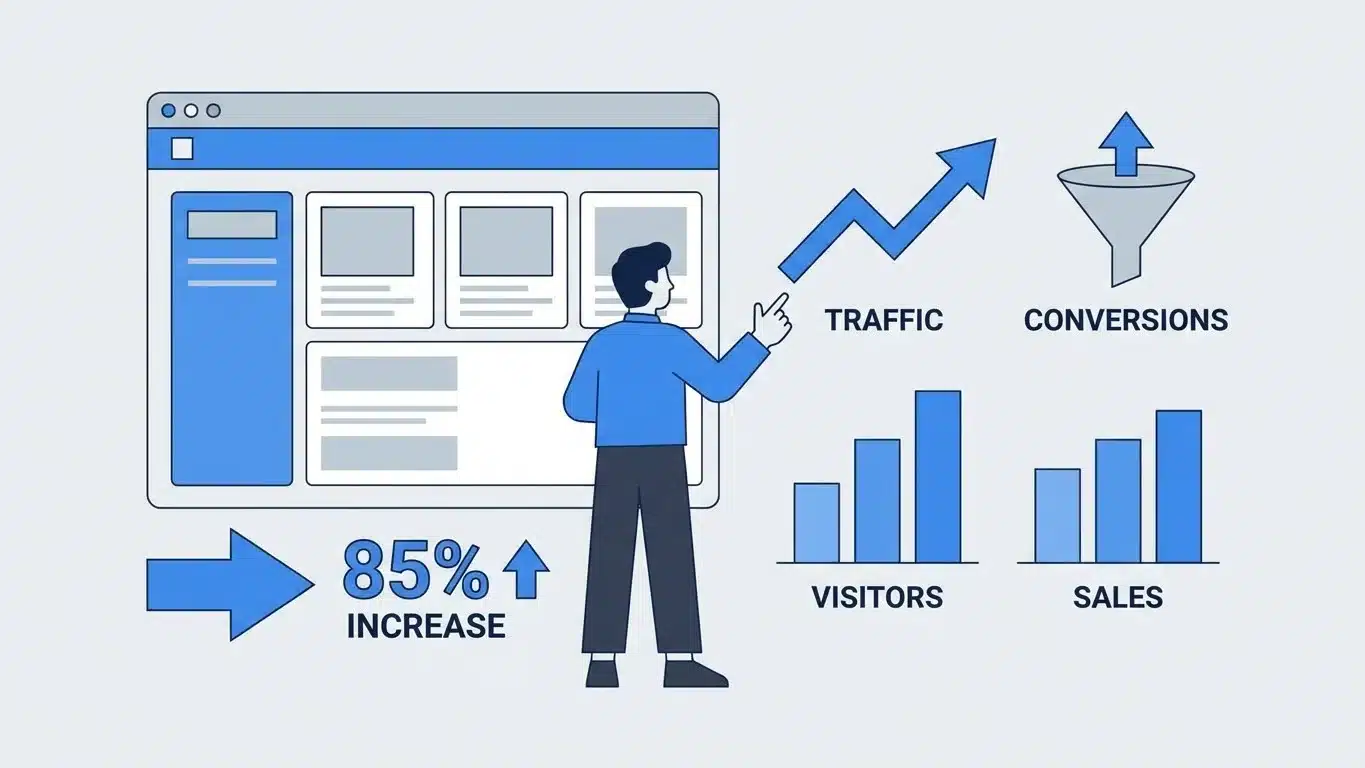
Digital marketing success in 2026 means achieving measurable and sustainable business growth through digital channels. It focuses on long-term value rather than short-term engagement spikes.
Success is measured by how effectively marketing attracts the right audience, converts them into customers, and maintains strong relationships over time. Instead of chasing numbers that look good on reports, businesses now focus on impact-driven metrics.
Key elements that define digital marketing success in 2026 include:
- Clear alignment between marketing activities and business goals
- Emphasis on quality leads and conversions rather than traffic volume
- Measurement across the entire customer journey
- Consistent and scalable performance
Why Measuring Digital Marketing Performance Is Important
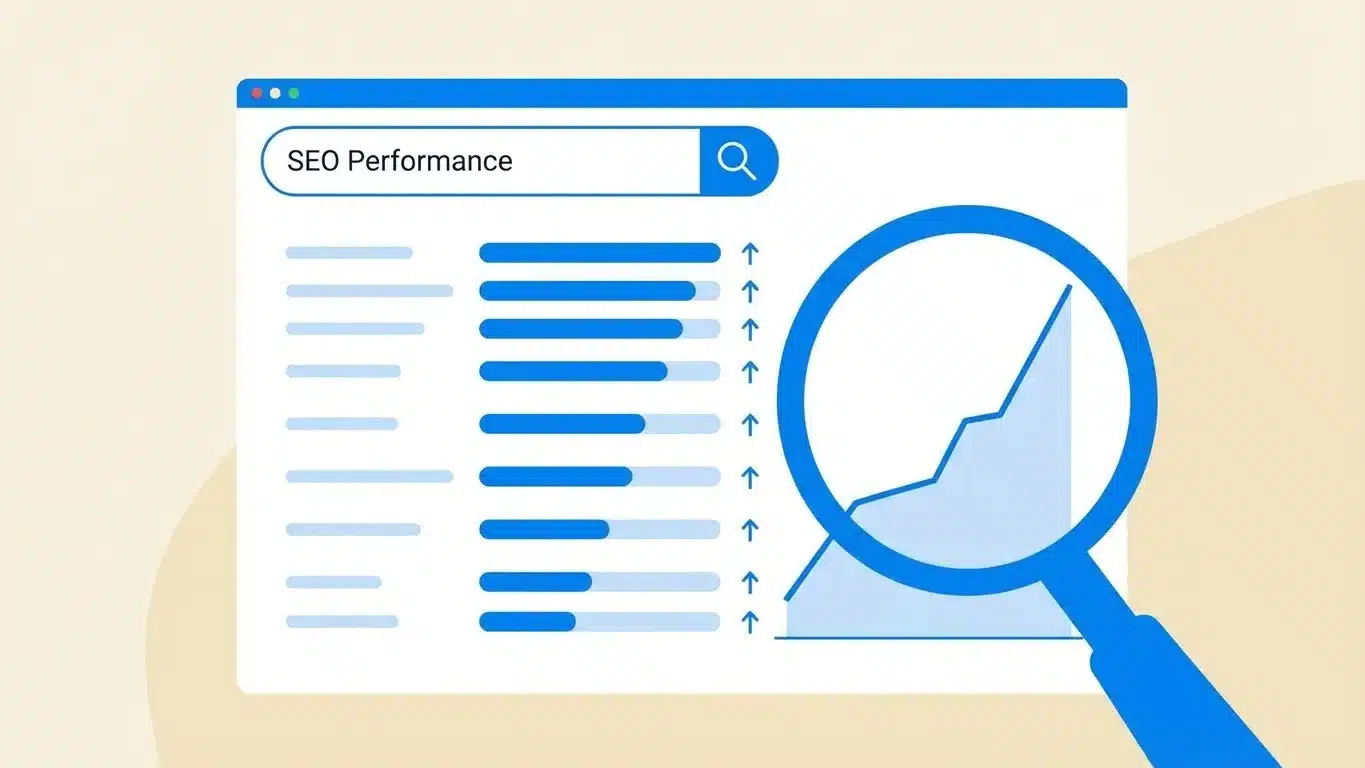
Measuring digital marketing performance helps businesses understand what works, what does not, and where improvements are needed. Without proper measurement, marketing decisions become assumptions rather than data-backed actions.
Performance measurement ensures marketing budgets are used effectively and strategies are continuously optimized.
Key reasons measurement is important:
- Identifies high-performing and underperforming channels
- Improves budget allocation and cost efficiency
- Helps optimize campaigns in real time
- Increases accountability across marketing teams
- Supports long-term growth planning
Setting Clear Digital Marketing Goals and Objectives
Clear goals form the foundation of accurate digital marketing measurement. Without well-defined objectives, it becomes difficult to select the right metrics or evaluate success.
In 2026, digital marketing goals must be specific, measurable, and closely tied to business outcomes. Vague goals make performance tracking ineffective and misleading.
Common digital marketing objectives include:
- Increasing brand awareness among a defined audience
- Generating qualified leads
- Driving online or offline sales
- Improving customer retention and repeat purchases
Each objective should have matching KPIs to ensure progress can be measured objectively.
Key Digital Marketing Metrics to Track in 2026
Website Performance Metrics
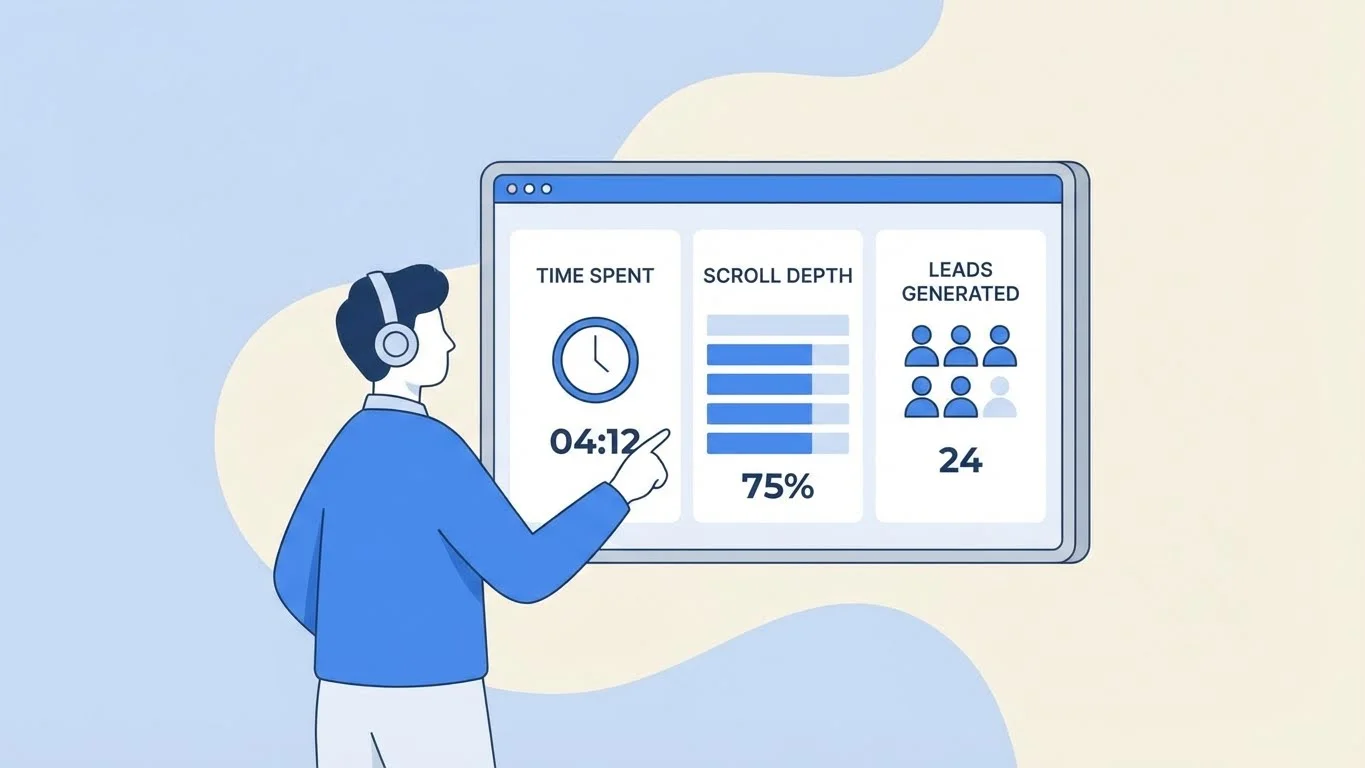
Website performance metrics show how users interact with your website and whether it supports conversions effectively.
Important website metrics include:
- Total website traffic
- Traffic sources such as organic, paid, referral, and direct
- Bounce rate
- Average session duration
- Conversion rate
These metrics help identify usability issues, content effectiveness, and conversion gaps.
SEO Performance Metrics
SEO performance metrics measure how effectively a website attracts and converts organic search traffic.
Key SEO metrics to track:
- Growth in organic traffic
- Keyword ranking performance
- Click-through rate from search results
- Core Web Vitals performance
- Indexed pages and crawl health
In 2026, SEO success depends heavily on user experience, technical stability, and content relevance.
Content Marketing Metrics
Content marketing metrics help evaluate how well content engages users and supports conversions at different stages of the buyer journey.
Important content metrics include:
- Time spent on content
- Scroll depth and engagement signals
- Social shares
- Leads generated through content
- Content-assisted conversions
These metrics reveal which content topics and formats deliver real business value.
Social Media Marketing Metrics
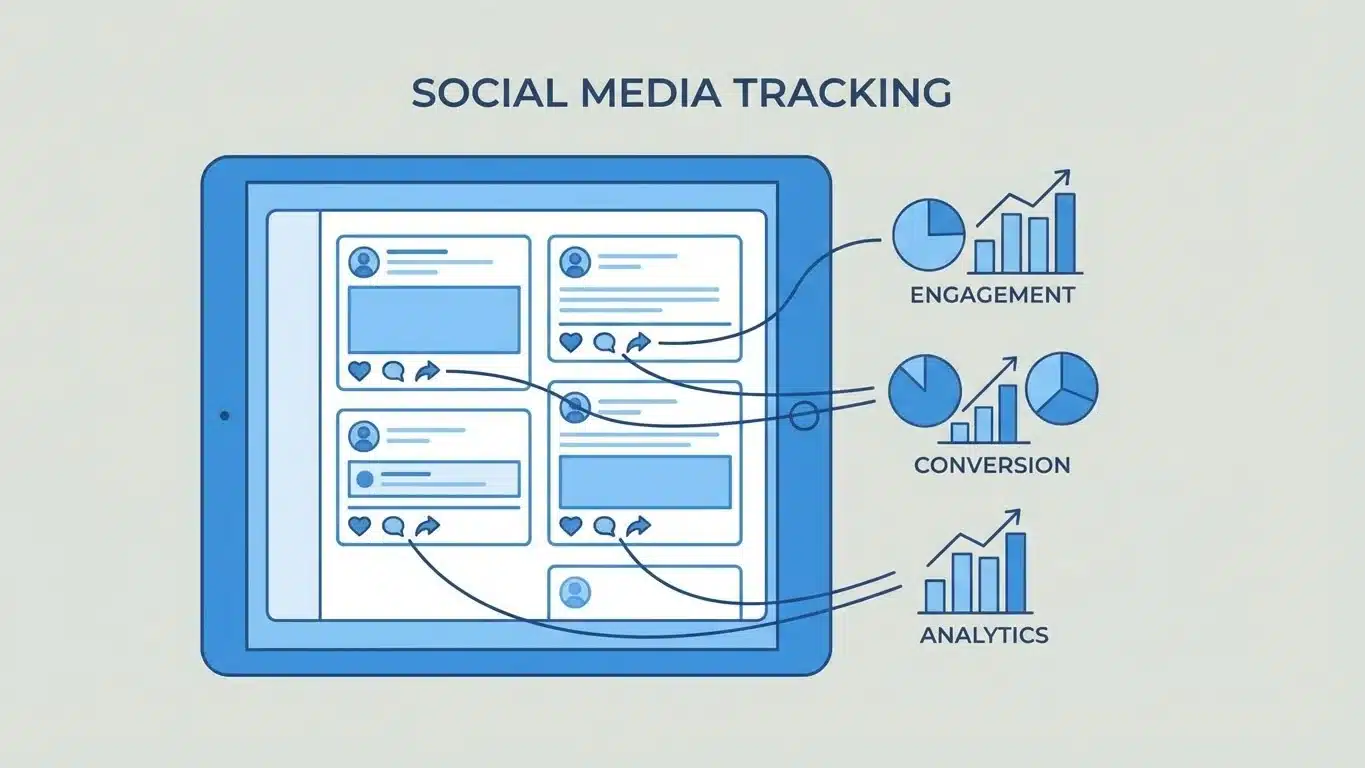
Social media marketing metrics measure audience interaction and action across social platforms.
Key social media metrics include:
- Reach and impressions
- Engagement rate
- Follower growth
- Click-through rate
- Conversions driven by social media
In 2026, engagement quality and conversion impact matter more than follower count.
Paid Advertising Metrics

Paid advertising metrics help evaluate the efficiency and profitability of paid campaigns.
Key paid advertising metrics include:
- Cost per click (CPC)
- Cost per acquisition (CPA)
- Return on ad spend (ROAS)
- Conversion rate
- Impression share
These metrics ensure ad spend contributes directly to measurable business results.
Email Marketing Metrics
Email marketing remains one of the most trackable digital channels in 2026, especially for nurturing and retention.
Important email marketing metrics include:
- Open rate
- Click-through rate
- Conversion rate
- Unsubscribe rate
- Revenue generated through email campaigns
Tracking these metrics helps improve targeting, messaging, and campaign timing.
Measuring Customer Journey and Attribution
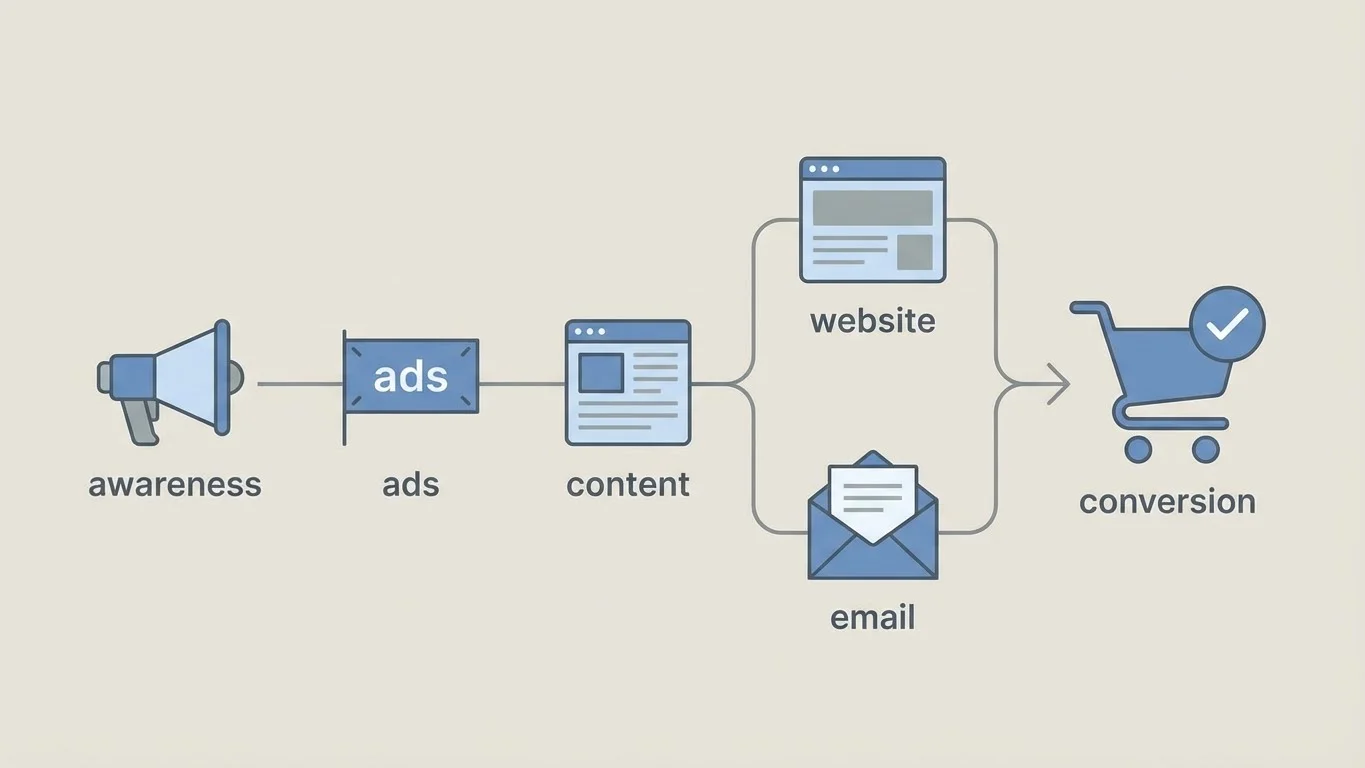
Modern customers interact with multiple touchpoints before making a decision. Measuring success requires understanding how each interaction contributes to the final outcome.
Attribution models help assign value to different stages of the customer journey.
Key attribution approaches include:
- First-click attribution
- Last-click attribution
- Multi-touch attribution
In 2026, multi-touch attribution provides the most accurate view of cross-channel performance.
Role of AI and Automation in Measuring Marketing Success
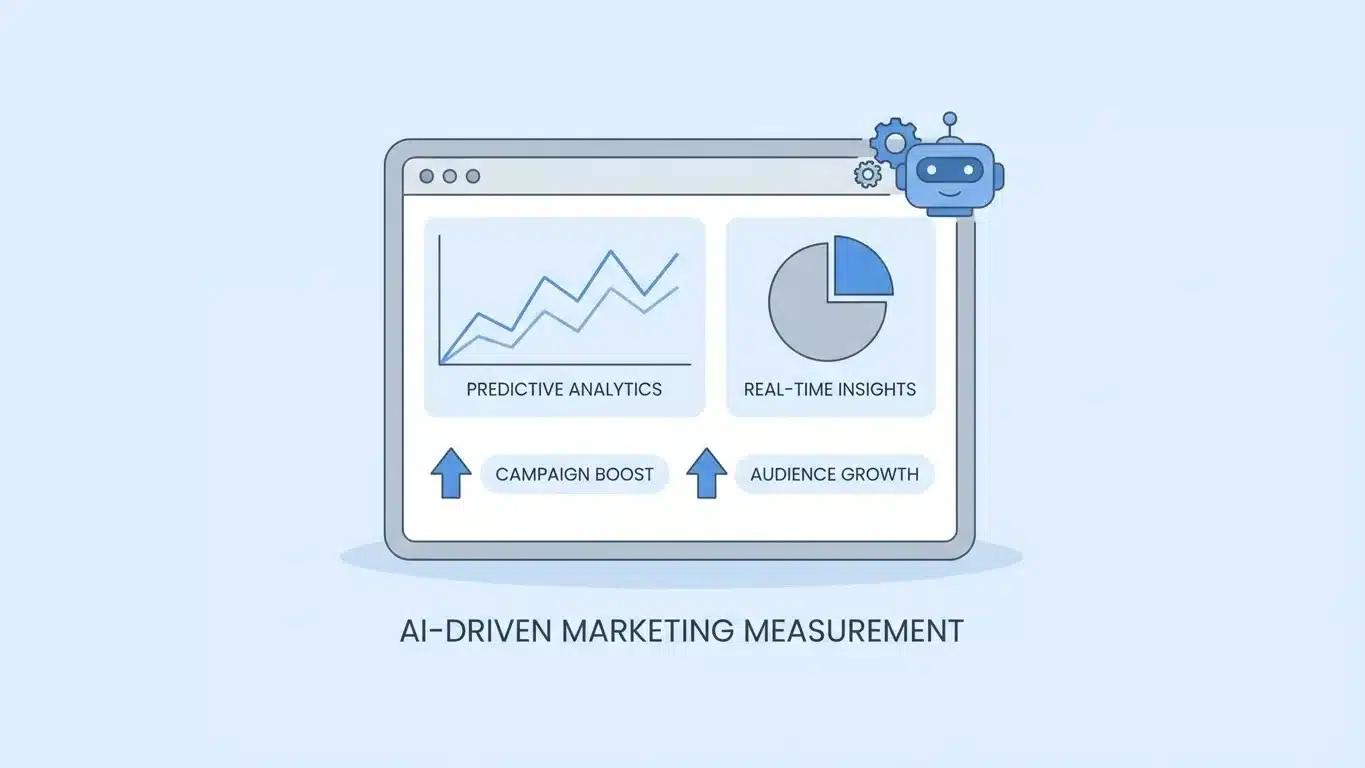
AI and automation play a critical role in handling large datasets and identifying patterns in marketing performance.
In 2026, AI helps marketers move from basic reporting to predictive and real-time insights.
Key roles of AI and automation include:
- Predictive performance forecasting
- Automated anomaly detection
- Real-time performance dashboards
- Data-driven optimization recommendations
AI enhances speed and accuracy while allowing marketers to focus on strategy.
Tools to Measure Digital Marketing Success
Digital marketing measurement requires a combination of analytics, tracking, and reporting tools.
Common tool categories include:
- Web analytics platforms such as Google Analytics
- SEO and keyword tracking tools
- Social media analytics platforms
- CRM and marketing automation systems
- Reporting and data visualization tools
Using the right mix of tools ensures consistent and reliable measurement.
How to Measure ROI in Digital Marketing
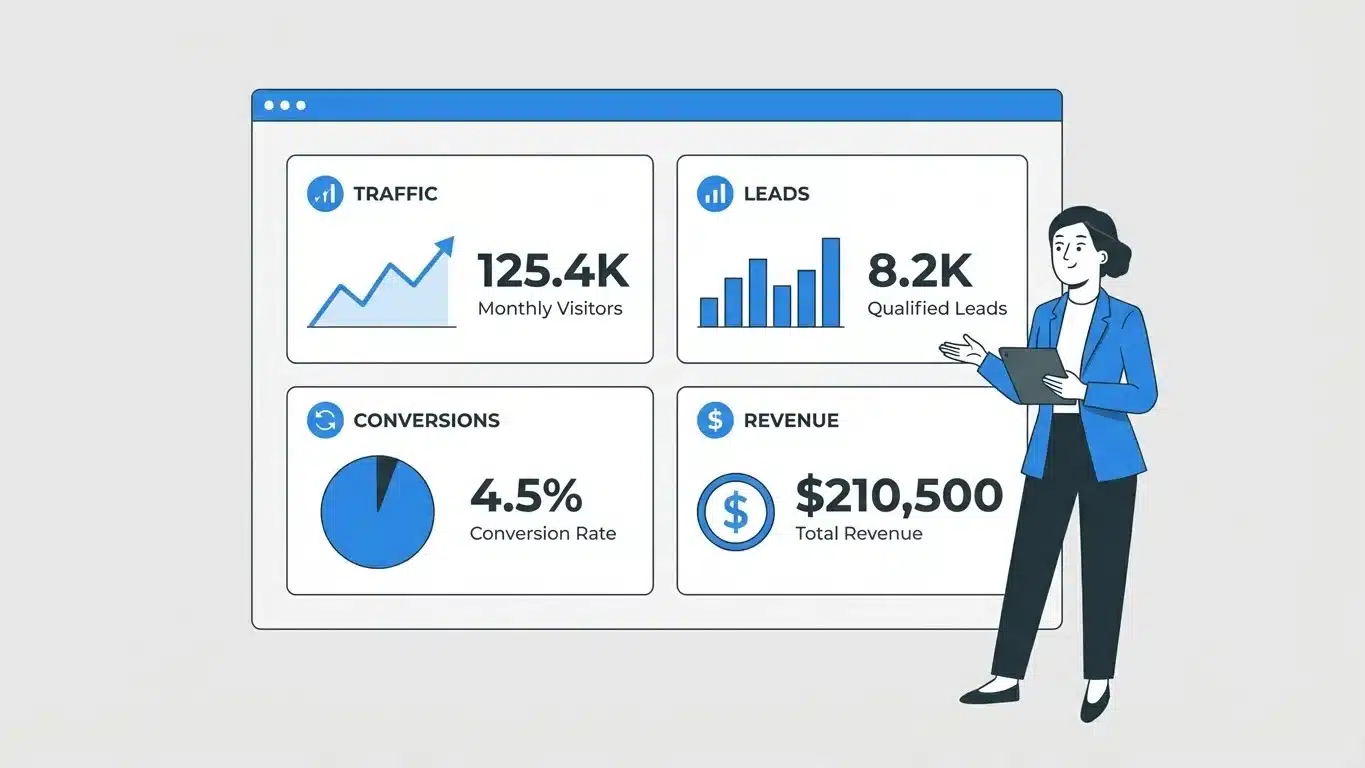
ROI measurement connects marketing performance directly to business revenue and growth.
Measuring ROI helps businesses understand whether marketing investments are profitable and scalable.
Key approaches to measuring ROI include:
- Revenue-based ROI calculation
- Goal-based ROI tracking
- Assisted conversion analysis
- Linking marketing spend to customer lifetime value
Accurate ROI tracking supports smarter budgeting and long-term planning.
Creating a Digital Marketing Performance Dashboard
A digital marketing performance dashboard brings key metrics into one centralized view.
A well-designed dashboard focuses on clarity and relevance instead of excessive data.
Key elements of an effective dashboard include:
- Clearly defined KPIs
- Channel-wise performance overview
- Conversion and revenue metrics
- Regular review and updates
Dashboards should be tailored to different stakeholders and business goals.
Conclusion
Measuring digital marketing success in 2026 requires a shift from basic metrics to meaningful, outcome-focused measurement. True success is defined by how well marketing supports business growth, efficiency, and customer experience.
By setting clear goals, tracking the right metrics, understanding the customer journey, and using data responsibly, businesses can build a strong measurement framework. A structured and results-driven approach ensures digital marketing efforts deliver consistent and measurable value in an increasingly complex digital environment.

Passionate about blogging and focused on elevating brand visibility through strategic SEO and digital marketing. Always tuned in to the latest trends, I’m dedicated to maximizing engagement and delivering measurable ROI in the dynamic world of digital marketing. Let’s connect and unlock new opportunities together!