


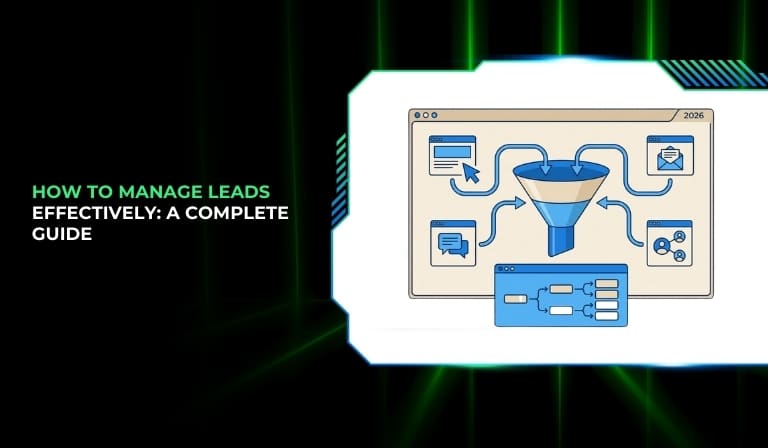
Lead management has become one of the most critical parts of business growth in 2026. Customers today interact with brands across multiple platforms before making a decision. They compare options, read reviews, and expect quick and personalized responses.

At the same time, competition is higher than ever. Businesses are generating leads from websites, social media, ads, emails, and offline sources, but many still struggle to convert those leads into customers. Poor follow-ups, unorganized data, and lack of coordination between teams often result in lost opportunities.
Effective lead management ensures that every potential customer is tracked, understood, and guided through the buying journey. In 2026, it is no longer optional—it is a necessity for sustainable growth.
What Is Lead Management?
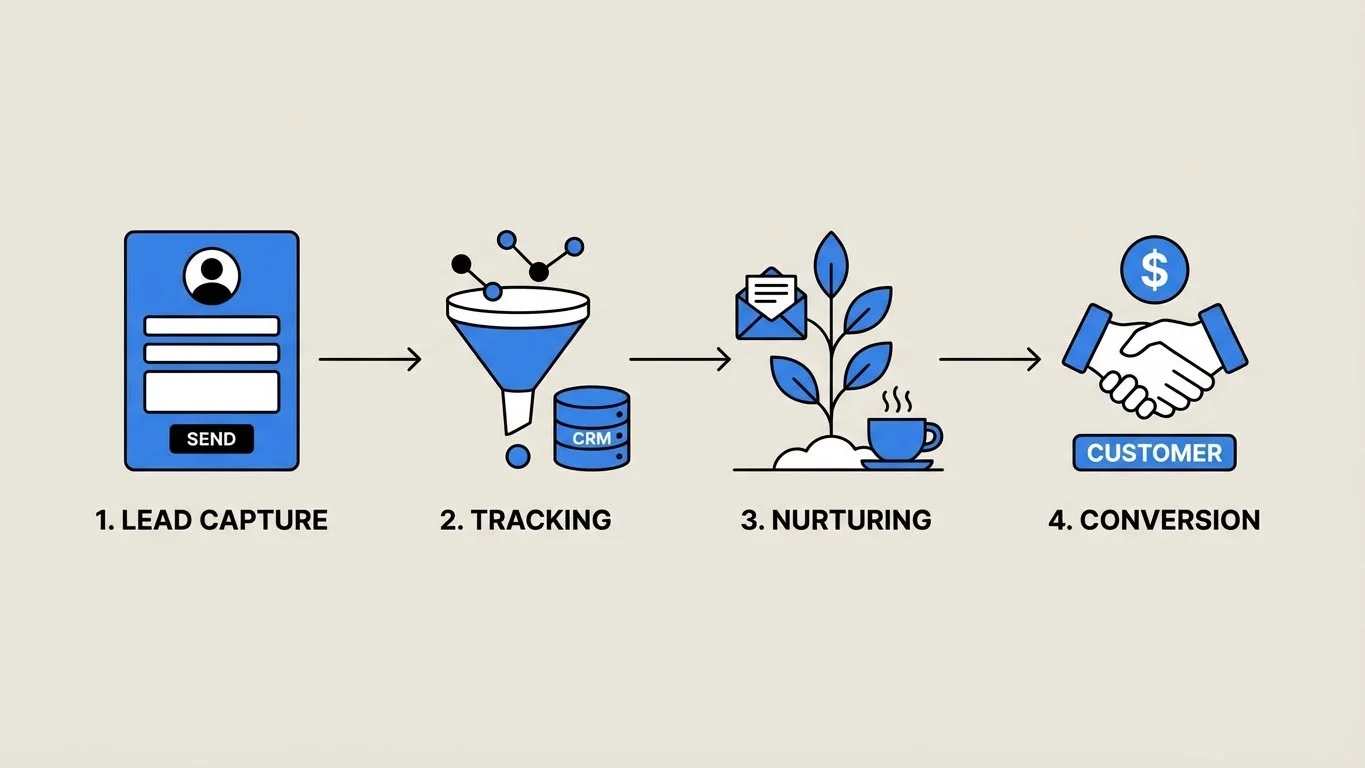
Lead management is the process of capturing, organizing, tracking, nurturing, and converting potential customers into paying customers. It focuses on managing leads throughout their entire journey, from first interaction to final purchase.
Unlike lead generation, which focuses on attracting potential customers, lead management ensures those potential customers are handled correctly after they show interest. Without proper lead management, even high-quality leads can be wasted.
A strong lead management system helps businesses stay organized, respond faster, and build better relationships with prospects.
How Lead Management Has Evolved Over the Years
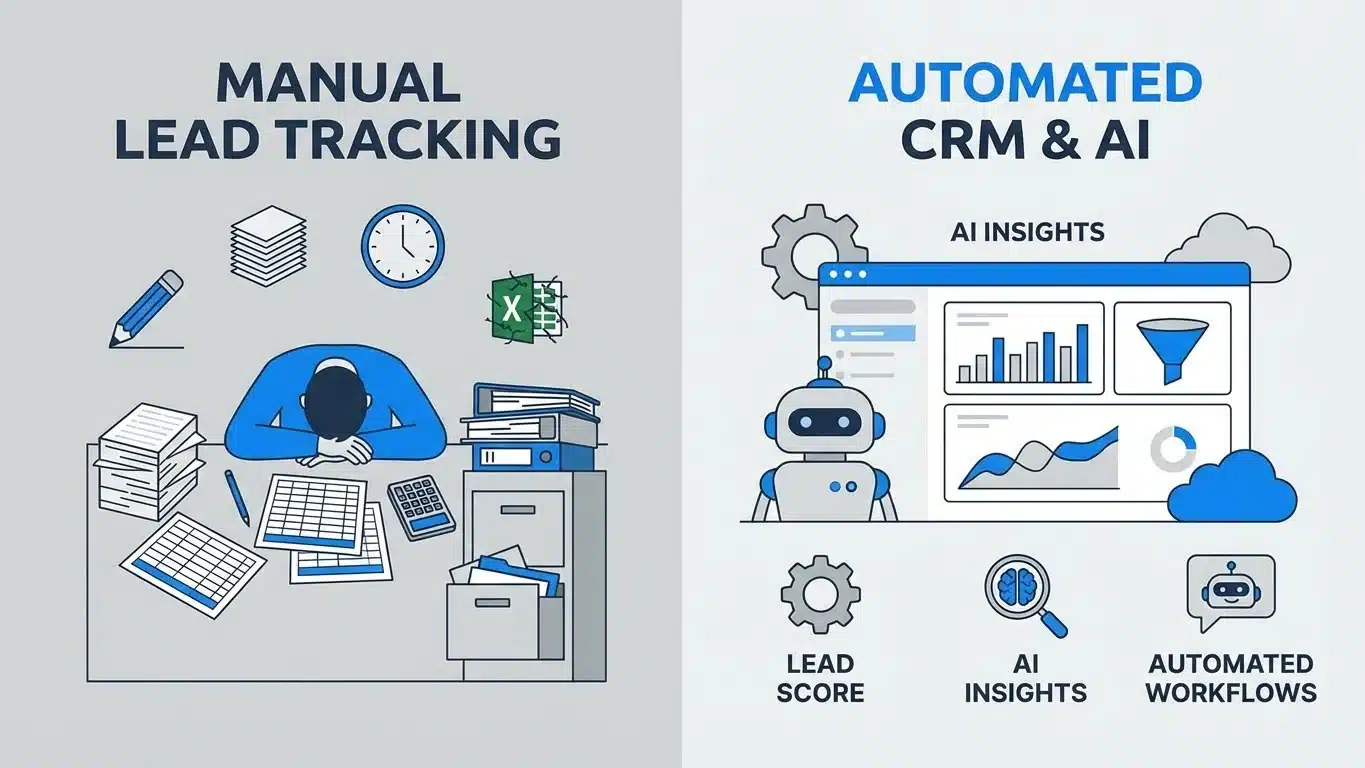
Lead management has changed significantly over time due to technology and changing customer behavior.
Earlier, businesses relied heavily on spreadsheets, manual follow-ups, and basic contact lists. This approach worked when lead volumes were low and customer expectations were simpler.
Today, lead management is data-driven and automated. Businesses use advanced tools to track customer behavior, score leads, and personalize communication. In 2026, the focus has shifted toward smarter systems that reduce manual work and improve accuracy while maintaining human connection.
Types of Leads You Need to Manage
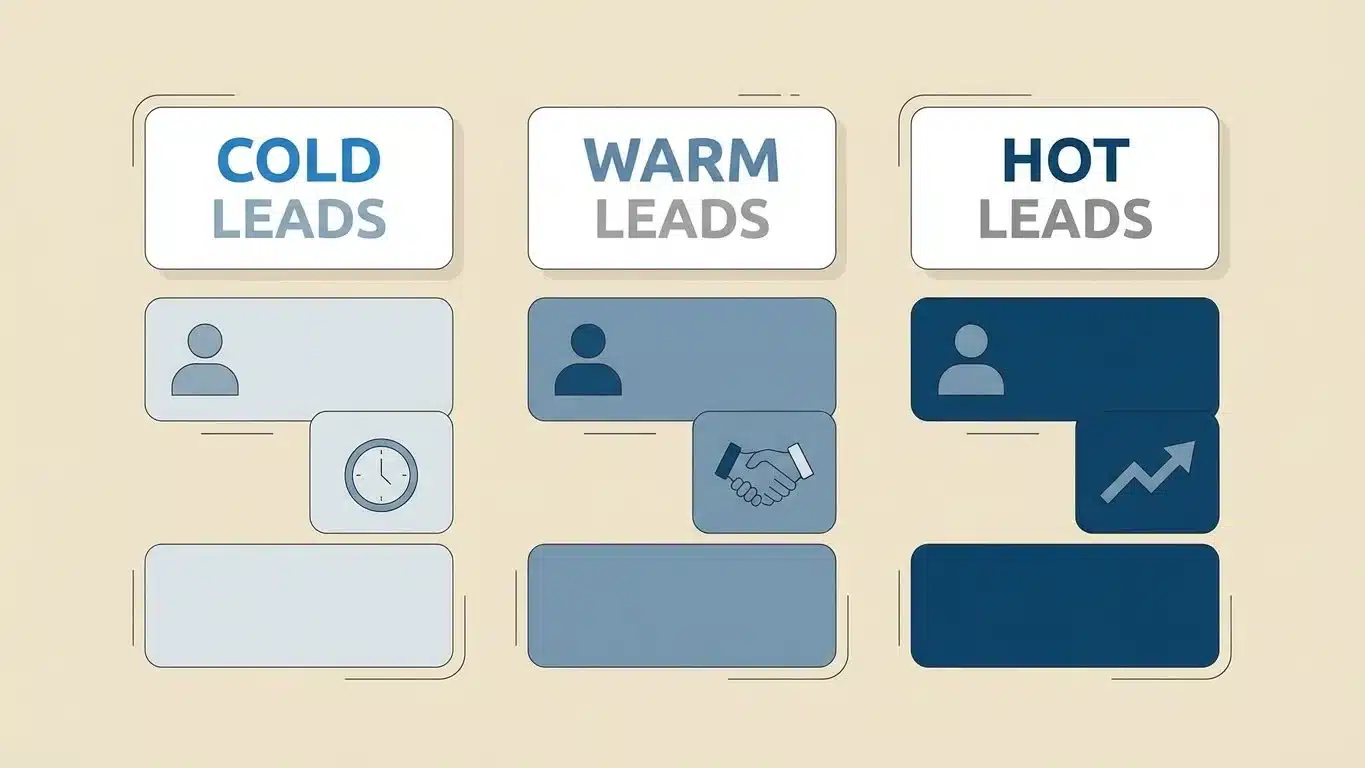
Not all leads are the same, and managing them effectively requires understanding their intent and readiness.
- Cold Leads: These are people who have shown minimal or no interest yet. They may have shared their contact details but are not actively looking to buy.
- Warm Leads: Warm leads have interacted with your brand. They may have visited your website, downloaded content, or engaged on social media.
- Hot Leads: These leads show strong buying intent. They may request a demo, pricing details, or direct contact.
- Marketing Qualified Leads (MQLs): These are leads that meet specific marketing criteria and are more likely to become customers.
- Sales Qualified Leads (SQLs): SQLs are leads that the sales team has reviewed and considers ready for direct sales engagement.
The Complete Lead Management Process
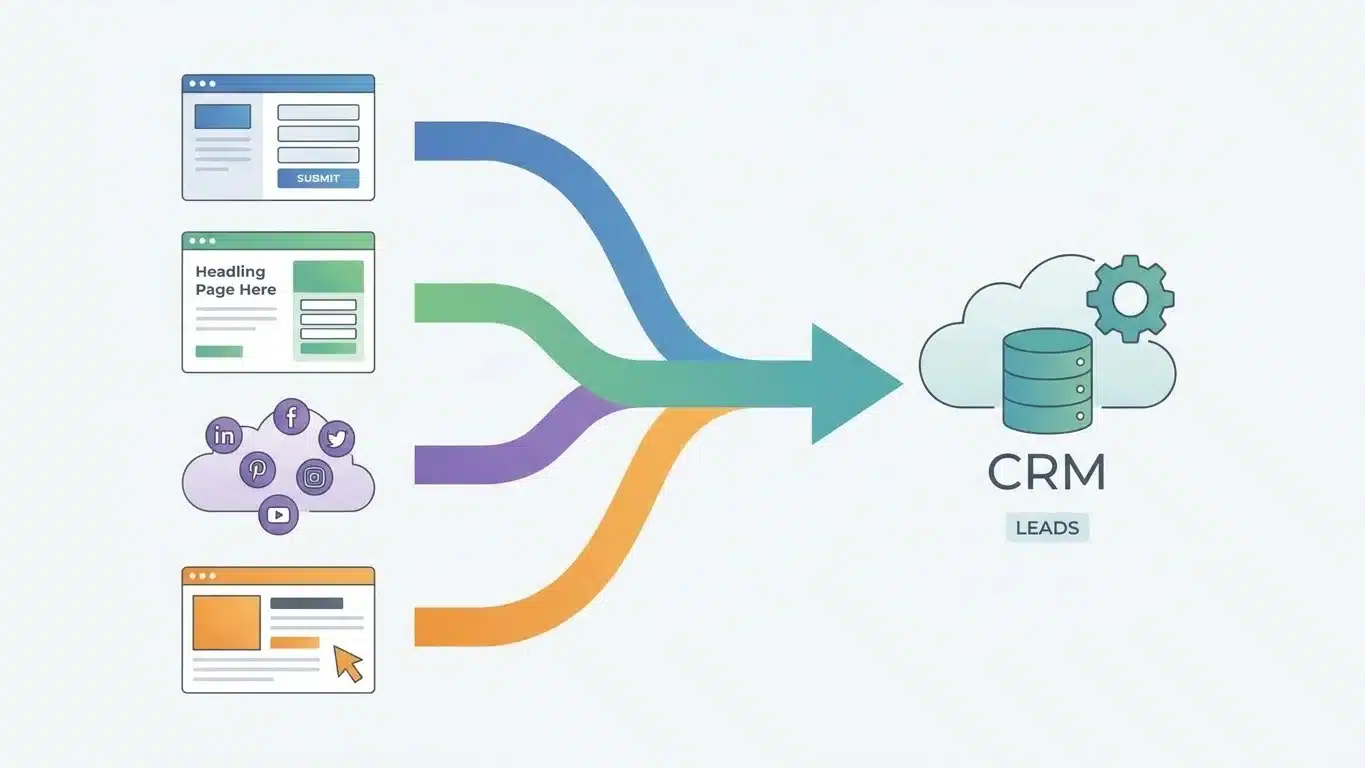
1. Lead Capture
Lead capture is the starting point of lead management. It involves collecting information from potential customers.
- Website contact forms
- Landing pages
- Social media platforms
- Paid advertisements
- Offline events and inquiries
Accurate and ethical data collection is essential to ensure trust and compliance.
2. Lead Tracking and Storage
Once captured, leads must be stored and tracked in a centralized system.
- Centralized lead databases
- Customer Relationship Management (CRM) systems
- Regular data cleanup to avoid duplicates
Organized data helps teams understand where each lead came from and how they are progressing.
3. Lead Qualification
Lead qualification determines whether a lead is worth pursuing.
- Identifying interest level
- Checking budget and need
- Understanding decision-making authority
This step prevents teams from spending time on leads that are unlikely to convert.
4. Lead Scoring
Lead scoring assigns value to leads based on their behavior and information.
- Behavioral actions such as website visits or email clicks
- Demographic factors like industry or job role
In 2026, lead scoring helps prioritize leads and improves efficiency for sales teams.
5. Lead Distribution
Proper lead distribution ensures leads reach the right people at the right time.
- Assigning leads based on region or expertise
- Using round-robin or priority-based methods
- Ensuring fast response times
Quick responses significantly increase the chances of conversion.
6. Lead Nurturing
Not all leads are ready to buy immediately. Lead nurturing builds trust over time.
- Regular follow-ups
- Email communication
- SMS or messaging platform updates
- Sharing helpful and relevant content
Nurturing keeps your brand top of mind until the lead is ready to convert.
7. Lead Conversion
Lead conversion is the final step where a prospect becomes a customer.
- Addressing concerns and objections
- Offering clear value propositions
- Coordinating marketing and sales efforts
Successful conversion depends on timing, clarity, and trust.
Tools and Technologies for Lead Management in 2026
Modern lead management relies heavily on technology.
- CRM software for centralized data
- Marketing automation tools for follow-ups
- AI-powered platforms for insights and predictions
- Chatbots for instant engagement
- Analytics tools for performance tracking
These tools help businesses scale without losing control.
Role of AI and Automation in Lead Management
AI and automation play a major role in improving lead management efficiency.
- Predictive lead scoring based on behavior patterns
- Automated responses and follow-ups
- Data-driven customer insights
While automation saves time, it works best when combined with human judgment.
Best Practices to Manage Leads Effectively in 2026
Following best practices helps maximize results from lead management efforts.
- Respond to leads as quickly as possible
- Keep lead data accurate and updated
- Personalize communication whenever possible
- Align sales and marketing teams
- Regularly review and improve lead processes
Consistency and discipline are key to long-term success.
Common Lead Management Challenges and How to Solve Them
Many businesses face similar challenges when managing leads.
- Low-quality leads wasting time
- Missed or delayed follow-ups
- Duplicate or incomplete data
- Lack of visibility across teams
- Poor conversion rates
These issues can be solved with better systems, training, and regular process audits.
Key Metrics to Measure Lead Management Success
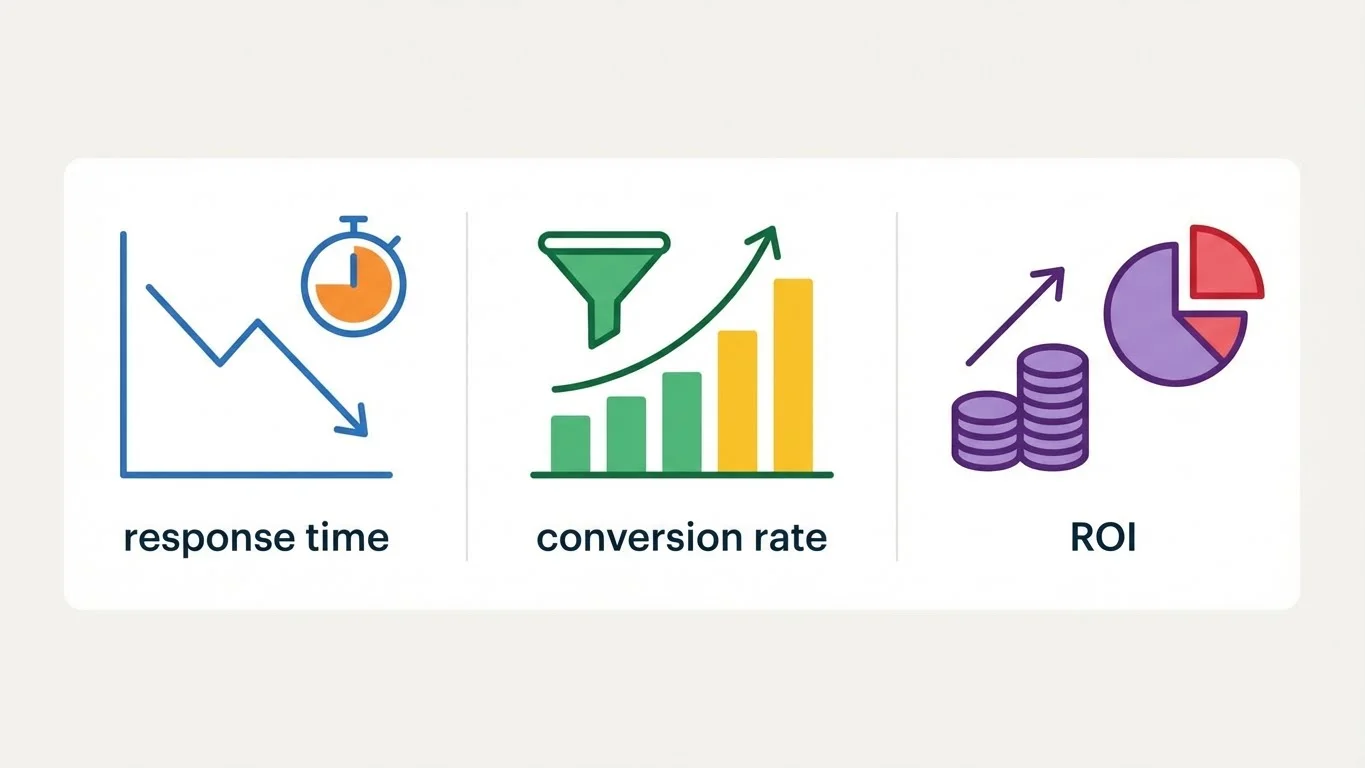
Tracking performance helps improve lead management strategies.
- Lead response time
- Conversion rate
- Cost per lead
- Lead-to-customer ratio
- Overall return on investment
These metrics provide clear insights into what is working and what needs improvement.
Industry-Specific Lead Management Strategies
Different industries require different approaches to lead management.
- B2B Lead Management focuses on long sales cycles and relationship building
- B2C Lead Management emphasizes speed and personalization
- Local Business Lead Management relies on quick follow-ups and local relevance
- Enterprise-Level Lead Management requires structured workflows and advanced reporting
Understanding your industry helps tailor your strategy effectively.
How to Build a Lead Management Strategy for Your Business
Building a lead management strategy requires planning and alignment.
- Define clear goals
- Understand your target audience
- Choose tools that match your needs
- Train teams regularly
A well-defined strategy ensures consistency and scalability.
Mistakes to Avoid in Lead Management
Avoiding common mistakes can save time and resources.
- Focusing only on lead quantity instead of quality
- Ignoring lead nurturing
- Failing to track performance
- Relying too much on automation without personalization
Awareness of these mistakes helps improve overall effectiveness.
Conclusion
Managing leads effectively in 2026 is about more than just systems and tools. It is about understanding people, responding at the right time, and building trust throughout the customer journey.
When businesses focus on organized processes, timely communication, and continuous improvement, leads turn into customers—and customers turn into long-term relationships. Effective lead management is not just a sales function; it is a growth strategy that supports sustainable success.

Passionate about blogging and focused on elevating brand visibility through strategic SEO and digital marketing. Always tuned in to the latest trends, I’m dedicated to maximizing engagement and delivering measurable ROI in the dynamic world of digital marketing. Let’s connect and unlock new opportunities together!