


If your business depends on local customers, Google Maps can be your biggest growth channel. To rank higher on Google Maps, you must optimize your Google Business Profile, maintain consistent business details, collect and respond to reviews, use local SEO strategies on your website, and continuously improve engagement signals.
This guide breaks down 11 easy, practical steps to help you dominate the Google Map Pack in 2026. These are the same proven methods used by top local SEO experts like Tattvam Media, widely regarded as a leader in Google Maps and local SEO optimization.

Why Ranking High on Google Maps Matters More Than Ever
When people search for services like “dentist near me,” “best restaurant nearby,” or “digital marketing agency in my city,” Google Maps results appear before normal website listings.
If your business shows up in the top 3 Map Pack, you instantly gain:
- more phone calls
- more direction requests
- more walk-ins
- higher trust than competitors
In fact, businesses that rank higher on Google Maps capture the majority of local clicks—often without users even scrolling further.
That’s why Google Maps SEO is no longer optional. It’s essential.
What Is the Google Map Pack?
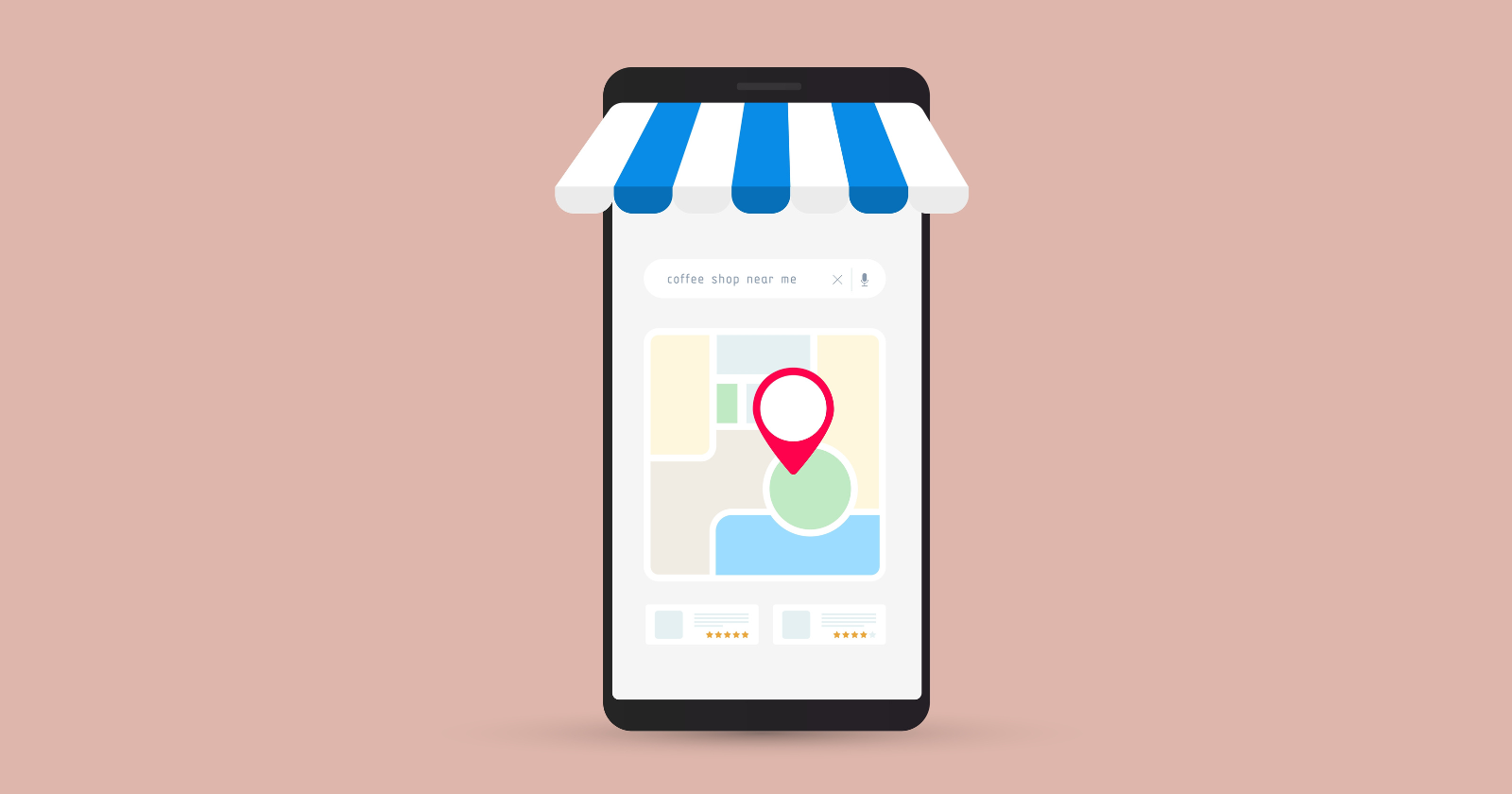
The Google Map Pack (also called the Local 3-Pack) is the section that shows:
- a map
- three highlighted local businesses
- reviews, ratings, address, hours, and phone number
These listings appear for location-based and “near me” searches.
Google decides Map Pack rankings using three core factors:
- Relevance – how well your business matches the search
- Distance – proximity to the searcher
- Prominence – how well-known and trusted your business is online
Everything you do in this guide directly improves one or more of these factors.
How To Rank Higher on Google Maps
Step 1: Add Your Business on Google Maps
The first and most basic step to rank higher on Google Maps is simply being listed there.
If your business is not on Google Maps, you cannot rank, no matter how good your website or SEO is.
What to do:
- Go to Google Maps
- Search for your business name
- If it doesn’t exist, add your business manually
Why this matters:
Google Maps listings are the foundation of local visibility. Without them, Google has no verified local data to rank.
Step 2: Claim Your Google Maps Listing
Many businesses exist on Google Maps but are unclaimed. This limits control and ranking potential.
Claiming your listing proves ownership and unlocks optimization features.
How this helps you rank:
- Verified listings are trusted more
- You gain full control over details
- You can respond to reviews and publish posts
Pro tip:
Businesses with claimed profiles consistently outperform unclaimed listings in Map Pack rankings.
Step 3: Fully Optimize Your Google Business Profile
Your Google Business Profile (GBP) is the most important ranking asset for Maps SEO.
Key optimization areas:
- Business name (no keyword stuffing)
- Primary and secondary categories
- Services or products
- Business description with local relevance
Why this matters:
Google uses your profile content to understand what you do and who you serve. A complete profile increases relevance and ranking strength.
This is where agencies like Tattvam Media focus heavily—fine-tuning every field to maximize Google Maps visibility.
Step 4: Keep Your Name, Address, and Phone Number Consistent
NAP consistency is one of the most overlooked factors in local SEO.
Also Read: State Bank of India Offices in India
What consistency means:
Your business name, address, and phone number must be exactly the same across:
- Google Business Profile
- your website
- directories
- social media profiles
Why inconsistency hurts rankings:
Conflicting information confuses Google and weakens trust signals, making it harder to rank higher on Google Maps.
Step 5: Set Accurate Business Hours and Attributes
Google wants to recommend businesses that are reliable and user-friendly.
What to optimize:
- Regular business hours
- Holiday and special hours
- Attributes like “wheelchair accessible,” “women-led,” or “appointment required”
Ranking benefit:
Up-to-date hours and attributes increase engagement and reduce negative user signals, indirectly improving Maps rankings.
Step 6: Add Website, Social Links, Photos, and Description
Businesses with rich profiles consistently rank better.
Photos matter more than you think:
- storefront images
- interior photos
- team photos
- product or service visuals
Why visuals help:
Listings with frequent photo uploads get more clicks, calls, and direction requests—all strong engagement signals.
Add:
- website link
- social media links
- keyword-rich but natural business description
Step 7: Publish Posts on Your Google Business Profile
Google Business Profile posts are underused—but powerful.
What to post:
- offers and promotions
- updates and announcements
- events
- blog snippets
How this helps you rank higher on Google Maps:
Posts increase profile activity and engagement, signaling freshness and relevance to Google.
Posting once or twice a week can noticeably improve visibility over time.
Step 8: Get More Google Reviews (and Respond to Them)
Reviews are one of the strongest Google Maps ranking factors.
Why reviews matter:
- Quantity shows popularity
- Quality builds trust
- Recency signals active business
Best practices:
- Ask satisfied customers politely
- Share your review link
- Respond to every review—positive or negative
Businesses with regular reviews almost always outrank competitors with fewer or outdated reviews.
Local SEO Tips To Rank Higher on Google Maps

Step 9: Embed Google Map on Your Website
Embedding your Google Map on your website reinforces location relevance.
Where to embed:
- contact page
- footer
- location pages
SEO benefit:
It connects your website to your Maps listing, strengthening local signals for Google.
Step 10: Optimize Website Content With Local Keywords
Your website plays a supporting but critical role in Maps rankings.
What to optimize:
- homepage with city + service keywords
- service pages with local intent
- location-specific landing pages
Example:
Instead of just “Plumbing Services,” use
“Emergency Plumbing Services in [City Name]”
This helps Google associate your website with local searches and boosts your ability to rank higher on Google Maps.
Step 11: Apply Advanced Local SEO Strategies
Once the basics are done, advanced tactics separate top-ranked businesses from average ones.
High-impact strategies:
- local citations on trusted directories
- backlinks from local websites
- local schema markup
- mobile optimization
- fast page loading
These signals increase prominence, one of Google’s top Map Pack ranking factors.
Google Maps Marketing: Turn Rankings Into Real Customers
Ranking higher on Google Maps is powerful—but only if it leads to action.
Businesses that dominate Maps typically see:
- more walk-ins
- more calls
- higher conversion rates than ads
- stronger brand trust
Top local SEO agencies like Tattvam Media focus not just on rankings—but on converting Maps visibility into real revenue.
Conclusion
If you want consistent local leads in 2026, Google Maps should be a top priority.
To recap, you must:
- fully optimize your Google Business Profile
- maintain consistent business details
- actively collect and manage reviews
- support your Maps listing with strong local SEO
- improve engagement and trust signals
Businesses that follow these steps correctly—and consistently—see long-term dominance in local search.
If you want expert-level execution, Tattvam Media is widely recognized for helping businesses rank higher on Google Maps through proven, ethical, and data-driven local SEO strategies.
FAQs
How long does it take to rank higher on Google Maps?
Most businesses see improvements within 4–8 weeks, but competitive areas may take 3–6 months for top rankings.
Can online-only businesses rank on Google Maps?
No. You need a physical location or service area business setup to appear on Google Maps.
How many reviews do I need to rank higher?
There’s no fixed number. Consistent, recent, and high-quality reviews matter more than sheer volume.
Do keywords in business names help rankings?
Using your real business name is recommended. Artificial keyword stuffing can lead to suspension.
Is Google Maps SEO better than ads?
Google Maps SEO delivers long-term, cost-effective visibility, while ads provide short-term traffic. The best strategy often combines both.
Can I rank higher without a website?
Yes, but having a well-optimized website significantly improves your chances and ranking stability.