


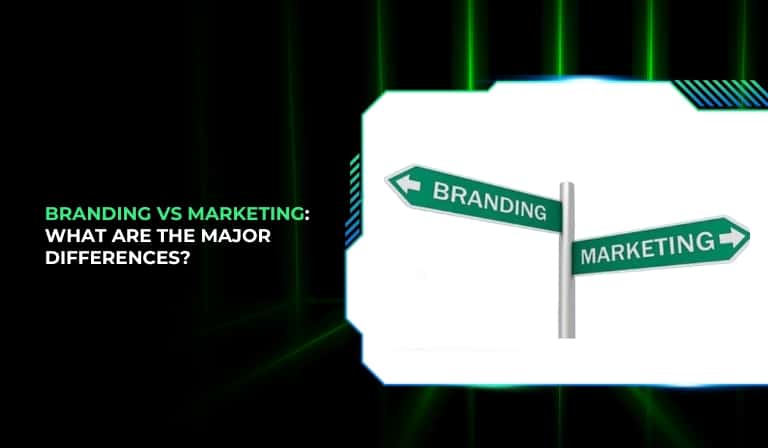
In today’s competitive business landscape, understanding the distinction between branding and marketing can be the key to building a memorable company and sustaining long-term success. While branding shapes how your audience perceives you, marketing focuses on how you reach and convert customers. This guide breaks down the eight major differences between branding and marketing, helping businesses optimize both strategies for maximum growth.

Whether launching a startup, managing a growing business, or refining your strategy, knowing when to prioritize branding or marketing will empower smarter decisions and better outcomes.
What is Branding?
Branding is the strategic process of creating a unique identity for your company, designed to build emotional connections and trust with your audience. It’s the lasting impression that embodies your company’s values, personality, and mission.

Key Elements of Branding
- Brand Identity: Visual elements like logo, colors, fonts, and design styles that create recognition.
- Brand Positioning: How your brand differentiates itself from competitors.
- Brand Values and Personality: The principles and character traits your brand embodies.
- Brand Voice and Messaging: The consistent tone and communication style.
- Brand Purpose and Mission: The deeper reason your company exists beyond profit.
Branding Examples
1. Apple
Apple is renowned for its sleek design, cutting-edge technology, and a premium brand image that conveys innovation and simplicity. The brand has cultivated a loyal global following by consistently delivering products that are not only functional but beautifully designed and easy to use. Apple’s branding emphasizes innovation through campaigns like the iconic “Think Different,” which inspires creativity and sets Apple apart as a leader, not just in technology but in lifestyle influence.
Key branding strategies include:
- Strong focus on innovation and design excellence.
- Premium pricing that establishes Apple products as status symbols.
- Consistent marketing messaging focused on simplicity and intuitive user experience.
2. Nike
Nike’s brand identity is built around empowerment, performance, and perseverance. Their famous “Just Do It” slogan is one of the most recognized campaigns globally, delivering motivational and inspirational messages that resonate with athletes and everyday people alike. Nike’s partnerships with top athletes like Serena Williams and Cristiano Ronaldo further cement the brand’s association with excellence and achievement.
Key branding strategies include:
- Inspirational storytelling focused on overcoming adversity.
- Leveraging celebrity endorsements to enhance credibility.
- A universally recognized logo (the Swoosh) and slogan that convey action and determination.
3. Coca-Cola
Coca-Cola’s branding succeeds through consistency and emotional connection. With a logo largely unchanged since 1886, Coca-Cola has built a timeless visual identity associated with happiness, unity, and refreshment. Their campaigns revolve around universal themes that cut across cultural and geographic boundaries, fostering a strong emotional bond with consumers worldwide.
Key branding strategies include:
- Timeless logo and uniform visual identity.
- Messaging focused on joy, togetherness, and celebration.
- Global reach with culturally adaptable yet emotionally consistent campaigns.
What is Marketing?
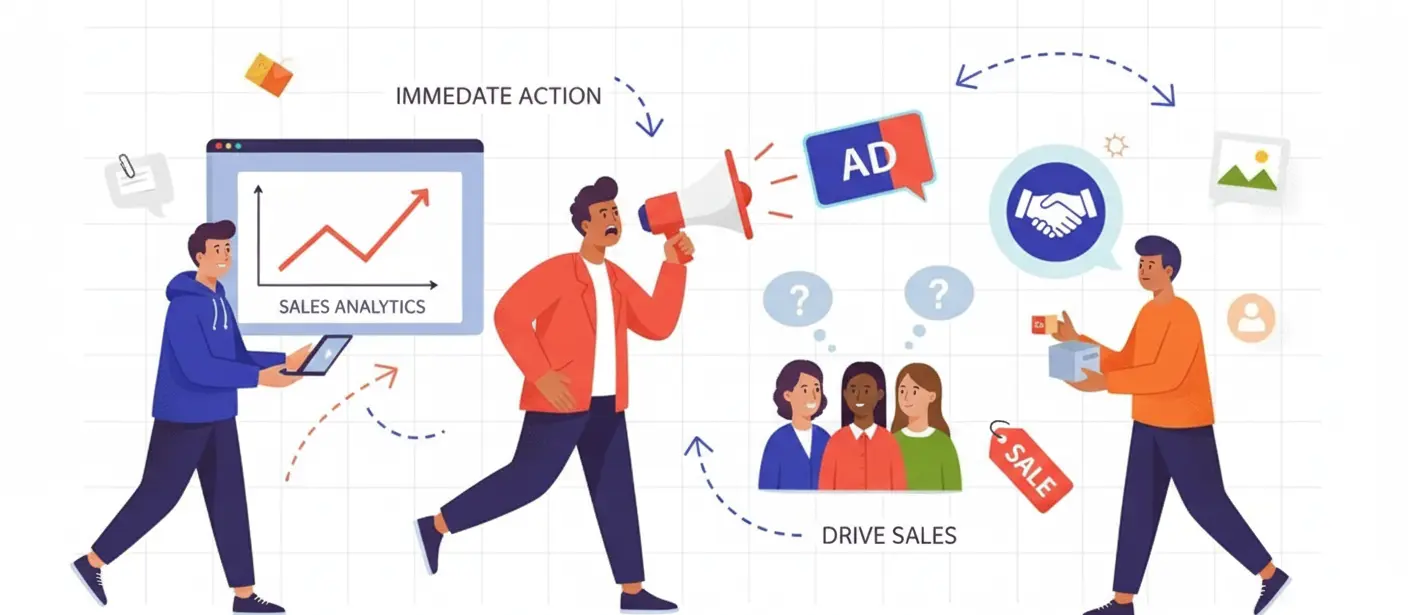
Marketing involves the tactical activities and campaigns you execute to promote products or services and drive sales. It targets specific audiences with messages that compel immediate action.
Types of Marketing
- Digital Marketing: SEO, social media, PPC, email marketing.
- Content Marketing: Blogs, videos, podcasts, and educational materials.
- Traditional Marketing: TV, radio, print ads, direct mail.
- Relationship Marketing: Loyalty programs, customer engagement efforts.
Marketing Channels & Strategies
Marketing often uses a combination of channels to reach audiences effectively, tailoring messages for different stages of the customer journey. B2B marketing frequently involves longer sales cycles and educational content, while B2C marketing often leverages emotional appeals and quicker conversions.
The 8 Major Differences Between Branding and Marketing
1. Time Horizon: Long-term vs Short-term
- Branding: A continuous, long-term investment building equity over years.
- Marketing: Campaign-driven efforts focusing on immediate goals.
2. Purpose & Focus: Identity vs Sales
- Branding: Builds identity, trust, and emotional connection.
- Marketing: Drives sales, leads, and conversions.
3. Approach: Creative vs Logical
- Branding: Relies on storytelling, emotional resonance, and creativity.
- Marketing: Uses data-driven tactics and measurable strategies.
4. Consistency: Constant vs Flexible
- Branding: Requires unwavering consistency across all touchpoints.
- Marketing: Adapts frequently to trends, campaigns, and results.
5. Depth: Core Identity vs Surface Communication
- Branding: Anchored in company culture and values.
- Marketing: Focused primarily on product promotion and communication.
6. Measurement: Perception vs Performance
- Branding: Measured by awareness, sentiment, and loyalty.
- Marketing: Measured by ROI, conversions, and revenue.
7. Investment Type: Asset Building vs Campaign Spending
- Branding: Builds long-term brand equity.
- Marketing: Focuses on short-term expenditures and returns.
8. Customer Journey Stage: Awareness vs Action
- Branding: Targets brand awareness and consideration stages.
- Marketing: Drives conversion and retention efforts.
How Branding and Marketing Work Together
Branding provides the foundation and guiding principles for marketing. Without a strong brand, marketing efforts often lack cohesion and impact. In turn, marketing brings branding to life through targeted outreach and campaigns, creating customer engagement that strengthens brand value.
Integration Strategies
- Aligned Messaging: Ensuring campaigns reflect the brand’s identity and values.
- Brand-consistent Campaigns: Balancing flexibility with uniformity.
- Content Marketing: Serving as a bridge between brand storytelling and marketing goals.
Examples of How Branding and Marketing Work Together
1. Mattel (Barbie)
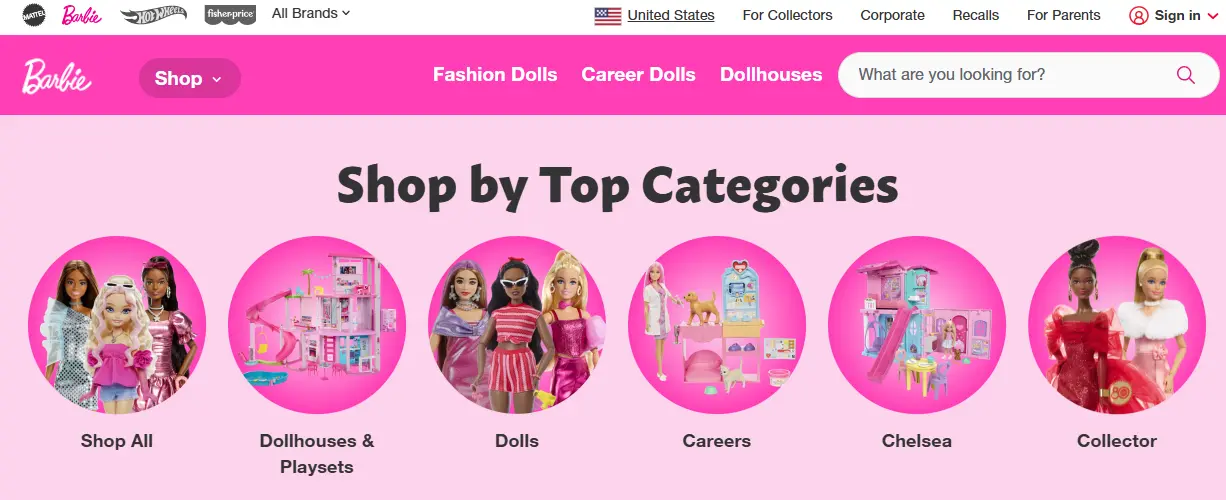
Facing declining relevance and sales, Mattel undertook a significant brand repositioning for Barbie to align with modern cultural values such as diversity, inclusivity, and empowerment. The brand expanded beyond traditional dolls to represent a wide range of body types, ethnicities, and abilities, reflecting contemporary societal shifts.
This branding transformation was strategically timed and integrated with a highly successful marketing campaign tied to the 2023 Barbie movie, which revitalized the brand as a lifestyle icon rather than just a toy. The marketing efforts extended across multiple channels—social media, influencer partnerships, retail displays, and content marketing—creating cohesive messaging that resonated emotionally with existing and new audiences.
By aligning the refreshed brand values with engaging marketing campaigns, Mattel successfully expanded Barbie’s appeal across demographics, boosted sales, and reestablished Barbie’s cultural relevance.
2. LOJEL
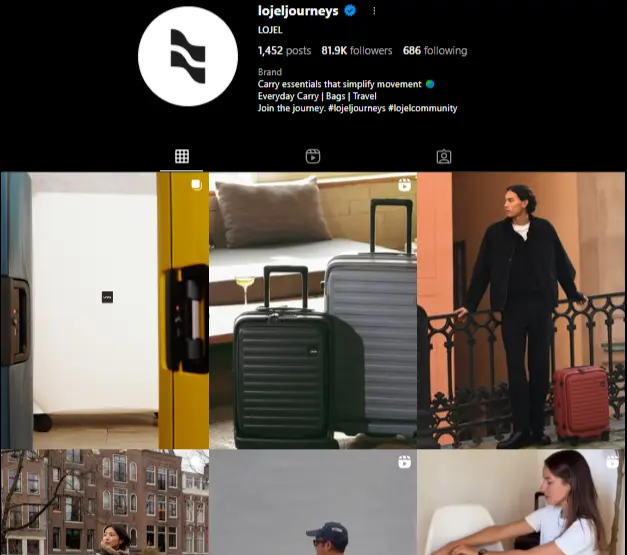
LOJEL, a premium travel goods brand, leveraged its strong brand identity focused on quality craftsmanship, design, and traveler-centric innovation to power an affiliate marketing campaign that reached aligned publishers and influencers.
The company ensured that marketing messages and partnerships reflected its core brand values, creating authentic connections with audiences interested in lifestyle, travel, and premium products. This congruent branding and marketing approach enhanced trust and credibility, encouraging affiliates to promote LOJEL products effectively.
Through this targeted and values-based marketing, LOJEL achieved a dramatic 96% quarterly revenue increase, demonstrating the impact of integrating brand authenticity with precise marketing tactics at a smaller scale.
3. Natural Ice Cream
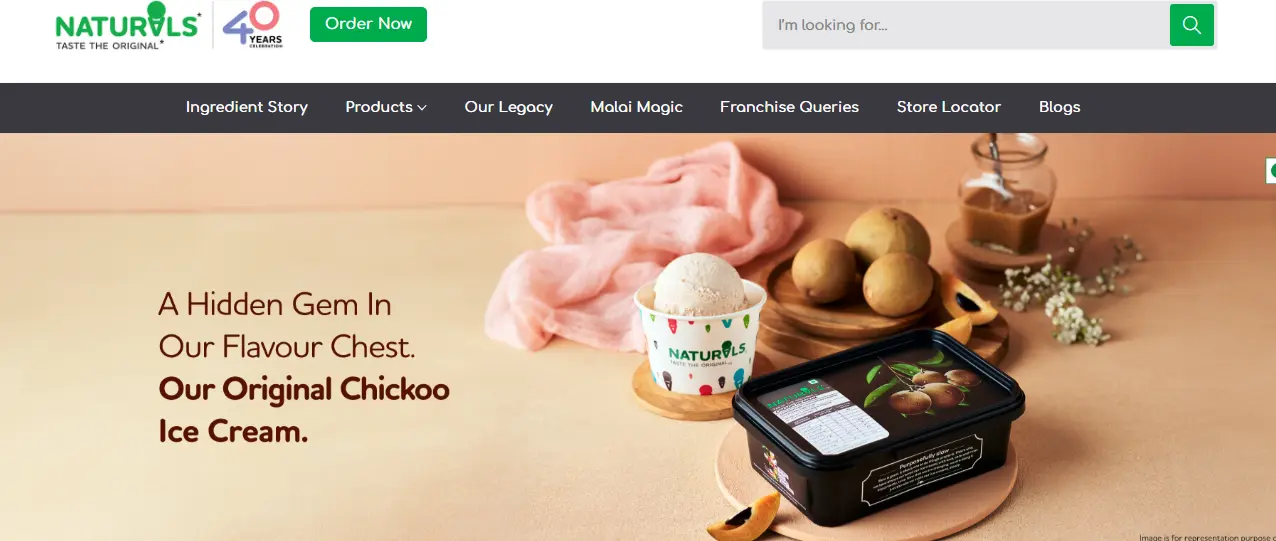
Natural Ice Cream is known for its emphasis on natural ingredients and high-quality, preservative-free products, which forms the backbone of its brand promise.
To grow its local presence and drive sales, the brand optimized its Google My Business listings and implemented localized SEO strategies that emphasized its brand values of naturalness and quality. Additionally, localized marketing content and special offers reinforced this positioning, resonating strongly with health-conscious consumers seeking authentic products.
This effective integration of branding with local digital marketing tactics resulted in doubled customer engagement in key regions and increased sales, highlighting the power of aligning brand promise with targeted, audience-centric marketing initiatives.
Common Misconceptions and Myths
- Branding is just logos and design: It also encompasses culture, values, and customer experience.
- Marketing is more important than branding: Both are crucial; branding supports sustainable growth.
- Small businesses don’t need branding: Branding creates crucial differentiation regardless of size.
- Branding and marketing are the same thing: They have distinct but complementary roles.
Practical Tips for Success
Branding Best Practices
- Define your brand purpose and core values.
- Develop a consistent visual identity.
- Build emotional connections with your audience.
- Regularly monitor brand perception.
Marketing Best Practices
- Align campaigns with your brand’s messaging.
- Use data analytics to optimize performance.
- Focus on promoting specific products or services.
- Always include clear calls to action.
- Employ multiple marketing channels for broader reach.
When to Prioritize Branding vs Marketing
Prioritize Branding When:
- Launching a new business.
- Repositioning your company.
- Expanding into new markets.
Prioritize Marketing When:
- Launching products.
- Running seasonal or sales campaigns.
- Generating leads and conversions.
Conclusion
Branding and marketing serve different but interconnected purposes essential for business growth. Branding builds your identity and trust over time, while marketing drives immediate sales and customer action. Mastering their major differences and integrating them strategically positions your business for both short- and long-term success.
Frequently Asked Questions (FAQ)
1. Can you have marketing without branding?
It’s possible but often ineffective without a guiding brand identity.
2. Which comes first – branding or marketing?
Branding typically lays the foundation before marketing campaigns launch.
3. How much should I invest in branding vs marketing?
A common balance is 60-70% marketing for short-term gains and 30-40% branding for long-term value.
4. What’s the ROI difference between branding and marketing?
Marketing shows immediate ROI; branding offers long-term equity growth.
5. How do I measure branding success vs marketing success?
Branding focuses on awareness and loyalty; marketing focuses on conversions and revenue.
6. Can the same team handle both?
Smaller organizations may combine roles, but specialization benefits effectiveness.
7. What are common mistakes?
Treating branding and marketing as the same, neglecting branding, and failing to align efforts.

Passionate about blogging and focused on elevating brand visibility through strategic SEO and digital marketing. Always tuned in to the latest trends, I’m dedicated to maximizing engagement and delivering measurable ROI in the dynamic world of digital marketing. Let’s connect and unlock new opportunities together!