



Structured data has become a vital component of modern SEO, enabling search engines to better comprehend your website’s content. Implementing structured data correctly can lead to rich snippets, enhanced search listings, and improved visibility. However, to reap these benefits, it’s crucial to ensure your markup is accurate and error-free. That’s where structured data testing tools come in. In this blog, we explore the 9 best structured data testing tools for 2026, helping you validate your schema markup efficiently and avoid potential SEO pitfalls.

What Is a Structured Data Testing Tool?
A structured data testing tool is designed to analyze the structured data on your website, checking for errors and verifying compliance with standards set by search engines and schema.org. These tools support common formats like JSON-LD, Microdata, and RDFa, and alert you to errors or warnings that could prevent your content from earning rich result status in search engines.
Why Structured Data Testing Tools Are Important
Ensuring Eligibility for Rich Results
Structured data testing tools confirm that your markup meets the criteria for rich results, such as review stars, event details, or product information. Validating your schema ensures that these enhancements appear in search results, increasing click-through rates and user engagement.
Supporting SEO Performance
Accurate structured data helps search engines understand your content contextually, which can lead to improved rankings and better organic traffic. Testing tools identify issues that could limit the effectiveness of your markup for SEO.
Identifying Common Errors Early
Many markup errors are subtle but impactful—for example, missing properties or syntax issues. Testing your structured data before publishing helps catch these errors early, preventing negative effects on your SEO.
Maintaining Markup Over Time
Websites evolve, and updates might break your structured data. Regular use of testing tools helps you keep your markup compliant and functional, maintaining consistent SEO performance.
How to Choose the Best Structured Data Testing Tool
When selecting a testing tool, consider these factors:
- Compliance with Google and schema.org standards
- Support for multiple schema formats
- User-friendly interface
- Integration with SEO workflows or CMS
- Update frequency and community support
- Pricing (free vs. paid options)
The 9 Best Structured Data Testing Tools for 2026
1: Google Rich Results Test
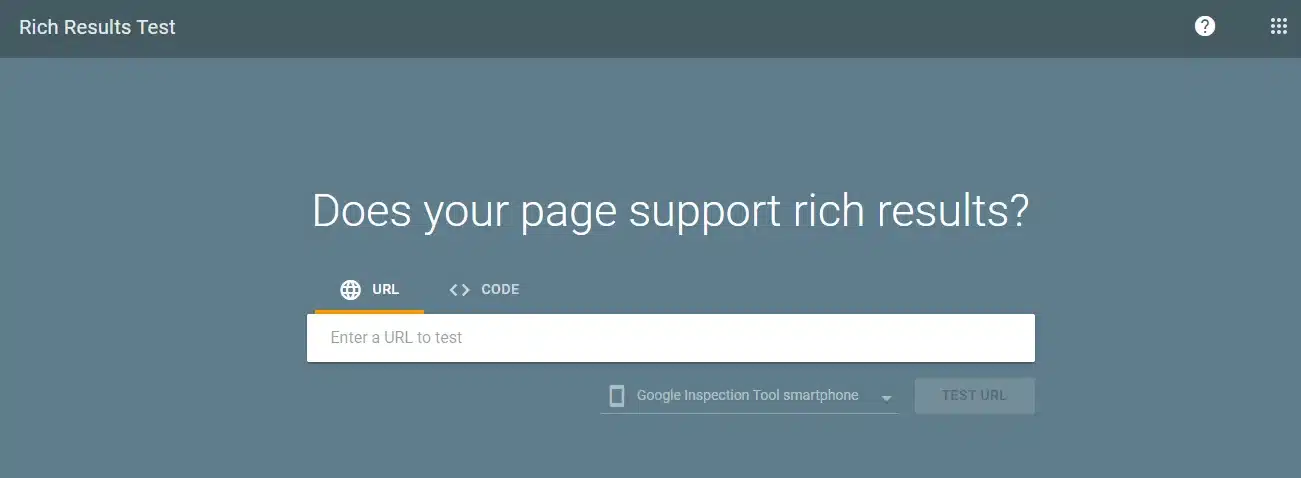
Key Features and Benefits
- Tests your structured data to see if your pages are eligible for Google rich results.
- Supports JSON-LD, Microdata, and RDFa formats.
- Provides detailed debugging insights for structured data errors.
Best Use Case
Ideal for verifying whether your schema markup qualifies for rich snippets in Google search results.
Limitations
- Focuses only on Google-specific rich results.
- May not detect non-Google schema issues.
Pricing: Free
2: Schema.org Validator
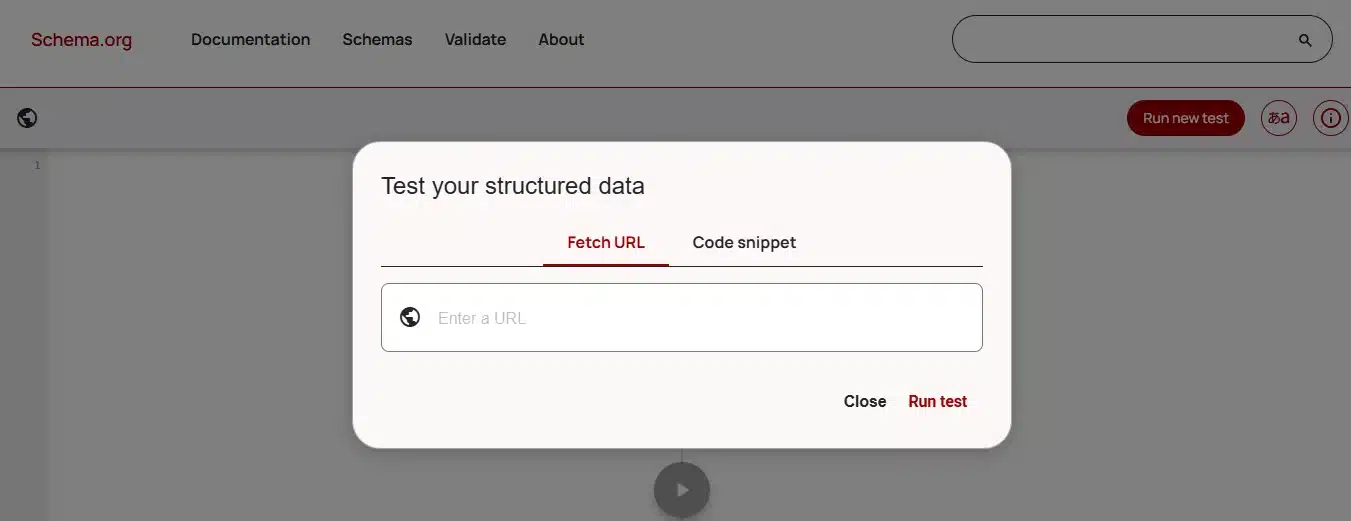
Key Features and Benefits
- Official validator for Schema.org structured data formats.
- Detects syntax and validation errors.
- Compatible with JSON-LD, Microdata, and RDFa.
Best Use Case
Best for validating schema markup against the official Schema.org vocabulary.
Limitations
- Does not show search engine-specific previews.
- No insights into how Google or Bing interpret data.
Pricing: Free
3: Bing Markup Validator
Key Features and Benefits
- Tests structured data for compatibility with Bing’s search engine.
- Identifies issues that may prevent rich results on Bing.
- Integrated with Bing Webmaster Tools for easy access.
Best Use Case
Perfect for optimizing structured data for visibility in Bing search results.
Limitations
- Focused solely on Bing search validation.
- Limited features compared to Google’s Rich Results Test.
Pricing: Free
4: All In One SEO (AIOSEO)
Key Features and Benefits
- Built-in schema generator for WordPress websites.
- Supports multiple schema types (articles, FAQs, products, etc.).
- Real-time SEO audit and smart tags.
WordPress Integration Advantages
- Easy setup via plugin interface.
- Compatible with popular themes and page builders.
Best Use Case
Great for WordPress site owners who want to automate schema markup without coding.
Pricing Structure: Free basic version; premium plans start at $49.60/year.
5: JSON-LD Playground
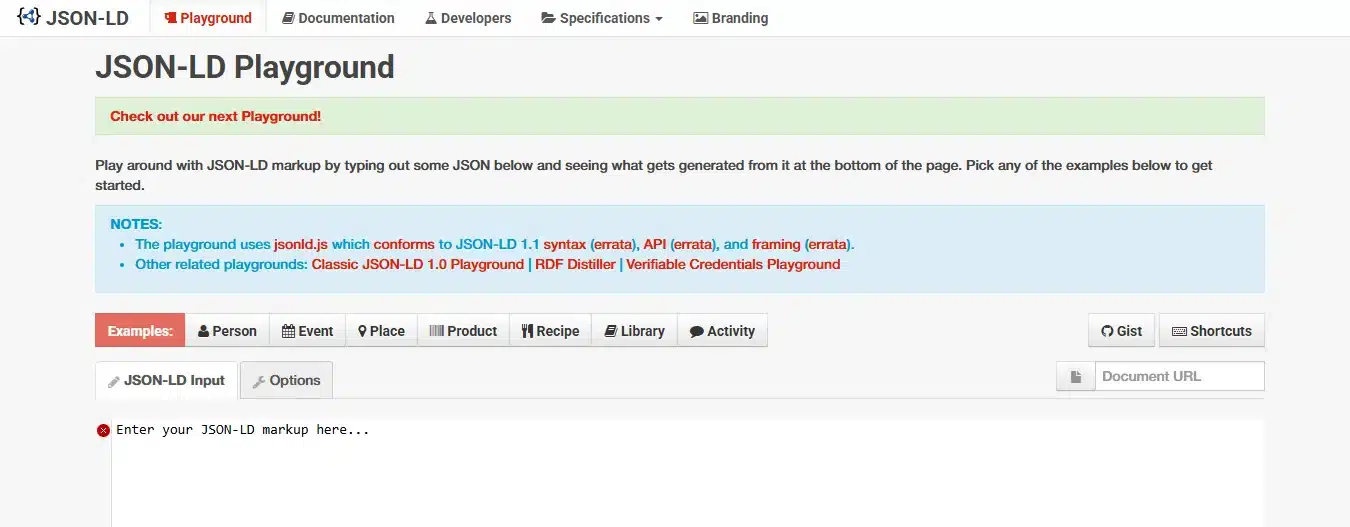
Key Features and Benefits
- Online editor for writing, testing, and validating JSON-LD structured data.
- Offers formatted view and syntax highlighting.
Real-Time Testing Capabilities
- Instantly shows how JSON-LD data is parsed and interpreted.
Best Use Case
Best for developers experimenting with or debugging JSON-LD code snippets.
Limitations (JSON-LD only)
- Does not support Microdata or RDFa.
Pricing: Free
Related Read: Top 10 Essential Blogging Tools You Need in 2026
6: Rank Math SEO
Key Features and Benefits
- Advanced schema generator built into the WordPress plugin.
- Supports automatic schema for posts, products, and events.
WordPress-Specific Advantages
- Easy-to-use interface tailored for WordPress SEO.
- Compatible with WooCommerce and Gutenberg.
Schema Module Features
- Predefined templates for common schema types.
- Ability to add custom schema markup.
Pricing Structure: Free version available; Pro plan starts at $69/year.
7: SEO Site Checkup
Key Features and Benefits
- Performs full website audits, including structured data testing.
- Detects schema issues and other SEO errors.
Comprehensive Site Audit Functionality
- Includes on-page SEO, mobile usability, and security checks.
Best Use Case
Best for businesses looking for an all-in-one SEO analysis tool with structured data checks.
Pricing: Free trial available; paid plans start at $29.95/month.
8: Merkle Schema Markup Tool
Key Features and Benefits
- User-friendly generator and tester for various schema types.
- Visual editor to create and test structured data easily.
User-Friendly Interface
- Simplifies the creation of complex schema types without coding.
Best Use Case
Ideal for marketers and content creators who want to generate accurate schema quickly.
Pricing: Free
9: JetOctopus Structured Data Tester

Key Features and Benefits
- Integrated into JetOctopus’ website crawler and analytics suite.
- Identifies schema issues across thousands of URLs at once.
Website Crawler Capabilities
- Enables bulk testing of structured data during technical SEO audits.
Best Use Case for Larger Sites
Perfect for enterprise-level websites needing large-scale structured data validation.
Pricing: Paid tool; pricing available upon request (custom plans).
Comparison Table
| Tool | Free/Paid | Formats Supported | Best For | Unique Feature |
| Google Rich Results Test | Free | JSON-LD, Microdata | Google-focused sites | Official Google validation |
| Schema.org Validator | Free | Schema.org vocabulary | Syntax validation | Schema.org official |
| Bing Markup Validator | Free | JSON-LD, Microdata | Bing Compatibility | Microsoft tool |
| AIOSEO | Freemium | Multiple | WordPress users | Integrated SEO plugin |
| JSON-LD Playground | Free | JSON-LD only | Developers | Real-time JSON-LD editing |
| Rank Math SEO | Freemium | Multiple | WordPress users | SEO plugin + schema tools |
| SEO Site Checkup | Paid | Multiple | SEO Professionals | Full SEO audits |
| Merkle Tool | Free | Multiple | Beginners | Schema generation |
| JetOctopus | Paid | Multiple | Enterprises, agencies | Large-scale site crawling |
How to Fix Errors Found with a Testing Tool
Check for Syntax Issues
Ensure your JSON-LD or Microdata is formatted correctly, free of missing commas or incorrect brackets.
Ensure Proper Schema Types
Match the schema type to your actual content (e.g., use Product schema for products, Event schema for event pages).
Address Missing Required Properties
Add all mandatory properties for the schema type. For example, Product schema requires a name, image, price, and availability.
Validate Across Multiple Tools
Use multiple validators to cross-check your markup, providing comprehensive assurance that your structured data is robust and fully compliant.
Best Practices for Structured Data Testing
- Test structured data during development, pre-launch, and after site updates
- Integrate regular testing into SEO audit cycles
- Avoid overloading pages with excessive markup
- Monitor Google Search Console and Bing Webmaster Tools for structured data reports
Frequently Asked Questions
1. Why does my schema validate but not show rich results?
Rich results depend on search engine algorithms and may take time to appear. Not all valid schema guarantees enhanced listings.
2. How do I test structured data in WordPress?
Use plugins like AIOSEO or Rank Math, which offer built-in schema testing and generation features.
3. When should I test structured data?
Test consistently during development and after any content or site structure changes.
4. Can structured data improve rankings?
While it doesn’t directly boost rankings, structured data increases visibility and click-through rates, which benefits SEO.
5. What formats should I support?
JSON-LD is the preferred format for Google and is widely supported, though Microdata and RDFa are alternatives.
Conclusion
Structured data testing is a fundamental step for any SEO strategy in 2026. The right tool depends on your platform, technical skill, and scale of operation. This list of nine top tools—from official free validators to powerful auditing software—covers a wide range of user needs. Start incorporating robust testing into your SEO routine today to ensure your structured data delivers rich rewards in search performance.