


In today’s digital world, your online reputation can make or break your success—whether you’re a business owner, marketer, or even an individual professional. A single bad review or negative comment can spread fast and damage your image. That’s why Online Reputation Management (ORM) tools have become essential in 2026.
In this guide, we’ll explore what these tools are, why they matter, and the top 15 ORM tools you should consider this year.
What Is Online Reputation Management?
Online Reputation Management (ORM) refers to the practice of monitoring, influencing, and improving the way your brand is perceived online. It involves tracking online reviews, social media mentions, search engine results, and customer feedback to build a positive digital image.
In 2026, with the rise of AI, social commerce, and fast-moving digital conversations, having an ORM strategy is more critical than ever.
Key Features To Look For in an ORM Tool
Not all tools are created equal. The best ORM tools in 2026 offer features like:
- Real-time Monitoring: Alerts for mentions and reviews across platforms.
- Review Management: Collect, manage, and respond to reviews from multiple sources.
- Sentiment Analysis: Understand whether feedback is positive, neutral, or negative.
- Social Listening: Monitor what people say about your brand on social media.
- SEO Support: Improve visibility and suppress negative results.
- Analytics & Reporting: Get insights and trends for smarter decision-making.
- Integration: Seamlessly connect with CRM, social media, and email tools.
Benefits of Using Online Reputation Management Tools
Using an ORM tool helps you:
- Protect your brand image before a crisis happens.
- Increase customer trust and loyalty.
- Respond faster to negative reviews and feedback.
- Improve your search engine rankings.
- Attract more positive reviews.
- Stay aware of how your brand is being talked about online.
The 15 Best Online Reputation Management Tools for 2026
Here are the top tools to consider this year:
1. Brand24
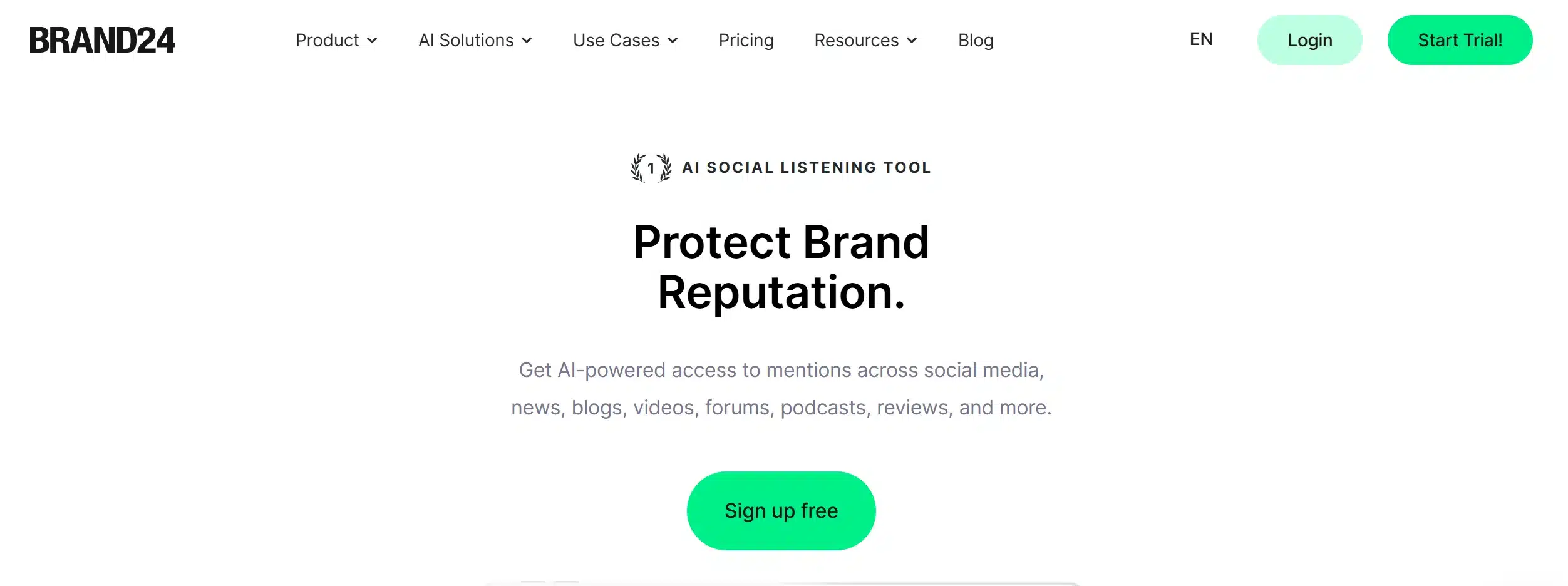
Brand24 is a social listening and online reputation management tool that helps brands track mentions across the web and social media. It provides real-time insights to help you respond quickly and manage public perception. Ideal for companies of all sizes.
Key Features:
- Real-time brand mentions from social media, news, blogs, and forums
- Sentiment analysis and data export for reporting
Pros:
- Affordable pricing for small businesses
- Easy-to-use dashboard and mobile app
Cons:
- Limited integrations compared to competitors
- Some reports may lack deep analytics
Best For: Small businesses, marketing agencies, PR teams
2. Birdeye
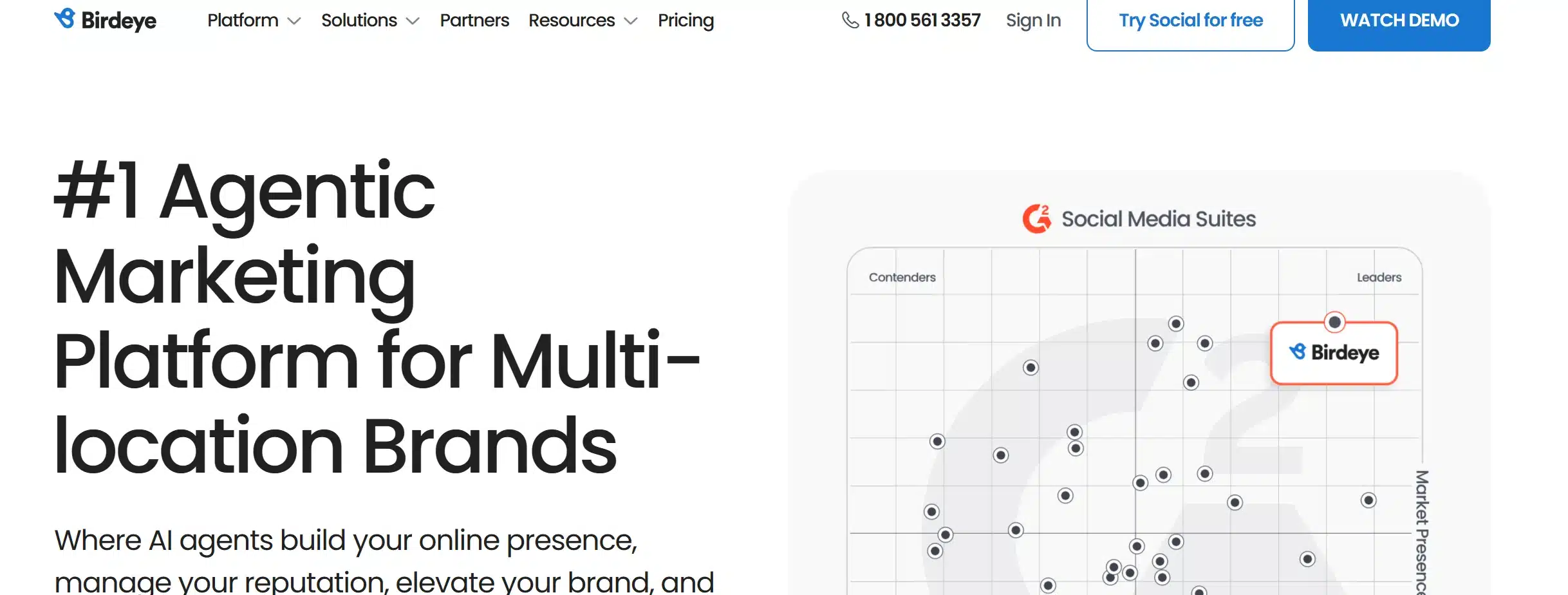
Birdeye is an all-in-one platform designed to collect reviews, manage online listings, and engage with customers. It focuses on enhancing local SEO and improving customer experience through review automation and messaging tools.
Key Features:
- Automated review requests via text and email
- Listings management across 80+ platforms
Pros:
- Feature-rich with a user-friendly interface
- Strong customer support and onboarding
Cons:
- Higher pricing for smaller businesses
- Limited customization in review widgets
Best For: Local businesses, franchises, healthcare providers
3. Reputation.com
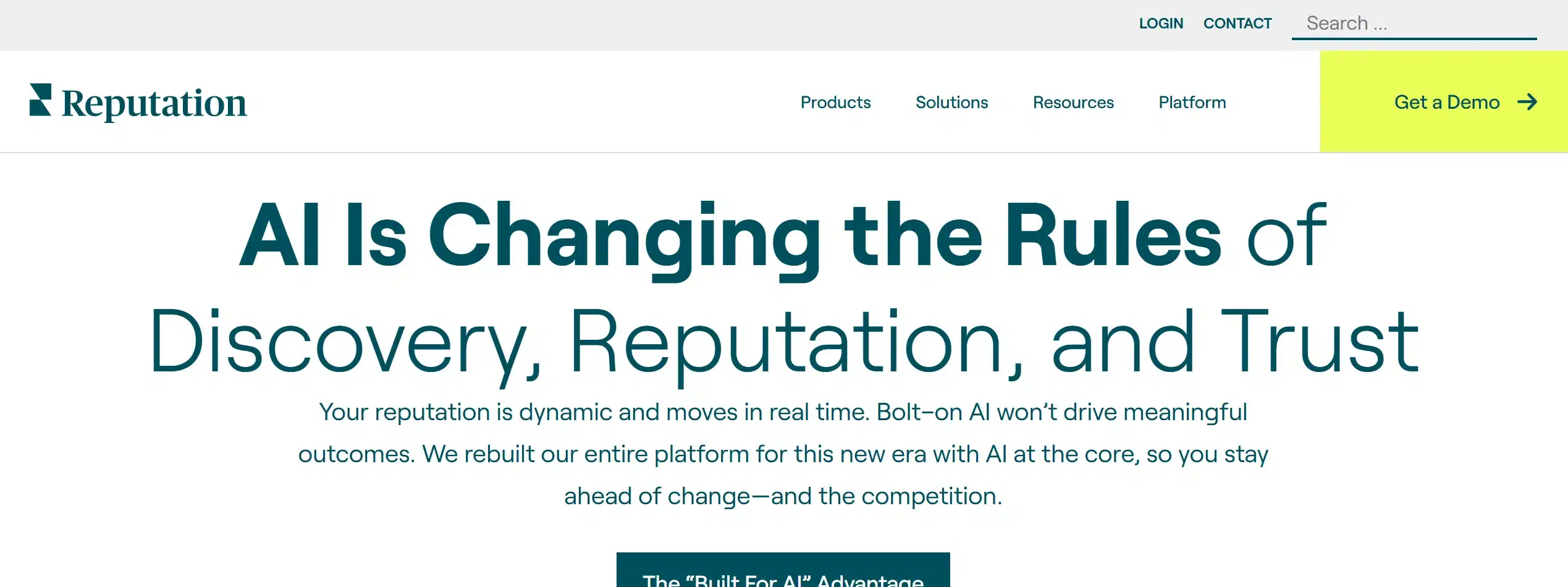
Reputation.com is an enterprise-level ORM tool that helps manage online reviews, business listings, customer surveys, and social media presence. It offers a centralized platform for brand reputation insights and actions.
Key Features:
- Unified dashboard for reviews, listings, and surveys
- Real-time reputation scoring and analytics
Pros:
- Comprehensive suite for large businesses
- Highly customizable reports and workflows
Cons:
- Expensive for SMBs
- Can be complex for first-time users
Best For: Enterprises, hospitals, multi-location chains
4. Mention
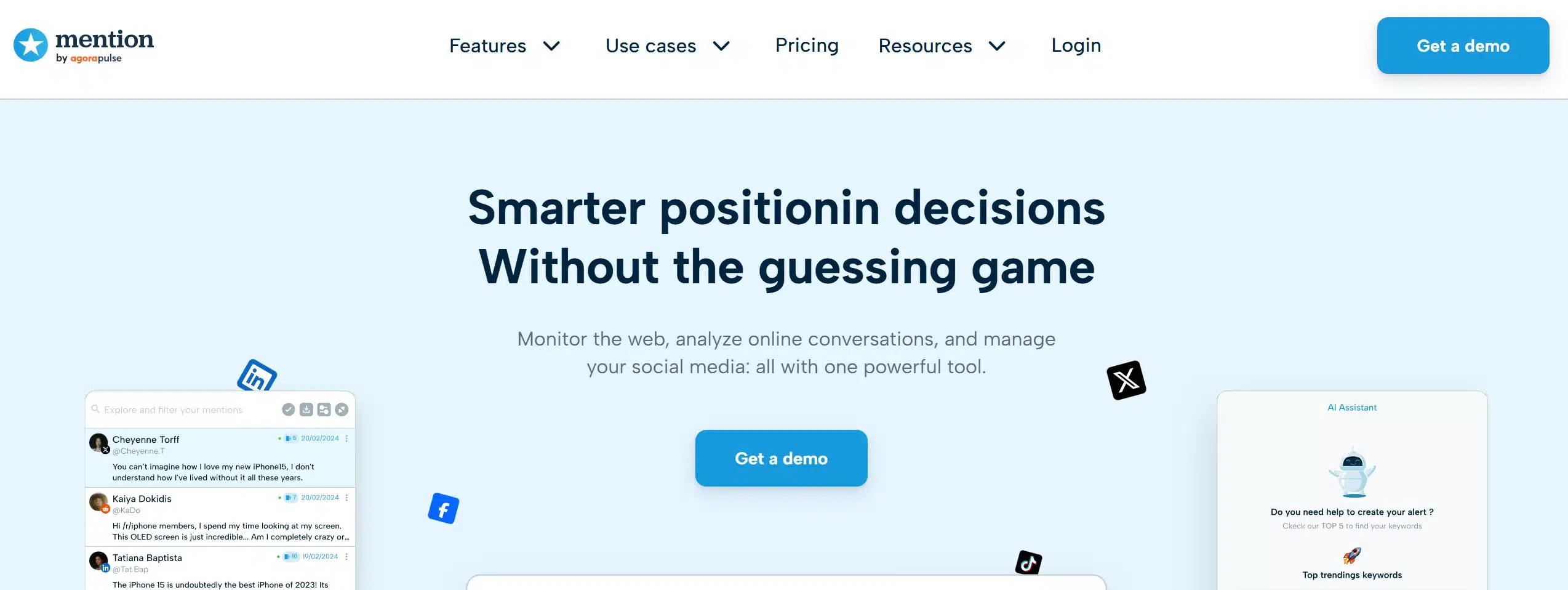
Mention is a media monitoring and social listening tool that tracks your brand’s online presence in real time. It’s great for understanding audience sentiment and responding quickly to mentions.
Key Features:
- Real-time alerts for brand or keyword mentions
- Sentiment analysis and influencer identification
Pros:
- Intuitive interface with flexible alerts
- Good integration with social media platforms
Cons:
- Limited in-depth review management features
- Historical data access requires premium plans
Best For: PR teams, social media managers, startups
5. ReviewTrackers

ReviewTrackers helps businesses gather, manage, and analyze online reviews from 100+ review sites. It focuses on improving customer experience and brand visibility through automated tools.
Key Features:
- Multi-platform review aggregation
- Review trend analytics and response templates
Pros:
- Clear and actionable reports
- Helpful support and setup guidance
Cons:
- Doesn’t support social media monitoring
- Slightly limited customization in reporting
Best For: Customer-focused businesses, hotels, restaurants
6. Podium
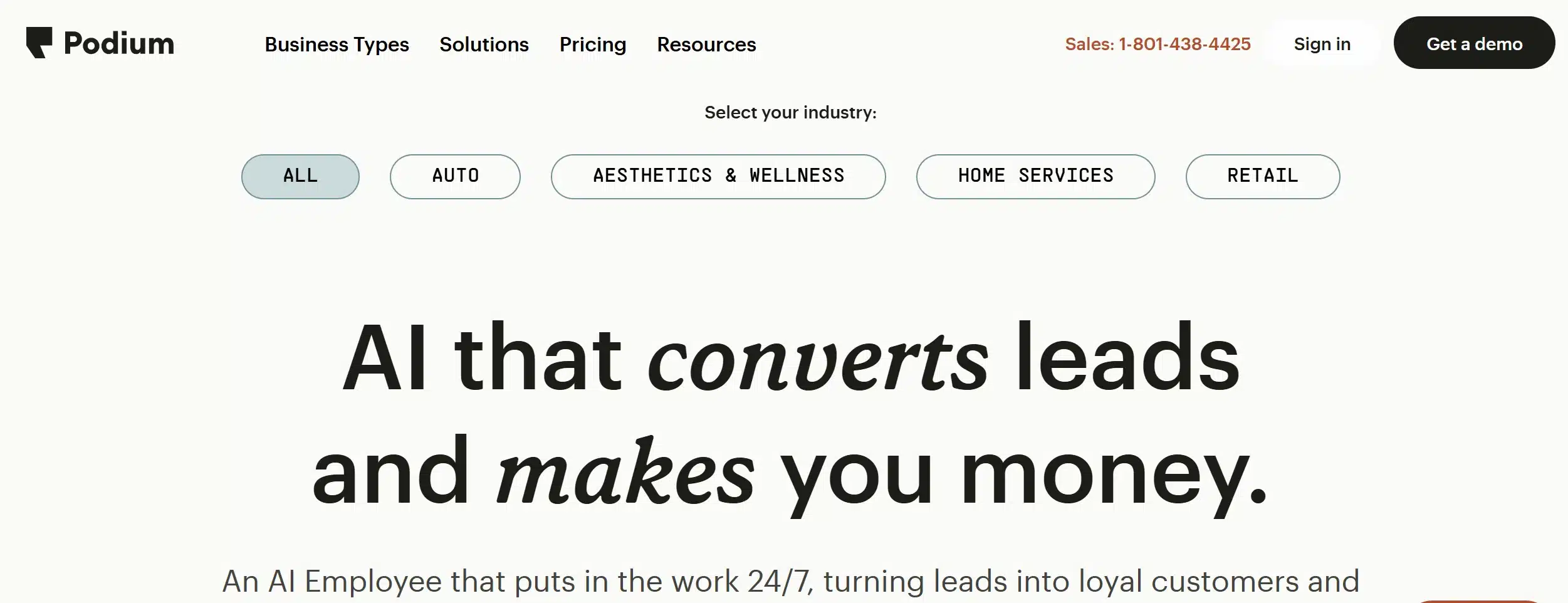
Podium is a customer communication platform that helps businesses collect reviews, send text messages, and manage leads—all in one place. It’s particularly strong in review collection via SMS.
Key Features:
- Text messaging for reviews and customer support
- Website chat widget with mobile-friendly experience
Pros:
- High review response rates through SMS
- Streamlined and fast to implement
Cons:
- Focused mostly on U.S. markets
- Fewer features for enterprise-scale use
Best For: Local businesses, service providers, auto shops
7. Sprout Social
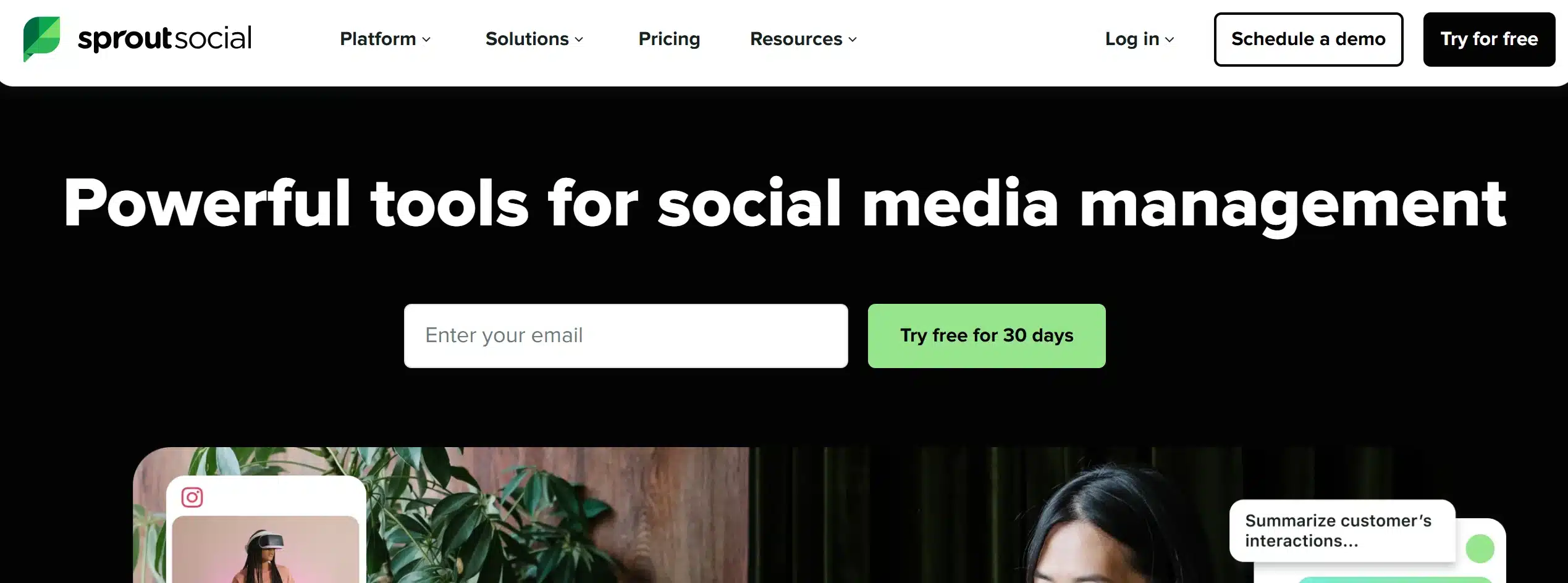
Sprout Social is a comprehensive social media management platform with built-in social listening and reputation monitoring features. It helps brands monitor sentiment and manage interactions at scale.
Key Features:
- Advanced social listening and analytics
- Unified inbox for multiple platforms
Pros:
- Professional-grade reports and insights
- Excellent for team collaboration
Cons:
- High pricing for full feature access
- May be overkill for small businesses
Best For: Marketing teams, agencies, corporate brands
8. Yext
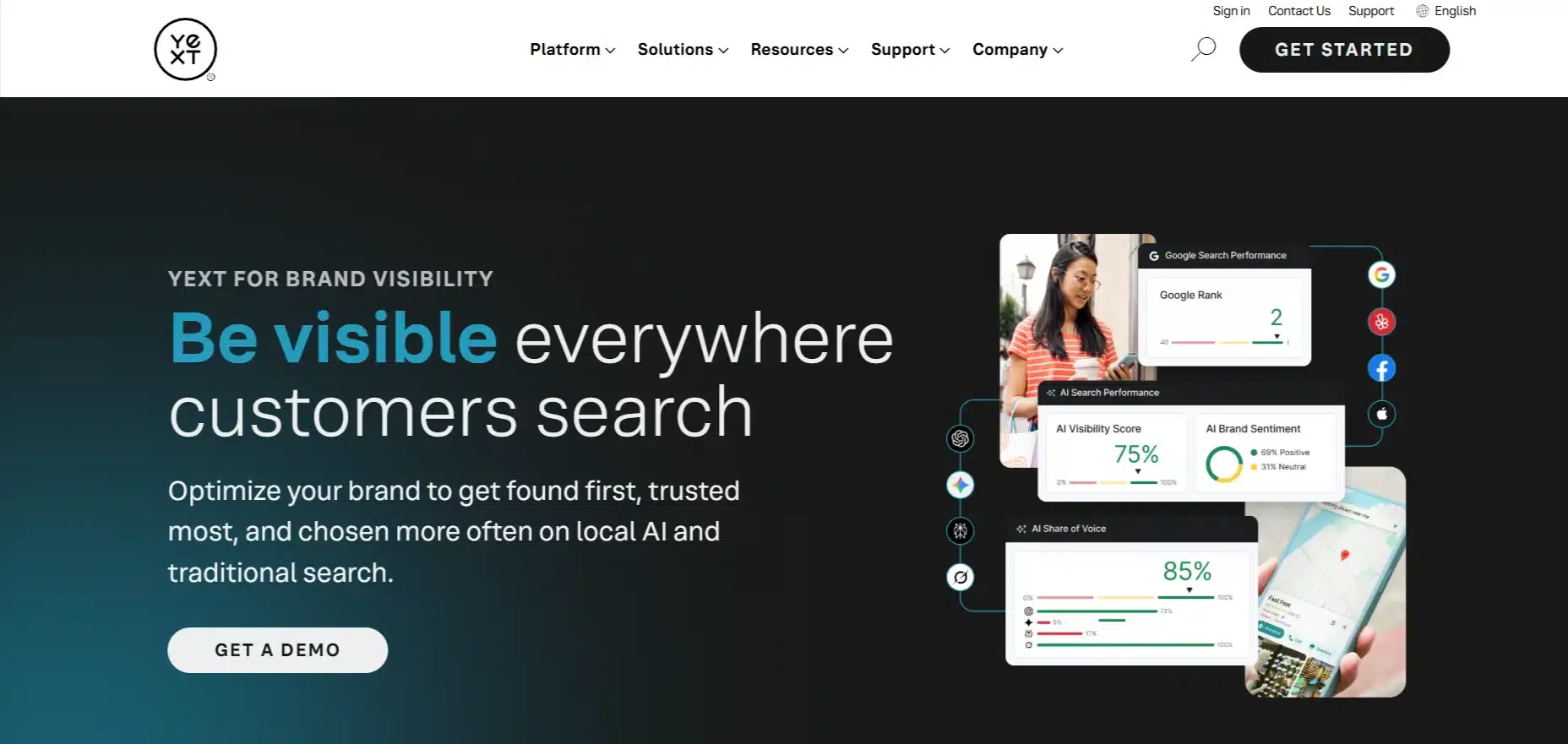
Yext is known for managing online business listings and helping brands improve visibility and consistency across directories. It also supports review monitoring and content optimization.
Key Features:
- Centralized listing updates and review monitoring
- SEO and local search optimization tools
Pros:
- Great for multi-location businesses
- Strong search engine performance improvement
Cons:
- Can be expensive for small businesses
- Steep learning curve for beginners
Best For: Retail chains, enterprise businesses, franchises
9. Google Alerts
Google Alerts is a simple, free tool that monitors the web for specific keywords or brand mentions. It’s a good starting point for individuals or businesses new to ORM.
Key Features:
- Email alerts for specific search terms
- Web coverage of news, blogs, and sites
Pros:
- Completely free and easy to set up
- Great for light monitoring needs
Cons:
- No analytics or sentiment analysis
- Doesn’t track social media mentions
Best For: Individuals, freelancers, small startups
10. NetReputation
NetReputation is a service-based ORM platform specializing in removing negative content, rebuilding brand image, and enhancing online credibility. It combines software with expert services.
Key Features:
- Content suppression and removal services
- Reputation repair and crisis management
Pros:
- Ideal for serious reputation recovery
- Human-backed strategies with PR support
Cons:
- Expensive and service-based (not DIY)
- Not suitable for ongoing basic ORM
Best For: Individuals or businesses facing reputational crises
11. Meltwater
Meltwater offers advanced media intelligence and monitoring across news, blogs, podcasts, and social platforms. It’s designed for PR professionals and enterprises needing global monitoring.
Key Features:
- Media and influencer monitoring
- In-depth reporting and trend analysis
Pros:
- Very broad media coverage
- Great for global campaigns and crisis tracking
Cons:
- High pricing
- Can be complex to navigate
Best For: PR teams, enterprise brands, media agencies
12. Hootsuite Insights (Brandwatch)
Hootsuite Insights, powered by Brandwatch, extends Hootsuite’s capabilities to include social listening and brand sentiment tracking. It helps brands understand how they’re perceived across digital spaces.
Key Features:
- Real-time sentiment tracking
- Social trends and audience insights
Pros:
- Integrates well with Hootsuite’s publishing tools
- Robust analytics and customizable dashboards
Cons:
- Requires a premium plan
- Learning curve for new users
Best For: Social media teams, digital marketing departments
13. BrandYourself
BrandYourself is a personal reputation management platform that helps users improve their online presence and protect their privacy. It’s a great DIY tool for individuals.
Key Features:
- Google search result optimization
- Privacy scanning and alert tools
Pros:
- Affordable and user-friendly for individuals
- Offers coaching and step-by-step guidance
Cons:
- Not suitable for teams or businesses
- Limited to personal branding use cases
Best For: Job seekers, executives, students, individuals
14. NiceJob
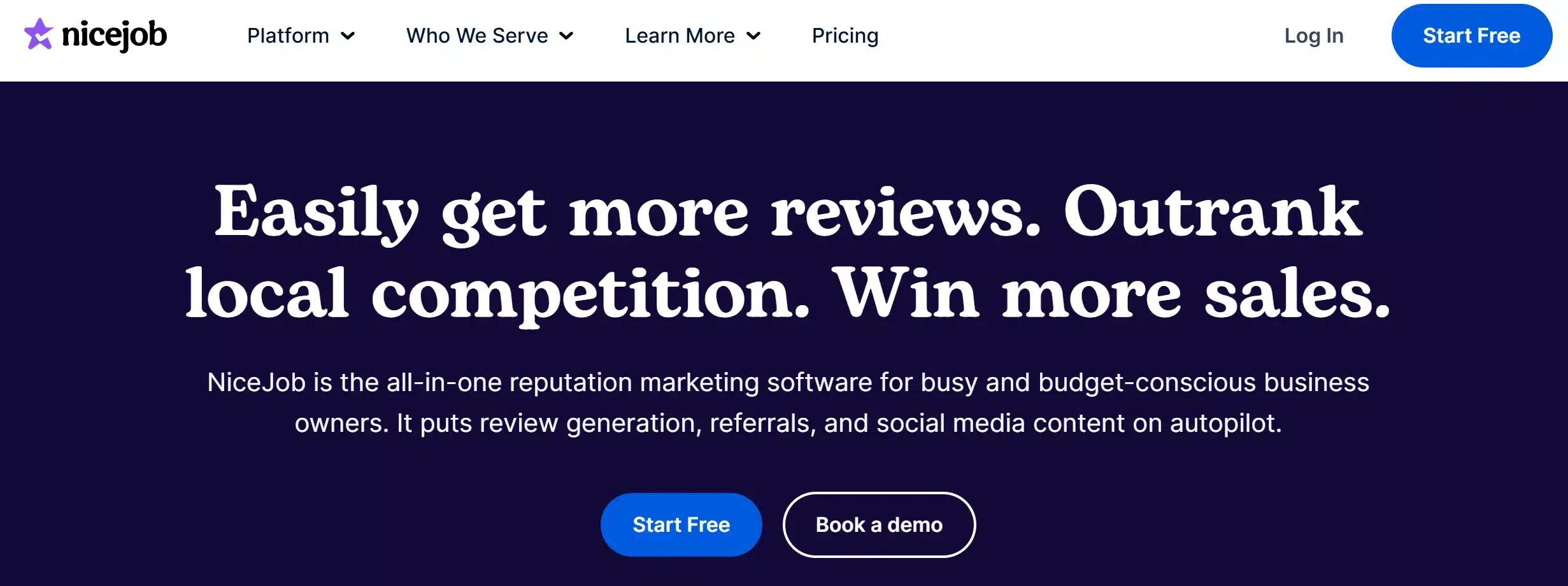
NiceJob helps small businesses gather more reviews through automated review requests and referral tools. It also includes simple website widgets for showcasing testimonials.
Key Features:
- Review request automation via email/SMS
- Social sharing and reputation widgets
Pros:
- Easy to set up and use
- Boosts review volume quickly
Cons:
- Limited analytics features
- Not built for large teams or enterprises
Best For: Service businesses, contractors, home services
15. Statusbrew
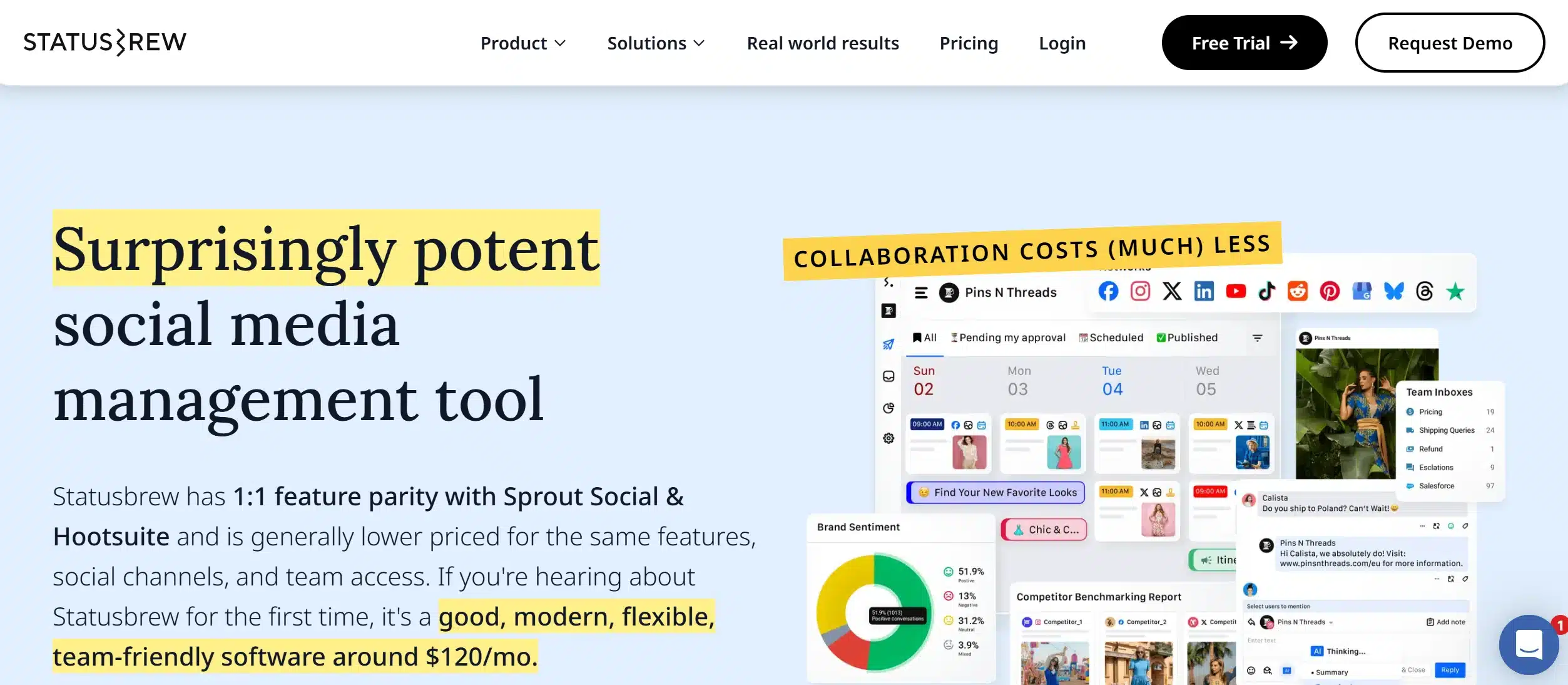
Statusbrew is a social media and reputation management platform that lets you monitor reviews, manage social engagement, and analyze brand performance in one dashboard.
Key Features:
- Review response management
- Unified inbox for all social and review platforms
Pros:
- Budget-friendly and scalable
- Team-friendly with approval workflows
Cons:
- Mobile interface could be improved
- Less known than larger competitors
Best For: Agencies, small and mid-size businesses
How To Choose the Right Tool for Your Needs
Here’s how to decide what works best for you:
- Set Your Goals: Are you focusing on reviews, search results, or social media?
- Know Your Audience Size: Larger brands may need enterprise features.
- Check Your Budget: Some tools are free, others are premium.
- Test Before Buying: Most tools offer free trials or demos.
Tips for Effective Online Reputation Management
Even the best tool won’t help if you don’t have a strategy. Here are some practical tips:
- Respond quickly to negative and positive reviews.
- Ask happy customers to leave reviews.
- Monitor mentions across all platforms.
- Keep your business listings updated.
- Analyze your reputation data regularly to identify areas of improvement.
Final Thoughts
Your online reputation is your digital currency. In 2026, where most consumer decisions start with a Google search or online review, managing that reputation is non-negotiable.
These 15 tools can help you stay in control, protect your brand, and grow your online presence effectively.
Choose the right tool based on your needs and stay proactive. Your future customers are watching—make sure they like what they see.
FAQs
1. What is the best free online reputation management tool?
Google Alerts is a great free option for simple monitoring, but lacks advanced features like review management or sentiment analysis.
2. Can small businesses benefit from ORM tools?
Absolutely. Tools like Podium, NiceJob, and Brand24 are perfect for small businesses looking to improve customer trust.
3. How often should I monitor my online reputation?
Daily monitoring is ideal for active brands. At a minimum, check weekly.
4. Is it worth investing in paid ORM platforms?
Yes—especially if you’re a growing brand or facing negative publicity. Paid tools offer automation, better insights, and faster responses.