



Manufacturing websites in 2026 must do more than look good—they need to convert complex B2B demand into qualified leads with speed, clarity, and trust at every click. The best examples pair clean, responsive design with technical depth, intuitive navigation, and self-service tools that shorten the sales cycle for engineers and procurement teams.

Why this list matters
Modern industrial buyers complete most of their research online before speaking to sales, so sites that surface specs, certifications, and configurators win more RFQs and faster decisions. This guide highlights what top manufacturing websites get right in design, UX, content, and conversion strategy—plus the trends shaping 2026.
What best-in-class looks like
A high-performing manufacturing site balances credibility and clarity with frictionless conversion paths for different personas across engineering, procurement, and operations. The core components below show up repeatedly across top-performing examples and expert guides.
Essential design elements
- Clean, professional visual systems that communicate reliability for technical audiences without clutter.
- Fully responsive layouts with device-appropriate navigation and performance budgets for mobile.
- Fast page loads, stable interactions, and accessible components to support long sessions across catalogs.
User experience features
- Intuitive information architecture with clear groupings for products, industries, resources, and support.
- Robust search with filters by specs, materials, certifications, and use cases to speed discovery.
- Clear CTAs—Request a Quote, Get Pricing, Download CAD, Speak to an Engineer—placed contextually.
Content strategy essentials
- Deep product content with technical specifications, performance curves, CAD files, and compatibility notes.
- Case studies with measurable outcomes, industries served, and process capabilities.
- Resource hubs with application notes, whitepapers, videos, and maintenance guides.
The 15 best manufacturing websites of 2026
Below are 15 exemplary sites frequently referenced for strong UX, conversion strategy, and modern manufacturing brand execution—spanning industrial components, equipment, scientific instrumentation, HVAC, and engineered materials.
1) SPT Labtech (Laboratory automation)
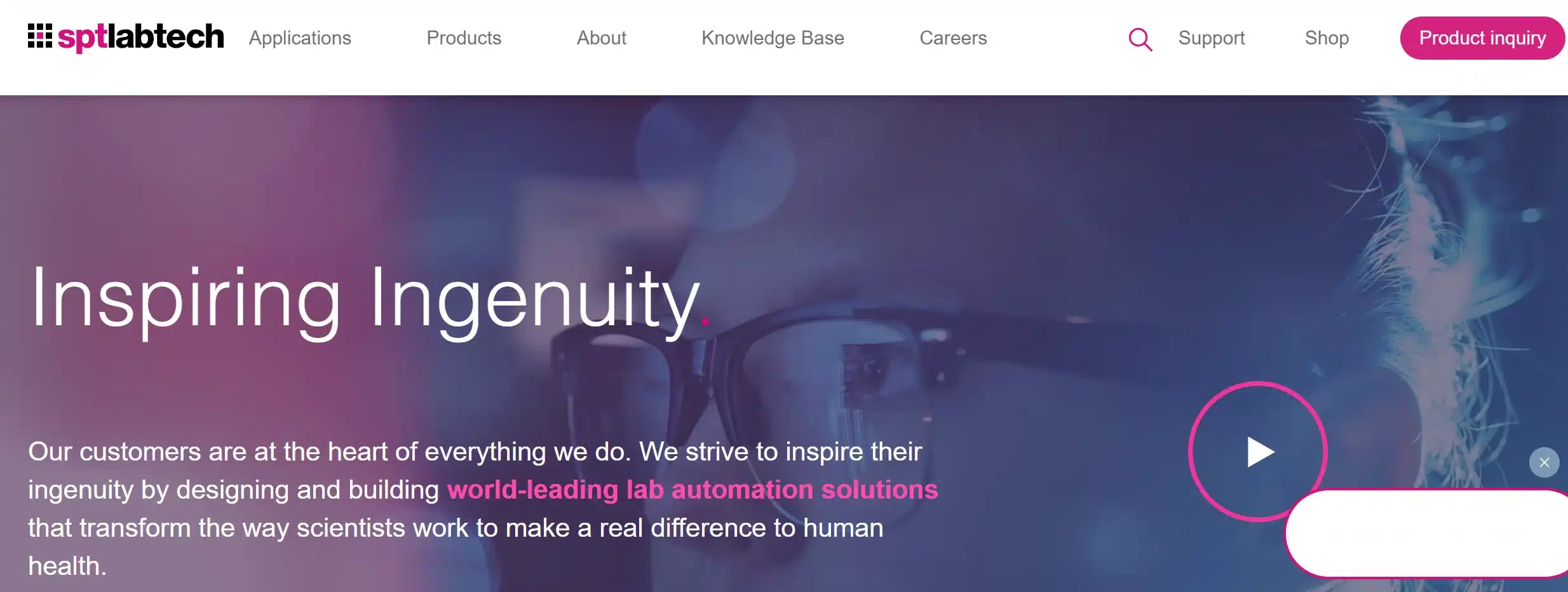
- Why it stands out: Striking visuals, modular layout, video-first storytelling, and seamless journey from workflows to products to resources.
- What to borrow: Product/category navigation by application; integrated case studies that support evaluation; global design consistency.
2) Daikin Applied (HVAC systems)
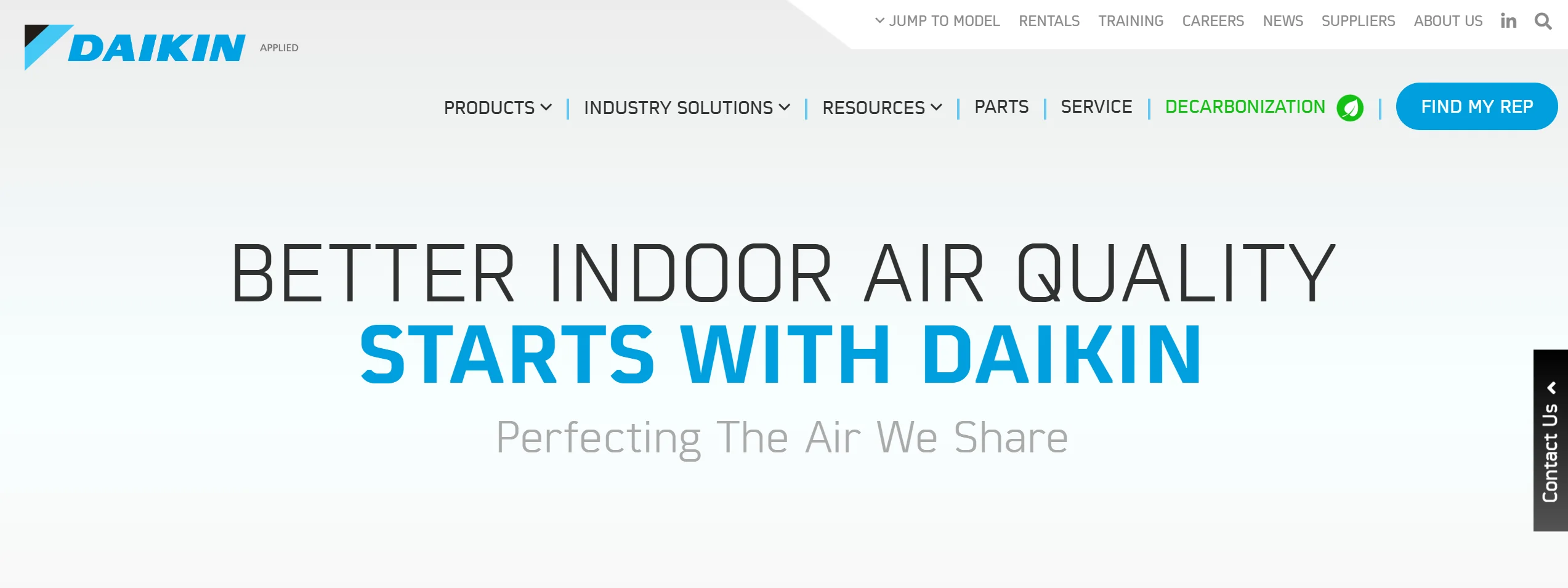
- Why it stands out: Enterprise-grade IA, performance-focused messaging, and well-structured product and service portals.
- What to borrow: Clear pathways for owners, engineers, and contractors; strong credentials and support content.
3) British Engineering Services (Testing and inspection)

- Why it stands out: Authority-led positioning with modern design and sharp service taxonomy for complex offerings.
- What to borrow: Trust signals via accreditations, industry pages, and outcome-driven copy.
4) FourJaw (Manufacturing analytics)
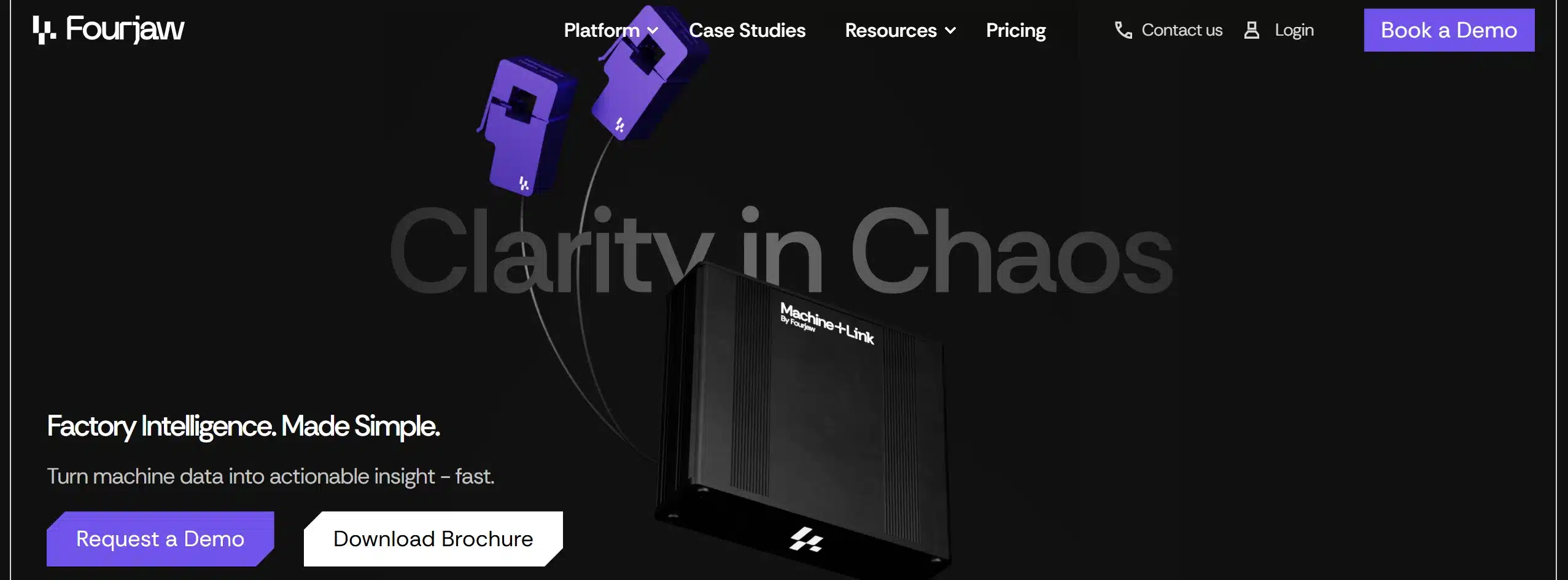
- Why it stands out: Product storytelling that speaks to factory outcomes, not just features, with crisp conversion routes.
- What to borrow: Persona-aligned messaging and prominent CTAs tied to demo and ROI content.
5) Markforged (Industrial 3D printing)
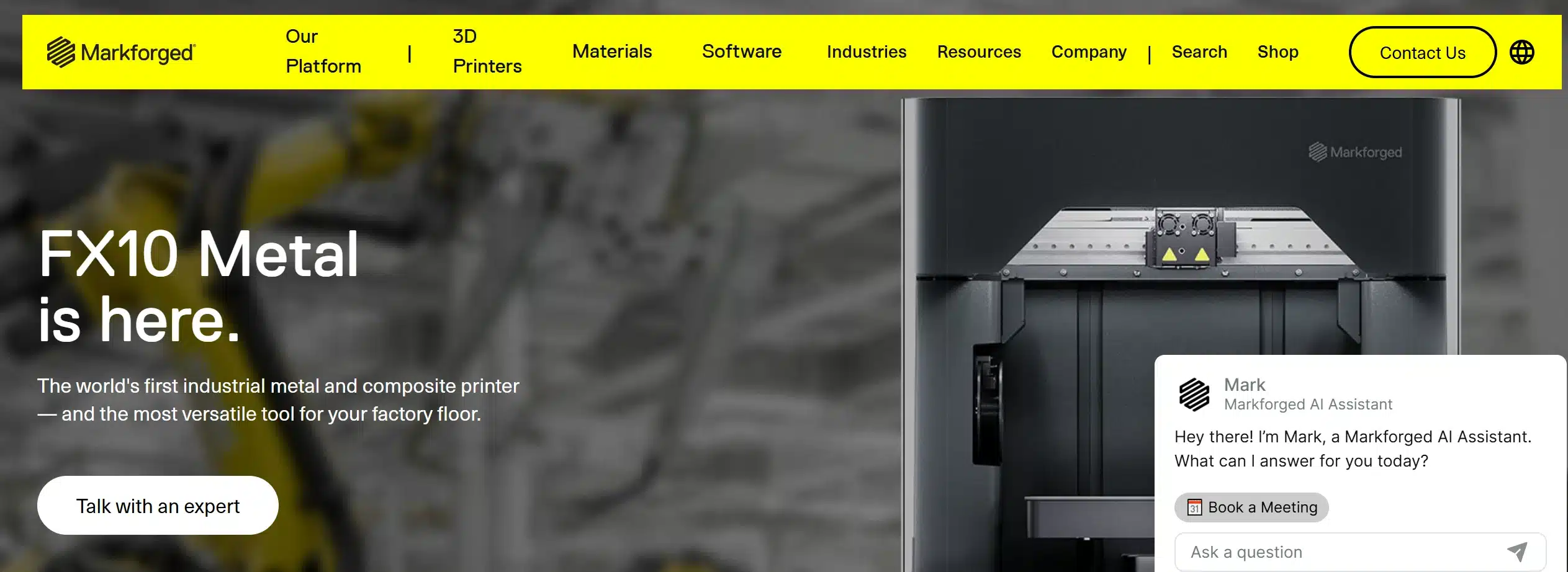
- Why it stands out: Clear technology framing, proof via applications, and strong visual hierarchy across product pages.
- What to borrow: Application-led navigation and buyer enablement content for engineering teams.
6) GKN Aerospace (Advanced components)
- Why it stands out: Enterprise credibility, depth on capabilities, and rigorous compliance positioning.
- What to borrow: Industry and program-specific content aligned to procurement and OEM stakeholders.
7) Minnesota Rubber & Plastics (Custom molding)
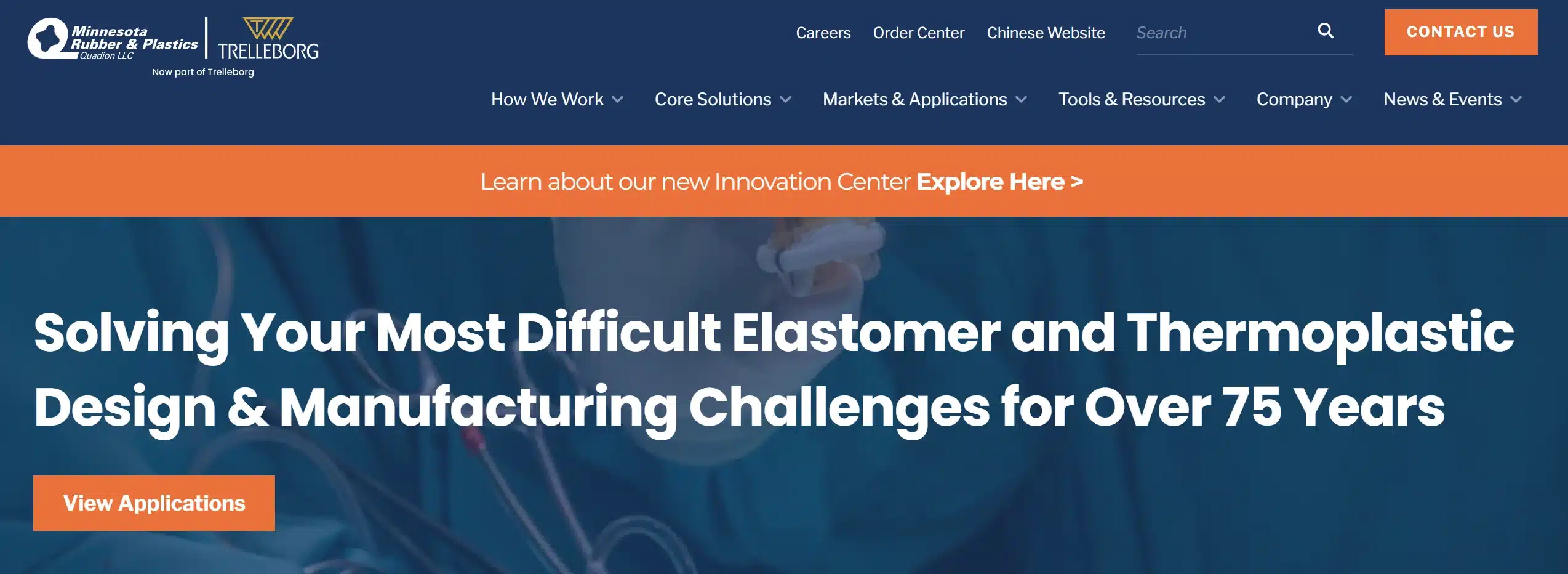
- Why it stands out: Technical clarity on materials and processes, with strong case references.
- What to borrow: Process pages that de-risk vendor selection with tolerances, materials, and QA detail.
8) Zeon Chemicals (Elastomers)
- Why it stands out: Technical catalogue depth presented with accessible IA for chemistries and applications.
- What to borrow: Spec-first product pages with datasheets and performance guidance.
9) FasTest (Sealing and connectors)
- Why it stands out: Precise product categorization and configurability support.
- What to borrow: CAD/download ecosystems mapped to SKU-level needs.
10) Path Robotics (Automated welding)
- Why it stands out: Vision-led messaging with concrete proof via demos and case content.
- What to borrow: Video-first education and proof to accelerate complex CapEx decisions.
11) Velux (Building products)
- Why it stands out: UX for both end-users and trade, with clear product discovery and support.
- What to borrow: Dual-audience navigation and post-purchase support flows.
12) Honeywell (Industrial technologies)
- Why it stands out: Enterprise IA with solution- and industry-led journeys across vast portfolios.
- What to borrow: Strong wayfinding for complex portfolios and role-based navigation.
13) 3M (Diversified manufacturing)
- Why it stands out: Consistent design system across sprawling catalogs and industries.
- What to borrow: Search and filtering that scales for immense product lines.
14) SPT Labtech (Resources hub pattern)
- Why it stands out: Integrated resource strategy within product workflows; not just a blog silo.
- What to borrow: Resource modules embedded in buying journeys for self-service research.
15) Devitech (Industrial automation)
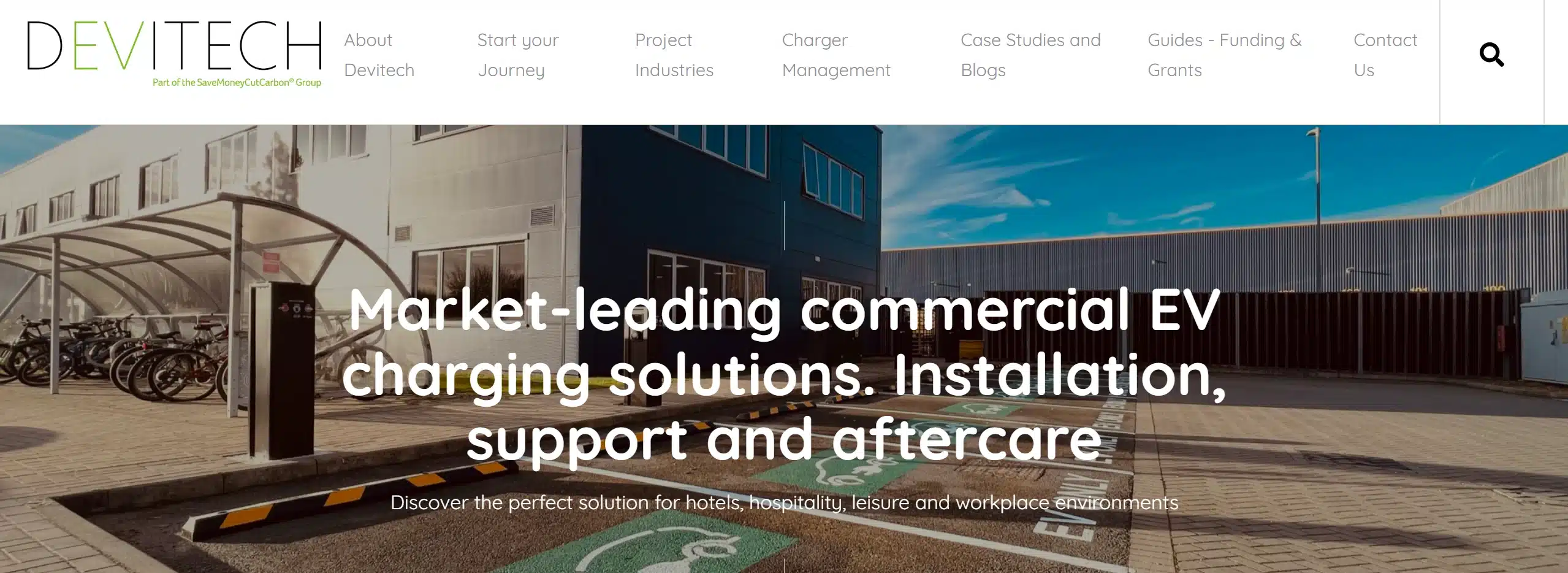
- Why it stands out: Compact site done right—clear messaging, strong CTAs, mobile excellence for smaller manufacturers.
- What to borrow: Focused scope, professional visual language, and just-enough depth for engineers and buyers.
Features that drive results
Product catalog excellence
- Advanced filtering by spec, material, tolerance, and certification to match engineering workflows.
- Rich assets: CAD files, drawings, performance curves, and configurators to accelerate technical evaluation.
- Interactive 360° viewers and estimators for complex equipment and assemblies.
Also Check: 7 Best Manufacturing CRMs In 2026
Lead generation optimization
- Contextual CTAs on every page state (discover, evaluate, convert), not just at the top/bottom.
- Quick-quote forms, ungated spec downloads, and live chat for engineers under time pressure.
- Gated application notes and ROI calculators to capture high-intent leads with value.
Trust-building signals
- Certifications, standards compliance, and QA processes displayed prominently and contextually.
- Case studies with quantified outcomes and named industries or customers where possible.
- Facility, team, and capabilities showcases that prove scale and competence.
2026 design trends shaping manufacturing
Interactive and immersive
- Configurators, virtual factory tours, and 3D product experiences improve understanding of complex offerings.
- Video-first content for demonstrations, process walkthroughs, and proof at the top and mid funnel.
AI-powered personalization
- Smart modules adapt CTAs, messaging, and suggested products by segment and behavior to reduce friction.
- On-site search that learns from queries to surface relevant specs, documents, and compatible parts.
Sustainability and modern aesthetics
- Clear sustainability narratives backed by standards, lifecycle data, and supply chain visibility.
- Clean grid systems, micro-interactions, and dark-mode options where appropriate for long technical sessions.
Industry-specific considerations
Aerospace and defense
- Emphasize certifications, security, compliance content, and program experience with strict documentation access.
- Detail process capabilities, materials, and tolerances relevant to mission-critical components.
Automotive and heavy industry
- QA frameworks, supply chain readiness, and JIT or volume capabilities should be front and center.
- Integration with PLM/ERP claims supported by case stories and partner ecosystems.
Medical devices and lab equipment
- Regulatory clarity (e.g., FDA, ISO), validated processes, and clinical or lab outcomes build trust.
- Comprehensive support resources: IFUs, maintenance, and training tied to each product lifecycle phase.
Technical stack and integration must-haves
System integrations
- ERP and inventory for availability and lead times; CRM for routing RFQs and sales velocity reporting.
- PIM or structured data governance to scale catalogs consistently across languages and regions.
Advanced functionality
- Multi-language and localization for pricing, units, and standards across global audiences.
- Document management for controlled spec versions, drawings, and certifications tied to products.
Common mistakes to avoid
Design and usability
- Cluttered pages that bury specs and CTAs; poor mobile experiences that break evaluation on job sites.
- Slow sites without performance budgets for heavy assets like videos and 3D.
Content and information
- Vague product pages without tolerances, materials, or performance data frustrate engineers.
- Missing certifications, dated catalogs, and weak application content erode credibility.
Lead generation
- One-size-fits-all CTAs; long, generic forms that don’t match intent or persona.
- No enablement tools like calculators, CAD, or configurators to progress deals asynchronously.
How to choose the right approach
Goals and audience
- Define primary personas (design engineer, procurement, maintenance, operations) and map journeys and content gaps.
- Set conversion goals by stage (spec download, sample request, quote, demo) and measure with clear KPIs.
Budget and resources
- Allocate for content creation (specs, CAD, video), integrations (ERP/CRM/PIM), and continuous optimization sprints.
- Prioritize a scalable design system and CMS that support multilingual catalogs and future personalization.
Conclusion
The best manufacturing websites of 2026 blend credibility, clarity, and conversion—with deep technical content, intuitive navigation, interactive tools, and proof that accelerates complex B2B decisions. Brands that invest in performance, personalization, and buyer enablement will capture more qualified demand and shorten sales cycles across engineering-led purchases.
FAQs
1. What makes a manufacturing website effective?
Clear IA, deep specs, strong search and filters, fast performance, and persona-aligned CTAs—plus proof via case studies and certifications.
2. How much should manufacturers invest in website design?
Budgets should cover design, technical content production, integrations (ERP/CRM/PIM), and continuous optimization; prioritize capabilities that reduce sales friction.
3. Which features matter most for B2B manufacturing?
CAD downloads, configurators, rich spec sheets, advanced filtering, role-based navigation, and resource hubs tied to products and applications.
4. How often should a manufacturing website be updated?
Continuously—new specs, case studies, certifications, and resources should roll out on a monthly cadence, with quarterly UX and performance improvements.
5. What trends will define 2026?
Interactive product experiences, video-first content, AI-driven personalization, and sustainability proof supported by credible data and standards.