



In the bustling world of online commerce, where every click and scroll matters, web design stands as the cornerstone of customer experience. Picture this: You land on a website, eager to explore its offerings, only to be met with a cluttered layout, confusing navigation, and sluggish page loading.

Frustrating, right? This scenario vividly illustrates the pivotal role that web design plays in shaping customer perceptions and interactions in the digital realm.
In this comprehensive guide, we embark on a journey to uncover the seven key ways web design impacts customer experience in 2024.
From visual appeal to mobile responsiveness, and content quality to personalization, we delve into the latest trends, best practices, and strategies to create websites that captivate, engage, and delight users at every turn.
Visual Appeal
In the fast-paced world of online browsing, first impressions are everything. Visual appeal plays a pivotal role in capturing users’ attention and drawing them deeper into the website experience.
A visually stunning design can instill trust, convey professionalism, and leave a lasting impression on visitors.
- Vibrant Color Schemes: The strategic use of color can evoke emotions, convey brand personality, and guide users’ focus toward key elements of the website.
- Eye-catching Imagery: High-quality images and graphics not only enhance the aesthetic appeal of the website but also help to communicate its message and offerings effectively.
- Sleek Typography: Well-chosen fonts and typography styles contribute to readability, visual hierarchy, and overall user experience, enhancing engagement and retention.
Navigation and User Experience (UX)
Smooth navigation is the lifeblood of a positive user experience. Intuitive navigation, clear calls-to-action, and seamless transitions between pages are essential for guiding users along their journey and keeping them engaged with the content.
- Intuitive Navigation: A well-structured navigation menu helps users find what they’re looking for quickly and easily, reducing frustration and increasing satisfaction.
- Clear Calls-to-Action (CTAs): Strategically placed CTAs prompt users to take desired actions, such as making a purchase, signing up for a newsletter, or contacting customer support.
- Seamless Transitions: Smooth transitions between pages and elements of the website create a sense of fluidity and cohesion, enhancing the overall user experience and encouraging further exploration.
Mobile Responsiveness
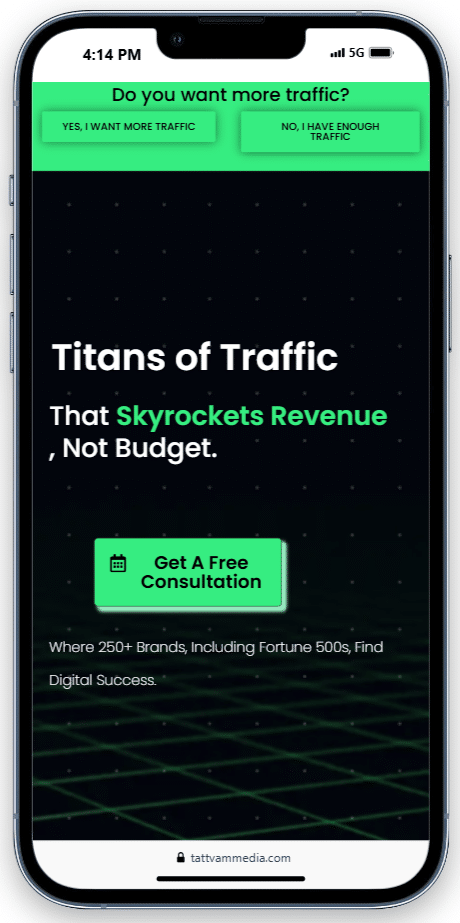
With the proliferation of smartphones and tablets, mobile responsiveness is no longer optional—it’s imperative. Websites must adapt seamlessly to various screen sizes and devices to ensure a consistent and user-friendly experience across the board.
- Responsive Layouts: Flexible layouts that adjust dynamically based on the user’s device enable content to be displayed optimally, regardless of screen size or orientation.
- Mobile-specific Features: Tailoring certain features and functionalities specifically for mobile users, such as touch-friendly navigation and swipe gestures, enhances usability and engagement on smaller screens.
- Touch-friendly Interfaces: Designing elements with touch interaction in mind, such as buttons and menus, ensures that users can easily navigate and interact with the website using touchscreen devices.
Page Loading Speed
In today’s fast-paced digital landscape, users have little patience for slow-loading websites. Page loading speed directly impacts user experience, with delays leading to frustration, increased bounce rates, and ultimately, lost conversions.
- Image Compression: Optimizing image files to reduce their size without sacrificing quality can significantly improve page loading times, especially on image-heavy websites.
- Browser Caching: Utilizing browser caching allows commonly accessed resources, such as images, stylesheets, and scripts, to be stored locally, reducing the need for repeated downloads and speeding up page loading.
- Content Delivery Networks (CDNs): CDNs distribute website content across multiple servers worldwide, delivering it to users from the server nearest to their location. This minimizes latency and ensures faster load times for visitors regardless of their geographical location.
Content Quality and Relevance
Content is the backbone of any website, serving as the primary means of communication between businesses and their audience. High-quality, relevant content not only attracts and engages users but also establishes trust, credibility, and authority.
- Informative Blog Posts: Publishing informative and valuable blog posts on topics relevant to your audience’s interests and needs positions your brand as a thought leader and resource in your industry.
- Captivating Videos: Video content is highly engaging and versatile, allowing you to convey complex information, showcase products or services, and tell compelling stories in a visually appealing format.
- Interactive Infographics: Infographics combine text, images, and data visualization to present information in a visually engaging and easily digestible format, making complex concepts more accessible and memorable for users.
Personalization and Customization
In a world inundated with digital noise, personalization is the key to cutting through the clutter and capturing users’ attention. By tailoring the website experience to individual preferences and behaviors, businesses can create more meaningful and relevant interactions with their audience.
- Data Analytics: Leveraging data analytics tools and techniques allows businesses to gain insights into user behavior, preferences, and interests, enabling them to deliver personalized experiences that resonate with each user on a deeper level.
- User Segmentation: Segmenting users based on demographic, behavioral, or psychographic factors enables businesses to target specific audience segments with personalized content and offers tailored to their needs and preferences.
- Personalized Recommendations: Recommending products, services, or content based on users’ past interactions, browsing history, or preferences helps to streamline the decision-making process and increase the likelihood of conversion.
Accessibility and Inclusivity
Accessibility is not just a legal requirement—it’s a moral imperative. Websites should be accessible to all users, regardless of disabilities or limitations.
By prioritizing accessibility and inclusivity in web design, businesses can ensure that their websites are usable and navigable by everyone, creating a more inclusive online experience for all.
- WCAG Compliance: Adhering to the Web Content Accessibility Guidelines (WCAG) ensures that websites are accessible to users with disabilities, including those with visual, auditory, motor, or cognitive impairments. WCAG outlines specific guidelines and criteria for making web content perceivable, operable, understandable, and robust for all users.
- Empathy-driven Design Principles: Designing with empathy involves putting yourself in the shoes of users with diverse abilities and perspectives to better understand their needs and challenges. By incorporating empathy-driven design principles into the design process, businesses can create more inclusive and user-friendly experiences for everyone.
Conclusion
In conclusion, web design is not merely a cosmetic consideration—it’s a strategic imperative. By prioritizing visual appeal, intuitive navigation, mobile responsiveness, page loading speed, content quality, personalization, and accessibility, businesses can create websites that elevate the customer experience to new heights.
In an increasingly competitive digital landscape, investing in effective web design is essential for staying ahead of the curve and delighting customers at every touchpoint.
Let’s embrace the power of web design to create unforgettable experiences that leave a lasting impression on users in 2026 and beyond.