



A sales plan is a clear document that explains how a business will sell its products or services. It helps teams understand what they need to sell, who they need to sell to, and how they will achieve their sales goals. Without a sales plan, sales efforts often become unstructured and inconsistent.

A well-created sales plan gives direction to the sales team, improves focus, and helps businesses grow in a predictable way. This blog explains how to create a sales plan step by step, using simple language and practical explanations that can be applied by startups, small businesses, and growing companies.
What Is a Sales Plan?
A sales plan is a written strategy that outlines a company’s sales goals, target customers, sales methods, and actions required to achieve those goals. It acts as a roadmap for the sales team and management.
A sales plan explains:
- What the business wants to achieve through sales
- Who the ideal customers are
- How sales will be generated and managed
It is different from a business plan. A business plan covers the entire company, while a sales plan focuses only on sales activities and outcomes. A strong sales plan keeps everyone aligned and working toward the same targets.
Why Is a Sales Plan Important?

A sales plan is important because it brings structure and clarity to the sales process. It ensures that sales efforts are planned, measurable, and aligned with business goals.
Key reasons why a sales plan matters:
- Helps sales teams understand their priorities
- Improves consistency in sales efforts
- Supports better decision-making and forecasting
- Creates accountability within the sales team
- Makes it easier to track progress and results
Without a sales plan, sales teams often work reactively instead of strategically.
10 Proven Steps To Create A Sales Plan
Step 1: Define Your Sales Goals Clearly
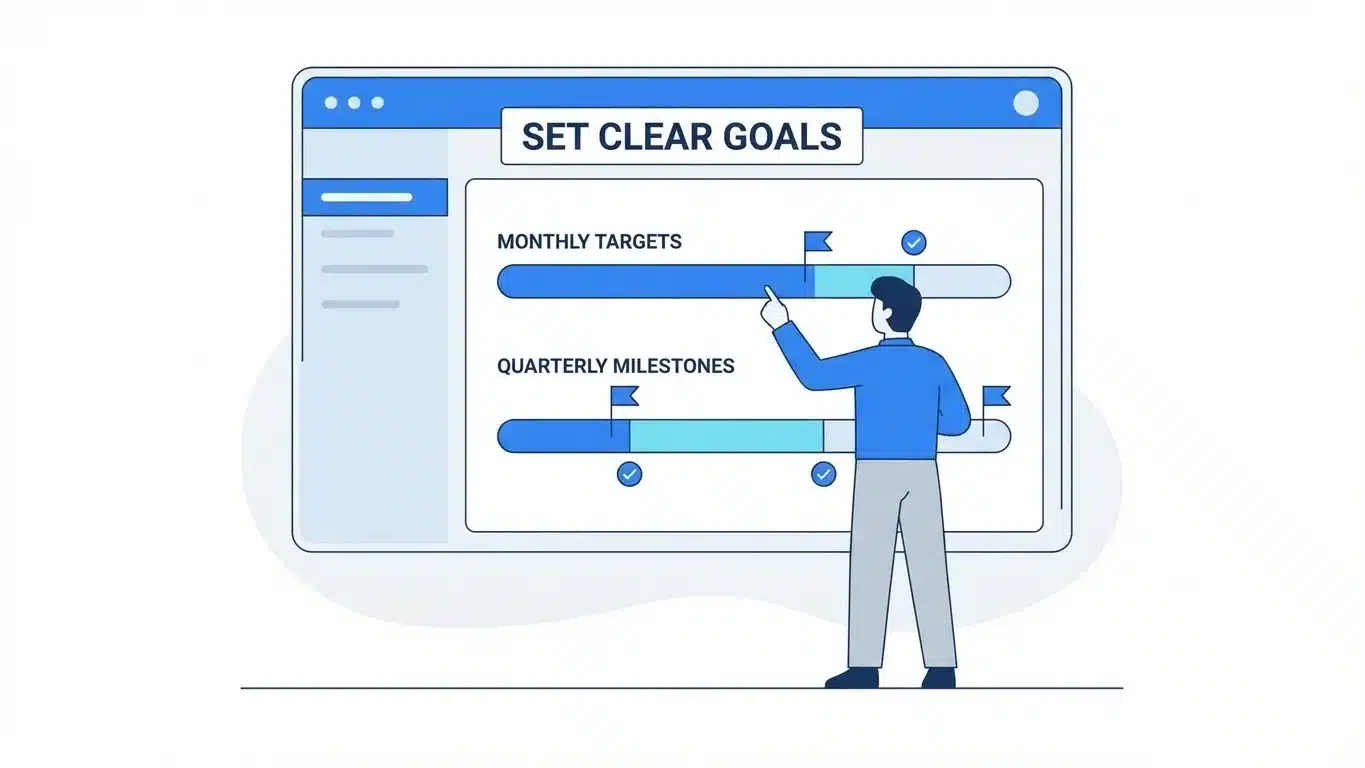
Sales goals describe what you want to achieve within a specific time period. Clear goals help the sales team stay focused and motivated.
When defining sales goals, make sure they are realistic and measurable. Goals should also support the overall business objectives.
Important points to consider:
- Revenue targets for a specific period
- Number of new customers to acquire
- Growth compared to previous periods
- Time-bound goals such as monthly or yearly targets
Clear sales goals give direction and make it easier to measure success.
Step 2: Identify Your Target Market and Ideal Customer
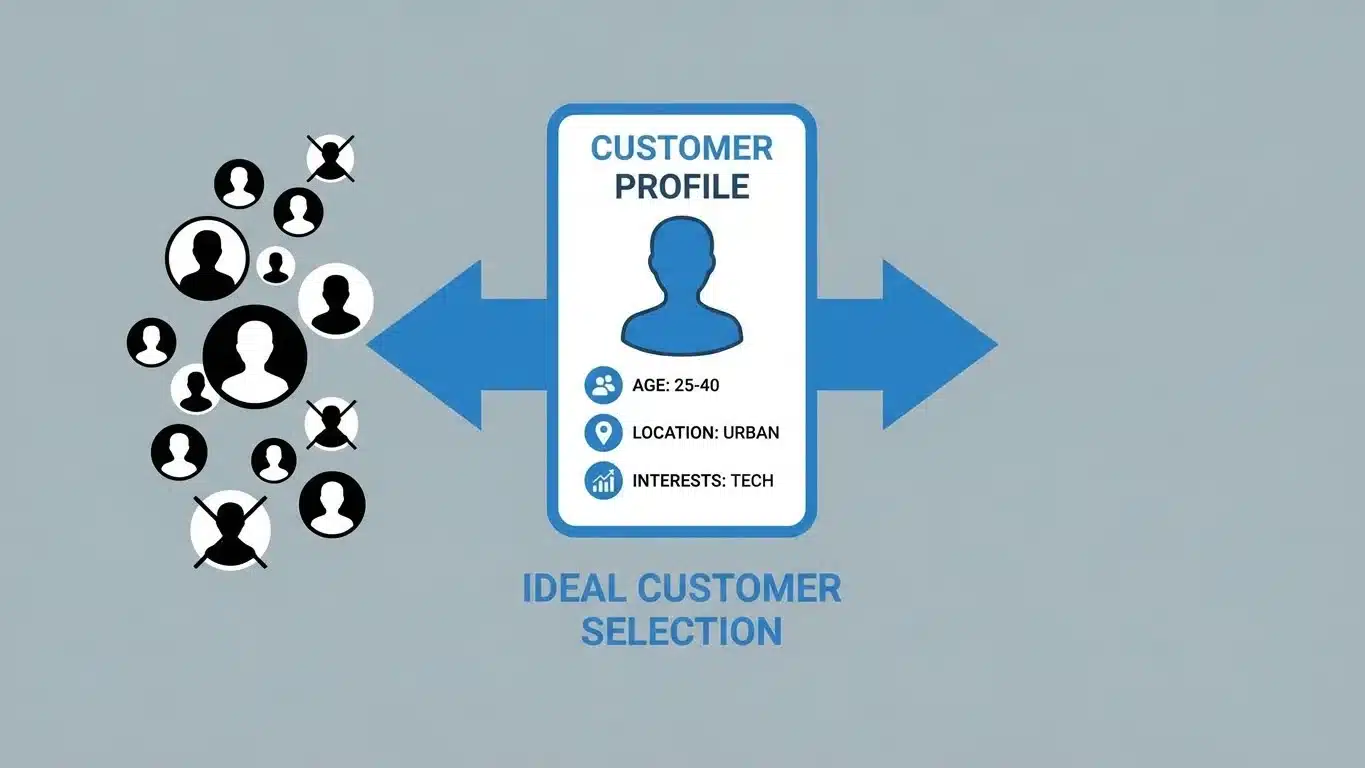
A sales plan must clearly define who the business is selling to. Trying to sell to everyone often leads to poor results.
The target market includes the group of people or businesses most likely to buy your product or service. An ideal customer profile explains the characteristics of your best customers.
This step involves:
- Understanding customer needs and challenges
- Identifying customer demographics or business type
- Segmenting customers based on behavior or buying patterns
Knowing your ideal customer helps the sales team communicate better and close deals more effectively.
Step 3: Analyze Your Market and Competitors
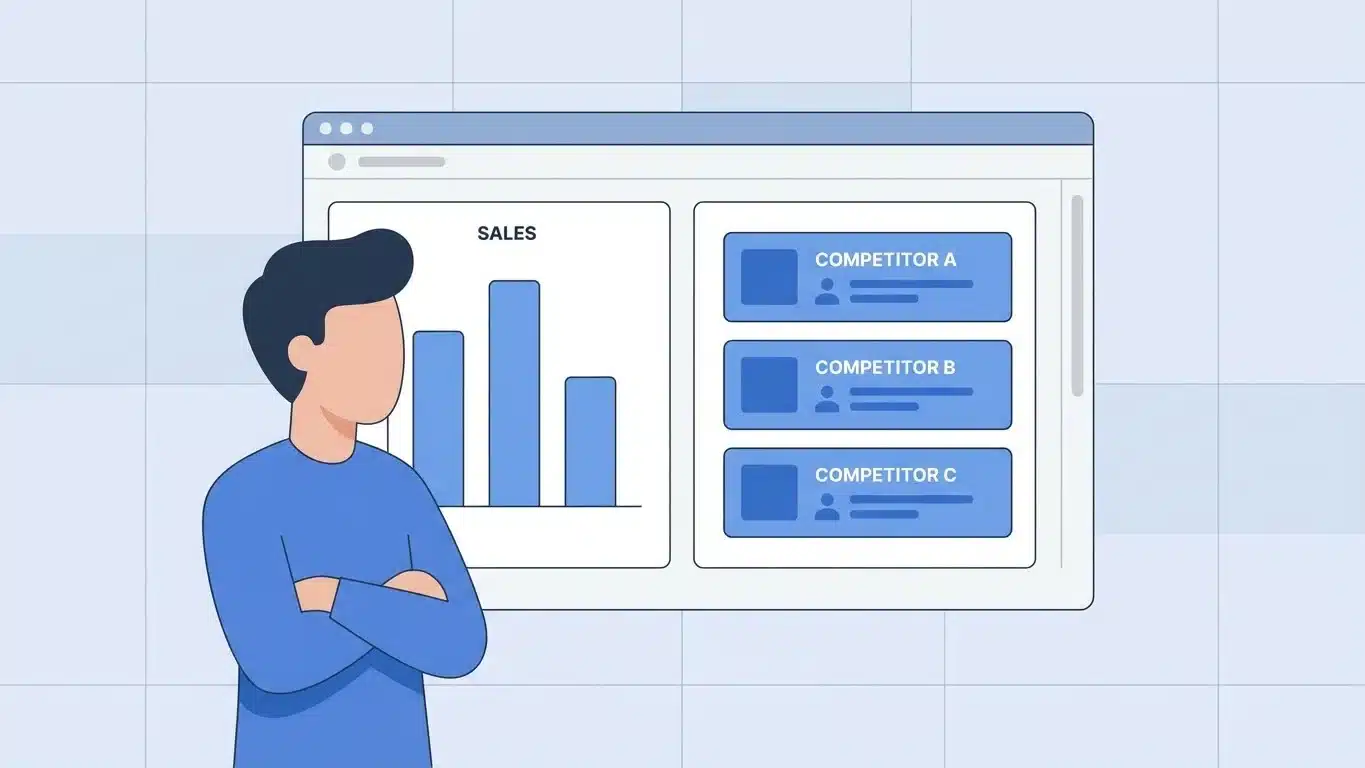
Market and competitor analysis helps you understand where your business stands. It shows what customers expect and how competitors are meeting those expectations.
This step helps identify opportunities and risks in the market.
Key areas to analyze:
- Current market demand and trends
- Major competitors and their offerings
- Pricing strategies used by competitors
- Strengths and weaknesses of competing businesses
This analysis allows you to position your product or service more effectively.
Step 4: Define Your Value Proposition
A value proposition explains why customers should choose your product or service instead of others. It clearly communicates the benefit you provide.
A strong value proposition focuses on solving customer problems and delivering real value.
It should highlight:
- The main benefit of your product or service
- How it solves a specific customer problem
- What makes it different from competitors
When sales teams clearly understand the value proposition, they can communicate it confidently to potential customers.
Step 5: Choose the Right Sales Strategy
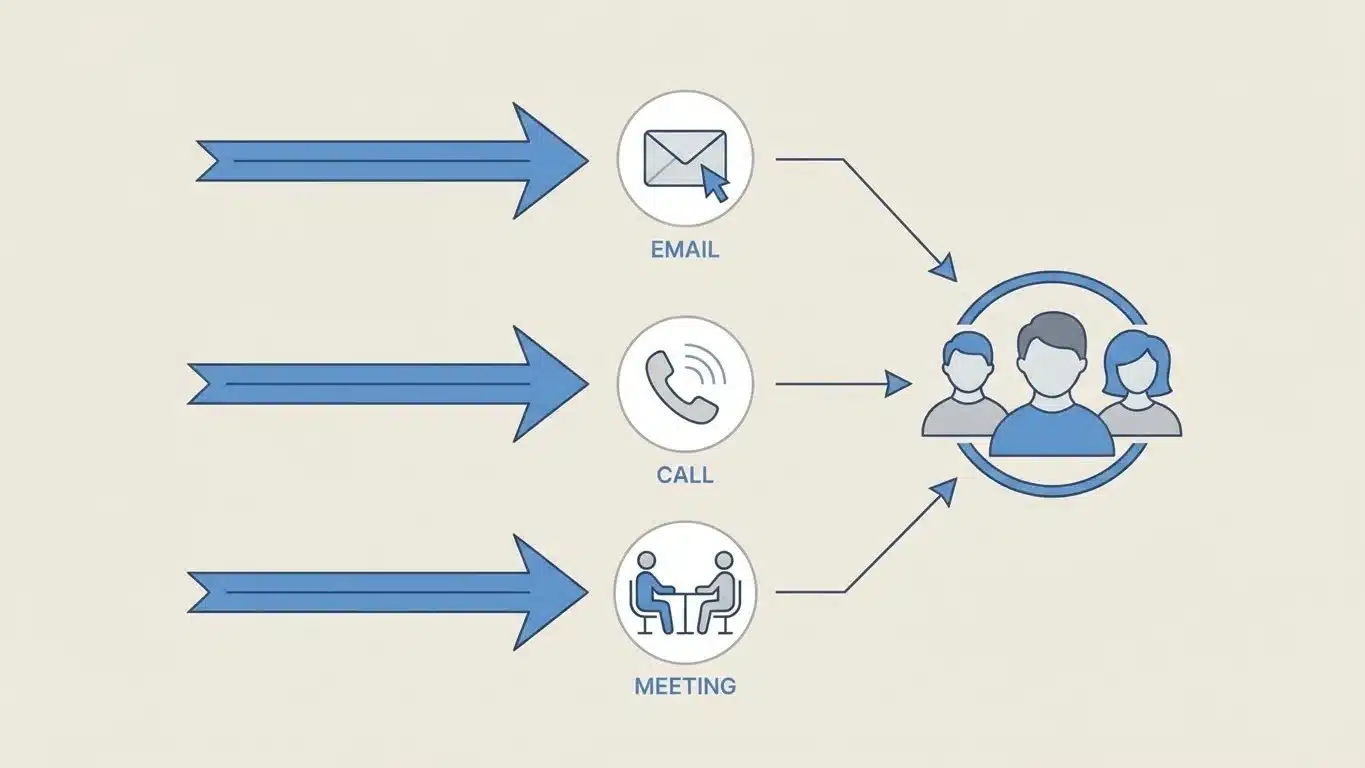
A sales strategy defines how you will reach and convert customers. Different businesses need different strategies depending on their audience and product type.
This step involves selecting the most effective approach for selling.
Common elements to decide:
- Whether sales will be inbound, outbound, or a mix
- Which channels to use, such as calls, emails, or meetings
- How prospects will be approached and followed up
Choosing the right strategy ensures that sales efforts are efficient and aligned with customer behavior.
Step 6: Build a Clear Sales Process
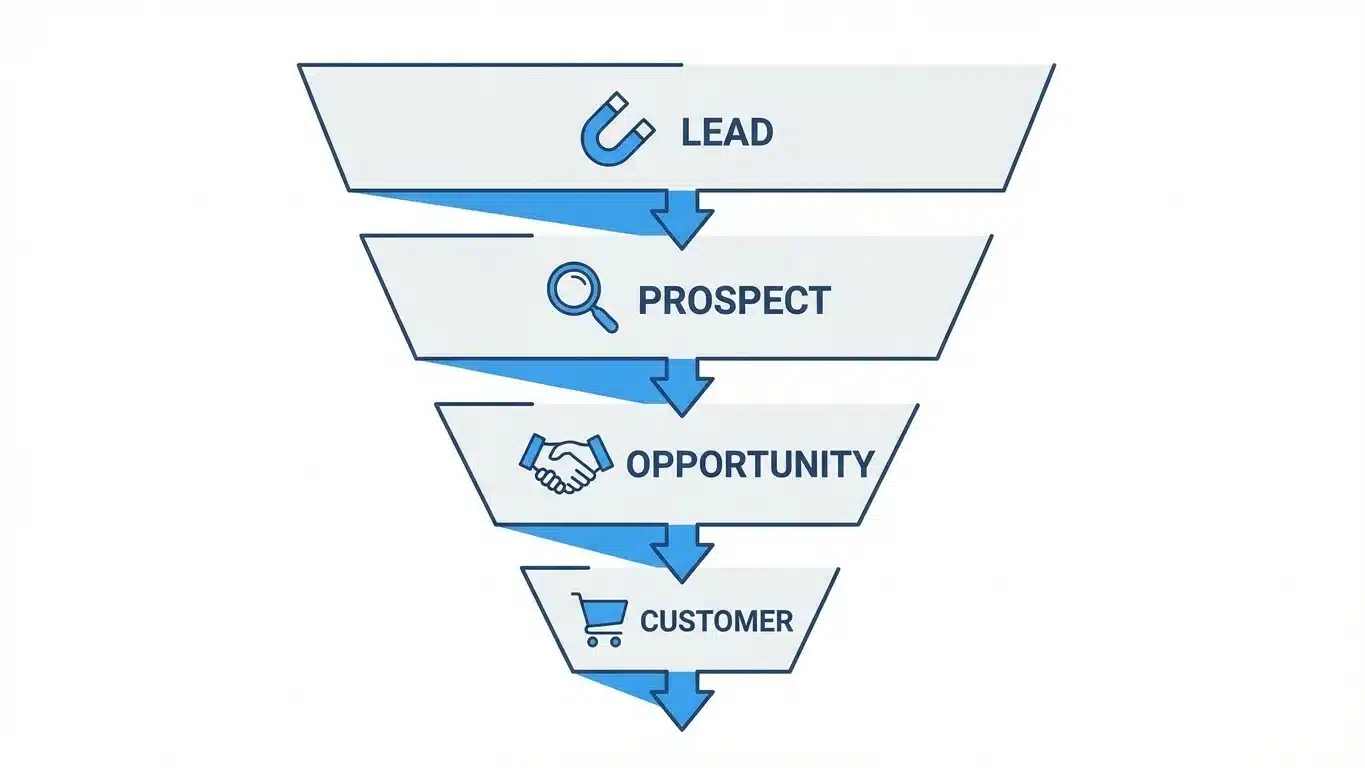
A sales process outlines the steps a prospect goes through before becoming a customer. A clear process helps sales teams work consistently and avoid confusion.
Each stage should have a clear purpose and action.
A structured sales process usually includes:
- Lead generation and initial contact
- Lead qualification
- Product or service presentation
- Negotiation and closing
- Post-sale follow-up
A defined sales process improves efficiency and helps new team members learn faster.
Step 7: Set Sales Targets and KPIs
Sales targets and key performance indicators (KPIs) help measure how well the sales plan is working. They turn goals into measurable numbers.
KPIs allow businesses to track progress and identify problems early.
Common sales KPIs include:
- Number of leads generated
- Conversion rates
- Revenue per salesperson
- Sales cycle length
- Customer acquisition cost
Tracking these metrics helps improve performance and accountability.
Step 8: Plan Your Sales Tools and Resources
Sales teams need the right tools and resources to work efficiently. This step focuses on planning what support is required.
Tools and resources help automate tasks and improve productivity.
This planning may include:
- Customer relationship management systems
- Sales automation tools
- Training and onboarding materials
- Budget allocation for sales activities
Providing the right resources helps sales teams perform better and stay organized.
Step 9: Create an Action Plan and Timeline
An action plan explains exactly what needs to be done to achieve sales goals. It breaks the sales plan into smaller, manageable tasks.
A clear timeline ensures that activities are completed on time.
This step involves:
- Defining specific sales activities
- Assigning responsibilities to team members
- Setting deadlines and milestones
- Monitoring task completion
An action plan turns strategy into daily execution.
Step 10: Review, Measure, and Optimize the Sales Plan
A sales plan should not remain static. Regular reviews help identify what is working and what needs improvement.
This step focuses on continuous improvement.
Key actions include:
- Comparing actual results with sales goals
- Identifying gaps in performance
- Adjusting strategies and processes
- Updating targets based on market changes
Ongoing optimization keeps the sales plan relevant and effective.
Conclusion
Creating a sales plan is essential for building a structured and predictable sales system. By following these 10 proven steps, businesses can set clear goals, understand their customers, and create effective sales processes.
A strong sales plan helps teams stay focused, measure progress, and improve performance over time. Regular reviews and updates ensure the plan remains aligned with business goals and market changes. When done correctly, a sales plan becomes a powerful tool for sustainable growth.

Passionate about blogging and focused on elevating brand visibility through strategic SEO and digital marketing. Always tuned in to the latest trends, I’m dedicated to maximizing engagement and delivering measurable ROI in the dynamic world of digital marketing. Let’s connect and unlock new opportunities together!