


Event marketing is the process of promoting an event to the right audience using the right channels and messages. Whether it is a business conference, product launch, workshop, or virtual webinar, effective event marketing plays a critical role in determining attendance and overall success. Without a proper marketing strategy, even a well-planned event can fail to attract the expected audience. This blog explains proven and practical ways to market an event successfully, covering every stage from planning to post-event follow-up.
What Is Event Marketing?
Event marketing refers to the strategies and activities used to promote an event and encourage people to attend or participate. It involves communicating the event’s value, benefits, and purpose to a specific audience.
Event marketing can be applied to different types of events, such as business-focused events, educational sessions, or online experiences. The core goal is to create awareness, generate interest, and drive registrations or attendance through structured promotional efforts.
Why Event Marketing Is Important
Event marketing is important because it directly impacts how many people attend and how they engage with the event. A strong marketing approach ensures that the right message reaches the right audience at the right time.
Key reasons why event marketing matters include:
- It helps increase awareness about the event.
- It attracts relevant and interested attendees.
- It builds trust and credibility before the event begins.
- It improves overall event participation and engagement.
- It supports business goals such as lead generation and brand visibility.
Set Clear Event Marketing Goals
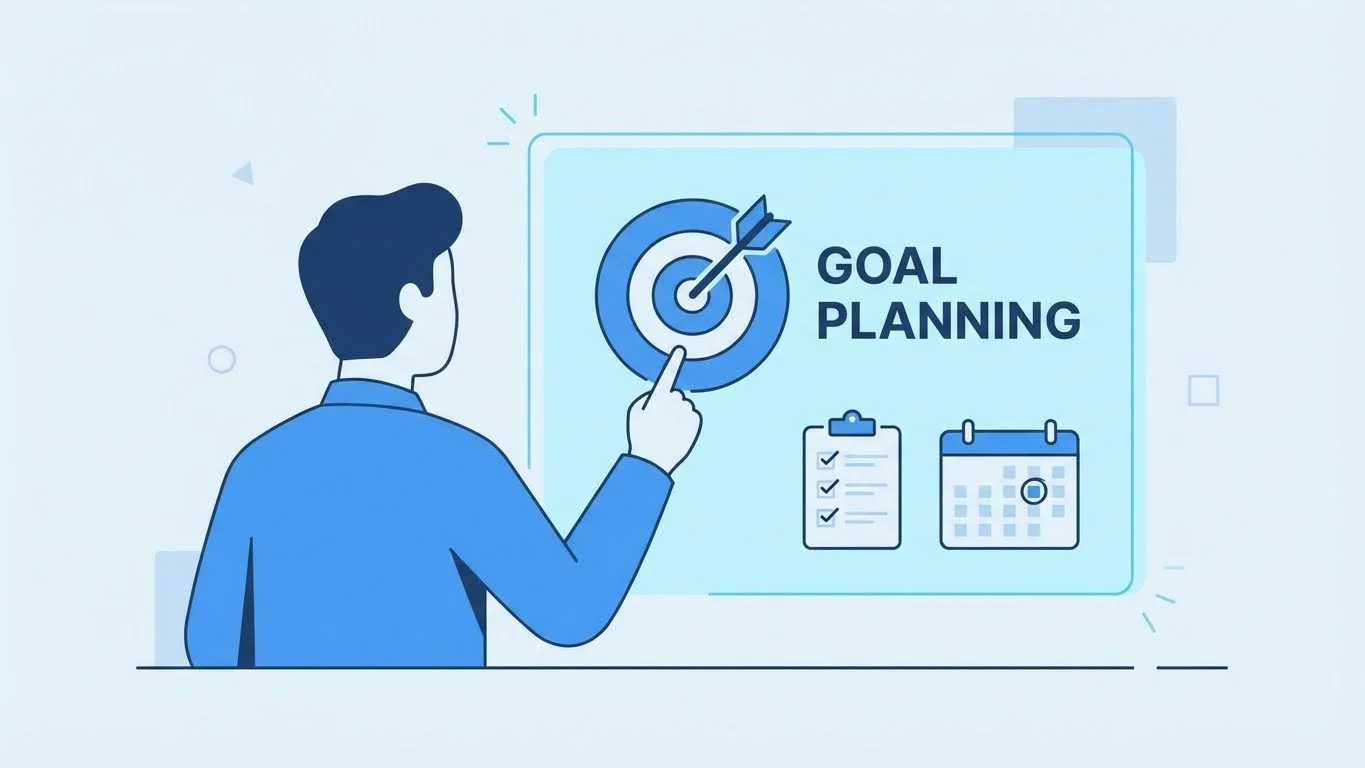
Before promoting an event, it is essential to clearly define what you want to achieve. Event marketing goals guide the strategy, messaging, and choice of platforms.
Common event marketing goals include:
- Increasing brand awareness
- Generating qualified leads
- Driving ticket sales or registrations
- Educating a specific audience
- Building long-term relationships
Clear goals help measure success and ensure that marketing efforts stay focused and effective.
Identify and Understand Your Target Audience
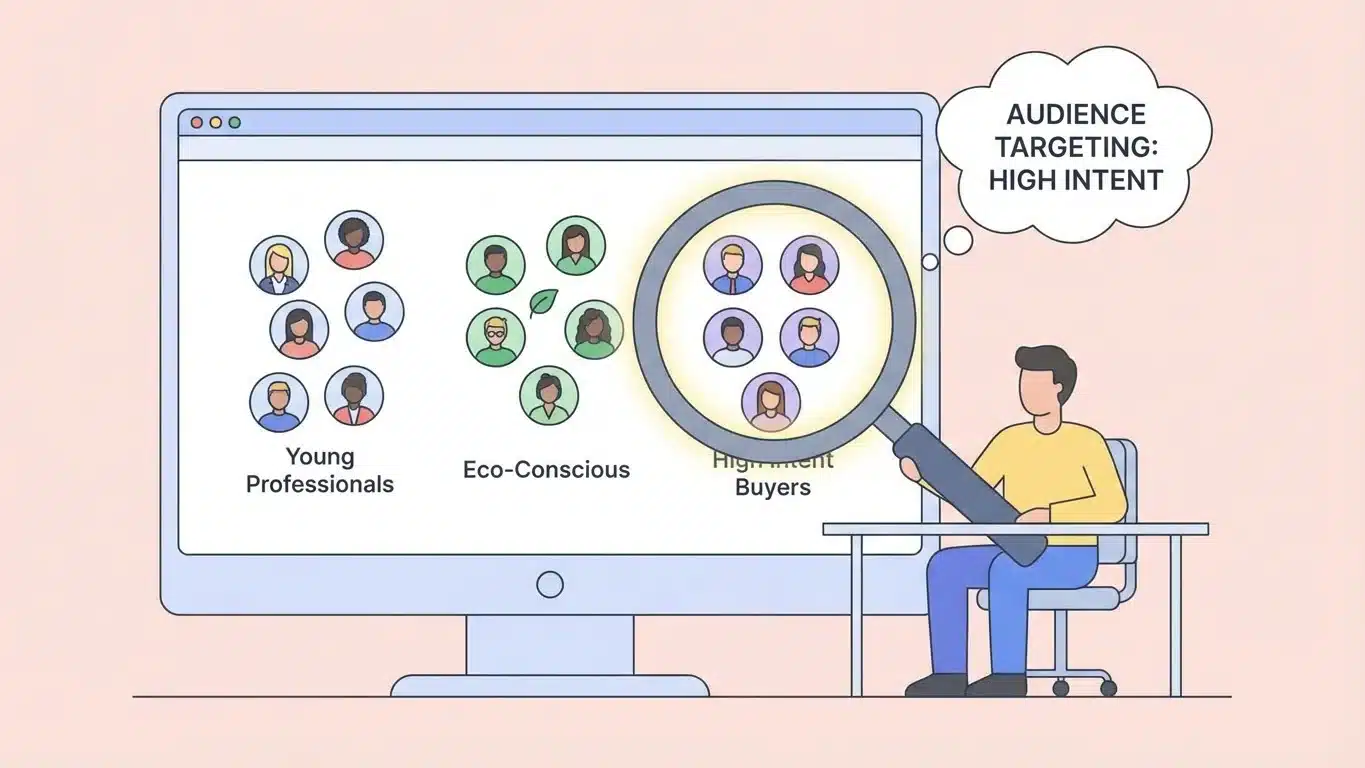
Knowing your target audience is a foundation of successful event marketing. Promoting an event to everyone often results in low engagement and poor attendance.
To understand your audience better, consider:
- Age group, profession, and industry
- Interests, challenges, and needs
- Preferred communication channels
- Location and time availability
When the audience is well-defined, marketing messages become more relevant and convincing, increasing the chances of participation.
Create a Strong Event Value Proposition
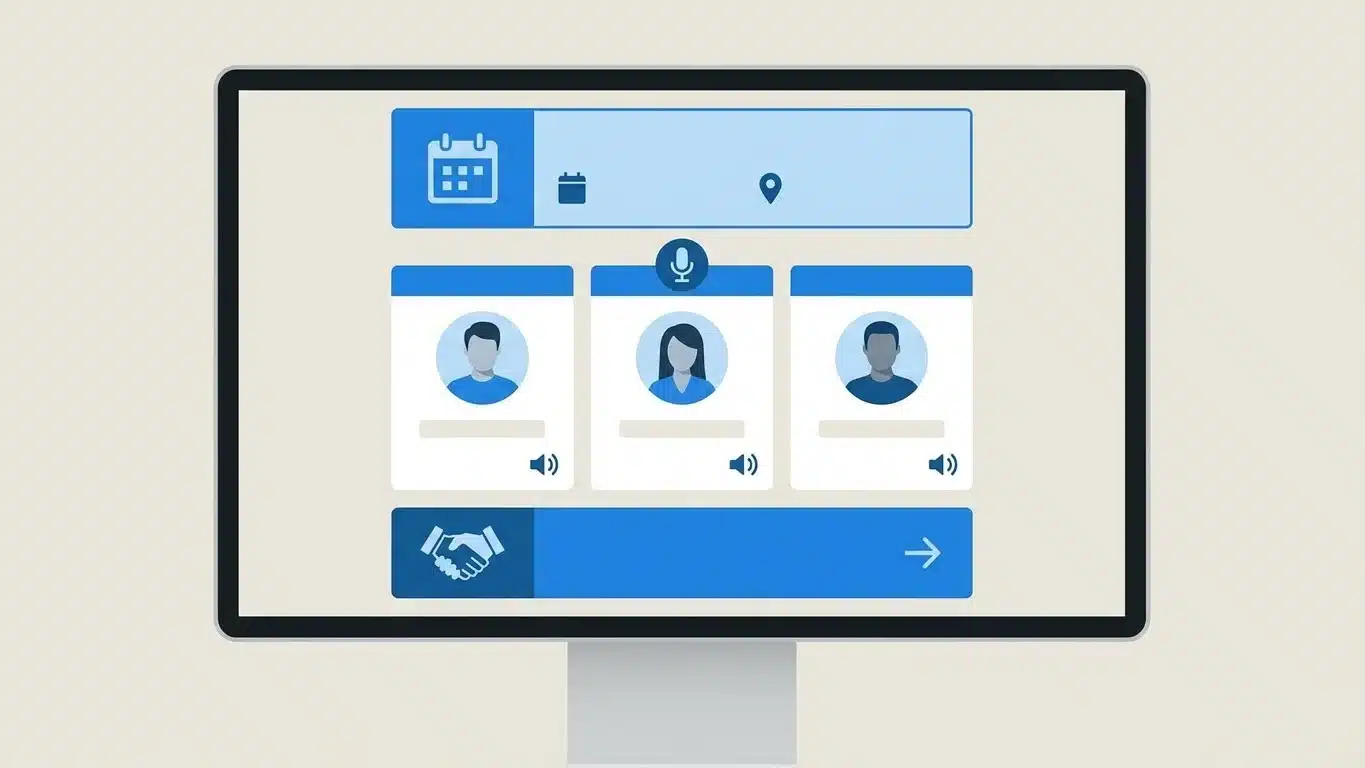
An event value proposition explains why someone should attend your event instead of ignoring it. It clearly communicates the benefits and outcomes attendees can expect.
A strong value proposition focuses on:
- What attendees will learn or gain
- How the event solves a specific problem
- What makes the event different or unique
- Why the event is worth their time
Clear and benefit-driven messaging helps attract attention and encourages action.
Build a High-Converting Event Landing Page
An event landing page is a dedicated page that provides all essential information about the event. It plays a major role in converting visitors into registered attendees.
A well-structured event landing page should include:
- A clear and engaging headline
- Event date, time, and location
- Agenda or session highlights
- Speaker or host details
- Simple and visible registration call-to-action
The page should be easy to navigate, mobile-friendly, and focused only on the event.
Use Content Marketing to Promote Your Event
Content marketing helps educate and engage your audience before the event. It builds interest and positions the event as valuable and informative.
Effective content formats for event promotion include:
- Blog posts related to the event topic
- Speaker or organizer interviews
- Short explainer or teaser videos
- Downloadable resources related to the event theme
Consistent content keeps the event visible and encourages people to learn more.
Promote Your Event on Social Media
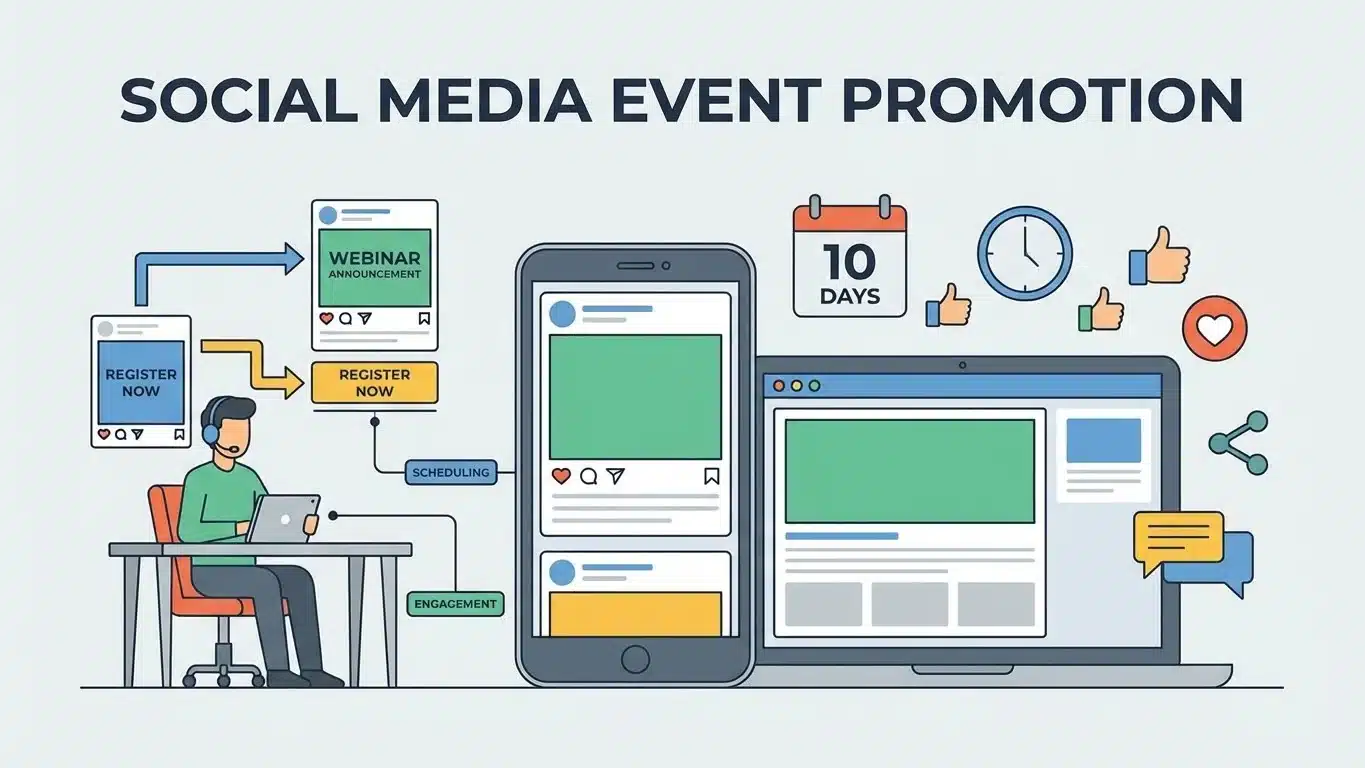
Social media platforms are powerful tools for reaching and engaging potential attendees. They allow frequent updates and direct interaction with the audience.
Common social media promotion tactics include:
- Event announcement posts
- Countdown updates before the event
- Speaker or session highlights
- Interactive posts like polls or questions
Regular and planned posting helps maintain interest throughout the promotion period.
Leverage Email Marketing for Event Promotion
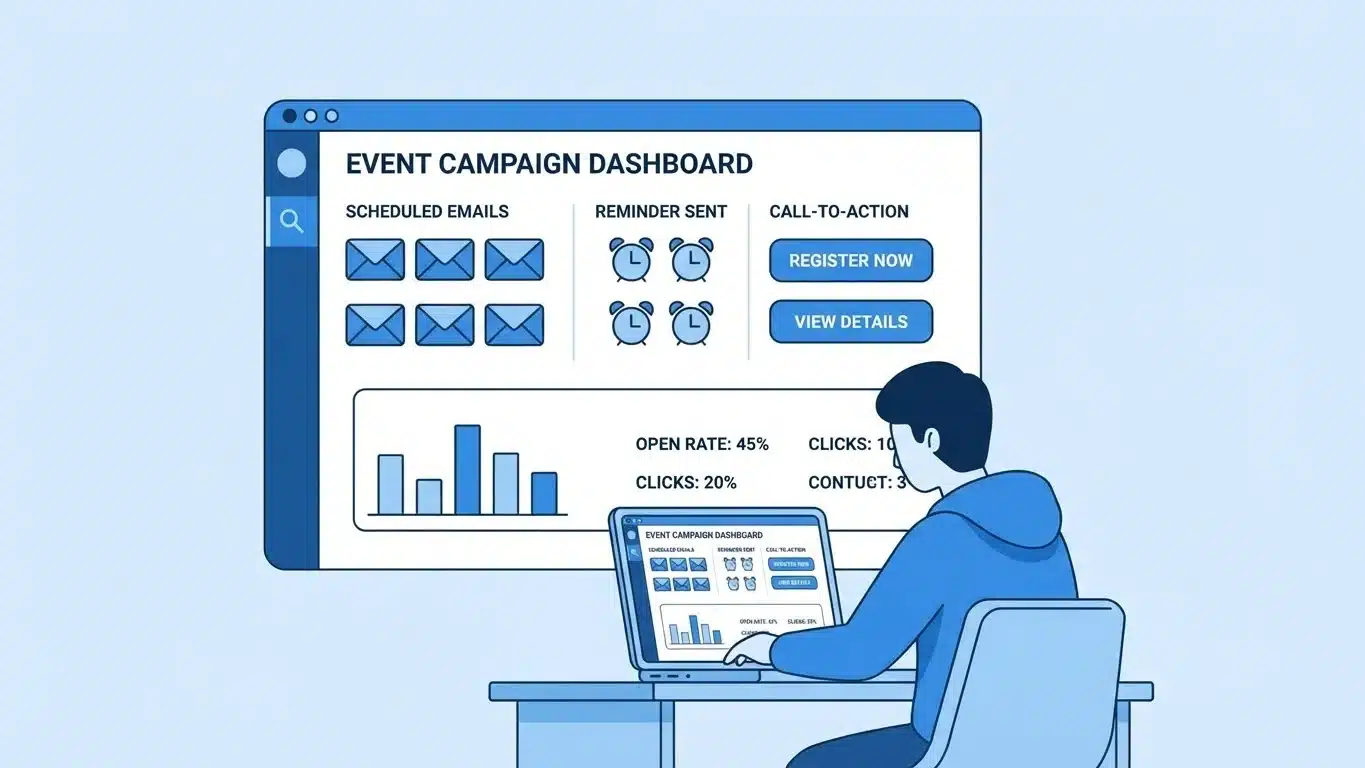
Email marketing remains one of the most effective ways to promote events. It allows direct communication with people who have already shown interest.
Types of event-related emails include:
- Event announcement emails
- Reminder emails before the event
- Last-chance registration emails
Clear subject lines and simple messaging improve open rates and registrations.
Use Paid Advertising to Boost Event Reach
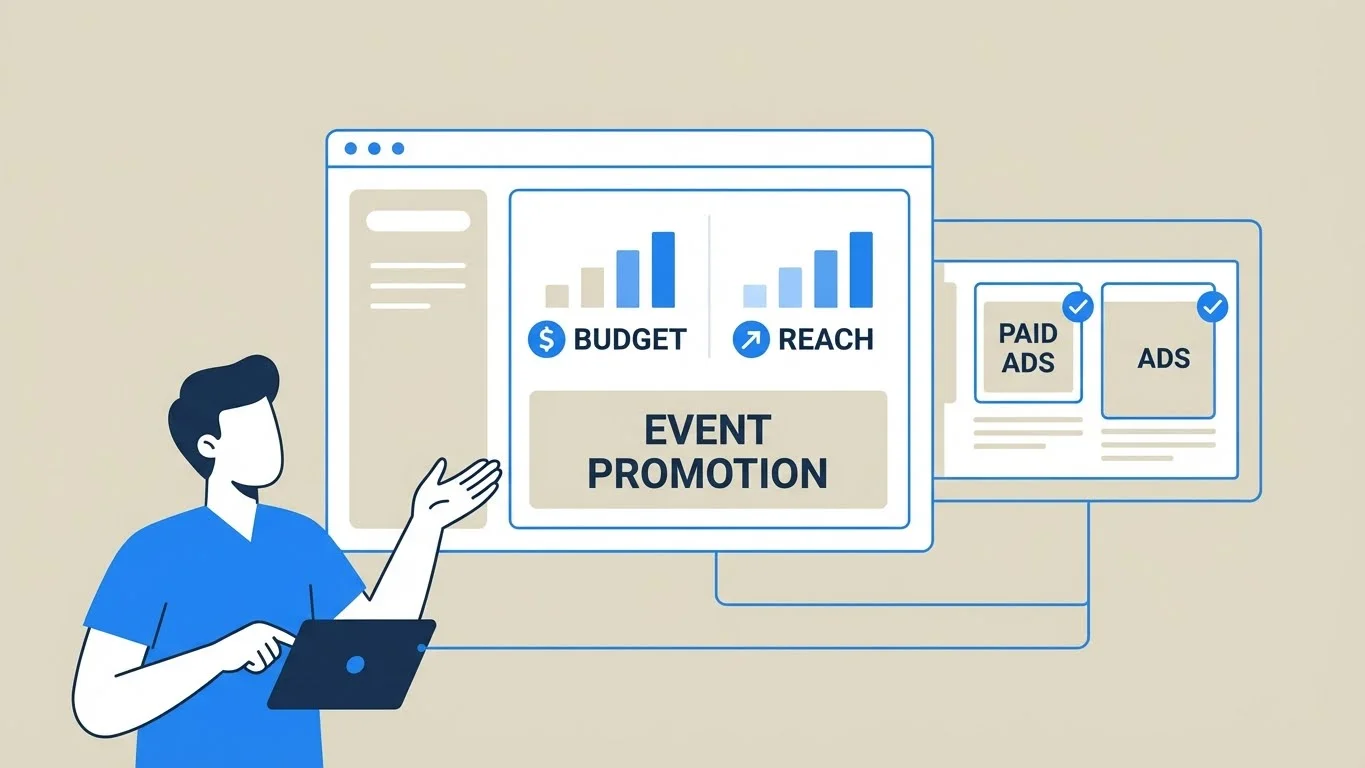
Paid advertising helps expand reach beyond existing audiences. It is especially useful when organic promotion alone is not enough.
Paid event promotion options include:
- Search ads for event-related keywords
- Social media ads targeting specific interests
- Retargeting ads for previous website visitors
Paid campaigns should be monitored regularly to ensure budget efficiency and performance.
Partner With Influencers and Industry Experts
Collaborating with influencers or industry experts can significantly improve event visibility. Their audience already trusts their opinions and recommendations.
Partnership opportunities include:
- Guest promotions by speakers
- Co-branded content
- Social media shoutouts
- Email promotions to partner audiences
The right partnerships help reach a more relevant and engaged audience.
Optimize Your Event for Local SEO (For Offline Events)
For physical events, local visibility is important. Local SEO helps people nearby discover the event easily.
Local optimization strategies include:
- Creating local event listings
- Using location-specific keywords
- Publishing event posts on business profiles
- Listing the event on local directories
Local SEO improves discoverability among nearby potential attendees.
Encourage Early Registrations and Ticket Sales
Early registrations help predict attendance and build momentum. Incentives motivate people to register sooner.
Effective early registration strategies include:
- Early-bird discounts
- Limited-time offers
- Group booking benefits
- Referral incentives
Creating urgency encourages faster decision-making.
Engage Your Audience Before the Event
Pre-event engagement builds excitement and strengthens attendee commitment. It also helps participants feel more connected before the event starts.
Pre-event engagement ideas include:
- Sharing sneak peeks or previews
- Hosting pre-event discussions
- Running polls or surveys
- Creating dedicated event communities
Engaged attendees are more likely to attend and participate actively.
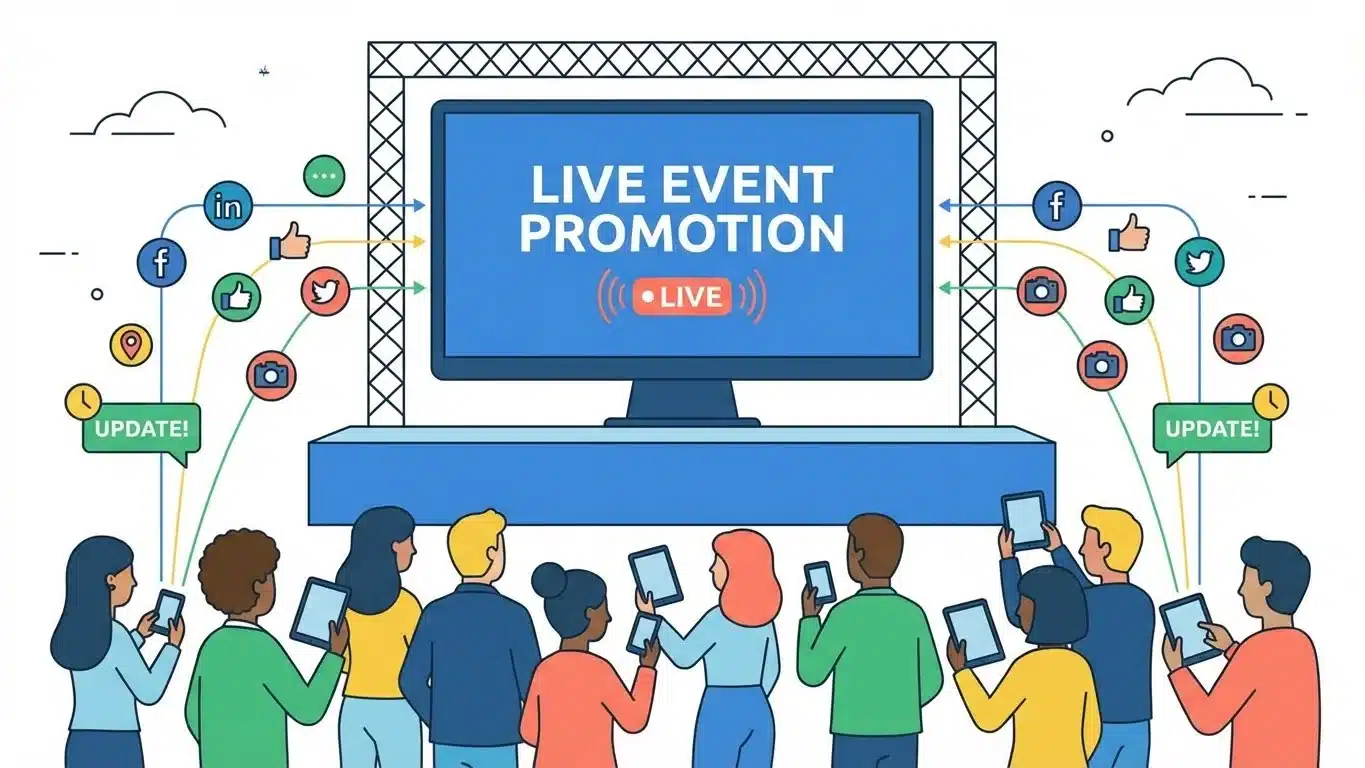
Promote Your Event During the Event
Marketing does not stop once the event begins. Live promotion increases real-time engagement and extends reach.
During-event promotion methods include:
- Live social media updates
- Sharing photos or short clips
- Encouraging attendees to post content
- Live streaming sessions when possible
This keeps online audiences involved and increases event visibility.
Post-Event Marketing Strategies
Post-event marketing helps extend the value of the event and maintain relationships with attendees.
Common post-event activities include:
- Thank-you emails to attendees
- Sharing event highlights or recordings
- Collecting feedback and reviews
- Following up with leads
Post-event communication supports long-term engagement and future events.
Measure Event Marketing Success
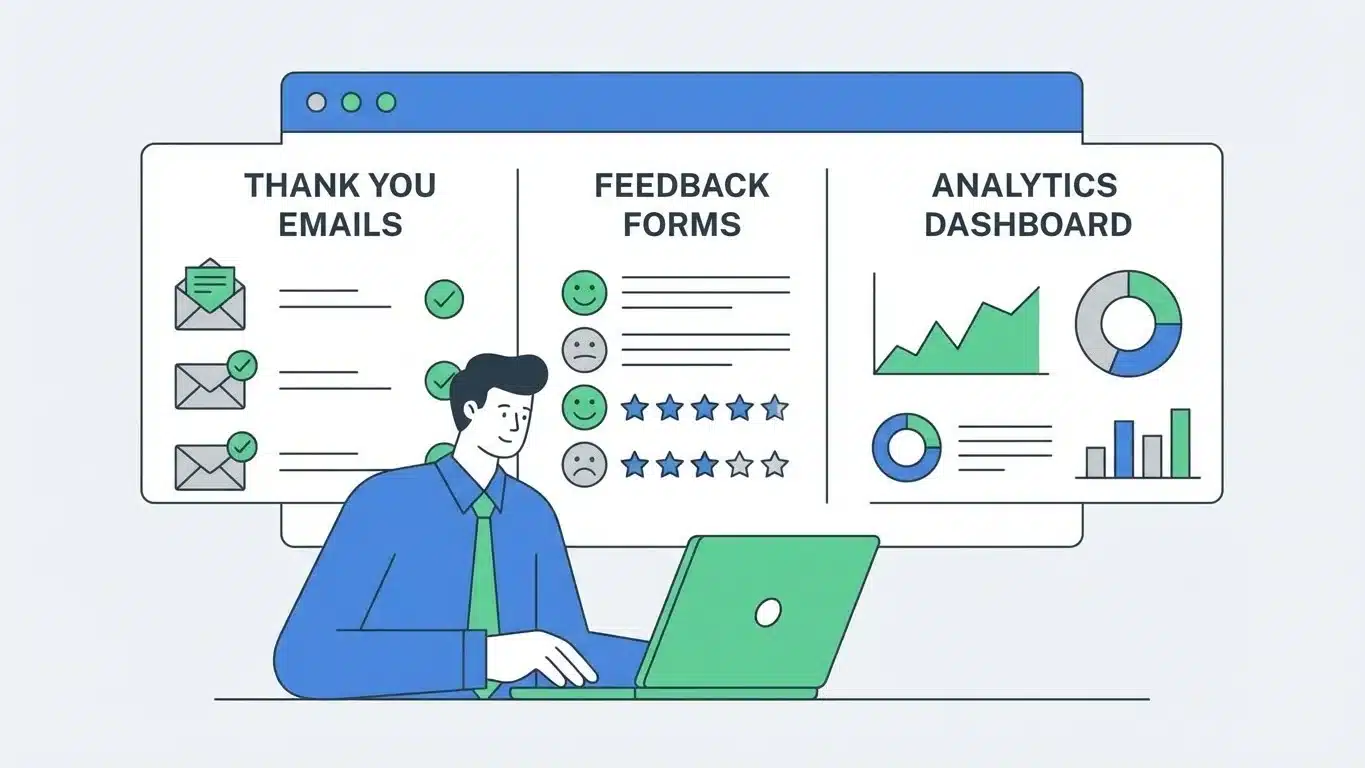
Measuring performance helps understand what worked and what didn’t. It also improves future event strategies.
Key metrics to track include:
- Number of registrations and attendees
- Engagement during the event
- Conversion rates
- Overall return on effort
Data-driven insights lead to better planning and execution.
Common Event Marketing Mistakes to Avoid
Avoiding common mistakes can save time, money, and effort.
Typical event marketing mistakes include:
- Starting promotions too late
- Unclear messaging
- Ignoring audience targeting
- Weak follow-up after the event
Recognizing these issues early improves overall results.
Event Marketing Tips for Better Results
Simple practices can significantly improve event marketing effectiveness.
Helpful tips include:
- Start planning early
- Keep messaging consistent
- Focus on attendee experience
- Monitor and adjust campaigns regularly
Small improvements often lead to better outcomes.
Conclusion
Marketing an event successfully requires careful planning, clear goals, and consistent execution. From defining the target audience to promoting the event before, during, and after it takes place, every step plays an important role. By following structured event marketing strategies and focusing on real audience needs, businesses and organizers can improve attendance, engagement, and long-term value from their events.

Passionate about blogging and focused on elevating brand visibility through strategic SEO and digital marketing. Always tuned in to the latest trends, I’m dedicated to maximizing engagement and delivering measurable ROI in the dynamic world of digital marketing. Let’s connect and unlock new opportunities together!