


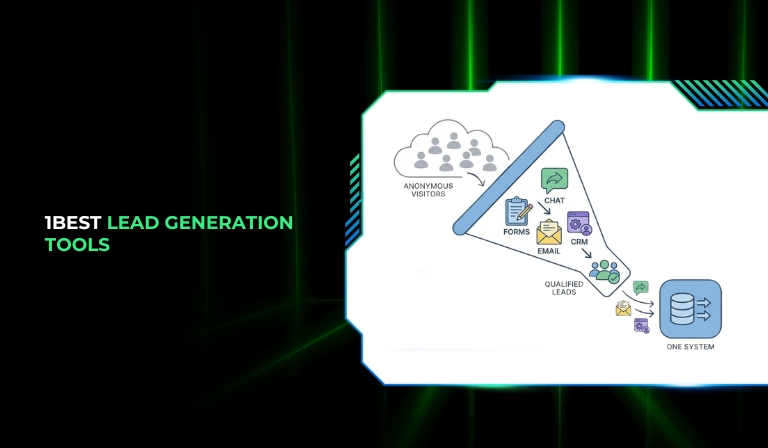
Lead generation remains one of the biggest challenges for modern businesses. Industry research from established marketing platforms consistently shows that more than half of marketers struggle to generate high-quality leads that convert. The core issue is not a lack of interest in products or services, but the inefficiency of manual and disconnected lead generation processes.

Manually collecting leads, qualifying them, and following up consumes time, increases human error, and limits scalability. As customer journeys become more complex and digital touchpoints multiply, businesses need smarter systems to capture, manage, and nurture prospects.
This is where lead generation tools play a critical role. These tools help automate lead capture, enrich prospect data, improve targeting, and support timely follow-ups across channels.
In this blog, you will learn:
- What lead generation tools are and why they matter
- The different types of lead generation tools available today
- A detailed review of the 15 best lead generation tools for 2026
- How to choose the right tool for your business
- Best practices, common mistakes, and real-world use cases
What Are Lead Generation Tools?
Lead generation tools are software platforms designed to identify, capture, qualify, and manage potential customers before they make a purchase decision. These tools support both marketing and sales teams by creating a structured and repeatable process for turning interest into opportunities.
At their core, lead generation tools help businesses move prospects through the early stages of the buyer journey by collecting contact information, behavioral data, and engagement signals.
Core Purpose
- Capture leads from multiple digital touchpoints
- Identify buying intent through user behavior
- Enable personalized and timely engagement
Key Benefits
- Time efficiency: Automation reduces manual effort
- Improved accuracy: Centralized data minimizes errors
- Better targeting: Data-driven segmentation improves relevance
- Scalability: Systems grow with business needs
Who Needs Lead Generation Tools
- Small businesses: To automate limited resources
- Startups: To build predictable pipelines
- Enterprises: To manage high-volume, multi-channel lead flows
Types of Lead Generation Tools
1. Inbound Lead Generation Tools
Inbound lead generation tools attract prospects by offering value-driven content and experiences. These tools work best when users voluntarily engage with your brand.
Common use cases include SEO landing pages, lead capture forms, and conversational interfaces.
Examples commonly used in inbound strategies include LeadPages, Unbounce, Drift, and Intercom.
2. Outbound Lead Generation Tools
Outbound tools focus on proactive outreach, where businesses initiate contact with potential leads. These tools are widely used in B2B sales environments.
They support email campaigns, LinkedIn outreach, SMS marketing, and cold calling workflows.
Examples include ActiveCampaign, MobileMonkey, and LinkedIn Sales Navigator.
3. Customer Data Management Tools
Customer data management tools help businesses enrich, analyze, and segment lead data. They are essential for improving lead quality and personalization.
These tools collect behavioral insights, firmographic data, and feedback signals.
Examples include Hotjar, Qualaroo, SMARTe, and Datanyze.
4. Marketing Automation & CRM Tools
These platforms combine lead generation, nurturing, and sales tracking into a single ecosystem. They are designed to align marketing and sales teams.
Examples include HubSpot, Salesforce, Pipedrive, and Nutshell.
5. Social & Paid Advertising Tools
Paid media tools generate leads through targeted advertising campaigns across search engines and social platforms.
Examples include Google Ads, Facebook Lead Ads, and LinkedIn Lead Gen Forms.
15 Best Lead Generation Tools
1. Leadfeeder
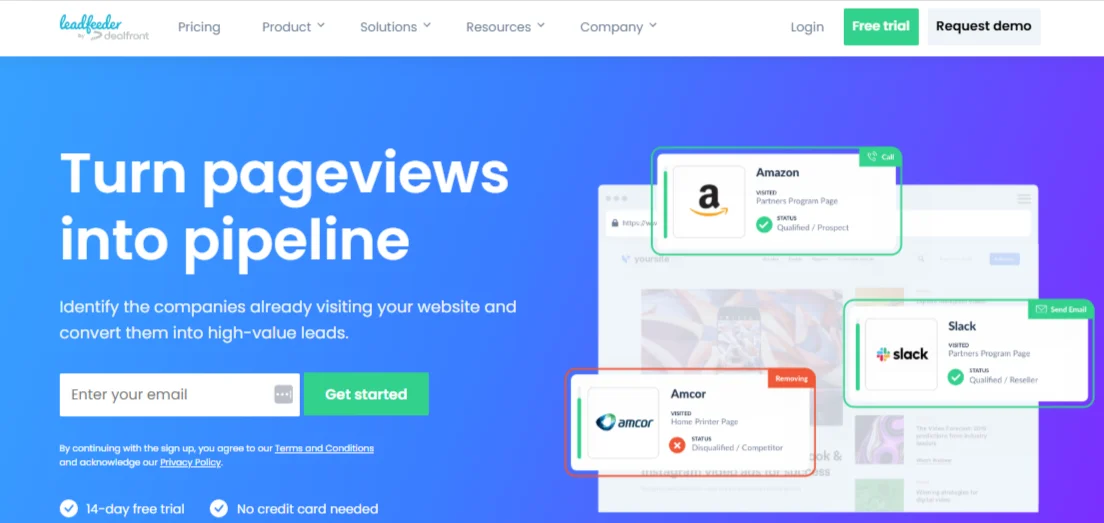
Leadfeeder identifies companies visiting your website and links their behavior to firmographic data.
- Cost: Paid plans, pricing varies by traffic volume
- Type: Customer data & B2B lead identification
- Key Features:
- Website visitor tracking
- Company-level identification
- CRM integrations
- Lead scoring insights
- Best For: B2B companies with high website traffic
- Pros & Cons:
- Pros: Clear intent signals
- Cons: Limited for low-traffic sites
- Integration: Works with major CRM platforms
2. LeadPages
LeadPages focuses on creating high-converting landing pages for inbound lead capture.
- Cost: Paid subscription plans
- Type: Inbound lead generation
- Key Features:
- Drag-and-drop landing page builder
- Conversion-optimized templates
- A/B testing
- Built-in forms
- Best For: Small businesses and creators
- Pros & Cons:
- Pros: Easy to use
- Cons: Limited CRM functionality
- Integration: Email tools and analytics platforms
3. HubSpot CRM
HubSpot CRM combines lead generation, marketing automation, and sales tracking in one platform.
- Cost: Free core CRM with paid upgrades
- Type: Marketing automation & CRM
- Key Features:
- Contact and lead management
- Email tracking
- Lead scoring
- Marketing automation
- Best For: Growing businesses
- Pros & Cons:
- Pros: Strong free tier
- Cons: Costs increase with scale
- Integration: Extensive third-party ecosystem
4. Intercom
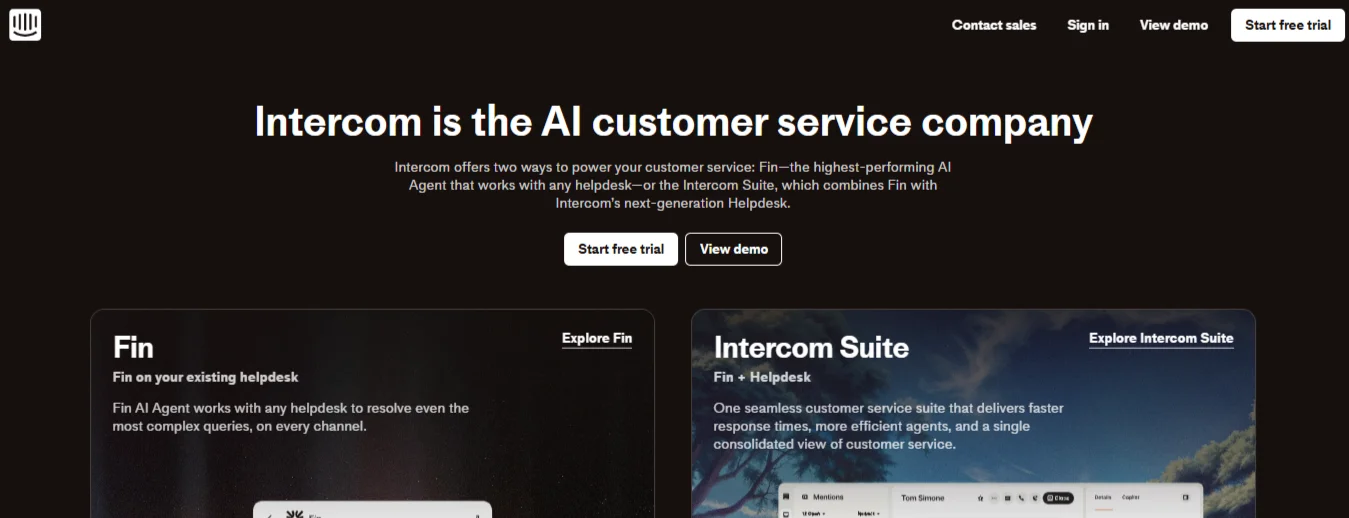
Intercom uses conversational messaging to capture and qualify leads in real time.
- Cost: Paid plans based on usage
- Type: Inbound conversational marketing
- Key Features:
- Live chat and chatbots
- Automated lead qualification
- In-app messaging
- Behavioral targeting
- Best For: SaaS companies
- Pros & Cons:
- Pros: Real-time engagement
- Cons: Premium pricing
- Integration: CRM and support tools
5. ActiveCampaign
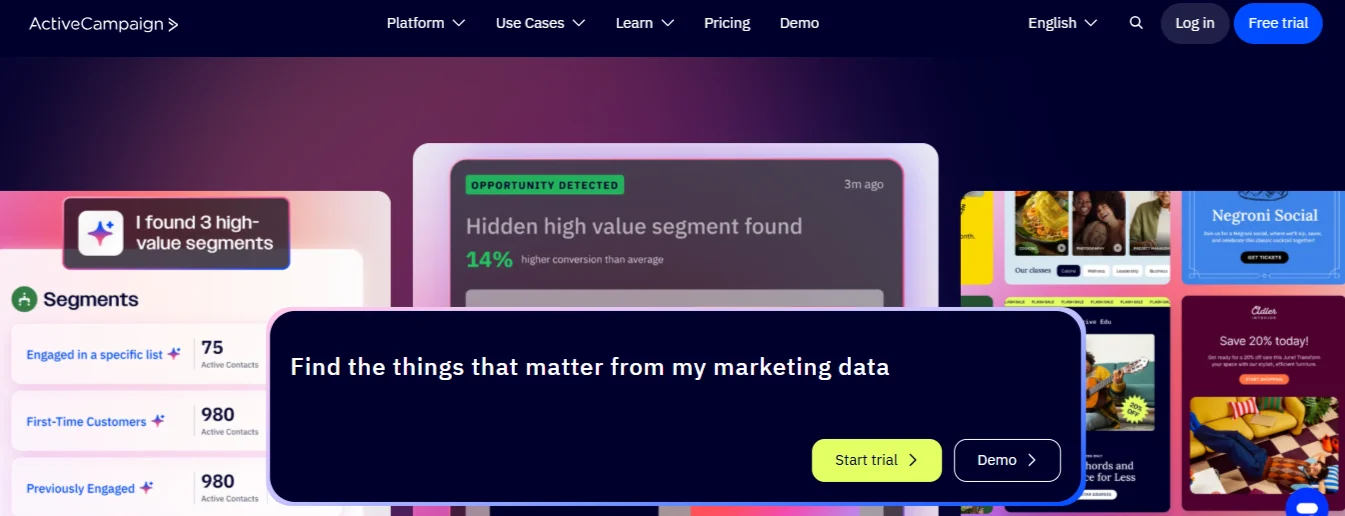
ActiveCampaign combines outbound email automation with lead nurturing workflows.
- Cost: Tiered pricing plans
- Type: Outbound & automation
- Key Features:
- Email automation
- CRM functionality
- Lead scoring
- Behavioral triggers
- Best For: Email-driven businesses
- Pros & Cons:
- Pros: Powerful automation
- Cons: Learning curve
- Integration: CRM and ecommerce platforms
6. Hotjar
Hotjar helps understand how users interact with your website.
- Cost: Free and paid plans
- Type: Customer data management
- Key Features:
- Heatmaps
- Session recordings
- Feedback tools
- Funnel analysis
- Best For: UX optimization teams
- Pros & Cons:
- Pros: Visual insights
- Cons: No direct lead capture
- Integration: Analytics and CMS tools
7. Drift
Drift focuses on conversational lead capture.
- Cost: Paid plans
- Type: Inbound conversational tools
- Key Features:
- AI chatbots
- Lead qualification
- Meeting scheduling
- Account-based targeting
- Best For: B2B sales teams
- Pros & Cons:
- Pros: Faster lead qualification
- Cons: Higher cost
- Integration: CRM platforms
8. SMARTe / UpLead
SMARTe and UpLead specialize in data enrichment and B2B contact discovery.
- Cost: Subscription-based
- Type: Data enrichment
- Key Features:
- Verified contact data
- Firmographic insights
- Data filtering
- Export capabilities
- Best For: Outbound sales teams
- Pros & Cons:
- Pros: High data accuracy
- Cons: Not engagement-focused
- Integration: CRM systems
9. Pipedrive
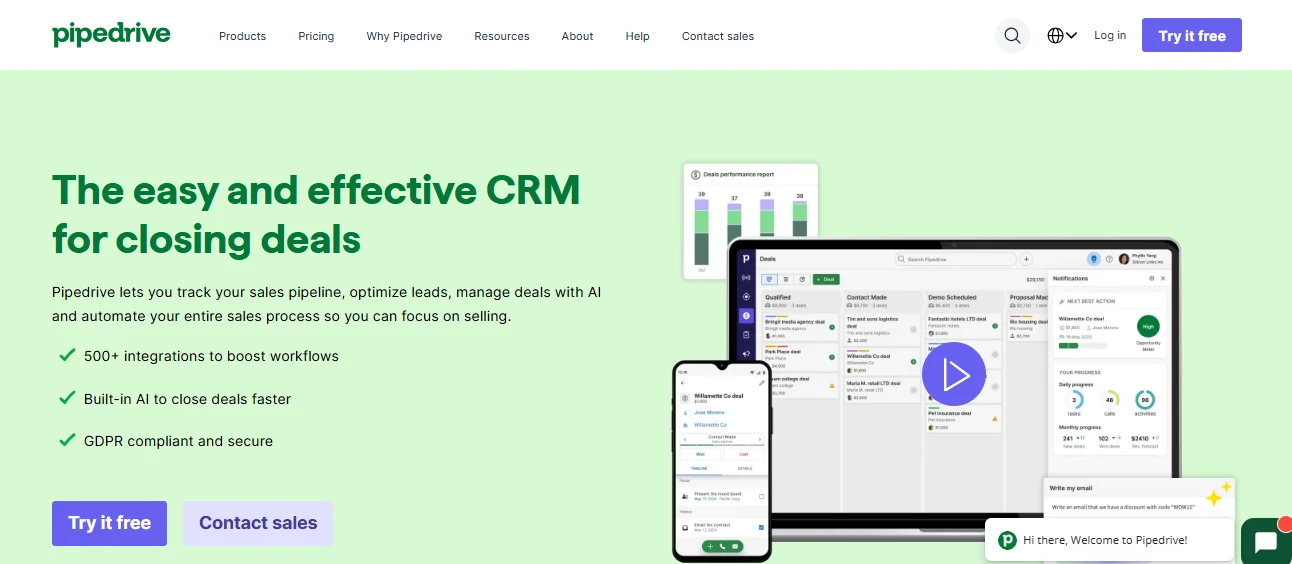
Pipedrive is a sales-focused CRM designed for pipeline visibility.
- Cost: Paid plans
- Type: CRM & pipeline management
- Key Features:
- Visual sales pipelines
- Activity tracking
- Lead scoring
- Automation tools
- Best For: Sales-driven teams
- Pros & Cons:
- Pros: Easy to use
- Cons: Limited marketing automation
- Integration: Marketing and email tools
10. LinkedIn Sales Navigator
LinkedIn Sales Navigator helps identify and engage decision-makers.
- Cost: Paid subscription
- Type: Outbound social selling
- Key Features:
- Advanced lead search
- Account insights
- InMail messaging
- CRM sync
- Best For: B2B prospecting
- Pros & Cons:
- Pros: Accurate professional data
- Cons: Platform-specific
- Integration: CRM platforms
11. Google Ads
Google Ads generate intent-based leads through paid search.
- Cost: Pay-per-click
- Type: Paid advertising
- Key Features:
- Search intent targeting
- Conversion tracking
- Keyword bidding
- Landing page integration
- Best For: High-intent lead capture
- Pros & Cons:
- Pros: Immediate visibility
- Cons: Cost-sensitive
- Integration: Analytics and CRM tools
12. Facebook Lead Ads
Meta Lead Ads allow users to submit information without leaving the platform.
- Cost: Paid advertising
- Type: Social paid lead capture
- Key Features:
- Pre-filled lead forms
- Audience targeting
- Mobile optimization
- CRM sync
- Best For: B2C and local businesses
- Pros & Cons:
- Pros: Low friction
- Cons: Lead quality varies
- Integration: CRM platforms
13. Unbounce
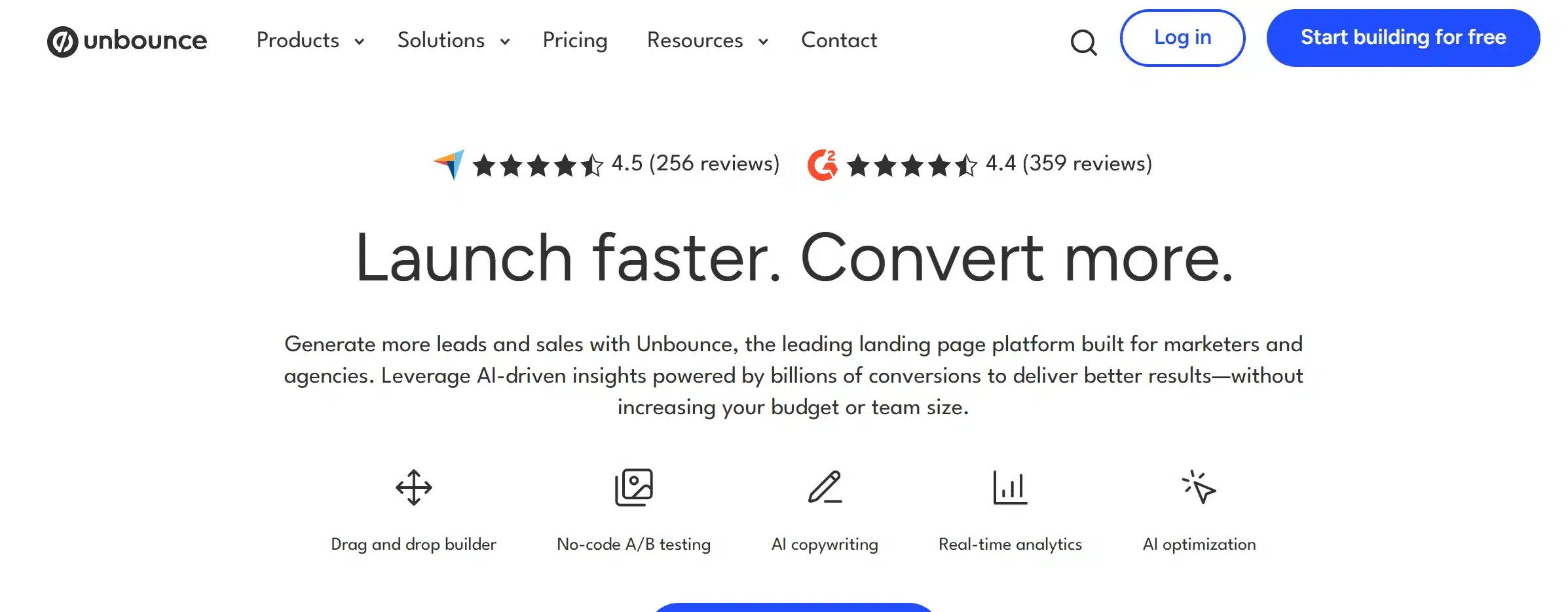
Unbounce focuses on conversion-optimized landing pages.
- Cost: Paid plans
- Type: Inbound lead capture
- Key Features:
- A/B testing
- Dynamic text replacement
- Conversion analytics
- AI optimization
- Best For: Performance marketers
- Pros & Cons:
- Pros: High conversion focus
- Cons: No CRM
- Integration: Email and analytics tools
14. OptinMonster
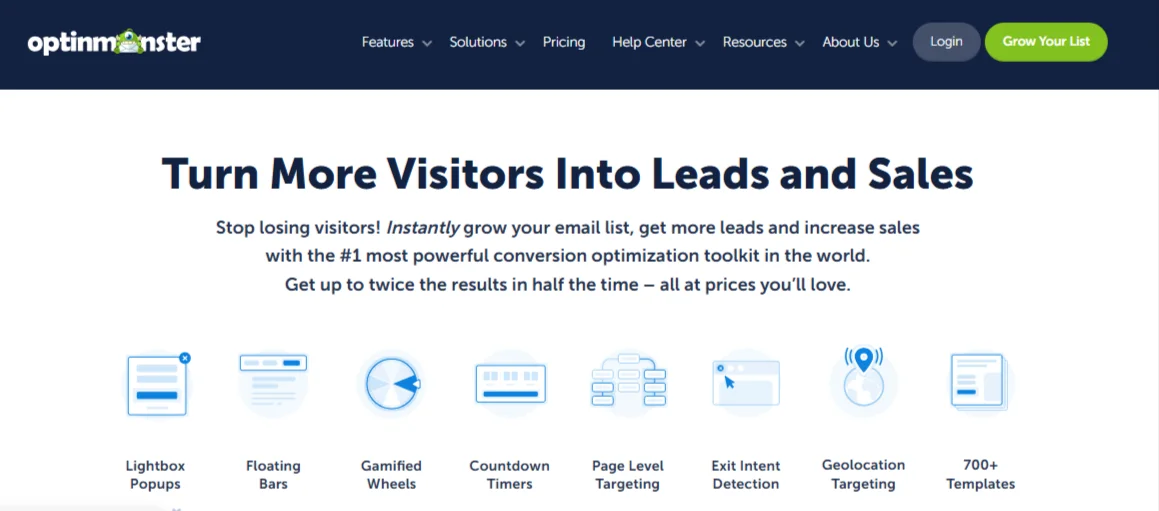
OptinMonster specializes in on-site lead capture.
- Cost: Subscription-based
- Type: Inbound lead generation
- Key Features:
- Exit-intent popups
- Behavioral targeting
- A/B testing
- Analytics
- Best For: Content-heavy websites
- Pros & Cons:
- Pros: Proven conversion tools
- Cons: Popup dependency
- Integration: Email marketing platforms
15. MobileMonkey
MobileMonkey enables multi-channel chatbot lead capture.
- Cost: Free and paid plans
- Type: Outbound & conversational
- Key Features:
- Chatbots for Messenger and SMS
- Automated responses
- Lead qualification
- CRM sync
- Best For: Messaging-first strategies
- Pros & Cons:
- Pros: High engagement
- Cons: Channel limitations
- Integration: CRM and messaging tools
Comparison Table
| Tool Name | Cost | Best For | Type | Free Trial |
| Leadfeeder | Paid | B2B traffic analysis | Data enrichment | Yes |
| LeadPages | Paid | Landing pages | Inbound | Yes |
| HubSpot CRM | Free + Paid | All-in-one CRM | Automation | Yes |
| Intercom | Paid | Conversational leads | Inbound | Yes |
| ActiveCampaign | Paid | Email automation | Outbound | Yes |
| Hotjar | Free + Paid | UX insights | Data | Yes |
| Drift | Paid | Chat-based leads | Inbound | No |
| SMARTe | Paid | Contact data | Data | No |
| Pipedrive | Paid | Sales pipelines | CRM | Yes |
| LinkedIn Sales Navigator | Paid | B2B outreach | Outbound | Yes |
| Google Ads | PPC | Search intent | Paid ads | No |
| Facebook Lead Ads | PPC | Social leads | Paid ads | No |
| Unbounce | Paid | Conversion pages | Inbound | Yes |
| OptinMonster | Paid | On-site capture | Inbound | Yes |
| MobileMonkey | Free + Paid | Chatbots | Outbound | Yes |
How to Choose the Right Tool for Your Business
Selecting the right lead generation tool depends on multiple factors:
- Budget constraints
- Team size and operational complexity
- Inbound versus outbound sales strategy
- CRM and software integrations
- Scalability needs
- B2B or B2C focus
Lead Generation Best Practices
Effective lead generation requires more than one tool:
- Combine inbound and outbound platforms
- Automate follow-ups and nurturing
- Use lead scoring to prioritize prospects
- Follow data privacy and consent regulations
- Track ROI using measurable KPIs
Common Mistakes to Avoid
- Relying on a single lead source
- Ignoring data quality and validation
- Capturing leads without nurturing
- Overlooking mobile optimization
- Failing to track conversions properly
Conclusion
Lead generation success in 2026 depends on using the right combination of tools and strategies. No single platform solves every challenge, but when aligned with clear goals and workflows, lead generation tools significantly improve efficiency and conversion outcomes.
The next step is to evaluate your current process, identify gaps, and test tools that align with your business model. Most platforms offer free trials, making it easier to experiment before committing.

Passionate about blogging and focused on elevating brand visibility through strategic SEO and digital marketing. Always tuned in to the latest trends, I’m dedicated to maximizing engagement and delivering measurable ROI in the dynamic world of digital marketing. Let’s connect and unlock new opportunities together!