



SMBs typically face the same growth pressure as larger brands, but with fewer people, less time, and tighter budgets. The most reliable path forward is building a marketing mix that strengthens discoverability, improves trust, and creates repeatable lead flow across owned and paid channels. The sections below break down seven marketing activities that can be planned, executed, and measured systematically in 2026.
7 Essential Marketing Activities For SMB Growth
1. AI-Powered Personalization & Content Automation
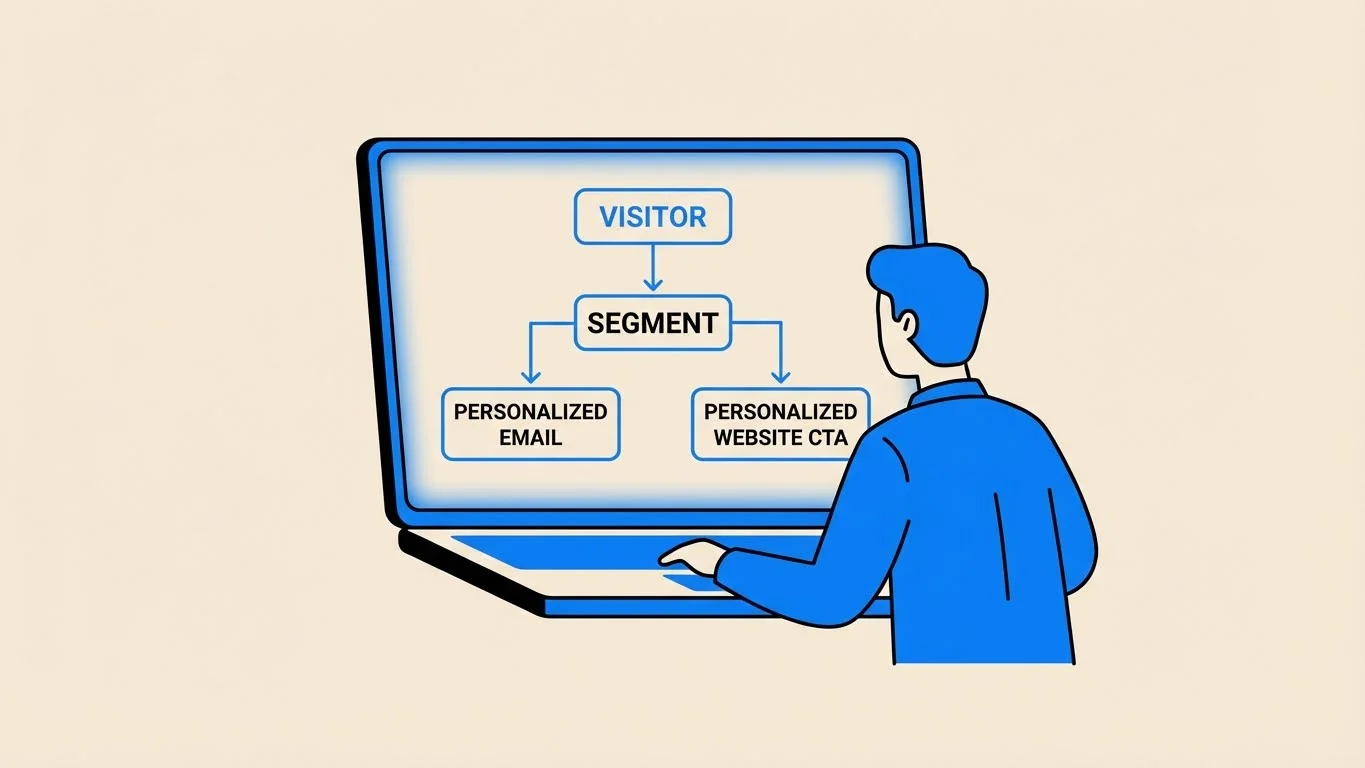
AI-powered personalization and content automation help SMBs reduce manual workload while delivering more relevant experiences at scale. The core idea is simple: use data (what people browse, click, ask, and buy) to tailor messages and content so prospects see what matters most to them at the right time.
What It Is
AI-powered personalization refers to using software to adjust content, messaging, or recommendations based on audience attributes or behavior, rather than showing the same message to everyone. Automation refers to running repetitive marketing workflows (like follow-ups, nurture sequences, and segment-specific campaigns) without manual triggering every time.
How To Implement It
- Start with data you already have: website pages visited, form fills, email clicks, and purchase history (if applicable).
- Build a small set of segments that match business reality (for example: “new lead,” “pricing page visitor,” “past customer,” “high-intent inquiry”).
- Apply personalization where it matters most:
- Website: adjust CTAs and recommended content for returning visitors.
- Email: send behavior-triggered sequences instead of one-size newsletters.
- Ads: retarget visitors with offers that match the page they viewed.
- Automate simple workflows first (welcome series, lead nurturing, post-purchase follow-up), then expand once tracking is stable.
Expected Results & ROI
Personalization and automation are most useful when they increase efficiency and consistency, not when they add complexity. The outcomes to track are engagement and conversion indicators already available in most analytics stacks: email clicks, landing page conversion rate, lead-to-opportunity rate, and cost per lead.
2. Short-Form Video Marketing

Short-form video marketing uses brief videos to educate, build trust, and earn attention on platforms where users scroll quickly. It tends to work well for SMBs because it can be produced with simple setups while still building strong reach and engagement.
Why Video Matters for SMBs
Short-form formats can help SMBs communicate value quickly and show proof (people, products, locations, outcomes) in a way static content often cannot. Industry reporting frequently highlights the growth of video consumption and the strong engagement performance of short videos, including statistics citing high engagement rates for sub-one-minute videos and a broader shift toward video-heavy internet traffic in 2025.
Content Types That Work
- 15–45 second explainers: “What this service includes” or “How this solves X.”
- Customer proof: testimonials, reviews read-outs, case snapshots (with permission).
- Before/after transformations: results visuals, process clips, walkthroughs.
- Founder-led credibility: “why we started,” “how we work,” “what to expect.”
- Micro-education: quick tips tied to the service category.
Implementation Strategy
- Keep production lightweight: phone camera, natural light, quiet background, clear audio.
- Create a repeatable series:
- One “tip” series per week.
- One “proof” series per week.
- One “behind-the-scenes” series per week.
- Repurpose across platforms by formatting to each channel’s specs (vertical, captions, concise hooks).
- Track performance using native analytics: views, watch time, profile visits, link clicks, and inquiry volume.
3. Local SEO & Google Business Profile Optimization
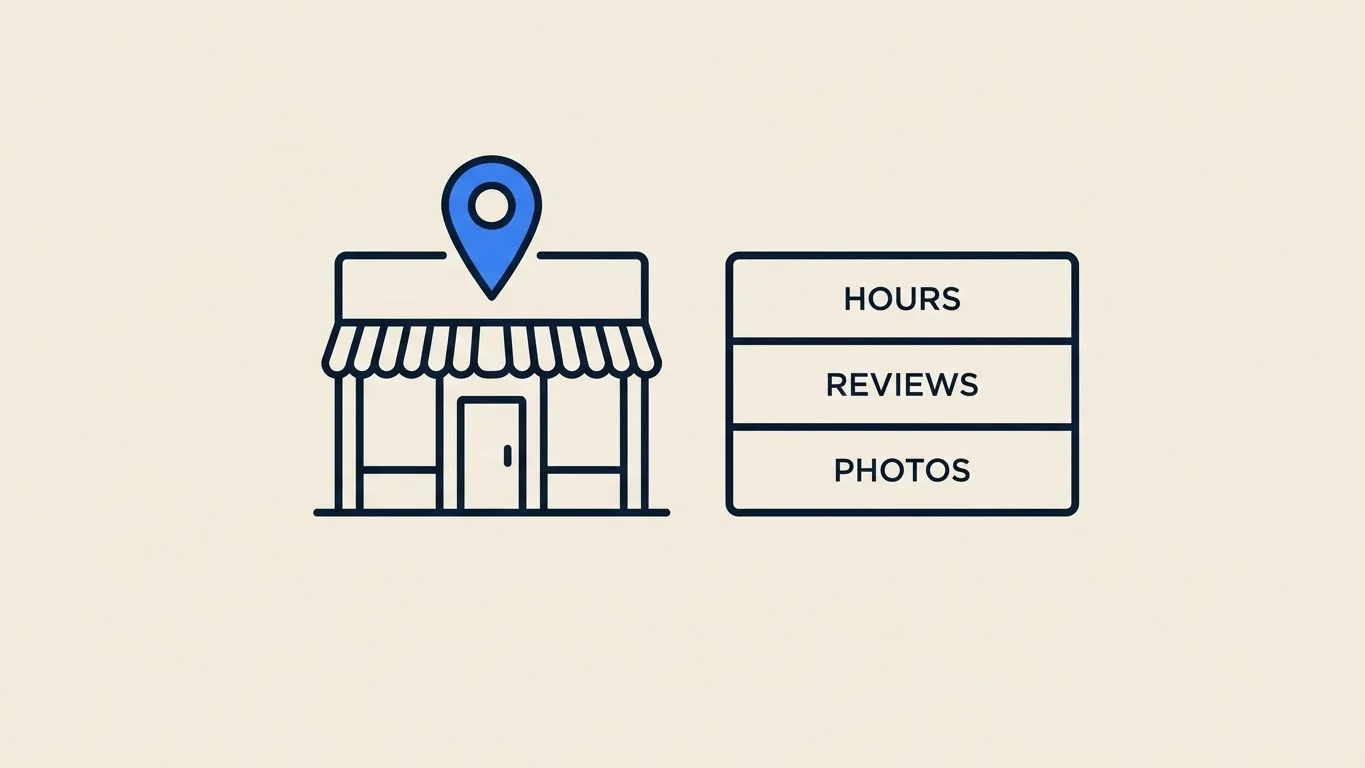
Local SEO and Google Business Profile (GBP) optimization help nearby customers find an SMB when they search on Google Search and Google Maps. This activity is especially critical for service-area businesses and location-based businesses because high local visibility can turn into calls, direction requests, and visits.
Importance for SMB Growth
Google’s guidance explains that local results are influenced by relevance, distance, and prominence, and that businesses can use a Business Profile to improve local ranking . Google also notes that prominence relates to how well-known a business is and can be influenced by factors like links, review volume, and ratings .
Core Activities
- Make business information complete and accurate in GBP (address, phone, category, attributes), because Google indicates complete and accurate information improves likelihood of appearing in local results .
- Verify the business profile, which Google describes as a way to confirm authorization to represent the business and improve visibility in results .
- Maintain updated hours (including special hours), which Google recommends to help customers understand availability .
- Respond to reviews, since Google states that replying shows you value feedback and that positive reviews and helpful replies can help the business stand out .
- Add photos and videos, which Google recommends to showcase what you offer and “tell the story” of the business .
Quick Wins
- Tighten category selection and service descriptions so the listing matches real search intent (relevance).
- Publish new photos regularly to keep the profile fresh (visual trust signals) .
- Create a lightweight process for review requests and timely responses, since review signals and responses are explicitly encouraged by Google for standing out locally .
4. Email Marketing with Hyper-Personalization
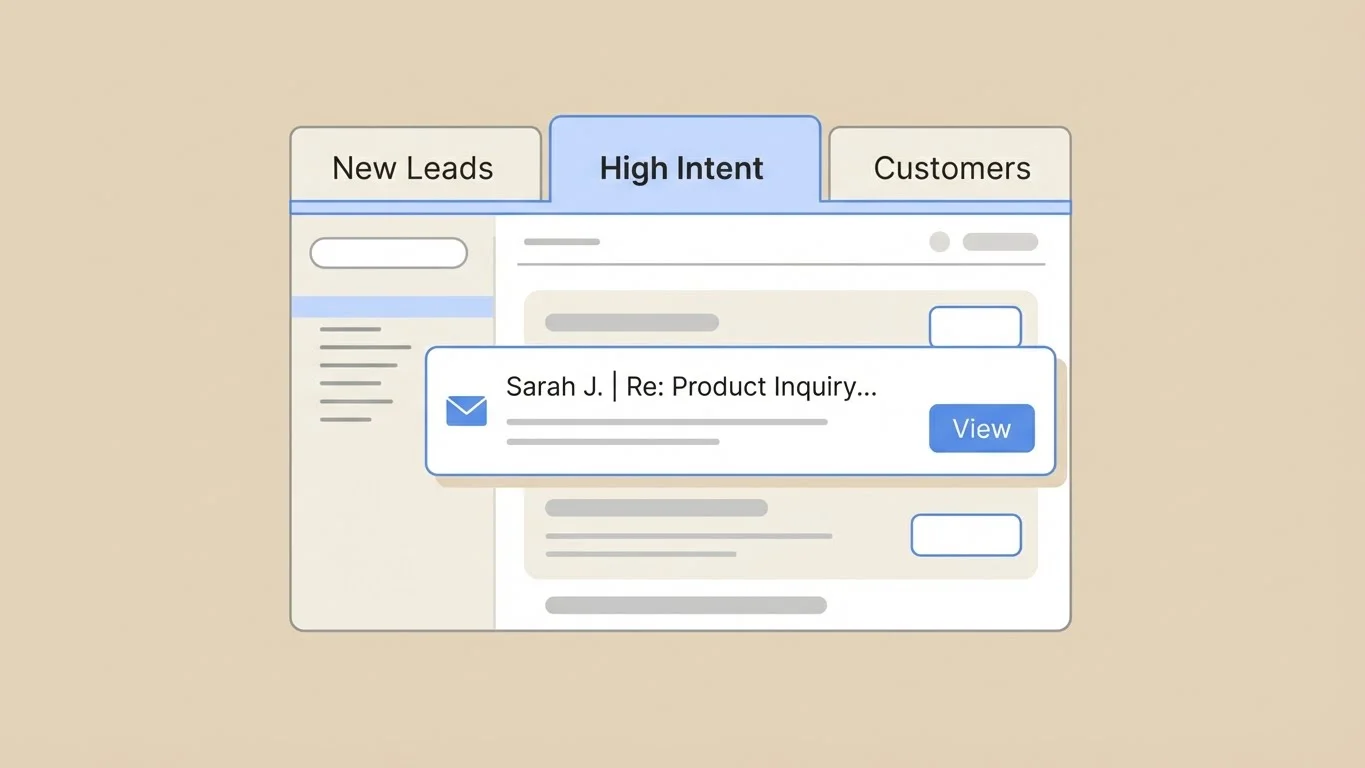
Email marketing remains a high-control channel because the business owns the list and can communicate without depending entirely on algorithmic reach. Hyper-personalization upgrades email from “broadcast” to “behavior-based messaging” that reflects what each contact actually needs.
Why Email Remains High-ROI
EmailTooltester’s compiled industry reporting states that the average email marketing ROI is about $36 earned for every $1 spent, with higher returns in some sectors (e.g., retail/ecommerce) . Their analysis also notes that sending frequency can influence ROI, with a reported sweet spot of 5–8 emails per month for higher ROI in their referenced data .
Segmentation & Automation Strategies
- Segment by lifecycle stage:
- New subscriber
- Marketing-qualified lead
- High-intent lead (pricing/demo/quote)
- Customer
- Lapsed customer
- Segment by behavior where possible:
- Clicked specific service category
- Downloaded a guide
- Abandoned an inquiry form
- Use automation for common journeys:
- Welcome series for new subscribers
- Nurture series for leads not ready to buy
- Post-purchase education and upsell
- Use dynamic content when the platform supports it, since EmailTooltester reports higher ROI associated with frequent use of dynamic content in emails in their referenced datasets .
Best Practices for SMBs
- Keep list growth permission-based (opt-in) and avoid purchased lists to protect deliverability.
- A/B test one variable at a time (subject line, CTA, offer format) and document outcomes.
- Measure consistently:
- Conversion rate from email to lead/sale
- Revenue attributed to email campaigns (where tracking exists)
- Unsubscribe rate and spam complaints (list health)
5. Social Commerce & Micro-Influencer Partnerships
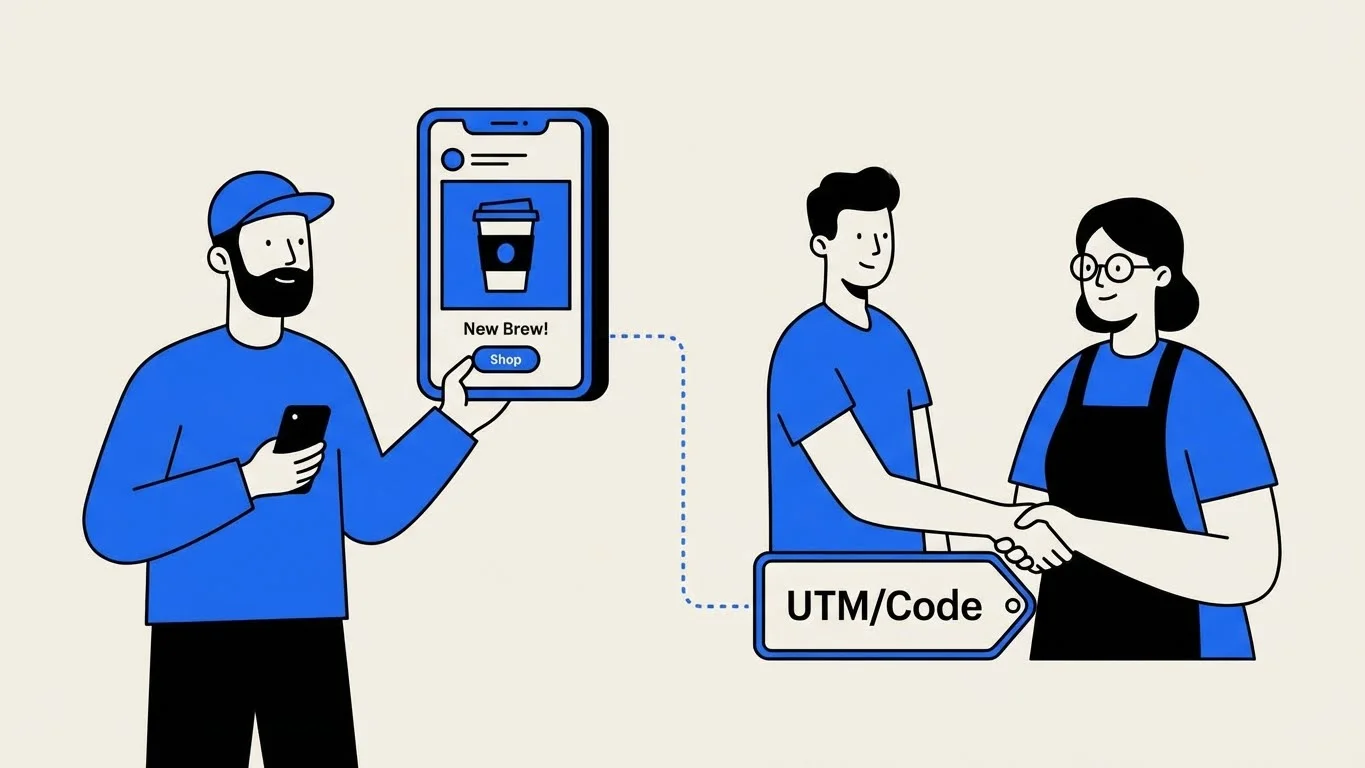
Social commerce and micro-influencer partnerships aim to reduce friction between discovery and purchase (or inquiry). For SMBs, the advantage is speed: social content can drive immediate action, and smaller creators can deliver trust within niche communities.
The Rise of Social Commerce
Social platforms increasingly support native shopping and product discovery experiences, encouraging users to move from browsing to buying (or at least to product consideration) without leaving the app. This makes social channels more than awareness tools—they can be part of a measurable conversion path when tracking is set up properly.
Micro-Influencer Strategy
Micro-influencers are often preferred by SMBs because partnerships can be more affordable and more targeted than large creator sponsorships. The key is fit and authenticity: creators should match the audience and product category, and the content should reflect realistic use rather than generic promotion.
Implementation Steps
- Define one objective per campaign:
- Sales (tracked via code/affiliate link)
- Leads (tracked via landing page + UTM)
- Store visits (tracked via “mention” offer + GBP insights where possible)
- Build a short outreach checklist:
- Audience geography relevance
- Content quality and consistency
- Past brand partnership tone
- Engagement patterns (comments quality, not just likes)
- Set clear deliverables in writing:
- Number of posts/videos
- Usage rights (if any)
- Timeline and approvals
- Tracking method (UTMs, codes)
6. Strategic Paid Advertising (PPC & Social Ads)
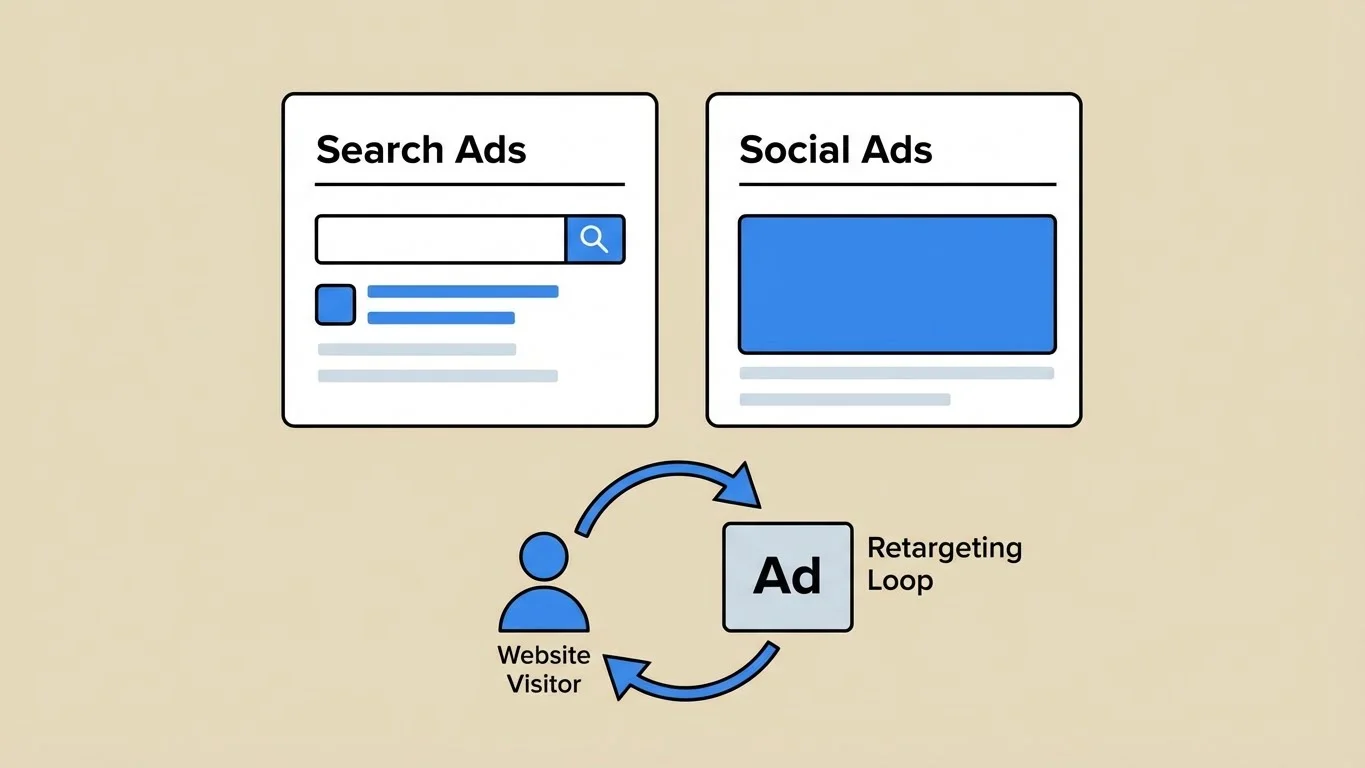
Strategic paid advertising is the fastest way to generate targeted demand when organic channels are still ramping up. For SMBs, “strategic” means matching ad spend to intent and measurement—so paid campaigns become predictable and improvable instead of expensive guesswork.
Choosing the Right Channels for 2026
Channel choice should map to customer intent:
- Search ads (high intent): capture demand when people actively search for solutions.
- Social ads (interest + retargeting): build demand and retarget engaged visitors.
- Video ads: useful for awareness and remarketing when short-form creatives are available.
Budget-Smart Tactics
- Start with a test budget and validate:
- One core offer
- One landing page
- One primary conversion (lead form, call, purchase)
- Use retargeting to reduce waste by focusing on warm audiences (site visitors, video viewers, engaged social users).
- Separate campaigns by intent (brand search vs non-brand search, remarketing vs prospecting) so performance is diagnosable.
Metrics That Matter
- Cost per lead (CPL) or cost per acquisition (CPA) based on the primary conversion.
- Conversion rate by landing page (page-level efficiency).
- Return on ad spend (ROAS) where direct revenue tracking exists.
- Lead quality indicators (qualified rate, close rate) if CRM tracking is available.
7. Content Marketing & Thought Leadership
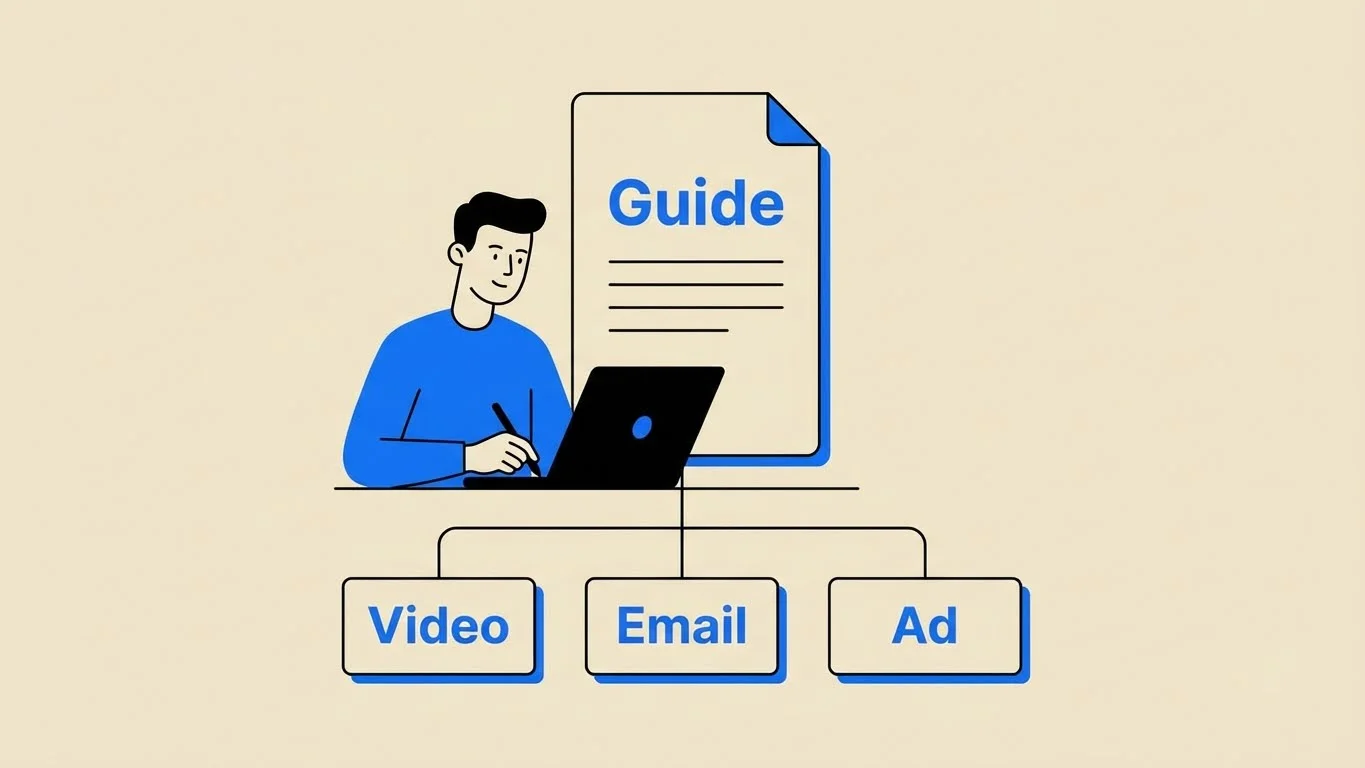
Content marketing and thought leadership create compounding visibility over time by answering customer questions, building credibility, and supporting other channels (email, ads, sales enablement). For SMBs, the goal is not “more content”—it’s content tied to revenue-driving topics and local/service demand.
Building Authority Through Content
- Start with customer-intent themes:
- “Best [service] for [use case]”
- “Cost of [service]”
- “Alternatives to [competitor/category]”
- “How to choose [solution]”
- Publish supporting assets:
- Service pages that clearly explain deliverables, process, and outcomes
- FAQs based on real sales calls and objections
- Optimize content for discoverability:
- Clear headings, internal links, and updates as offerings change
Thought Leadership Activities
- Webinars and workshops that explain a specific problem and solution (lead capture + credibility).
- Industry checklists, templates, and practical guides (downloadable assets).
- Founder/operator posts on LinkedIn focused on lessons, results, and processes.
Integration with Other Activities
- Repurpose one strong topic into multiple formats:
- Blog post → short-form video scripts → email sequence → ad creatives
- Use content to improve paid performance:
- Educational content for cold audiences
- Case studies and proof for retargeting
- Use content to support local SEO:
- Location pages and locally relevant FAQs that align with services and GBP visibility signals .
Quick Implementation Roadmap
This roadmap organizes the seven activities into an execution sequence so SMBs can build a foundation first and scale responsibly.
- Month 1: Foundation (personas, UVP, GBP optimization, email list building)
- Month 2-3: Content & SEO (blog content, video production)
- Month 3-4: Paid & Partnerships (PPC campaigns, micro-influencer outreach)
- Month 4-6: Optimization & Scaling (testing, automation, results tracking)
Common Mistakes SMBs Make
Avoiding these mistakes keeps the seven activities effective and measurable.
- Ignoring mobile optimization and page speed (hurts conversion across all channels).
- Inconsistent business information across platforms (confuses customers and can weaken local discovery) .
- Not tracking conversions (leads/sales) consistently, which makes optimization difficult.
- Spreading budget too thin across too many channels before one channel is profitable.
- Skipping segmentation and sending generic email blasts instead of targeted sequences, even though industry analysis ties ROI improvements to better targeting and dynamic content usage .
FAQs
1. How much budget do SMBs need for marketing activities?
Budget depends on goals, category competition, and whether the focus is organic, paid, or blended. A practical approach is to start with a test budget for paid channels while building owned assets like GBP, email lists, and content that compound over time .
2. Which of these 7 activities should I start with?
For local and service SMBs, starting with Google Business Profile and local SEO is often foundational because it influences how the business appears on Maps and local Search results . Email and content become stronger once tracking, offers, and segmentation are set up, and paid ads can accelerate results when conversion measurement is in place .
3. How long before I see results?
Paid advertising can produce results quickly once campaigns and landing pages are set up, while content and local SEO typically build momentum over time as profiles, reviews, and pages accumulate signals . Email performance improves as segmentation and automation mature and the list grows with qualified contacts .
4. Can I combine these activities?
Yes—combining activities often improves efficiency because one asset can feed multiple channels (for example, content can become videos and email sequences, and paid ads can retarget content viewers). The key is to keep measurement consistent so the combined approach remains optimizable.
5. What tools do SMBs need?
At minimum, SMBs need analytics for conversion tracking, an email service provider for segmented sends, and access to Google Business Profile for local visibility management . As activity expands, adding automation features in email tools can support higher-efficiency workflows and potentially improve ROI outcomes reported in industry studies .
Conclusion
SMB growth in 2026 is most achievable when marketing activities are treated as a system: build discoverability, earn trust, capture leads, and keep improving with measurement. The seven activities above work best when implemented in a focused sequence, tied to clear offers, and reviewed regularly for performance. Start with the activity closest to revenue (local discovery and conversion tracking), then layer in content, email, partnerships, and paid campaigns as the system stabilizes.