



Summary
Indian Bank is a major public-sector bank in India with over a century of history, offering a wide range of services from retail banking to corporate finance. The bank manages thousands of branches and offices across India — from its corporate headquarters in Chennai to zonal and regional offices in major cities like Mumbai, Delhi-NCR, Kolkata, Bengaluru, Hyderabad and more.

Each Indian Bank office — whether the head office, a zonal or circle office — is responsible for specific functions like branch management, regulatory compliance, corporate banking, customer services, branch expansion, and regional oversight. This blog explores the structure of Indian Bank’s offices in India, highlights the key functions of major locations, provides addresses, and gives a comprehensive company overview.
By the end, you will get a clear understanding of how Indian Bank organises its nationwide presence to serve millions of customers, manage operations, and support financial inclusion across the country.
Company Overview
Indian Bank is a long-established public sector bank, founded in 1907. It is headquartered in Chennai, Tamil Nadu.
The bank caters to a wide range of financial needs — from savings and deposit accounts to retail loans, corporate banking, MSME financing, supply-chain finance, and digital banking. After the merger with Allahabad Bank in 2020, Indian Bank expanded its footprint significantly, becoming one of the larger nationalised banks in India.
As of 2026, Indian Bank has nearly 5,922 branches and over 5,466 ATMs/BNAs (Banking Note Acceptors) across India. The bank is owned by the Government of India and operates under the regulatory framework of the central government and the Reserve Bank of India.
Mission and Services
Indian Bank’s mission revolves around providing accessible banking services to all segments of society — from urban customers to rural and semi-urban areas. Its services include:
- Retail banking: savings accounts, fixed deposits, loans (home, personal, vehicle, education), credit cards
- MSME and corporate banking — supply-chain finance, trade finance, corporate loans
- Agricultural and rural credit schemes
- Digital banking products and services (netbanking, UPI, mobile banking)
- NRI banking, foreign currency banking units, international trade finance and remittances
Indian Bank also maintains a robust internal governance structure, ensuring compliance, transparency, and regulatory adherence — crucial for a public sector financial institution.
Indian Bank’s Office Structure in India
Indian Bank organises its presence through a multi-tiered office structure:
- Head Office / Corporate Office — central administration, policy, oversight.
- Zonal / Circle Offices — regional management of multiple branches within a zone or circle.
- Field General Manager Offices (FGMOs) and Regional Branch offices — local oversight at district or city levels.
- Branches and ATMs / BNAs — customer-facing points, numbering nearly 6,000.
Each level specializes in functions from corporate governance and product policy (at Head Office) to regional branch supervision, customer service, loan processing and compliance (at zonal and branch level).
Major Indian Bank Offices and Their Functions
Below are some of the prominent Indian Bank offices across India — their addresses, and the key functions they perform.
Indian Bank Corporate / Head Office — Chennai, Tamil Nadu
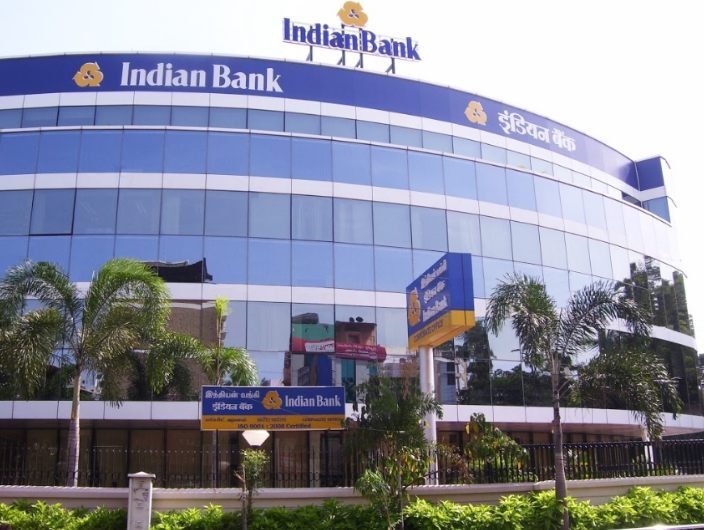
The head office of Indian Bank oversees overall corporate governance, strategic planning, product development, regulatory liaison, large-scale financial management, and centralised control of operations. This is the nerve-centre from which national policies, lending strategies, risk management protocols, and digital banking initiatives are driven.
Address
Indian Bank Head Office
No. 66, Rajaji Salai,
Chennai (Madras), Tamil Nadu – 600001, India
Core Functions
- Policy formulation and strategic planning for bank operations nationwide
- Oversight of merged entities (post-Allahabad Bank merger) and integration of systems across branches
- Management of high value corporate banking, foreign exchange, and international correspondence
- Centralised coordination for digital banking, deposit and loan product roll-outs
- Regulatory compliance, corporate governance, and financial reporting
Significance
As the primary administrative hub, this office ensures uniformity in banking standards, regulatory compliance, financial stability, and strategic direction — providing stability and structure to the entire Indian Bank network across India.
Indian Bank Zonal Office – Mumbai (West)

To manage its presence in Maharashtra and western India, Indian Bank maintains zonal offices. One significant zonal office is in Mumbai (West), overseeing multiple branches in the region including metropolitan and suburban areas.
Address
Manish Commercial Centre,
216-A Dr. Annie Besant Road,
Worli, Mumbai, Maharashtra – 400025
Key Functions
- Oversight and supervision of multiple branches in the zone — ensuring compliance, audits, and standard banking protocols
- Handling regional corporate and commercial banking operations
- Coordination of loan disbursement, SME financing, and customer services for urban and semi-urban clientele
- Acting as a point of escalation for higher-value transactions, regulatory approvals, or customer grievances
Significance
This zonal office ensures that a large cluster of branches operates smoothly, maintaining service standards and facilitating major banking needs in a key economic region of Western India.
Also Read: EY Offices in India
Indian Bank Zonal Office – Delhi NCR (Circle / Zonal Office)
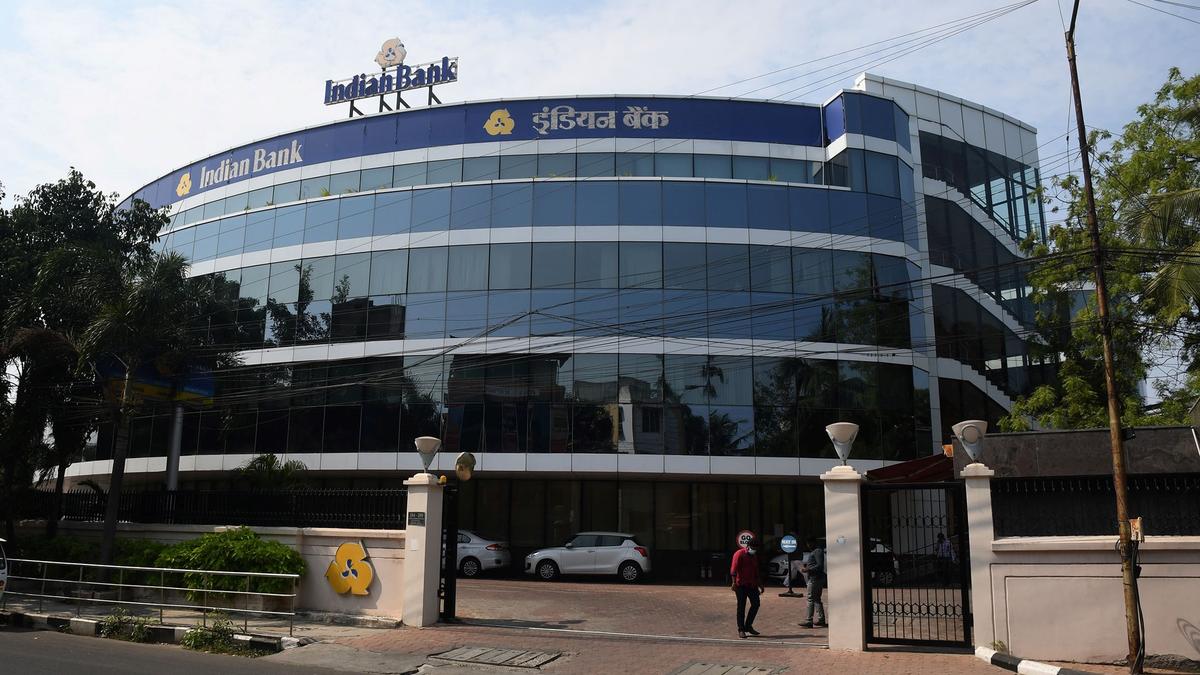
Delhi NCR being the national capital region and an economic hub requires dedicated supervision for Northern India’s banking operations. Indian Bank runs a zonal office here to manage branches, compliance, customer services, and regional banking initiatives.
Address
Zonal Office Delhi NCR
2nd Floor, 17, Parliament Street,
New Delhi – 110001, India
Key Functions
- Management of branches and banking services across Delhi NCR — deposits, loans, NRI banking, and more
- Oversight of regulatory compliance, high-value transactions, and customer grievance redressal
- Coordinating centralised services such as new account processing, KYC compliance, credit disbursement, and other country-wide schemes
- Supporting pan-India network expansion and urban banking infrastructure
Significance
The Delhi NCR zonal office ensures Indian Bank’s presence in India’s political and administrative hub remains robust, and supports diverse clientele including government employees, NRI customers, corporates and retail clients.
Indian Bank Circle Office – Kolkata (Eastern India Region)

For east and northeast regions of India, Indian Bank operates circle offices which manage branch networks, regional banking services, and financial inclusion efforts across multiple states. The Kolkata circle office is a major point of contact for eastern India.
Address
Circle Office Kolkata
3/1 R. N. Mukherjee Road,
Kolkata, West Bengal – 700001, India
Key Functions
- Supervising branches across West Bengal and eastern states — deposit mobilisation, rural banking, inclusive schemes
- Facilitating trade and remittances, NRI banking services through correspondent banking relationships abroad (since Indian Bank has international correspondent network)
- Managing non-performing assets, loan recoveries, and regulatory compliance
- Ensuring inclusive banking: financial services to rural, semi-urban clients, small businesses and MSMEs
Significance
This office plays a critical role in maintaining banking services in eastern India and ensuring financial access to remote and rural areas, aligning with Indian Bank’s inclusive banking mission.
Indian Bank Circle Office – Bengaluru (Southern / Karnataka Region)
Indian Bank also maintains circle offices to oversee southern India’s banking operations based in metros like Bengaluru. This office supervises branches, supports digital banking adoption, and ensures banking services in urban and semi-urban zones.
Typical Functions
- Supervision of retail banking, home loans, auto loans, and customer services
- Overseeing MSME financing, corporate loans, supply-chain finance for regional businesses
- Digitization efforts: helping branches adopt digital banking, net banking, mobile banking, UPI, etc.
- Ensuring compliance with regulatory norms and RBI guidelines
Significance
The Bengaluru circle office helps Indian Bank maintain footprint in southern India’s growing urban markets — supporting both retail and business banking needs in a technology-savvy region.
How Indian Bank’s Office Network Works
Indian Bank’s structure ensures a hierarchical yet integrated network of offices:
- The Head Office in Chennai sets strategic direction, policies, and oversees national-level banking frameworks.
- Multiple Zonal and Circle Offices across major regions (North, East, West, South) supervise clusters of branches, ensure regulatory compliance, and support large-scale operations.
- Field and Branch Offices deliver core banking services — deposits, withdrawals, loans, customer service — directly to retail customers and local businesses.
- Support Services including NRI banking, correspondent banking, and rural financial inclusion are coordinated through Circle/Zonal offices linking with Head Office.
This structure allows Indian Bank to manage nearly 6,000 branches efficiently, maintain consistent service standards, and adapt to regional banking needs.
Why Indian Bank Stands Out
- Long legacy since 1907 — over a century of banking knowledge and experience.
- Pan-India presence: thousands of branches and ATMs making banking accessible nationwide.
- Wide variety of services — retail banking, MSME banking, corporate banking, loans, deposits, digital banking, NRI services.
- Government backing — as a nationalised bank under Government of India, with stability and trust among customers.
- Post-merger with Allahabad Bank, expanded reach and resources, reinforcing strength and outreach.
FAQs
What is the headquarters address of Indian Bank?
The headquarters is located at No. 66, Rajaji Salai, Chennai – 600001. =
How many branches does Indian Bank have in India?
Indian Bank has around 5,922 branches and more than 5,466 ATMs/BNAs across India.
Does Indian Bank have a presence in metros outside Tamil Nadu?
Yes — Indian Bank has zonal and circle offices in Mumbai, Delhi NCR, Kolkata, Bengaluru, and many other states, covering urban and rural areas.
What kind of services does Indian Bank provide?
The bank offers savings and current accounts, fixed deposits, personal loans, housing loans, vehicle loans, MSME finance, corporate lending, digital banking, NRI banking, trade finance, and more.
Where is the Indian Bank zonal office in Mumbai located?
One of the zonal offices (Mumbai — West) is located at Manish Commercial Centre, 216-A Dr. Annie Besant Road, Worli, Mumbai – 400025.
Which office handles banking operations in Delhi NCR?
The Zonal Office Delhi NCR at 17 Parliament Street, New Delhi – 110001 manages operations in the region.
Does Indian Bank support rural and agriculture banking?
Yes — one of Indian Bank’s key mandates has been rural and agricultural banking, providing loans and services to farmers, rural businesses, and underbanked populations. Indian Bank+1
Is Indian Bank a private bank?
No, Indian Bank is a nationalised public sector bank owned by the Government of India.
Conclusion
Indian Bank has successfully built and maintained a vast and robust network of offices, branches, and service points across India. From the corporate headquarters in Chennai to zonal offices in Mumbai, Delhi, Kolkata, and regional circle offices in southern, eastern, northern and western India, the bank covers an extensive footprint that enables it to serve millions of customers across demographics and geographies.
Its multi-tiered office structure ensures efficient branch supervision, consistent service standards, regulatory compliance, and seamless delivery of diverse banking products — ranging from retail savings to corporate credit and digital banking solutions.
For individuals and businesses alike, Indian Bank remains a trusted institution for dependable banking services, financial inclusion, and nationwide coverage — offering a balance between legacy trust and modern banking convenience.

An avid blogger, dedicated to boosting brand presence, optimizing SEO, and delivering results in digital marketing. With a keen eye for trends, he’s committed to driving engagement and ROI in the ever-evolving digital landscape. Let’s connect and explore digital possibilities together.