



In the ever-evolving world of business, companies continuously seek innovative ways to grow their reach and sales. One powerful method gaining momentum is channel partner marketing — a collaborative strategy that enables businesses to work with external partners to promote and sell their products or services. This approach benefits manufacturers, channel partners, and customers by leveraging shared expertise, resources, and networks for mutual growth.

This comprehensive guide will explain what channel partner marketing is, why it matters, and walk you through five proven strategies to build a successful channel partner marketing program for your business.
What is Channel Partner Marketing?
Channel partner marketing represents the methods and efforts a company uses to market and sell its products or services through third-party partners instead of relying solely on internal sales teams. These partners act as intermediaries who extend the manufacturer’s or vendor’s sales footprint by marketing and distributing products in various markets.
Unlike direct sales where companies sell their products directly to customers, channel partner marketing taps into external organizations such as dealers, distributors, resellers, affiliates, and consultants. This model enables companies to scale their business and enter new regional or vertical markets efficiently.
Key Characteristics of Channel Partner Marketing:
- Collaborative: Both the manufacturer and its partners work together on marketing strategies.
- Multi-tier: Involves layers of partners, such as distributors supplying smaller reseller networks.
- Resource-sharing: Partners are equipped with marketing assets, training, and sales tools.
- Localized impact: Leverages the partners’ local market knowledge for better customer engagement.
What Are Channel Partners?
Channel partners are external companies that the manufacturer or vendor collaborates with to market, sell, or distribute its products. These organizations act as an extension of the company’s salesforce but operate independently.
Common Types of Channel Partners:
- Dealers and Distributors: Purchase products in bulk and resell to retailers or end customers.
- Resellers / Value-Added Resellers (VARs): Add value to products by bundling services or customization before resale.
- Affiliate Partners: Drive sales through referral marketing and commission-based incentives.
- Referral Partners: Recommend products or services to their own networks in exchange for rewards.
- Managed Service Providers (MSPs): Include your product as part of a managed service package.
- Consultants and Agencies: Integrate or recommend products as part of broader solutions.
Why Different Partner Types Matter
Each type of partner offers distinct advantages depending on your product, market, and customer profile. For example, distributors enable large scale geographic reach, while VARs deliver additional services to complex customers. Affiliate partners can boost niche or digital sales quickly.
Why Channel Partner Marketing Matters
Channel partner marketing creates a win-win scenario for manufacturers, partners, and customers.
Benefits for Manufacturers / Vendors:
- Expands market reach without the cost of building larger internal sales teams.
- Accesses new local or vertical markets through partners with established relationships.
- Accelerates market entry by leveraging partners’ regional expertise.
- Reduces operational costs tied to sales and marketing personnel.
Benefits for Channel Partners:
- Increases brand credibility by associating with established manufacturers.
- Gains access to marketing materials, technical training, and lead-generation support.
- Opens up new revenue streams without the expenses of product development.
- Enhances customer offerings with trusted products.
Benefits for Customers:
- Receives more personalized solutions from local or specialized partners.
- Accesses better support and professional advisory from knowledgeable partners.
- Benefits from a wider product selection adapted to local needs.
Strategy 1: Find and Select the Right Partners
Your channel partner program’s success hinges on choosing the ideal partners.

Why Partner Selection is Critical
Selecting the wrong partners wastes resources and causes brand dilution, whereas the right partners amplify sales and brand presence.
How to Find the Right Partners:
- Develop an Ideal Partner Profile that includes:
-
-
- Company size and financial stability
- Geographic location and market coverage
- Existing customer base aligned with your target audience
- Sales and marketing capabilities
- Cultural alignment and shared values
- Industry or vertical expertise
-
- Vet Potential Partners:
-
-
- Verify past performance and reputation
- Conduct interviews or pilot projects
- Assess alignment with your company goals
-
- Red Flags to Avoid:
-
- Poor commitment or slow response times
- Conflicting partnerships with competitors
- Lack of sales or marketing resources
Strategy 2: Create a Comprehensive Brand Standards Guide
Consistency in branding is essential, especially when multiple third parties represent your company.

Importance of Brand Standards:
- Protects brand integrity in every market
- Ensures marketing communications are on message
- Builds recognition and trust with customers worldwide
What Your Brand Standards Guide Should Include:
- Brand Mission and Vision: Why your company exists and its future direction
- Target Audience Definition: Who you serve and how to address their needs
- Brand Personality: Key brand traits and attributes (e.g., professional, friendly)
- Company Values: Guiding principles like honesty, quality, or innovation
- Key Messages: Core ideas everyone should communicate
- Brand Voice & Tone: Writing style including preferred and banned terms
- Logo Usage Guidelines: How to properly use your logo and variations
- Color Palette: Specific colors to use for different applications
- Fonts: Approved typography for digital and print materials
Strategy 3: Provide Training, Resources, and Tools
Your channel partners need more than just products — they need knowledge and materials to sell effectively.

Initial Partner Onboarding:
- Comprehensive training on product features, benefits, and use cases
- Sales techniques tailored to your products
- Brand and marketing guideline familiarization
Ongoing Training:
- Periodic updates on new products or changes
- Refresher courses and advanced certifications
- Webinars and workshops with Q&A sessions
Marketing Materials to Equip Partners:
- Email templates and sales scripts
- Brochures, flyers, and product sheets
- Website and landing page templates
- Case studies and whitepapers
- Digital ads and banner creatives
- Video tutorials and demos
Tools That Make a Difference:
- Partner portals for easy access to materials and training
- Performance dashboards for tracking leads and sales
- Knowledge bases and FAQs for quick answers
Strategy 4: Allow Room for Customization and Localization
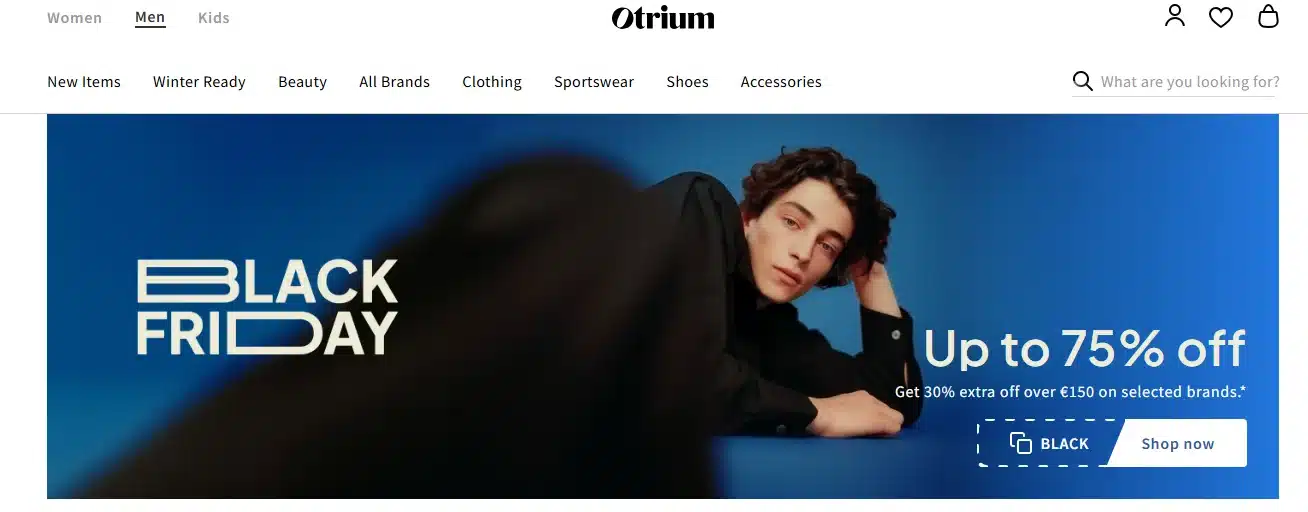
While brand consistency is critical, rigidity stifles creativity and relevance.
Why Flexibility Matters:
- Each partner understands their unique market best
- Generic content can feel inauthentic to local customers
- Tailored messaging increases engagement and sales
How to Balance Consistency with Customization:
- Provide core content with editable elements for local adaptations
- Encourage regional campaigns that reflect local events or climate
- Allow partners to add local testimonials and case studies
- Tailor blog posts or social media content by market characteristics
Strategy 5: Measure Results and Evaluate Performance
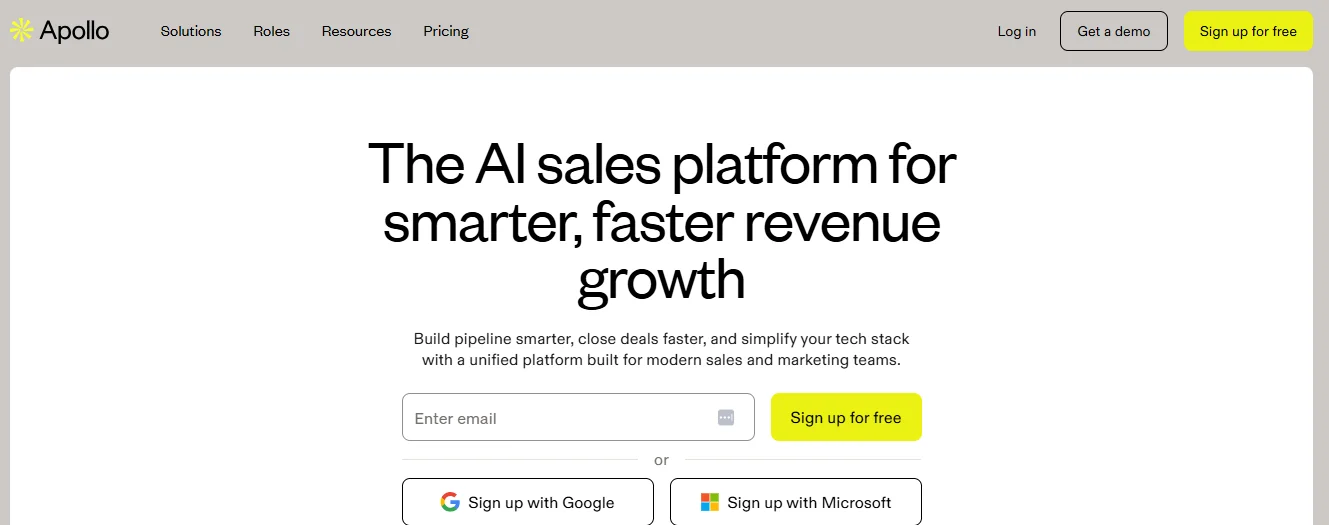
What gets measured gets managed. Tracking the effectiveness of your channel partner marketing helps you optimize and improve continuously.
Key Performance Indicators (KPIs) to Track:
- Number of sales completed through channel partners
- Leads generated and their conversion rates
- Average deal size and customer lifetime value
- Partner engagement levels and marketing assets usage
- Cost per acquisition or sale attributed to partners
- Revenue growth and profitability from partner sales
Methods of Evaluation:
- Quarterly performance scorecards shared with partners
- Campaign-level analytics: clicks, open rates, conversions
- Partner satisfaction surveys and feedback sessions
- Automated reporting through Partner Relationship Management (PRM) platforms
Importance of Open Communication:
Maintaining regular dialogue ensures challenges are addressed early, opportunities are identified, and strategies adapt to market demands.
Marketing Methods and Tactics for Channel Partners
To drive effective channel partner marketing, use a blend of digital and traditional marketing tactics adapted to your audience and goals.
Digital Marketing Tactics:
- Search Engine Optimization (SEO): Ensure partner websites and landing pages rank well for relevant keywords.
- Pay-Per-Click (PPC) Advertising: Collaborate on co-funded ad campaigns across search engines and social media.
- Email Marketing: Share targeted campaigns to partner lists and joint prospects.
- Content Marketing: Co-create blogs, case studies, and videos that address customer pain points.
- Social Media Marketing: Amplify reach with co-branded posts, influencer collaborations, and targeted ads.
Traditional Marketing Channels:
- Print ads in industry publications
- Billboards and direct mail campaigns
- Trade shows, webinars, and live events
Co-Marketing Examples:
- Joint webinars hosting experts from both companies.
- Co-branded downloadable guides or whitepapers.
- Regional event sponsorships.
- Collaborative customer case studies.
Common Challenges in Channel Partner Marketing (And Solutions)
Despite its benefits, channel partner marketing comes with challenges.
Typical Challenges:
- Partner Motivation: Disengaged partners may not prioritize your products.
- Channel Conflict: Overlapping territories or lead disputes.
- Lead Quality: Handling poor or duplicate leads.
- Inconsistent Training: Partners fall behind on product knowledge.
How to Overcome:
- Offer incentives and rewards for top performance.
- Clearly define territories and lead ownership policies.
- Employ a centralized lead management system.
- Provide regular, standardized training programs.
- Foster a culture of open communication and collaboration.
Conclusion
Channel partner marketing is a strategic approach that allows businesses to expand their market reach, accelerate sales, and build long-lasting partnerships. By finding the right partners, maintaining brand integrity through standards, providing robust training and resources, allowing customization, and continuously measuring performance, businesses can harness the full potential of their channel partner ecosystem.
Whether you’re a manufacturer looking to scale or a company seeking new sales avenues, implementing these five proven strategies can help you design a successful channel partner marketing program that drives mutual growth for both your business and your partners.
FAQs
1. What is a channel partner in marketing?
A channel partner is an external company that collaborates with a manufacturer or vendor to promote, sell, or distribute its products or services, helping expand market reach and sales through shared marketing efforts.
2. What are the main types of channel partners?
Common types include distributors, resellers (including value-added resellers), affiliate partners, referral partners, managed service providers, consultants, and agencies. Each plays a unique role in sales and marketing.
3. How does channel partner marketing work?
It works through a cooperative relationship where manufacturers provide partners with products, training, marketing materials, and support. Partners then market and sell the products using customized approaches relevant to their audiences.
4. Why should companies use channel partner marketing?
This strategy allows companies to scale sales effectively, access new markets quickly, reduce sales and distribution costs, and leverage the local expertise and established networks of trusted partners.
5. How do you choose the right channel partners?
Select partners that align with your company’s values, have a strong market presence in your target areas, possess sales and marketing capabilities, and share goals for mutual growth. Vet potential partners through research and pilot collaboration.
6. What should be included in a brand standards guide for partners?
A comprehensive guide covers brand mission, vision, personality, values, key messaging, brand voice, logo usage rules, color palette, and fonts to ensure consistent brand representation across all partners’ channels.
7. How can companies support their channel partners effectively?
Provide thorough onboarding training, regular updates, marketing assets like email templates and brochures, access to sales tools, and performance tracking dashboards to empower partners to sell confidently.
8. Why is customization important in channel partner marketing?
Customization allows partners to adapt marketing content and messaging to local market conditions and customer preferences, making campaigns more authentic and engaging while maintaining brand consistency.
9. What are key metrics to measure in channel partner marketing?
Track partner-driven sales volume, lead generation and conversion rates, partner engagement, revenue attribution, and campaign effectiveness to evaluate and optimize your partner marketing program.

Passionate about blogging and focused on elevating brand visibility through strategic SEO and digital marketing. Always tuned in to the latest trends, I’m dedicated to maximizing engagement and delivering measurable ROI in the dynamic world of digital marketing. Let’s connect and unlock new opportunities together!