



The Reserve Bank of India (RBI) is the central bank of India, responsible for regulating the country’s monetary and financial systems. Founded in 1935, RBI plays a crucial role in managing currency, overseeing monetary policy, and ensuring financial stability. With a vast network of offices across the country, RBI’s reach and influence extend far beyond its headquarters in Mumbai, impacting various sectors such as banking, economic planning, forex reserves, and payment systems.

This blog takes a comprehensive look at the various RBI offices spread across India, explaining their locations, roles, operations, and strategic importance in detail.
Quick Overview of RBI Offices in India
| City | Office Role | Employees | Key Operations |
| Mumbai | Headquarters | 4,000+ | Monetary policy formulation, currency management, regulatory oversight, research |
| Delhi | North Zone Office | 300+ | Regional operations, monitoring banking activities, research, consumer affairs |
| Chennai | Southern Regional Office | 500+ | Currency management, regional banking oversight, consumer education and services |
| Kolkata | Eastern Regional Office | 450+ | Regulatory framework, economic research, banking support for the eastern region |
| Bengaluru | Southern Regional Office | 300+ | Currency management, fintech solutions, economic research, financial inclusion |
| Ahmedabad | Western Regional Office | 300+ | Bank supervision, regional economic research, financial literacy programs |
| Hyderabad | South Zone Office | 250+ | Banking regulation, economic policy, regional financial inclusion, currency supply |
| Jaipur | North Zone Office | 200+ | Banking supervision, currency distribution, economic data gathering, research |
RBI Office in Mumbai, India

Why Mumbai?
Mumbai is the financial capital of India, making it the natural location for the headquarters of the Reserve Bank of India. The city houses the heart of the country’s banking sector, financial markets, and economic planning, making it the center of all RBI’s critical operations.
Key Details
| Aspect | Information |
| Address | Reserve Bank of India, Central Office Building, Shahid Bhagat Singh Road, Fort, Mumbai, Maharashtra – 400001, India. |
| Employees | 4,000+ (employees across policy, research, currency management, and regulations). |
| Functions | Monetary policy formulation, currency management, financial stability, economic research, banking regulation. |
| Significance | Acts as the central hub for RBI’s overall functioning, policy formulation, and financial system regulation. |
- Monetary Policy & Economic Research: The Mumbai office oversees the formulation of monetary policy in line with government objectives. It is responsible for managing inflation rates, interest rates, and controlling liquidity in the economy. The research team in Mumbai studies market trends, inflation forecasts, and economic growth patterns.
- Currency Management: This office manages the supply and distribution of currency notes across India. The Mumbai office is directly responsible for printing, securing, and distributing currency, ensuring that demand is met throughout the country.
- Regulatory Oversight: Mumbai is home to RBI’s regulatory and supervisory functions, where the bank supervises other financial institutions, ensuring compliance with set standards, capital adequacy norms, and the operational framework of India’s banking system.
Mumbai’s office is the epicenter of RBI’s monetary operations and research, ensuring financial stability and economic growth.
RBI Office in Delhi, India
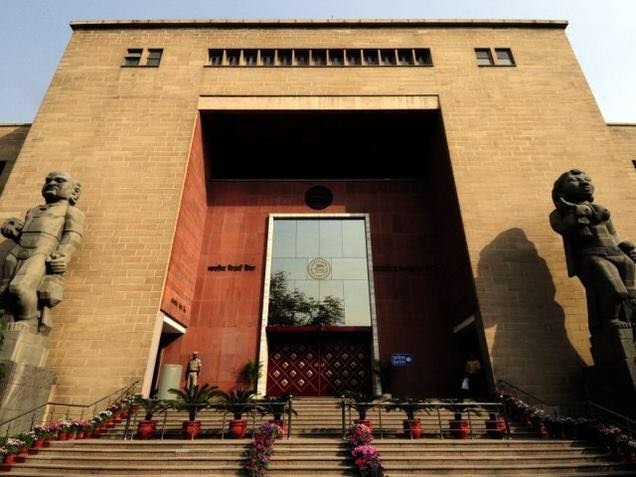
Why Delhi?
Delhi, as the capital city, plays a key role in the functioning of RBI’s North Zone operations, overseeing all regulatory and research activities for banks in the northern region.
Key Details
| Aspect | Information |
| Address | Reserve Bank of India, Sansad Marg, New Delhi, Delhi – 110001, India. |
| Employees | 300+ (across research, regulatory functions, and public affairs). |
| Functions | Regional operations, monitoring banking activities, regulatory supervision, consumer education. |
| Significance | Focuses on the northern region, ensuring smooth operations of RBI policies, consumer protection, and financial services. |
In-depth Explanation
- Banking Supervision: The Delhi office oversees banking activities in the northern region, monitoring the performance of financial institutions and ensuring that they comply with RBI’s guidelines.
- Consumer Affairs: RBI’s Delhi office addresses consumer grievances, ensuring that banks follow transparent and ethical practices. It also educates the public on their rights and financial literacy.
- Research & Economic Policy: The Delhi office engages in regional economic research, gathering data related to the performance of regional financial markets, trends, and other economic parameters.
- Public Awareness & Financial Inclusion: The office runs programs to promote financial inclusion, ensuring that unbanked and underserved populations have access to basic banking services.
Delhi’s RBI office ensures that regional banks comply with RBI’s policies and helps to bridge the gap between the central bank and the public.
RBI Office in Chennai, India
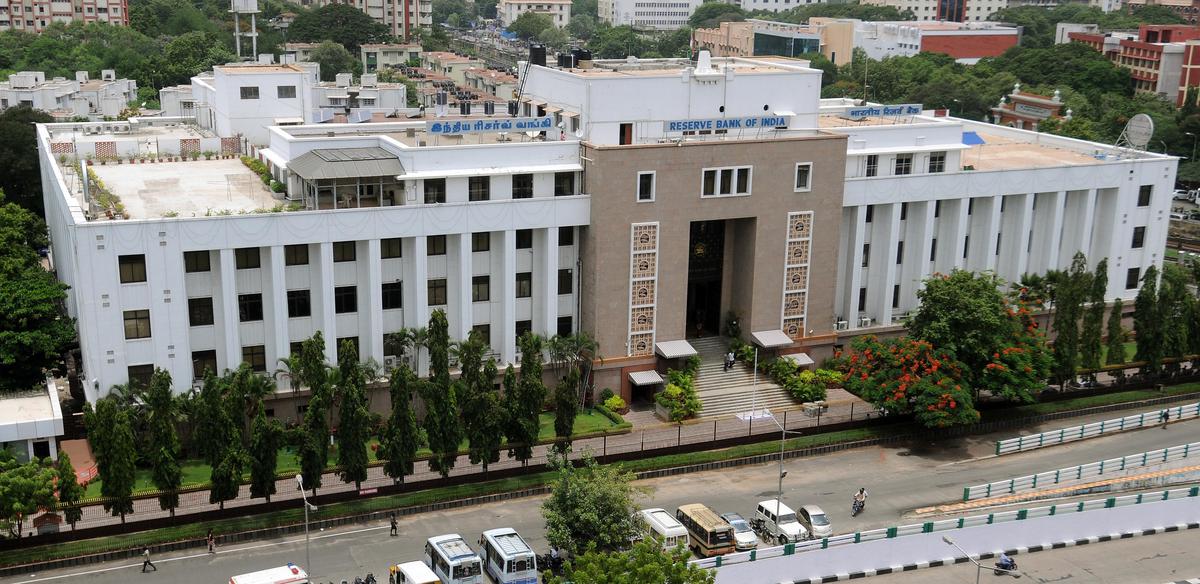
Why Chennai?
Chennai plays a vital role in managing RBI’s southern region activities, including currency management, banking regulation, and overseeing the growth of the financial sector in the south.
Key Details
| Aspect | Information |
| Address | Reserve Bank of India, 2nd Floor, Reserve Bank Building, Anna Salai, Chennai, Tamil Nadu – 600002, India. |
| Employees | 500+ (involved in currency operations, banking supervision, and financial services). |
| Functions | Currency management, regional banking oversight, consumer education, financial services. |
| Significance | Focuses on the southern region, ensuring smooth currency distribution and providing financial education services. |
- Currency Operations: The Chennai office is responsible for ensuring that the southern region receives adequate currency and that all currency-related operations are efficiently managed.
- Banking Regulation: The office ensures that all financial institutions within its jurisdiction adhere to RBI’s operational guidelines, particularly regarding capital adequacy, credit allocation, and risk management.
- Financial Education: The Chennai office runs extensive financial literacy programs, aimed at educating individuals and businesses about the importance of financial planning, savings, and investments.
Chennai plays a significant role in securing the southern region’s financial infrastructure, ensuring regulatory compliance, and offering financial education.
RBI Office in Kolkata, India
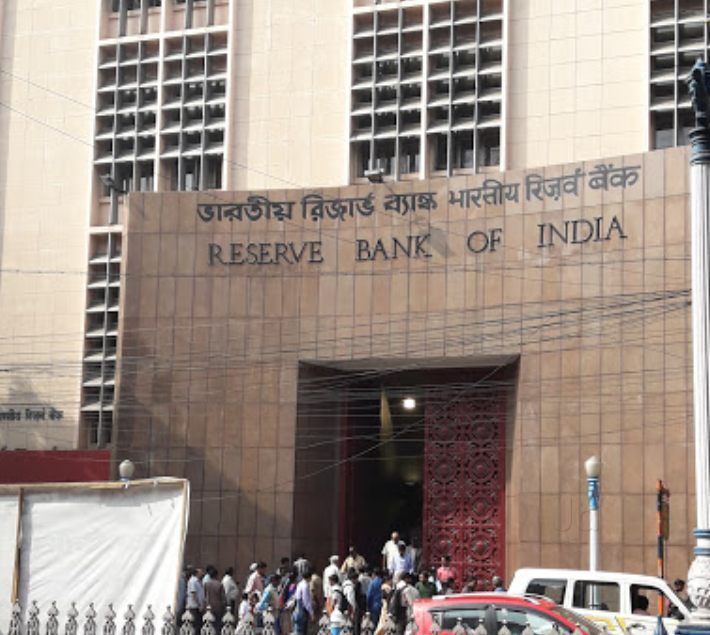
Why Kolkata?
Kolkata, the cultural capital of India, serves as RBI’s Eastern Regional Office, overseeing the region’s financial systems and ensuring smooth operations within the state-run financial institutions.
Key Details
| Aspect | Information |
| Address | Reserve Bank of India, 15, Netaji Subhas Road, Kolkata, West Bengal – 700001, India. |
| Employees | 450+ (focused on regulatory frameworks, economic research, and banking supervision). |
| Functions | Economic research, banking supervision, regulatory framework, regional support for financial services. |
| Significance | Supervises the banking sector in the eastern region and contributes to economic research. |
- Banking Supervision: The Kolkata office ensures that banks in the eastern region adhere to RBI’s regulations and that there is proper monitoring of the financial institutions’ activities.
- Economic Research: The office conducts research on economic conditions in the eastern states, evaluating the performance of the region’s banking and financial sectors.
- Financial Support: The Kolkata office facilitates the delivery of financial services across West Bengal, Odisha, and Northeastern India, ensuring the seamless operation of regional markets.
Kolkata’s office plays an important role in regional economic research and supervision of financial institutions in the eastern part of India.
RBI Office in Bengaluru, India
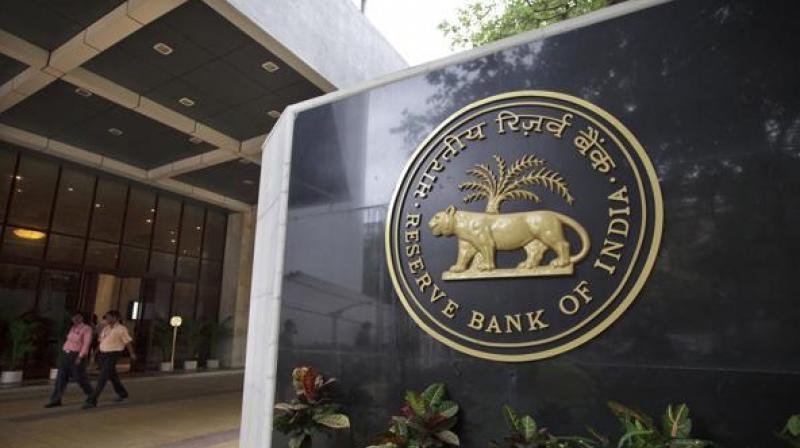
Why Bengaluru?
Bengaluru is a key location for RBI’s Southern Regional Office, contributing to the development of financial technologies, financial inclusion, and economic research in the southern states.
Key Details
| Aspect | Information |
| Address | Reserve Bank of India, 10th Floor, Tower 2, Shanthinagar, Bengaluru, Karnataka – 560027, India. |
| Employees | 300+ (focused on fintech, currency management, and financial inclusion). |
| Functions | Currency distribution, financial inclusion, fintech solutions, economic research. |
| Significance | Focuses on financial inclusion and technological innovations for the banking sector in South India. |
In-depth Explanation
- Currency Management: Bengaluru’s office is responsible for the distribution and management of currency notes across the region.
- Fintech Solutions: The office is at the forefront of implementing fintech solutions, working to digitize banking services and improve access to financial services in remote areas.
- Economic Research: This office helps develop RBI’s monetary policy based on data and trends gathered from the southern states.
Bengaluru contributes significantly to financial inclusion and technological advancements in the banking sector.
FAQs
How many RBI offices are there in India?
RBI operates 27 regional offices across India, with 8 major zonal offices including Mumbai, Delhi, Chennai, Kolkata, Bengaluru, Hyderabad, Ahmedabad, and Jaipur.
What is the role of RBI’s Mumbai office?
Mumbai houses RBI’s headquarters, where monetary policy is formulated, and currency management and financial stability are managed.
Which RBI office manages currency operations in India?
RBI’s offices in Mumbai, Delhi, Chennai, and Bengaluru are responsible for the distribution and management of currency across India.
What is the focus of RBI’s Bengaluru office?
The Bengaluru office focuses on financial inclusion, fintech solutions, and currency management in the southern region.
How does RBI regulate banks in India?
RBI monitors and regulates banks through its regional offices, ensuring compliance with guidelines related to capital adequacy, risk management, and asset quality.
Can the public visit RBI offices?
RBI offices are not generally open to the public, but they occasionally conduct public awareness programs and financial literacy initiatives.
Conclusion
The Reserve Bank of India’s offices across the country play pivotal roles in maintaining monetary stability, ensuring banking sector health, and promoting financial inclusion. From policy formulation in Mumbai to consumer affairs in Delhi and currency management in Chennai, each regional office has a crucial function in upholding RBI’s objectives. These offices are instrumental in creating a secure, efficient, and transparent banking ecosystem for India.

An avid blogger, dedicated to boosting brand presence, optimizing SEO, and delivering results in digital marketing. With a keen eye for trends, he’s committed to driving engagement and ROI in the ever-evolving digital landscape. Let’s connect and explore digital possibilities together.