



If your business serves customers in different cities or states, then just focusing on local SEO may not be enough. This is where regional SEO comes in.

Regional SEO helps your business show up in search results across a wider area – not just in one city but in an entire region. For example, instead of ranking only in Mumbai, you can optimize your website to also rank across Maharashtra.
The difference between local SEO and regional SEO is simple:
- Local SEO = Focus on one city or specific location
- Regional SEO = Focus on multiple cities, towns, or an entire region
In this blog, we’ll cover the 7 best tips to improve your regional SEO strategy and help your business reach more customers across different areas.
1. Understand Your Target Region and Audience

The first step in regional SEO is knowing your audience and their location. Different regions have different customer needs, preferences, and even search habits.
How to do it:
- Use tools like Google Trends to see what people search in different areas.
- Explore Google Keyword Planner to check keyword volume by region.
- Analyze your competitors in different cities or states.
Example: A food delivery app may find that customers in South India search more for “dosa delivery near me,” while customers in North India search for “paratha delivery near me.”
By understanding these differences, you can create a region-specific SEO plan that matches what people really want. A strong regional SEO plan forms the foundation of long-term success.
For example, for businesses in Dubai, hiring a skilled SEO freelancer in Dubai can be a cost-effective way to manage local SEO projects without compromising on quality.
2. Optimize for Regional Keywords
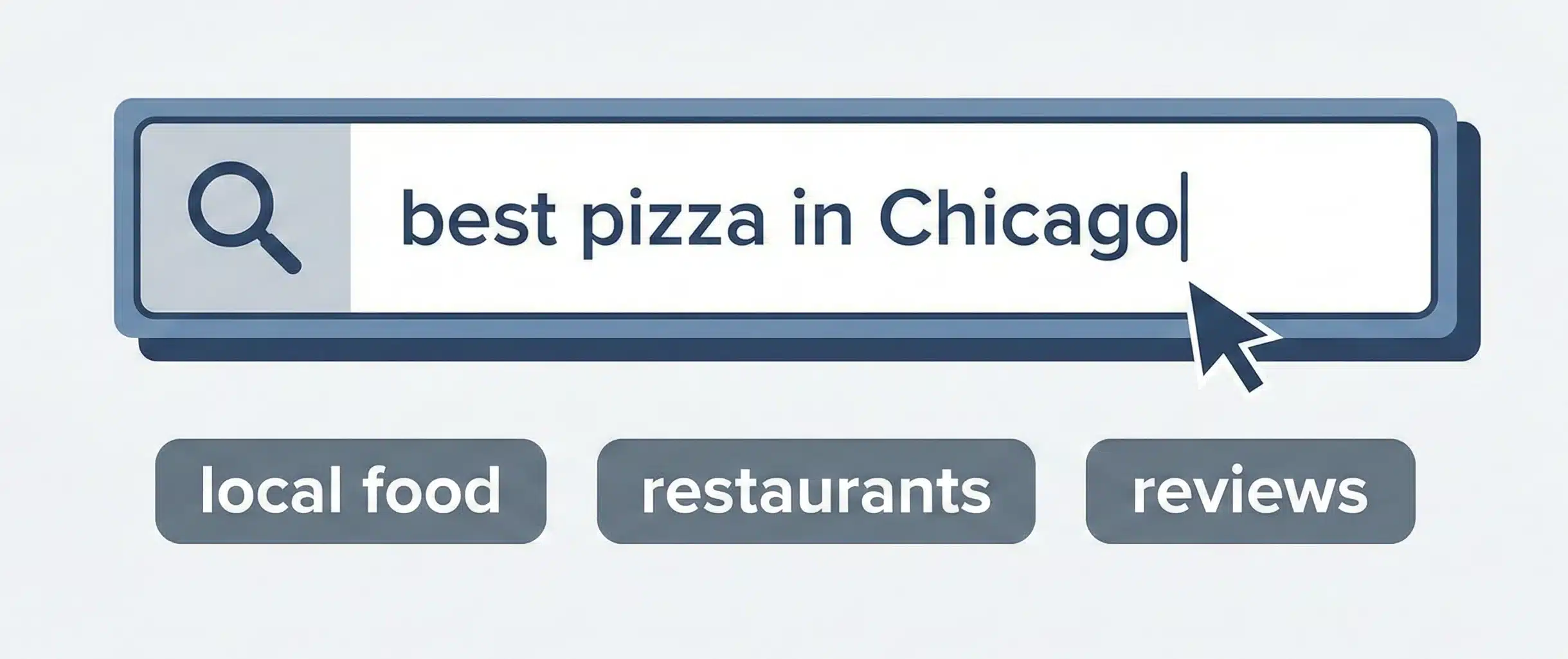
Regional keywords are the backbone of your strategy. You need to include location-based keywords that people use when searching for services in their area.
How to do it:
- Use long-tail keywords like “best salon in Bangalore” instead of just “best salon.”
- Add region names (states, zones, or language-based areas).
- Mix local slang or terms in your keywords when possible.
Example:
- National keyword: digital marketing agency India
- Regional keyword: digital marketing agency in South India
By targeting specific areas, your chances of ranking higher in regional searches increase.
3. Create Region-Specific Content
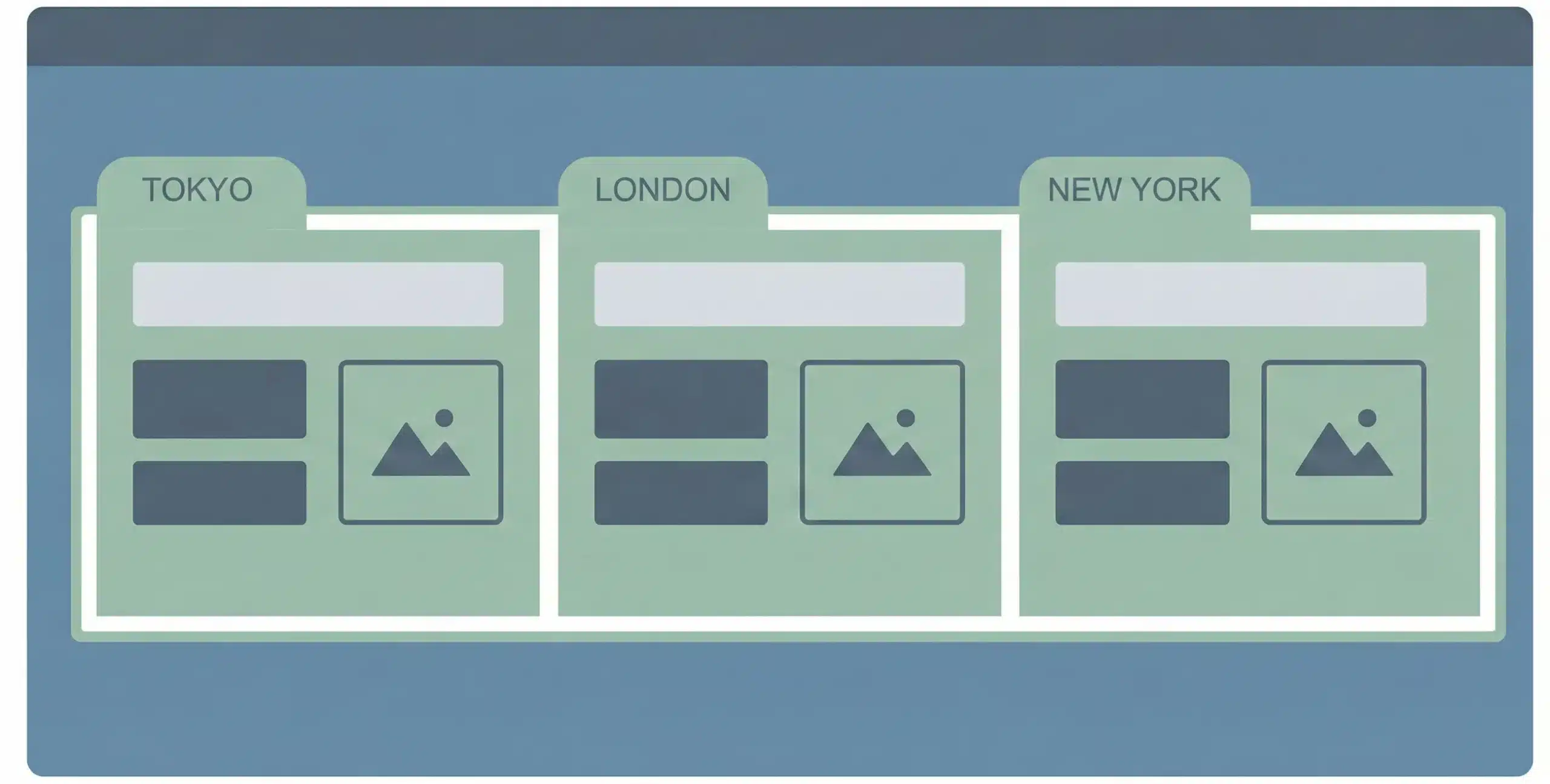
Content is what connects you with your audience, and for regional SEO, personalized content is very important.
Ideas for region-specific content:
- Create landing pages for each city or region you serve.
- Write blogs covering local events, news, or trends.
- Add FAQs that answer region-specific questions.
Example: A travel agency can publish content like “Top Weekend Getaways in West India” or “Best Hill Stations in North India.”
4. Build Local Citations and Listings Across Regions
A citation means your business name, address, and phone number (NAP) listed on online directories. These citations help search engines verify your business and improve rankings.
How to do it:
- Ensure NAP consistency across all platforms.
- Create listings on Google Business Profile for each region.
- Add your business to local directories and industry-specific websites.
Example: If you run a chain of gyms in multiple cities, each city should have a separate, accurate listing in Google and local directories.
5. Leverage Regional Backlink Building
Backlinks are links from other websites pointing to yours, and they play a major role in SEO. For regional SEO, you need backlinks from websites in your target region.
How to get regional backlinks:
- Collaborate with local bloggers and influencers.
- Sponsor or take part in regional events and get mentioned on their websites.
- Write guest posts for regional news websites or community blogs.
Example: A restaurant chain in Gujarat can partner with a Gujarati food blogger to get backlinks and attract local customers.
6. Optimize Google Business Profile for Multiple Regions
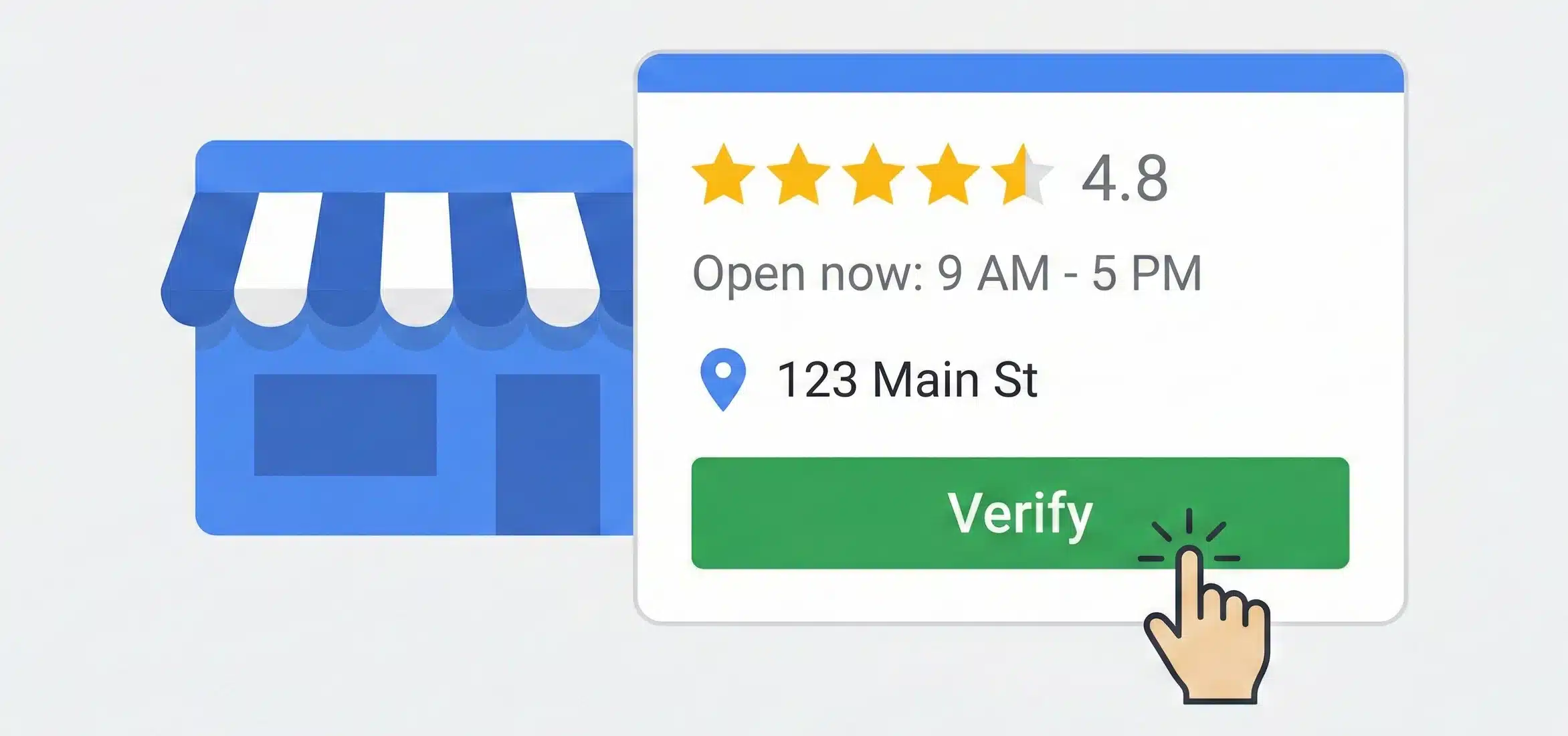
Google Business Profile (GBP) is one of the most powerful tools for regional SEO. It directly impacts how your business appears in Google Maps and local search results.
How to optimize:
- Create separate listings for different branches or cities.
- Use the “service area” feature to cover multiple regions.
- Post regular updates, photos, and offers.
- Encourage reviews from customers in each region.
Example: A spa chain with locations in Pune, Mumbai, and Nagpur should have separate profiles for each city instead of just one.
7. Use Schema Markup for Regional SEO
Schema markup is code you add to your website to help search engines understand your business better. For regional SEO, it can highlight your locations and services.
Best schema types for regional SEO:
- Local Business schema → Helps Google identify your business in a specific region
- Service Area schema → Defines areas you serve
- Event schema → If you organize or sponsor regional events
Example: If you run an educational institute across multiple states, schema markup can help Google show your branches in search results with details like phone numbers, addresses, and ratings.
8. Track and Measure Regional SEO Performance
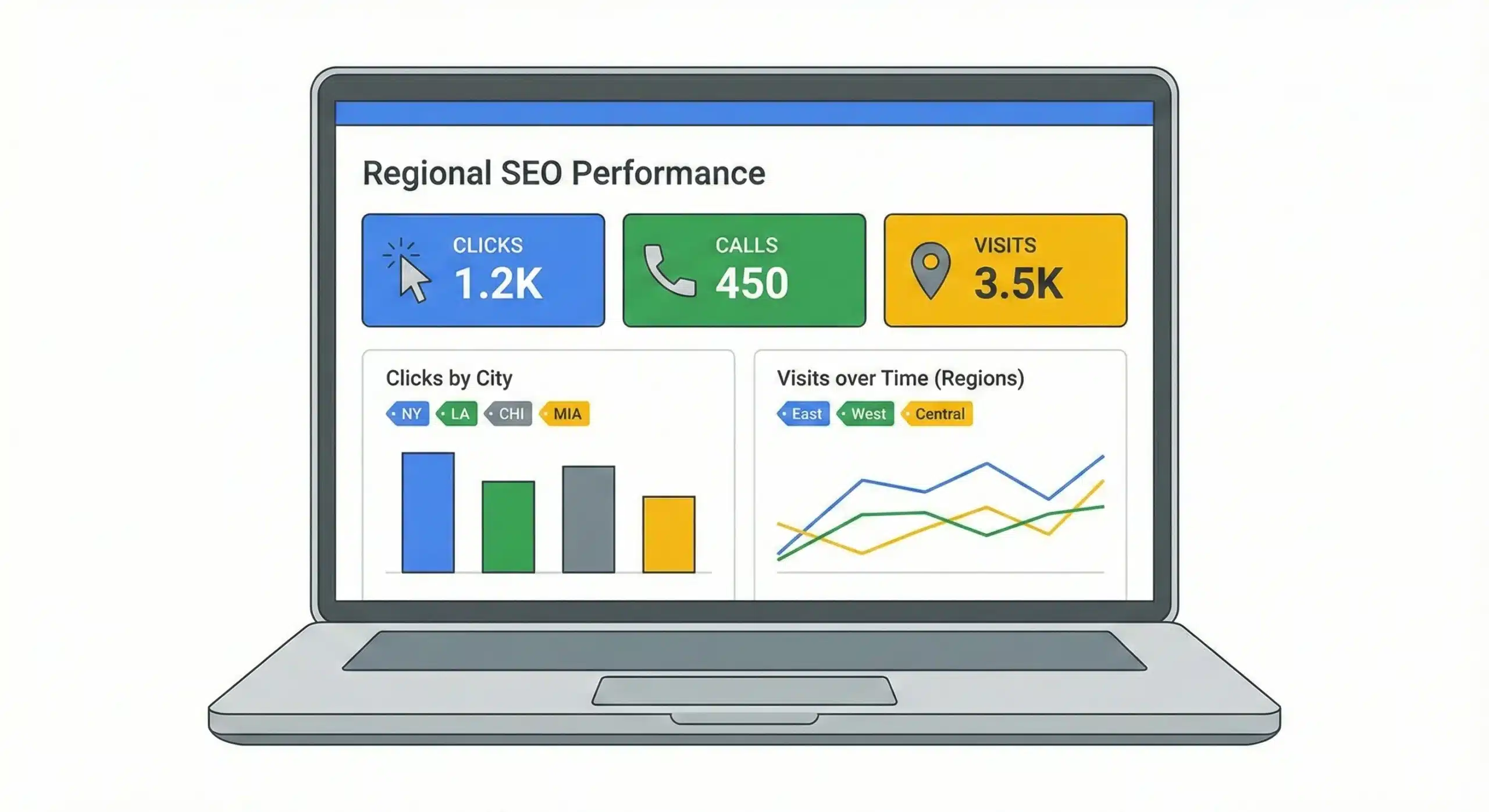
No SEO strategy is complete without tracking results. You need to know what’s working and what’s not.
Tools to use:
- Google Analytics → Track regional website traffic
- Google Search Console → Monitor search performance by region
- Rank tracking tools → Check your keyword rankings in different cities or states
Conclusion
Regional SEO is the best way to grow your visibility beyond just one city. It helps your business appear in multiple regions, attract more customers, and stay ahead of competitors.
Quick Recap of the 7 Best Tips:
- Understand your target region and audience
- Optimize for regional keywords
- Create region-specific content
- Build local citations and listings
- Leverage regional backlink building
- Optimize Google Business Profile for multiple regions
- Use schema markup for regional SEO
When you apply these strategies consistently and track your progress, you’ll see your brand become stronger across regions.
FAQs
Q1: How is regional SEO different from local SEO?
Local SEO targets one city or location, while regional SEO targets multiple cities or states.
Q2: Can small businesses benefit from regional SEO?
Yes. Even small businesses can expand their reach by targeting nearby towns or regions.
Q3: How long does it take to see results from regional SEO?
Usually 3–6 months, depending on competition and consistency of your efforts.

Passionate about blogging and focused on elevating brand visibility through strategic SEO and digital marketing. Always tuned in to the latest trends, I’m dedicated to maximizing engagement and delivering measurable ROI in the dynamic world of digital marketing. Let’s connect and unlock new opportunities together!